Types of Window Shutters

— by

|

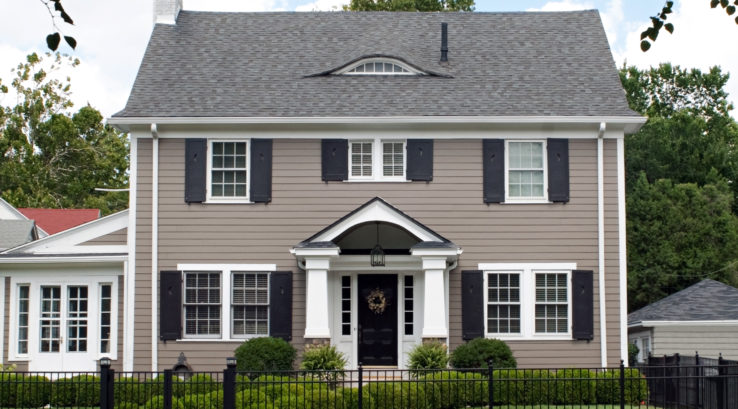
window shutters on single family home

When Mid-Atlantic homeowners think about enhancing their home’s exterior, window shutters remain a timeless choice that combines aesthetic appeal with practical benefits. Whether you’re looking to boost curb appeal for your Maryland home or add weather protection in Virginia, understanding the different types of exterior shutters can help you make the right choice for your property.

Window shutters have evolved from their original purpose of protecting homes from harsh weather. Today, they serve dual roles—some homeowners choose functional shutters that offer real protection and privacy, while others opt for decorative shutters that enhance architectural charm without moving parts.

Functional vs. Decorative Window Shutters

Understanding the difference between functional and decorative shutters is your first step toward making an informed decision.

Functional Shutters are designed to move. They’re mounted with hinges that allow them to close over your windows, providing practical benefits like light control, enhanced privacy, and storm protection. In the Mid-Atlantic region where weather can shift dramatically, functional shutters offer an extra layer of defense against wind-driven rain and summer heat. These shutters are particularly valuable for homes in areas prone to severe weather, complementing energy-efficient windows by adding an additional barrier.

Decorative Shutters are fixed in place and purely aesthetic. They frame your windows beautifully and contribute to your home’s curb appeal without the mechanical components. While they don’t offer the practical benefits of functional shutters, they’re an affordable way to transform your home’s exterior appearance and can significantly boost your property’s curb appeal.

Raised Panel Shutters: The Suburban Favorite

Raised panel shutters dominate suburban neighborhoods across Maryland, Virginia, and Washington DC for good reason. Their clean, classic design features one or more rectangular panels that create subtle depth and visual interest.

These versatile shutters work beautifully with virtually any architectural style. Single-panel designs offer simplicity, while double or triple panels add more dimensional character. Raised panel shutters pair exceptionally well with:

  • Modern and contemporary homes
  • French Country estates
  • Georgian colonials
  • Traditional Colonial architecture
  • Ranch-style properties

The beauty of raised panel shutters lies in their customization options. Most homeowners coordinate them with their entry doors or window trim, creating a cohesive exterior palette. Popular color combinations in the Mid-Atlantic include classic black shutters with white trim, navy blue accents on gray homes, or rich brown tones on brick exteriors.

Louvered Shutters: Classic Texture and Ventilation

Louvered shutters feature horizontal slats that overlap slightly, creating distinctive texture and shadow lines that enhance architectural depth. Originally designed to allow air circulation while providing shade, louvered shutters bring Old-World charm to Mid-Atlantic homes.

The slatted design works particularly well for:

  • Colonial revival homes
  • Victorian architecture
  • Georgian estates
  • Greek Revival properties
  • Updated ranch homes

When choosing louvered shutters, consider that the slat spacing affects both appearance and maintenance. Wider slats create a more contemporary look and are easier to clean, while narrower, traditional slats offer authentic period detail. Like raised panels, louvered shutters can be customized in colors that coordinate with your home’s exterior trim and overall color scheme.

Board and Batten Shutters: Rustic Charm

Board and batten shutters offer a distinctly rustic, farmhouse aesthetic that’s experiencing renewed popularity. These shutters consist of wide vertical boards held together by horizontal battens, creating strong vertical lines that can make windows appear taller.

This style brings authentic character to:

  • French Country homes
  • Cape Cod cottages
  • Medieval-inspired architecture
  • Tudor revivals
  • Farmhouse styles

Board and batten shutters work especially well on homes with other rustic elements like stone facades, exposed beams, or James Hardie fiber cement siding. Their solid construction makes them particularly suitable as functional shutters in areas where storm protection is a consideration.

Choosing the Right Shutter Material for Mid-Atlantic Weather

The Mid-Atlantic climate presents unique challenges—hot, humid summers; cold, snowy winters; and the occasional severe weather event. Your shutter material should withstand these temperature extremes while maintaining its appearance.

Vinyl Shutters resist moisture, won’t rot, and require minimal maintenance. They’re an excellent choice for humid Maryland and Virginia climates where wood might deteriorate. Modern vinyl shutters feature realistic wood grain textures and maintain their color without painting.

Wood Shutters offer authentic beauty and can be customized with any paint or stain color. However, they require regular maintenance in our climate, including repainting every 3-5 years and careful inspection for moisture damage. Cedar and redwood are naturally rot-resistant choices.

Composite Shutters combine the beauty of wood with enhanced durability. They resist warping, cracking, and insect damage while requiring less maintenance than real wood—similar to how composite window frames offer long-term value.

Coordinating Shutters With Your Home’s Exterior

Window shutters should complement your overall exterior design. Consider coordinating your shutters with:

  • Window frames and trim: Matching or contrasting colors create cohesion
  • Entry and patio doors: Replacement doors and shutters in coordinating styles strengthen curb appeal
  • Siding color: Vinyl siding replacement provides an opportunity to refresh your entire exterior palette
  • Roofing: GAF roofing systems in coordinating colors complete the look

Shutter Sizing and Proportion Guidelines

Proper sizing is crucial for authentic appearance. Functional shutters should be sized to cover the window when closed. Decorative shutters should appear capable of covering the window, even though they’re fixed in place.

As a general rule, each shutter should be half the width of your window. Height should match the window opening precisely. Avoid the common mistake of installing undersized decorative shutters—they immediately appear inauthentic and can actually detract from your home’s appearance.

When Shutters Can’t Solve the Problem

While exterior shutters significantly enhance curb appeal and can provide weather protection, they can’t address underlying window problems. If you’re considering shutters to hide old, failing windows, you’re treating the symptom rather than the cause.

Outdated windows lead to:

  • Higher energy bills from poor insulation
  • Uncomfortable drafts and temperature fluctuations
  • Moisture infiltration and potential mold issues
  • Faded furnishings from UV exposure
  • Reduced home value

Energy-efficient replacement windows address these issues at their source. Modern windows with Low-E glass, argon gas fills, and quality vinyl frames can reduce energy costs by up to 20% in the Mid-Atlantic region while significantly improving comfort.

Frequently Asked Questions About Window Shutters

Do exterior shutters increase home value?

Yes, quality exterior shutters can increase home value by improving curb appeal. However, the return on investment from vinyl window replacement is significantly higher, typically recovering 70% or more of the project cost.

Should I choose functional or decorative shutters?

This depends on your priorities. Functional shutters cost more but provide storm protection and privacy. Decorative shutters offer an affordable way to enhance appearance. In the Mid-Atlantic, many homeowners choose functional shutters for front-facing windows and decorative options for other elevations.

What colors are most popular for shutters in Maryland and Virginia?

Classic combinations dominate: black shutters on white or gray homes, navy blue for coastal-inspired looks, deep greens for traditional styles, and various brown tones for homes with brick or stone elements. Your shutter color should coordinate with your trim and door colors.

How long do exterior shutters last?

Vinyl and composite shutters can last 20-30 years with minimal maintenance. Wood shutters require regular painting and typically need replacement after 15-20 years in our humid climate. Quality matters—premium materials resist fading, warping, and weather damage better than budget options.

Do I need shutters on all windows?

Not necessarily. Many homes feature shutters only on front-facing windows for curb appeal. However, for consistency, consider your home’s style—formal Colonial architecture typically includes shutters on all visible windows, while more casual styles allow selective placement.

Why Choose Thompson Creek for Your Window Needs

While exterior shutters enhance your home’s appearance, the windows themselves are the foundation of your home’s energy efficiency, comfort, and value. Thompson Creek has been custom-manufacturing replacement windows in our Maryland facility for over 40 years, specifically engineered for Mid-Atlantic weather conditions. Our windows exceed ENERGY STAR® 2022 criteria and withstand winds up to 146 mph, backed by our comprehensive 50-year No-Hassle Warranty.

Ready to transform your home’s exterior? Schedule your free consultation today and discover why Mid-Atlantic homeowners have trusted Thompson Creek since 1980. Our custom-manufactured windows and professional installation deliver lasting value, comfort, and beauty that no amount of shutters can achieve with failing windows underneath.