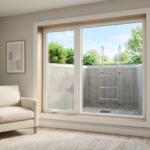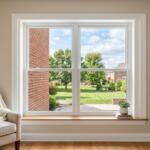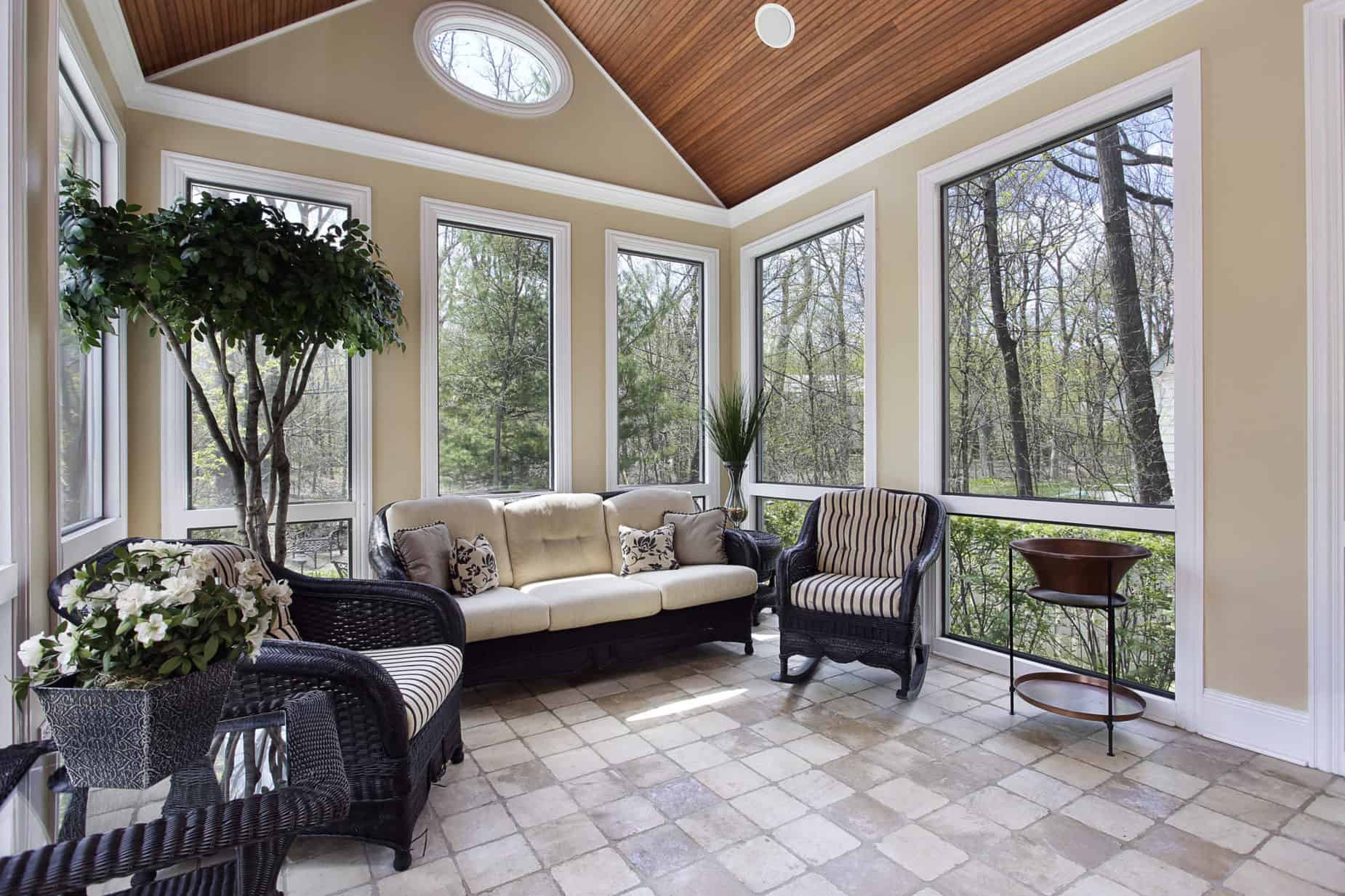
Choosing between wood and vinyl windows affects everything from your home’s curb appeal to long-term energy costs. The material impacts durability, maintenance requirements, and how well your windows perform in Maryland and Virginia’s challenging climate. Mid-Atlantic homeowners face unique weather extremes—humid summers reaching 90°F+, freezing winters, and occasional hurricanes—making the right window choice critical for comfort and protection.
This comprehensive guide compares vinyl versus wood windows across every factor that matters: upfront costs, energy efficiency, maintenance demands, lifespan, and performance in regional weather conditions. You’ll discover which material delivers better value for your specific needs, budget, and home improvement goals.
Appearance and Design Flexibility
Wood windows have long been prized for their classic aesthetic appeal. When properly stained and sealed, wood delivers natural warmth and authentic character that complements traditional and historic home styles. For homeowners restoring period properties or seeking premium visual appeal, wood’s organic beauty remains appealing for certain applications.
Modern vinyl window technology has dramatically narrowed the appearance gap. Today’s custom vinyl windows offer numerous color options and realistic wood-grain finishes that satisfy most aesthetic preferences. While vinyl may not perfectly replicate authentic wood, advanced manufacturing techniques create attractive alternatives suitable for virtually any architectural style common in Maryland, Virginia, and DC.
Thompson Creek’s custom-manufactured vinyl windows provide design flexibility without compromising performance, combining contemporary aesthetics with superior energy efficiency for Mid-Atlantic homes.
Cost Analysis: Purchase Price and Lifetime Expenses
Understanding the total cost of ownership—not just purchase price—reveals the true financial picture when comparing these window materials.
Initial Investment:
According to industry data and the Federal Trade Commission, replacement window costs vary significantly:
- Vinyl windows: $450–$850 per window installed (national average $600-$650)
- Wood windows: $700–$2,000+ per window installed (national average $1,300)
Installation labor adds significantly more for wood windows due to complexity. Wood installations require custom fitting, finishing work, and specialized expertise that extends project timelines and increases costs.
Long-Term Maintenance Costs:
The cost gap widens substantially when factoring in ongoing expenses. Wood windows require professional painting, staining, or sealing every 3-5 years. [VERIFY: Specific per-window maintenance costs over 20 years vary by region, contractor rates, and wood species. Homeowners should obtain local estimates for accurate long-term projections.]
Vinyl windows eliminate recurring maintenance expenses. Beyond occasional cleaning with soap and water, vinyl requires no additional maintenance investment. For homeowners seeking predictable costs and maximum value, affordable vinyl windows deliver long-term savings.
Energy Efficiency and Thermal Performance
Both materials can achieve excellent energy efficiency, but their approaches and long-term performance differ significantly.
Vinyl Window Efficiency:
Modern vinyl frames feature multi-chamber construction creating insulating air pockets that minimize heat transfer. When combined with Low-E glass coatings and argon gas fills, quality vinyl windows exceed ENERGY STAR® requirements for the Mid-Atlantic region (North-Central climate zone). According to Department of Energy data, Maryland and Virginia homeowners save $200–$400 annually when replacing old windows with energy-efficient versions.
Vinyl’s dimensional stability ensures tight seals remain effective throughout the window’s lifespan, maintaining energy efficiency even as temperatures fluctuate.
Wood Window Efficiency:
Wood naturally insulates well due to its cellular structure. However, wood’s organic nature creates challenges in humid Mid-Atlantic climates. As wood absorbs moisture and responds to temperature changes, it expands and contracts. This movement can create gaps that compromise air-tight seals and reduce insulation performance over time.
Maintaining wood window efficiency requires consistent upkeep—regular sealing, painting, and weatherstripping replacement to preserve thermal performance.
Thompson Creek’s ENERGY STAR® certified vinyl windows are engineered specifically for Maryland, Virginia, and DC climate conditions, delivering consistent efficiency year after year without the maintenance burden wood demands.
Maintenance Requirements and Real-World Durability
The maintenance difference between these materials significantly impacts ownership experience and long-term satisfaction.
Wood Window Maintenance Demands:
- Paint or stain reapplication every 3-5 years
- Regular inspection for rot, warping, and water damage
- Sealing and caulking to maintain weather resistance
- Treatment to prevent insect infestation
- Weatherstripping replacement as materials deteriorate
- Higher vulnerability to moisture damage in humid climates
Mid-Atlantic homeowners deal with humidity levels that accelerate wood deterioration. Coastal areas and properties near water face even greater challenges. Without meticulous maintenance, wood windows can develop rot, warping, and structural issues within 10-15 years.
Vinyl Window Maintenance:
- Simple cleaning with soap and water
- No painting, staining, or sealing required
- Inherent resistance to moisture, rot, and insects
- Minimal weathering or fading with UV-resistant formulations
- No structural deterioration from humidity exposure
For busy professionals, families, and anyone preferring low-maintenance home solutions, vinyl’s care-free performance provides substantial lifestyle benefits. Learn more about when replacement windows become necessary and how vinyl options reduce future concerns.
Weather Performance in Mid-Atlantic Climates
Regional climate considerations play a crucial role in window material selection for Maryland, Virginia, and DC homes.
Mid-Atlantic Weather Challenges:
- Summer temperatures exceeding 90°F with high humidity
- Winter temperatures dropping below freezing
- Freeze-thaw cycles stressing materials
- Hurricane season bringing high winds and heavy rain
- Year-round moisture promoting mold and rot
- Rapid temperature fluctuations requiring material stability
Vinyl Performance:
Vinyl windows excel in these challenging conditions. The material resists moisture-related problems entirely—no rot, no mold, no warping from humidity exposure. Vinyl maintains structural integrity through extreme temperature swings without the expansion and contraction issues affecting wood.
Thompson Creek’s vinyl windows undergo AAMA testing confirming they withstand winds up to 146 mph, providing reliable protection during severe weather events common to the Mid-Atlantic region.
Wood Performance:
Wood faces considerable challenges in this climate. High humidity promotes rot and mold growth, particularly around sills where water collects. Freeze-thaw cycles cause wood to expand when wet and contract when dry, creating operational problems and air infiltration gaps. Without diligent protective maintenance, wood windows in Mid-Atlantic climates deteriorate faster than in drier regions.
Lifespan and Long-Term Value
Realistic lifespan expectations help evaluate true value and return on investment.
Vinyl Window Lifespan:
Quality vinyl windows typically last 20-40 years with minimal maintenance. The material doesn’t rot, rust, or corrode. Modern vinyl formulations include UV inhibitors preventing fading and brittleness even under constant sun exposure. Once installed, vinyl windows deliver decades of reliable performance without significant intervention.
Wood Window Lifespan:
Well-maintained wood windows can last 30-60+ years, potentially outlasting vinyl. However, achieving this longevity requires consistent, costly maintenance. Neglected wood windows often fail within 15-20 years due to rot, warping, or structural deterioration—particularly in humid climates like Maryland and Virginia.
Thompson Creek backs our custom vinyl windows with an industry-leading 50-year No-Hassle Warranty covering both products and installation. This comprehensive coverage demonstrates our confidence in vinyl durability and provides homeowners with decades of protection and peace of mind.
Home Value and Resale Impact
Both materials contribute positively to home value, but market preferences and buyer expectations vary.
Vinyl Windows and Resale:
As the most common window type in contemporary homes, buyers expect vinyl windows—especially in Mid-Atlantic markets. Energy-efficient vinyl windows appeal directly to cost-conscious buyers concerned about utility expenses and maintenance requirements. According to Remodeling Magazine’s Cost vs. Value Report for the Mid-Atlantic region, window replacement projects recoup 70-72% of costs at resale.
Energy efficiency ranks as “extremely important” or “very important” for more than half of homebuyers, according to industry research. Vinyl windows deliver documented energy savings that translate to buyer appeal and competitive advantages during sales.
Wood Windows and Resale:
In historic districts or luxury homes, original or high-quality wood windows may command value among certain buyers. However, prospective purchasers typically factor anticipated maintenance costs into their valuations, potentially offsetting perceived aesthetic advantages.
For most homeowners, vinyl windows provide better ROI by combining lower initial investment, zero maintenance expenses, and broad market appeal across buyer demographics.
Installation Process and Project Timeline
Installation complexity affects both costs and household disruption during replacement projects.
Vinyl Window Installation:
Professional installers typically complete vinyl window installation in 1-2 days for an average home. Vinyl’s consistency and standard sizing streamline the process. Windows arrive ready for installation without finishing work required on-site.
Wood Window Installation:
Wood window projects extend 3-5 days or longer for comparable scope. Custom wood windows may require site adjustments, finishing, painting, or staining before completion. This extended timeline increases labor costs and home disruption.
Thompson Creek’s factory-trained installers specialize in efficient vinyl window installation. Because we custom-manufacture each window in our Maryland facility to exact specifications, proper fit is guaranteed, minimizing installation time while ensuring optimal performance.
Frequently Asked Questions
Which lasts longer—vinyl or wood windows?
With consistent maintenance, wood windows can last 30-60+ years versus vinyl’s 20-40 year lifespan. However, vinyl requires virtually no maintenance to achieve its full lifespan, while wood demands regular upkeep every 3-5 years. Without diligent maintenance, wood windows often fail within 15-20 years, making vinyl the more reliable choice for most homeowners.
Are vinyl or wood windows more energy efficient?
Both can achieve excellent energy efficiency when properly manufactured. Vinyl windows with multi-chamber frames, Low-E glass, and argon fills typically exceed ENERGY STAR® requirements. Wood provides natural insulation but requires maintenance to preserve air-tight seals. In practice, vinyl maintains consistent efficiency longer due to dimensional stability and weather resistance.
How much do vinyl windows save on energy bills?
Maryland and Virginia homeowners save $200–$400 annually when replacing old windows with ENERGY STAR® certified vinyl windows, according to Department of Energy estimates. Actual savings depend on home size, existing window condition, and local utility rates. Over 20 years, these savings can total $4,000–$8,000 per household.
Can vinyl windows withstand hurricanes and severe weather?
Yes. Quality vinyl windows perform excellently in extreme conditions. Thompson Creek’s AAMA-tested vinyl windows withstand winds up to 146 mph, making them suitable for hurricane-prone Mid-Atlantic areas. Unlike wood, vinyl doesn’t absorb moisture, rot, or deteriorate during severe weather, providing reliable long-term protection.
Do vinyl windows look cheap compared to wood?
Modern vinyl windows have overcome this outdated perception. Today’s vinyl offers realistic wood-grain finishes, numerous color options, and quality appearance that satisfies most aesthetic preferences. While vinyl may not perfectly replicate authentic wood, advanced manufacturing creates attractive alternatives suitable for virtually any home style.
Which window material is better for older homes?
The answer depends on your priorities. Historic preservation projects may require wood to maintain architectural authenticity. However, modern vinyl windows with wood-grain finishes offer alternatives providing superior energy efficiency and durability. For most renovations, vinyl delivers better performance and value while complementing traditional home styles.
What are the best replacement windows for Maryland and Virginia homes?
For Mid-Atlantic climates, vinyl windows offer optimal performance, durability, and value. The region’s humidity, temperature extremes, and occasional severe weather favor vinyl’s moisture resistance, dimensional stability, and weather durability. ENERGY STAR® certified vinyl windows deliver year-round comfort and energy savings without maintenance demands.
Quick Comparison: Vinyl vs. Wood Windows
| Feature | Vinyl Windows | Wood Windows |
| Initial Cost (Installed) | $450–$850 | $700–$2,000+ |
| Maintenance | Minimal (cleaning only) | High (paint/stain every 3-5 years) |
| Lifespan | 20-40 years | 30-60+ years (requires maintenance) |
| Energy Efficiency | Excellent (ENERGY STAR®) | Good (requires upkeep) |
| Mid-Atlantic Performance | Excellent | Fair to Good |
| Moisture Resistance | Excellent (rot-proof) | Moderate (vulnerable to humidity) |
| Weather Durability | 146 mph wind rating | Requires protection/maintenance |
| Installation Time | 1-2 days typical | 3-5+ days |
| Resale Value Impact | 70-72% cost recovery | 70-72% cost recovery |
| Warranty Coverage | Up to 50 years | Varies by manufacturer |
| Buyer Appeal | High (expected standard) | Moderate (niche preference) |
Making the Right Choice for Your Home
When comparing vinyl versus wood windows for Mid-Atlantic homes, vinyl emerges as the practical choice for most homeowners prioritizing value, performance, and convenience. The combination of affordable upfront costs, zero maintenance requirements, excellent energy efficiency, and superior weather durability makes vinyl the sensible solution for Maryland, Virginia, and DC properties.
Wood windows retain appeal for specific applications—primarily historic preservation projects where architectural authenticity outweighs performance and maintenance considerations. For the vast majority of replacement window projects, vinyl delivers better long-term value and homeowner satisfaction.
Factors supporting vinyl selection:
- Total cost of ownership (purchase plus maintenance)
- Mid-Atlantic climate challenges (humidity, temperature swings, severe weather)
- Lifestyle preferences favoring low-maintenance solutions
- Energy efficiency and utility bill reduction
- Long-term durability without ongoing investment
- Broad market appeal for resale value
Explore Thompson Creek’s comprehensive window replacement cost guide to understand complete project expenses and available financing options.
Why Choose Thompson Creek for Your Window Replacement
Thompson Creek has served Mid-Atlantic homeowners since 1980 with custom-manufactured vinyl windows designed specifically for regional climate demands. We control the entire process—designing, manufacturing in our 70,000 square foot Maryland facility, installing with factory-trained professionals, and backing everything with our 50-year No-Hassle Warranty. This complete accountability model ensures quality at every stage while eliminating middleman markup.
Our ENERGY STAR® certified vinyl windows exceed performance criteria for the Mid-Atlantic climate zone, delivering proven energy savings, weather protection, and long-term durability. Every window is custom-built to your exact specifications for perfect fit and maximum efficiency.
Ready to upgrade your Maryland or Virginia home with energy-efficient vinyl windows? Schedule your free consultation today and discover why thousands of Mid-Atlantic homeowners have trusted Thompson Creek for over 40 years. Our experts will assess your needs, explain your options, and provide transparent pricing—backed by our 50-year warranty and commitment to your complete satisfaction.
Learn about available Maryland window tax credits and rebates that can reduce your replacement window investment by up to 30%.