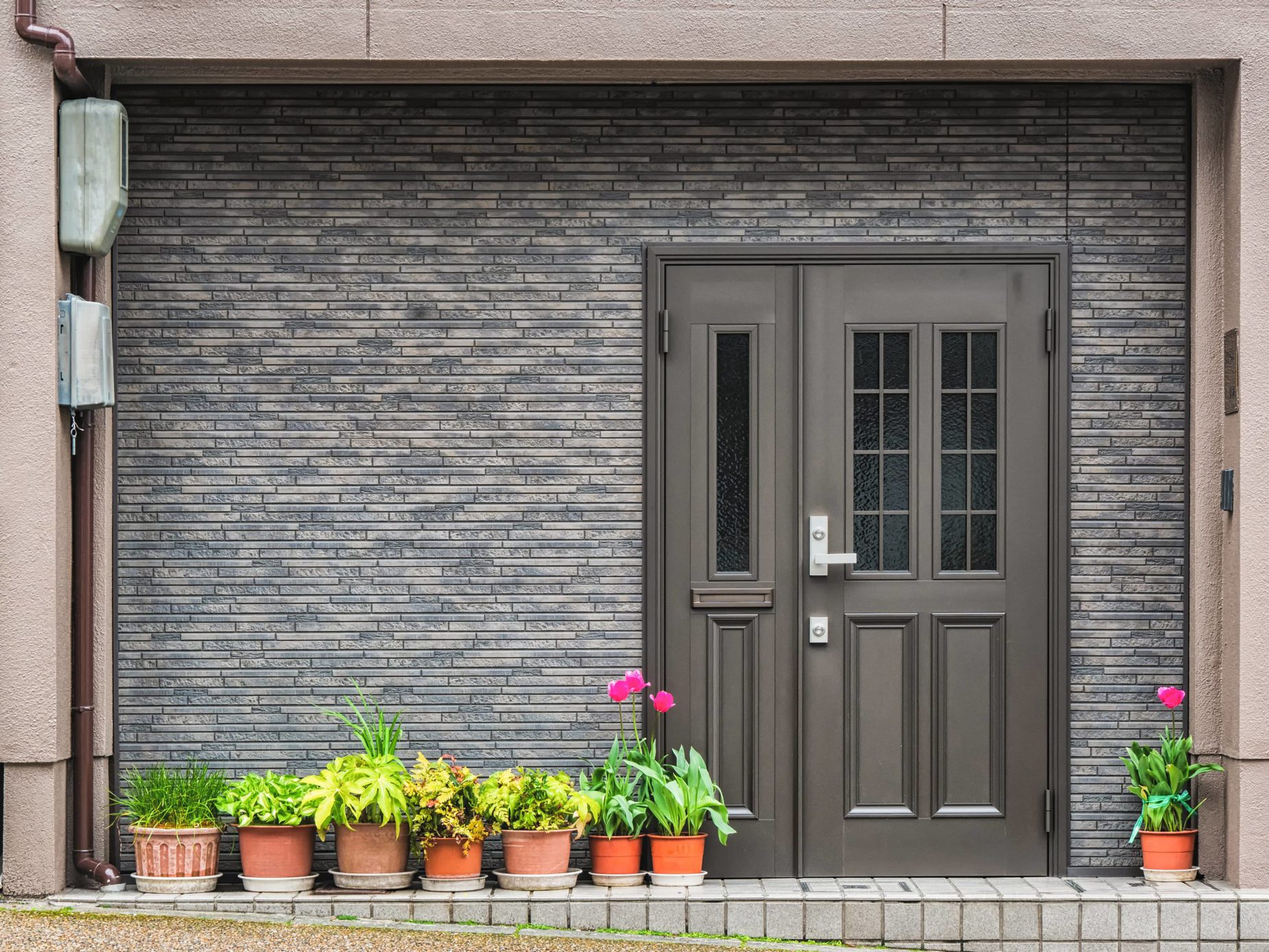
Fiberglass doors are weatherproof, durable, and long-lasting, which means you can expect to keep them for a long time—often 20-30 years with proper maintenance. What happens when you’re ready to revamp your home’s exterior or refresh faded color though? Can you paint a fiberglass door to match your Maryland, Virginia, or D.C. home’s new color scheme?
The answer is yes — if you choose the right paint and follow proper preparation steps, you can give your doorway a new lease of life. Whether you’re updating curb appeal before selling, coordinating with new siding, or simply refreshing weathered finishes, painting fiberglass doors is a cost-effective alternative to full door replacement. This guide walks you through the complete process, from selecting the right paint to achieving a professional, long-lasting finish.
Why Paint a Fiberglass Door?
Painting vinyl isn’t always necessary. The material is so popular for doors and window frames because it already has good moisture resistance. Paint can help protect the door from weather damage, however, and make an old door look fresh and new once more, especially after years of exposure to Mid-Atlantic weather extremes.
Common Reasons to Paint Fiberglass Doors:
- Faded Finish: UV exposure from sun causes color deterioration over 5-10 years
- Curb Appeal Update: Coordinate door color with home exterior renovations
- Prepare for Sale: Fresh paint increases home value and buyer appeal
- Weather Protection: Additional coating protects against Maryland humidity and temperature swings
- Personal Style: Change color to reflect updated design preferences
- Minor Damage Coverage: Paint can cover small scratches or discoloration
Fiberglass doors are already energy-efficient and can be expected to last longer than a wooden door, making them a popular choice among homeowners. They’re unlikely to pit, split, or rot in the way wooden doors might. Fiberglass entry doors achieve R-values of 5.6 to 7.1, making them 2-3 times more energy-efficient than wood doors according to Department of Energy data. This superior insulation performance remains intact even after repainting, provided you use appropriate products.
Best Paint Types for Fiberglass Doors
Use acrylic, polyester, polyurethane, or epoxy resin paint on your fiberglass door for optimal adhesion and durability. The type of paint you select significantly impacts how long your finish lasts and how well it withstands Mid-Atlantic weather conditions.
Recommended Paint Types:
- 100% Acrylic Latex Paint (Best Overall)
- Superior flexibility prevents cracking as door expands/contracts with temperature
- Excellent UV resistance for sun-exposed entryways
- Cleans up with water, easier application
- Dries in 2-4 hours between coats
- Expected lifespan: 7-10 years in Mid-Atlantic climate
- Acrylic Polyurethane (Most Durable)
- Provides hard, scratch-resistant finish
- Best for high-traffic entryways
- Superior moisture resistance for humid Maryland summers
- Resists fading better than standard acrylics
- Expected lifespan: 10-15 years
- Exterior-Grade Acrylic Enamel
- Offers semi-gloss or gloss finish
- Easy to clean (ideal for homes with children)
- Good adhesion to smooth fiberglass surfaces
- Weather-resistant formulation
- Epoxy-Based Paint (Professional Grade)
- Industrial-strength adhesion
- Excellent chemical and moisture resistance
- Requires proper ventilation during application
- Best for doors exposed to extreme weather
Try to pick a paint that matches the type of fiberglass for the best results. Smooth fiberglass surfaces accept paint differently than textured wood-grain fiberglass. Do not use oil-based paints because these can damage the door by preventing proper adhesion and causing the finish to peel prematurely. Oil-based paints also yellow over time and don’t flex with fiberglass expansion.
Paint Finishes Explained: Fiberglass-friendly paints are often available in matte, neutral, and gloss finishes. Which of these you choose is a matter of personal preference and your home’s architectural style:
- Flat/Matte: Hides surface imperfections but harder to clean
- Satin: Most popular for entry doors, balances appearance and cleanability
- Semi-Gloss: Easy to clean, good for high-traffic areas
- Gloss: Maximum shine and durability but shows every imperfection
For Mid-Atlantic homes, satin or semi-gloss finishes work best—they resist moisture while providing easy cleaning after winter salt and summer pollen exposure.
Step-by-Step: How to Paint a Fiberglass Door
Choose a pleasant day to start work on the door when temperatures are between 50-85°F with low humidity. You’ll need to remove the door from the hinges, so it’s best to do so when the weather is mild and you don’t feel rushed. Avoid painting in direct sunlight, during rain, or when overnight temperatures will drop below 50°F.
Materials You’ll Need:
- 120-grit and 220-grit sandpaper
- TSP (trisodium phosphate) cleaner or degreaser
- High-quality synthetic brushes or foam rollers
- Painter’s tape and drop cloths
- Primer designed for fiberglass (if needed)
- Exterior acrylic latex paint
- Paint tray
- Clean, lint-free cloths
Preparation Steps:
Step 1: Remove Hardware and Door Take the door off the hinges and lay it flat on a work surface like sawhorses or a sturdy table. Remove all hardware including handles, locks, hinges, and house numbers. Cover any glass panels with painter’s tape and plastic sheeting.
Step 2: Clean Thoroughly Clean the entire door surface with TSP cleaner to remove dirt, grease, mildew, and any chalk residue from previous paint. This step is critical—paint won’t adhere properly to dirty surfaces. Rinse thoroughly with clean water and allow to dry completely (4-6 hours in humid Mid-Atlantic conditions).
Step 3: Sand the Surface Lightly sand the entire door with 220-grit sandpaper to roughen the glossy factory finish. This creates “tooth” for paint adhesion. Sand in the direction of any wood grain texture if your door has that design. Wipe away all sanding dust with a tack cloth or damp rag.
Step 4: Apply Primer (If Needed) If your door has a dark factory color and you’re painting it a lighter shade, apply one coat of exterior bonding primer designed for smooth surfaces. Most fiberglass doors with light-to-light or dark-to-dark color changes can skip primer. Let primer dry according to manufacturer instructions (typically 2-4 hours).
Step 5: Paint Application
To achieve a smooth finish when painting the door, dip the paintbrush into the paint and wipe any excess paint off on the lip of the tray. Paint in smooth strokes, always moving the paintbrush in the same direction to avoid brush marks. Start with recessed panel areas, then move to raised panels, and finish with the frame/stiles.
Application Tips:
- Apply thin, even coats rather than one thick coat
- Work in sections from top to bottom
- Maintain a “wet edge” to prevent lap marks
- If using a roller, use a 4-inch foam roller for smooth surfaces
- For textured wood-grain doors, brush with the grain direction
Step 6: Multiple Coats Apply 2-3 thin coats for complete, even coverage. Allow each coat to dry completely between applications:
- First coat: 4-6 hours drying time
- Second coat: 4-6 hours drying time
- Final cure time: 24-48 hours before rehanging
Mid-Atlantic humidity can extend drying times—don’t rush the process or paint may remain tacky.
Step 7: Reinstall Once the door has dried completely for at least 48 hours, remove any masking tape and refit the door into the opening. Reinstall all hardware, ensuring locksets and hinges operate smoothly. Wait an additional 7 days before cleaning the door surface to allow paint to fully cure.
Common Mistakes to Avoid
Skipping Surface Preparation Failing to clean and sand properly causes paint adhesion failure within months. Mid-Atlantic pollen, humidity, and pollution create surface contaminants that must be removed.
Using Wrong Paint Type Interior paint, oil-based paint, or non-exterior formulations will fail quickly on exterior doors exposed to weather. Always use 100% acrylic latex exterior paint.
Painting in Poor Conditions Temperature and humidity dramatically affect results. Avoid painting when:
- Temperature below 50°F or above 85°F
- Humidity above 70%
- Direct sun hitting door surface
- Rain expected within 24 hours
Applying Thick Coats One thick coat dries unevenly, sags, and shows brush marks. Two to three thin coats provide superior coverage and durability.
Not Allowing Proper Dry Time Rehanging a door before paint fully cures causes sticking, marking, and finish damage. Wait the full 48 hours minimum.
Maintaining Your Painted Fiberglass Door
Painting a fiberglass door can help it to stay great-looking and prolong the overall life of the door when combined with regular maintenance. Proper care extends paint life and keeps your entry looking fresh:
Annual Maintenance:
- Wash door with mild soap and water every spring and fall
- Inspect for chips, scratches, or fading
- Touch up minor damage immediately to prevent moisture intrusion
- Clean weatherstripping and adjust as needed
Every 5-7 Years:
- Lightly sand and repaint as needed when finish shows wear
- Inspect door operation and hardware function
- Check threshold and door seal integrity
For Maryland and Virginia homeowners, doors facing south or west require more frequent maintenance due to increased UV exposure. Consider awnings or storm doors for additional protection on severely exposed entries.
When to Replace Instead of Repaint
While painting extends door life, some situations warrant full door replacement instead:
Replacement Indicators:
- Door is over 20 years old with failing seal/weatherstripping
- Visible cracks or structural damage to fiberglass
- Warping that prevents proper closure
- Failed insulation (feel temperature difference through door)
- Outdated single-pane or damaged glass panels
- Hardware mounting points stripped or damaged
- Water damage to frame or threshold
Modern ENERGY STAR® certified fiberglass doors from Thompson Creek offer superior energy efficiency compared to doors manufactured 15-20 years ago. If your door was installed before 2010, replacement may provide better ROI than repainting through energy savings alone.
Fiberglass vs. Other Door Materials
Understanding how fiberglass compares to other materials helps you make informed decisions about painting versus replacing:
Fiberglass Advantages:
- Can be painted or stained multiple times
- Doesn’t rot, warp, or split like wood
- More dent-resistant than steel
- Better insulation than wood or steel
- Low maintenance requirements
- Mimics wood grain appearance
Steel vs. Fiberglass: Steel doors dent more easily and show rust if paint chips. Steel requires immediate touch-up of any scratches to prevent corrosion—particularly important in humid Mid-Atlantic climate.
Wood vs. Fiberglass: Wood doors require repainting every 3-5 years versus 7-10 years for fiberglass. Wood also expands/contracts with humidity, causing paint cracking and seal failure.
Why Choose Thompson Creek for Your Entry Door Needs
If your painting project reveals deeper issues or you’re ready to upgrade to a maintenance-free solution, Thompson Creek has served Maryland, Virginia, and D.C. homeowners since 1980 with custom-manufactured entry doors. Our fiberglass entry doors come with factory-applied finishes engineered specifically for Mid-Atlantic weather extremes—no painting required for decades. Every door is custom-built in our Maryland facility for perfect fit and maximum energy efficiency, backed by our 50-year No-Hassle Warranty covering both product and installation. We offer 16 designer color options with UV-resistant finishes that maintain their appearance for 10-15 years without maintenance.
Ready to upgrade to a maintenance-free entry door? Schedule your free consultation today and discover why Mid-Atlantic homeowners have trusted Thompson Creek for over 40 years. Our custom-manufactured fiberglass and steel doors come with factory finishes, a 50-year warranty, and professional installation designed for Maryland, Virginia, and D.C. homes.