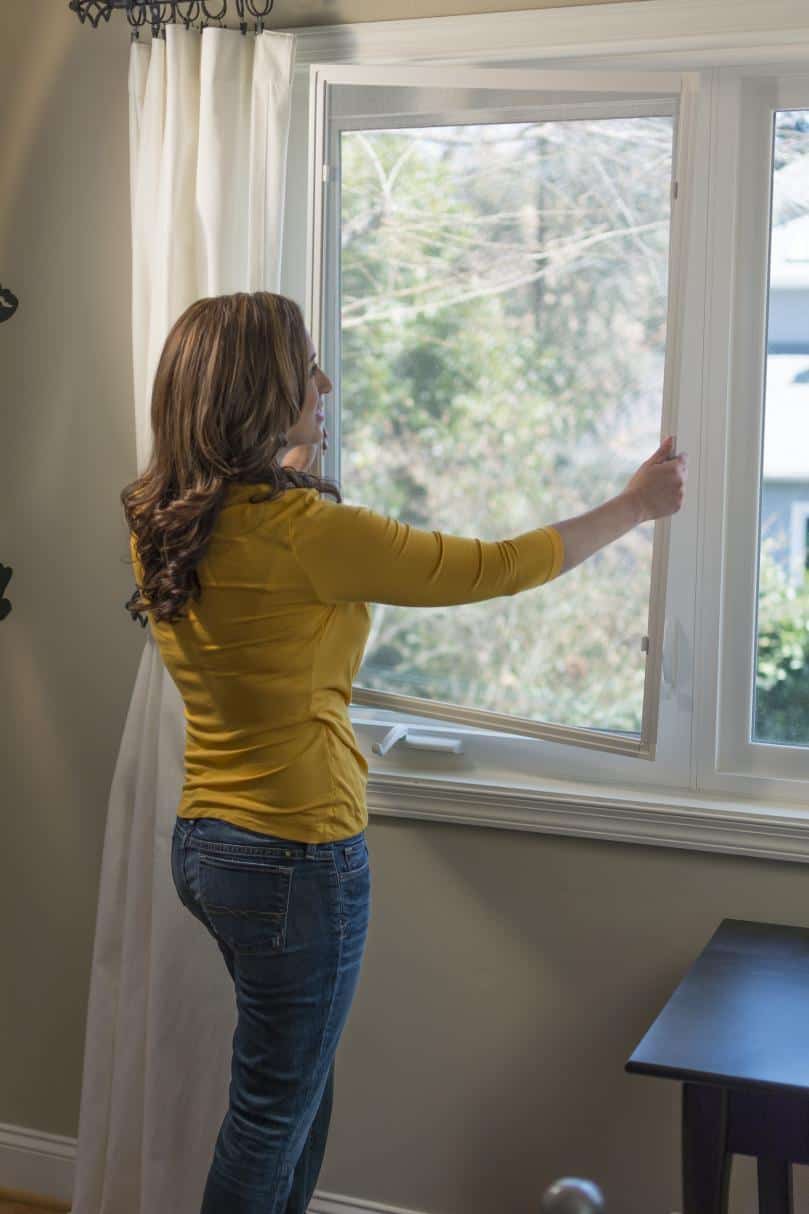
As autumn transitions to winter across Maryland, Virginia, and D.C., Mid-Atlantic homeowners face an important seasonal question: should I remove window screens in winter? The answer is yes—removing window screens before winter arrives offers significant benefits for energy efficiency, screen longevity, and home maintenance. Understanding when and how to properly remove, clean, and store your window screens protects your investment while maximizing your home’s comfort during the coldest months.
Winter window maintenance goes beyond simply weatherproofing your home. Proper window screen care prevents snow damage, increases natural light by up to 40%, and improves solar heat gain, helping you save money on heating costs throughout the season.
Why Remove Window Screens in Winter?
Improved Solar Heat Gain and Energy Savings
One of the most compelling reasons to remove window screens in winter is enhanced solar heat gain. Window screens block 30-40% of incoming sunlight, which is beneficial during hot summers but counterproductive in winter when you want maximum solar energy entering your home. Research from the Midcoast Green Collaborative found that rooms with screens removed measured up to 8 degrees warmer than those with screens in place during sunny winter days.
This increased natural heating reduces demand on your HVAC system, translating to lower energy bills throughout the winter months. For Mid-Atlantic homeowners relying on energy-efficient windows, removing screens maximizes the performance of your window investment.
Prevention of Snow and Ice Damage
While Maryland, Virginia, and D.C. don’t experience constant blizzards, winter storms do bring significant snowfall and ice accumulation. When screens remain on windows during storms, wind-driven snow gets trapped between the screen and window glass. This trapped moisture can:
- Damage screen mesh from snow weight
- Cause screen frames to warp or bow
- Promote rust and corrosion on metal components
- Lead to water infiltration damaging window sills and frames
- Create ice buildup that makes screens difficult to remove later
Removing screens before the first snowfall eliminates these risks entirely, protecting both your screens and window assemblies from costly winter damage.
Extended Screen Lifespan
Winter weather is harsh on window screens. High winds, temperature fluctuations, ice, and snow all accelerate screen deterioration. By removing screens for the approximately 4-5 months they’re not needed, you reduce exposure to damaging elements by nearly half each year. This simple winter window maintenance practice can extend screen lifespan by several years, delaying replacement costs.
Better Window Views and Natural Light
Dirty, weathered screens obstruct clear views and reduce natural light transmission—particularly problematic during winter when daylight hours are already limited. Removing screens provides unobstructed views of winter landscapes and allows maximum natural light to brighten your home’s interior. This increased natural light can improve mood and reduce seasonal affective disorder symptoms common during dark winter months.
When to Remove Window Screens
The ideal time for window screen removal is late autumn, after the last warm days but before the first hard freeze or snowfall. In the Mid-Atlantic region, this typically falls between mid-October and mid-November. Choose a pleasant day when temperatures are still moderate—typically 50-60°F—making the physical task more comfortable.
This timing allows you to:
- Clean screens before storage while weather is still mild
- Inspect windows and frames before winter arrives
- Address any maintenance issues before cold weather makes repairs difficult
- Complete the task before ice and snow make screen removal challenging
How to Properly Remove and Clean Window Screens
Step 1: Prepare Your Workspace
Before removing screens, gather necessary supplies:
- Mild dish soap or window screen cleaner
- Soft-bristle brush or sponge
- Garden hose with gentle spray nozzle
- Vacuum with brush attachment
- Masking tape and permanent marker for labeling
- Large towels or drop cloths for laying screens flat
Step 2: Remove Screens Carefully
Most double-hung and sliding window screens have tabs or clips that release when lifted or pressed. Casement windows typically have screens on the interior that simply lift out of their tracks. Remove screens gently to avoid bending frames or damaging the mesh. For screens you haven’t removed before, consult your window manufacturer’s instructions or refer to your window maintenance guide.
Step 3: Label Each Screen
Immediately after removing each screen, label it with masking tape indicating which window it belongs to (e.g., “Living Room South,” “Master Bedroom East”). This saves considerable time and frustration during spring reinstallation when you may not remember which screen fits which window.
Step 4: Vacuum Loose Debris
Lay each screen flat on a towel or drop cloth. Use a vacuum with a soft brush attachment to gently remove loose dirt, pollen, dead insects, and spider webs from both sides of the screen and frame. This preliminary step makes washing more effective.
Step 5: Wash Screens
Mix ¼ cup mild dish soap in a bucket with warm water. Using a garden hose, gently rinse both sides of the screen. Apply the soapy solution with a soft-bristle brush or sponge, scrubbing gently in circular motions. Pay special attention to frame corners where dirt accumulates. Rinse thoroughly with a gentle spray—never use a pressure washer, as high pressure can damage screen mesh or push it out of the frame.
Step 6: Inspect for Damage
While screens are clean and wet, examine them carefully for holes, tears, loose frames, or damaged hardware. Small tears can be repaired with screen repair kits available at hardware stores. Note any screens needing professional repair or replacement before spring.
Step 7: Dry Completely
Lean screens against a wall or fence to air dry completely before storage. Storing damp screens can promote mold growth and metal corrosion. Allow several hours for thorough drying, preferably in a sunny location.
Proper Window Screen Storage
Store clean, dry screens in a protected location where they won’t be damaged. Ideal storage locations include:
- Basements: Cool, dry basements work well if humidity is controlled
- Garages: Good option if stored away from high-traffic areas
- Storage sheds: Acceptable if weatherproof and temperature-controlled
- Attics: Suitable for lightweight screens if space is available
Storage Best Practices:
Store screens upright or flat—never lean them at angles that could bend frames. If storing flat, don’t stack more than 3-4 screens to avoid crushing bottom screens. Cover stored screens with plastic sheeting or old bedsheets to keep them clean and protected from dust. Ensure nothing sits on top of or leans against screens during storage, as this can bend frames or puncture mesh.
Position screens in low-traffic areas where they won’t be accidentally bumped, kicked, or knocked over. A dedicated storage rack or hanging system keeps screens organized and protected throughout winter.
Storm Windows: An Alternative for Single-Pane Windows
If your home still has single-pane windows, removing screens and installing storm windows is essential for winter comfort and energy efficiency. Storm windows create an insulating air pocket between the storm panel and your primary window, significantly reducing heat loss.
For Mid-Atlantic homeowners with older windows, this combination dramatically improves thermal performance. However, upgrading to modern double-pane windows provides superior insulation without the need for seasonal storm window installation. Thompson Creek’s custom-manufactured replacement windows exceed ENERGY STAR® 2022 criteria and offer year-round efficiency without the hassle of installing and removing storm panels.
Window Maintenance During Screen Removal
Removing screens provides the perfect opportunity to inspect and clean your windows before winter. While screens are off, take time to:
Clean Window Glass and Frames
Use a non-abrasive glass cleaner to wash interior and exterior window surfaces. Clean frames with mild soapy water, paying attention to corners and crevices where dirt accumulates. This not only improves appearance but also allows you to spot any developing problems.
Inspect Window Tracks and Sills
Vacuum window tracks thoroughly to remove accumulated debris, dead insects, and dust. Clean tracks with a damp cloth or small brush. Inspect sills for water damage, rot, or deterioration—common problems in the humid Mid-Atlantic climate.
Check Weatherstripping and Caulking
Examine weatherstripping around window sashes for wear, compression, or damage. Replace worn weatherstripping to maintain energy efficiency. Check exterior caulking for cracks, gaps, or separation from the frame. Recaulk as needed to prevent air and water infiltration during winter storms.
Test Window Operation
Open and close each window to ensure smooth operation. Difficulty opening or closing windows may indicate balance system problems, warped frames, or other issues requiring professional attention. Addressing these problems before winter ensures you can open windows for ventilation during milder winter days.
Lubricate Moving Parts
Apply silicone-based lubricant to window tracks, hinges, and locking mechanisms. This prevents sticking and freezing during cold weather while extending hardware lifespan.
Benefits of Winter Window Maintenance
Regular winter window maintenance, including proper screen removal and storage, provides multiple benefits:
Energy Cost Savings: Removing screens increases solar heat gain by up to 40%, reducing heating costs throughout winter. Combined with properly sealed, weather-resistant windows, this simple step maximizes your home’s energy efficiency.
Extended Screen Longevity: Protecting screens from harsh winter conditions extends their useful life by several years, delaying costly replacements.
Improved Home Comfort: Maximum natural light and solar heating make your home brighter and more comfortable during short winter days.
Early Problem Detection: Seasonal window inspection allows you to identify and address issues before they become expensive repairs. Catching problems like failing seals, damaged frames, or deteriorating caulking early prevents water damage and energy waste.
Easier Spring Cleaning: Starting spring with clean, stored screens means quick reinstallation when warm weather returns. You avoid the difficult task of cleaning screens covered in baked-on winter grime and pollen.
Frequently Asked Questions About Winter Window Screen Removal
Should I remove screens from casement windows?
Yes. Even though casement window screens are typically mounted on the interior, removing them for winter provides the same benefits—increased natural light, better solar heat gain, and extended screen life. Interior screens also trap condensation in winter, potentially promoting mold growth if left in place.
Can I leave screens on if I occasionally open windows in winter?
While you can leave screens in place if you open windows for ventilation, you’ll still lose the significant benefit of increased solar heat gain. The minimal airflow filtration screens provide isn’t worth the 30-40% reduction in natural light and heating. If you frequently open windows for fresh air, consider removing screens from south and east-facing windows where solar gain is highest, while leaving screens on north-facing windows that receive less direct sunlight.
How often should I clean window screens?
Clean window screens at least twice annually—once when removing them in fall and again before reinstalling in spring. For homes in high-pollen areas or near construction sites, mid-season cleaning may also be beneficial. Regular cleaning prevents dirt buildup that can damage mesh over time and maintains optimal light transmission.
What’s the best way to repair small holes in window screens?
Small holes (under 1 inch) can be repaired with screen repair patches available at hardware stores. Clean the area around the hole, cut a patch slightly larger than the damage, and press it firmly over the hole—adhesive patches stick without additional glue. For larger tears or frame damage, professional screen repair or replacement provides better long-term results.
Do modern windows still need screens removed in winter?
Yes. Even modern, energy-efficient replacement windows benefit from screen removal in winter. While contemporary windows provide excellent insulation, removing screens still increases solar heat gain by 30-40% and protects screens from winter weather damage. The practice remains valuable regardless of window age or type.
Why Choose Thompson Creek for Window Replacement
If your current windows require excessive seasonal maintenance or your screens and frames show significant wear, it may be time to consider modern replacement windows. Thompson Creek’s custom-manufactured windows are built in our Maryland facility specifically for Mid-Atlantic climate conditions. Our windows exceed ENERGY STAR® 2022 criteria and are tested to withstand winds up to 146 mph—essential protection for the region’s occasional severe weather.
Every Thompson Creek window comes with professional installation and our industry-leading 50-year No-Hassle Warranty, covering both product and labor. This complete accountability—design, manufacture, install, and service—ensures your windows perform optimally for decades. Our easy-to-remove screens feature durable frames and simple release mechanisms, making seasonal removal and reinstallation effortless.
Ready to upgrade to windows designed for easy maintenance and maximum efficiency? Schedule your free consultation with Thompson Creek today. Our window experts will assess your home’s specific needs and recommend the best solutions for your Mid-Atlantic property—backed by over 40 years of regional expertise and thousands of satisfied homeowners.