What is a Kitchen Window Backsplash?
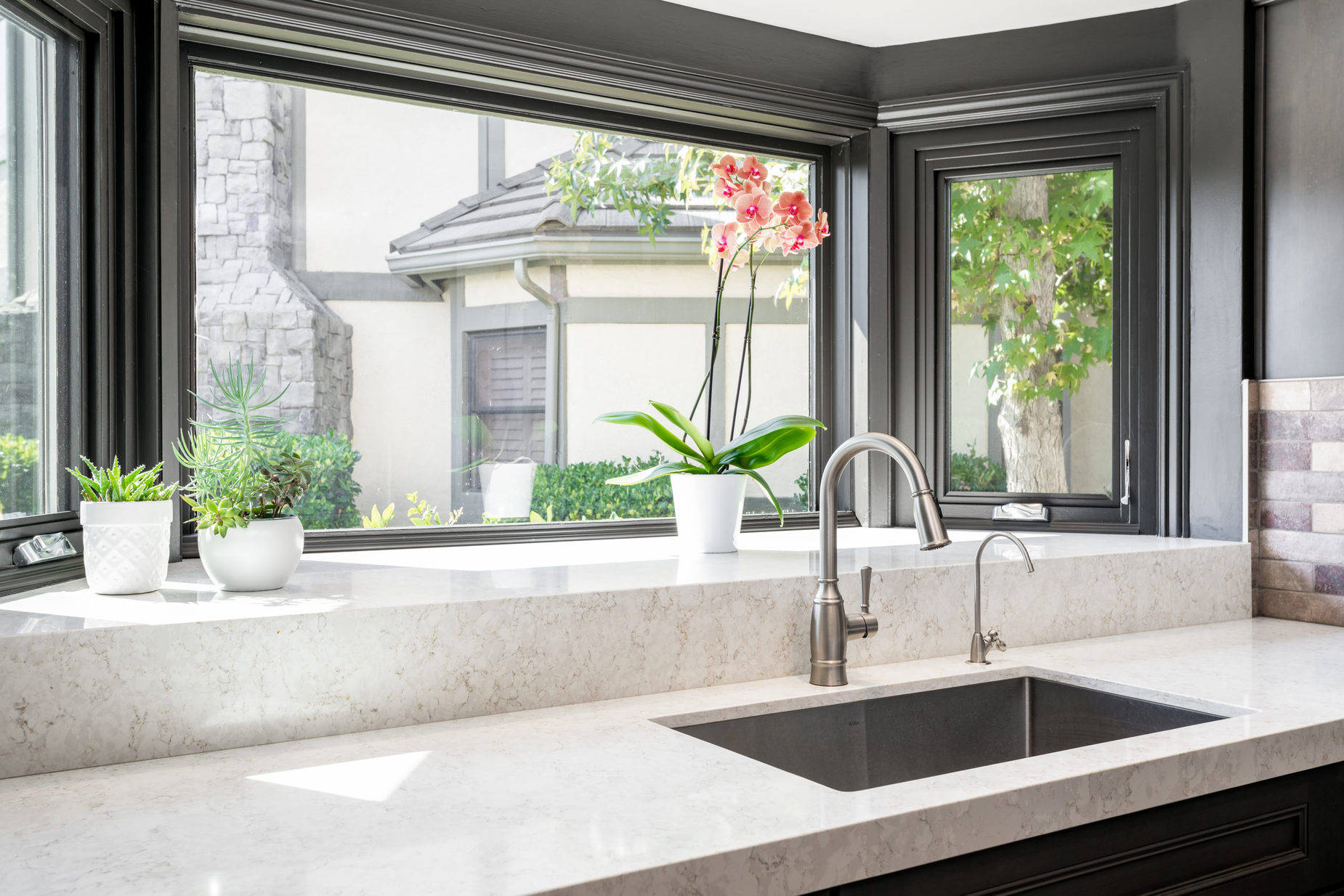
Simply put, a kitchen window backsplash is a window installed over a sink, stove, or countertop. The easy-to-clean glass surface endures excess splatter from cooking, and you get to brighten the kitchen with plenty of natural light.
A backsplash can be a fun way to customize your kitchen, but have you considered all the options? One upcoming trend is the window backsplash, which opens an entire world of design possibilities when remodeling your kitchen. Learn more about kitchen window backsplashes and some of their major benefits.
Simply put, a kitchen window backsplash is a window installed over a sink, stove, or countertop. The easy-to-clean glass surface endures excess splatter from cooking, and you get to brighten the kitchen with plenty of natural light. A window backsplash is a practical option when considering your kitchen’s layout.
Natural Light & Outdoor Views
A glass window backsplash offers many surprising benefits you might not have considered. There’s no such thing as too much natural light when designing home interiors; however, finding space for an extra window isn’t always easy. A kitchen window backsplash provides opportunities to get creative using windows of various shapes and sizes.
A glass window backsplash helps bring the outdoors inside, whether you want to watch the kids
Choosing the right backsplash for your kitchen renovation involves weighing aesthetic appeal against practical functionality. While traditional tile backsplashes remain popular, many Mid-Atlantic homeowners are discovering an innovative alternative: the kitchen window backsplash. This design choice transforms what would typically be wall space into a source of natural light, outdoor views, and improved ventilation.
A window backsplash can be particularly beneficial in the Mid-Atlantic region, where maximizing natural light during shorter winter days while providing ventilation during humid summers creates year-round comfort. Whether you’re considering a window above your sink or behind your stove, understanding the benefits and considerations helps you make an informed decision for your kitchen remodel.
What is a Kitchen Window Backsplash?
A kitchen window backsplash is a window installed in the space where traditional tile or stone backsplash would normally go—typically above countertops, sinks, or cooking areas. The glass surface serves dual purposes: protecting your walls from cooking splatter while flooding your kitchen with natural light. This design approach has gained popularity among homeowners seeking to create more open, connected kitchen spaces.
Unlike standard kitchen windows positioned higher on walls, a window backsplash sits at countertop level, creating a seamless transition between your indoor cooking space and outdoor environment. The easy-to-clean glass surface endures cooking splashes while providing unobstructed views of your yard, garden, or outdoor living areas.
Natural Light & Outdoor Views
One of the most compelling benefits of a glass window backsplash is the abundance of natural light it brings into your kitchen. Natural lighting reduces your reliance on artificial lighting during daytime hours, potentially lowering energy costs while creating a more inviting cooking environment. For kitchens facing north or those with limited window space, a window backsplash can dramatically transform the room’s brightness.
Beyond practical lighting benefits, window backsplashes create a stronger connection to the outdoors. Whether you want to watch children play in the backyard while preparing meals or simply enjoy changing seasonal views, this design choice brings the outside in. For parents, the ability to maintain visual supervision while working in the kitchen provides peace of mind during meal preparation and cleanup.
The visual expansion effect shouldn’t be underestimated—windows make kitchens feel larger and more spacious, particularly valuable in smaller Mid-Atlantic homes where maximizing perceived square footage matters.
Ventilation Benefits for Mid-Atlantic Kitchens
Kitchen ventilation becomes especially important during Maryland’s humid summers and when cooking aromatic or high-heat dishes. Positioning an operable window above your cooktop creates a natural ventilation system, releasing cooking smoke, steam, and strong odors directly outdoors. This passive ventilation strategy complements your range hood while reducing indoor air quality concerns.
Mid-Atlantic homeowners can benefit from cross-ventilation by strategically placing operable window backsplashes. Opening windows on opposite sides of your kitchen creates airflow that naturally cools the space during spring and fall, reducing air conditioning costs. For maximum ventilation, consider awning windows that can remain open even during light rain—a common occurrence in our region.
Window Backsplash Pros and Cons
Advantages
Enhanced Natural Light: Window backsplashes maximize daylight penetration, reducing the need for artificial lighting and creating brighter, more welcoming kitchens. This benefit is particularly valuable during shorter winter days in the Mid-Atlantic region.
Improved Ventilation: Operable windows provide natural airflow, helping to regulate kitchen temperature and remove cooking odors without relying solely on mechanical ventilation systems.
Outdoor Connection: The visual link to your yard or garden creates a more open, spacious feeling while allowing you to monitor outdoor activities from inside.
Easy Maintenance: Glass surfaces are easier to clean than textured tile backsplashes—a quick wipe removes most splatter and maintains crystal-clear views.
Energy Efficiency Potential: Modern energy-efficient windows with Low-E coatings and argon gas fills provide insulation while maximizing natural light, potentially reducing both heating and cooling costs.
Timeless Design: Unlike trendy tile patterns that may date your kitchen, windows offer enduring appeal that transcends changing design fads.
Considerations
Privacy Concerns: Windows facing neighboring properties or public areas may require window treatments, potentially limiting the open view benefits.
Increased Cleaning Requirements: While glass is easy to clean, window backsplashes require more frequent maintenance than tile to prevent visible water spots, grease buildup, and fingerprints.
Weather Exposure: Windows behind stoves must withstand heat exposure, while all window backsplashes need proper weatherproofing to prevent water infiltration during heavy Mid-Atlantic storms.
Higher Initial Investment: Custom-manufactured windows typically cost more than standard tile backsplashes, though long-term energy savings and home value increases may offset this difference.
Limited Installation Locations: Not every kitchen layout accommodates window backsplashes—exterior walls are required, and structural considerations may limit placement options.
Best Window Types for Kitchen Backsplashes
Not all windows work equally well as backsplashes. The ideal choice depends on your specific needs, climate considerations, and kitchen layout.
Awning Windows: These top-hinged windows open outward from the bottom, making them ideal for kitchen backsplashes. They can remain open during light rain—common in Maryland and Virginia—providing ventilation without water intrusion. Their design also creates natural protection against splashing from the sink directly below.
Casement Windows: Side-hinged casement windows offer maximum ventilation and unobstructed views when open. They seal tightly when closed, providing excellent energy efficiency—a crucial consideration for Mid-Atlantic temperature extremes. However, they require clear countertop space to operate without obstruction.
Picture Windows: Fixed picture windows maximize views and natural light without operational complexity. While they don’t provide ventilation, they’re the most energy-efficient option and work well when combined with other operable windows in the kitchen. Their large glass area creates the most dramatic visual impact.
Garden Windows: For homeowners who want both window benefits and functional space, garden windows project outward, creating shelf space perfect for herbs or decorative items while flooding the area with light from three sides.
Energy Efficiency Considerations
Energy efficiency is paramount when installing window backsplashes in the Mid-Atlantic climate, where homes face temperature extremes throughout the year. Windows lacking proper insulation can become significant sources of heat loss in winter and heat gain in summer.
Look for windows that exceed ENERGY STAR® certification criteria for the North-Central climate zone. Thompson Creek’s custom-manufactured windows are specifically designed for Mid-Atlantic conditions, featuring:
- Low-E Glass Coatings: These microscopic metallic layers reflect heat while allowing visible light through, keeping interiors cooler in summer and warmer in winter.
- Argon Gas Fills: Argon gas between double-pane glass provides superior insulation compared to standard air-filled windows, reducing energy transfer.
- Advanced Weather Seals: Proper sealing prevents air infiltration—crucial for windows exposed to cooking moisture and temperature fluctuations.
According to the Department of Energy, heat gain and loss through windows account for 25-30% of residential heating and cooling energy use. Energy-efficient replacement windows can reduce these costs significantly while improving indoor comfort.
Installation Considerations for the Mid-Atlantic
Professional installation is critical for window backsplashes, particularly given the unique challenges of Mid-Atlantic weather. Improper installation can lead to water infiltration, air leaks, and compromised structural integrity.
Weather Resistance: Thompson Creek’s windows are AAMA-tested to withstand winds up to 146 mph—essential protection during severe Mid-Atlantic storms and hurricanes that periodically impact our region.
Moisture Management: Proper flashing and weatherproofing prevent water intrusion around window frames, particularly important for windows above sinks where splashing occurs regularly.
Custom Fit: Factory-direct custom manufacturing ensures perfect fit for your specific opening dimensions, eliminating gaps that compromise energy efficiency and weather protection.
Structural Considerations: Window openings may require header reinforcement, particularly for larger windows or those installed where solid walls previously existed. Professional assessment ensures structural integrity.
Maintenance and Care
Maintaining crystal-clear window backsplashes requires more frequent attention than tile but remains straightforward with proper techniques.
Daily Maintenance: Wipe down glass surfaces after cooking to prevent grease buildup. A microfiber cloth dampened with warm water removes most splatter quickly.
Weekly Cleaning: Use standard glass cleaner or a vinegar-water solution for streak-free shine. Pay special attention to corners and edges where moisture accumulates.
Frame Care: Vinyl window frames require minimal maintenance—occasional washing with mild soap and water keeps them looking new. Unlike wood frames, vinyl never needs painting or staining.
Hardware Inspection: Check locks, hinges, and operators periodically to ensure smooth operation. Lubricate moving parts annually with silicone spray.
Cost and ROI Considerations
Kitchen window backsplashes represent a larger initial investment compared to traditional tile backsplashes, but multiple factors contribute to long-term value.
Initial Costs: Custom window backsplashes typically range from $800 to $3,000 per window, depending on size, style, and features. This compares to $600-$1,500 for comparable tile backsplash installations. However, energy-efficient window installation includes long-term savings that tile cannot provide.
Energy Savings: ENERGY STAR® certified windows can reduce heating and cooling costs by 12-15% annually in the Mid-Atlantic region, offsetting initial investment over time.
Home Value Impact: According to Remodeling Magazine’s Cost vs. Value Report, window replacement projects in the Mid-Atlantic region recoup approximately 72% of costs at resale. The unique appeal of window backsplashes may increase this return by enhancing both aesthetics and functionality.
Warranty Protection: Thompson Creek’s 50-year No-Hassle Warranty covers both products and installation, providing long-term value protection that standard tile installations don’t offer.
Frequently Asked Questions
Can you put a window where a backsplash is?
Yes, windows can replace traditional backsplashes on exterior kitchen walls. This requires professional assessment to ensure structural integrity, proper weatherproofing, and code compliance. The existing wall opening may need modification to accommodate window dimensions.
How do you clean a window backsplash?
Clean window backsplashes with standard glass cleaner or a vinegar-water solution and microfiber cloth. For greasy buildup, use warm soapy water first, then follow with glass cleaner for streak-free results. Clean weekly for best appearance, and wipe immediately after messy cooking tasks.
What windows are best for kitchens?
Awning windows are ideal for kitchen backsplashes because they open outward from the top, providing ventilation even during rain while preventing water intrusion. Casement windows offer maximum airflow, and picture windows maximize light without operational concerns. The best choice depends on your specific ventilation needs and available space.
Do window backsplashes add home value?
Window backsplashes can increase home value by improving natural light, creating outdoor connections, and showcasing quality custom windows. While specific ROI varies by market, energy-efficient window replacements in the Mid-Atlantic region typically recoup 70-75% of costs at resale, with unique features like window backsplashes potentially commanding premium interest.
Are window backsplashes safe behind stoves?
Window backsplashes can be safely installed behind stoves with proper planning. Maintain appropriate clearance between the window and cooking surface (minimum 18 inches recommended), ensure windows can withstand heat exposure, and consider heat-resistant glazing options. Consult local building codes for specific requirements.
Why Choose Thompson Creek for Your Kitchen Window Installation
For over 40 years, Thompson Creek has specialized in custom-manufactured windows designed specifically for Mid-Atlantic homes. Unlike mass-produced windows, our factory-direct approach ensures perfect fit, superior energy efficiency, and unmatched durability for Maryland, Virginia, and D.C. area kitchens.
Our windows exceed ENERGY STAR® 2022 certification criteria and are AAMA-tested to withstand 146 mph winds—essential protection for our region’s weather extremes. Every window is custom-built in our Maryland facility to your exact specifications, backed by our industry-leading 50-year No-Hassle Warranty that covers both products and professional installation.
Ready to transform your kitchen with custom window solutions? Schedule your free consultation today and discover why Mid-Atlantic homeowners have trusted Thompson Creek since 1980. Our expert design team will help you select the perfect windows for your kitchen’s unique layout, ensuring energy efficiency, weather protection, and timeless beauty that enhances your home for decades to come.