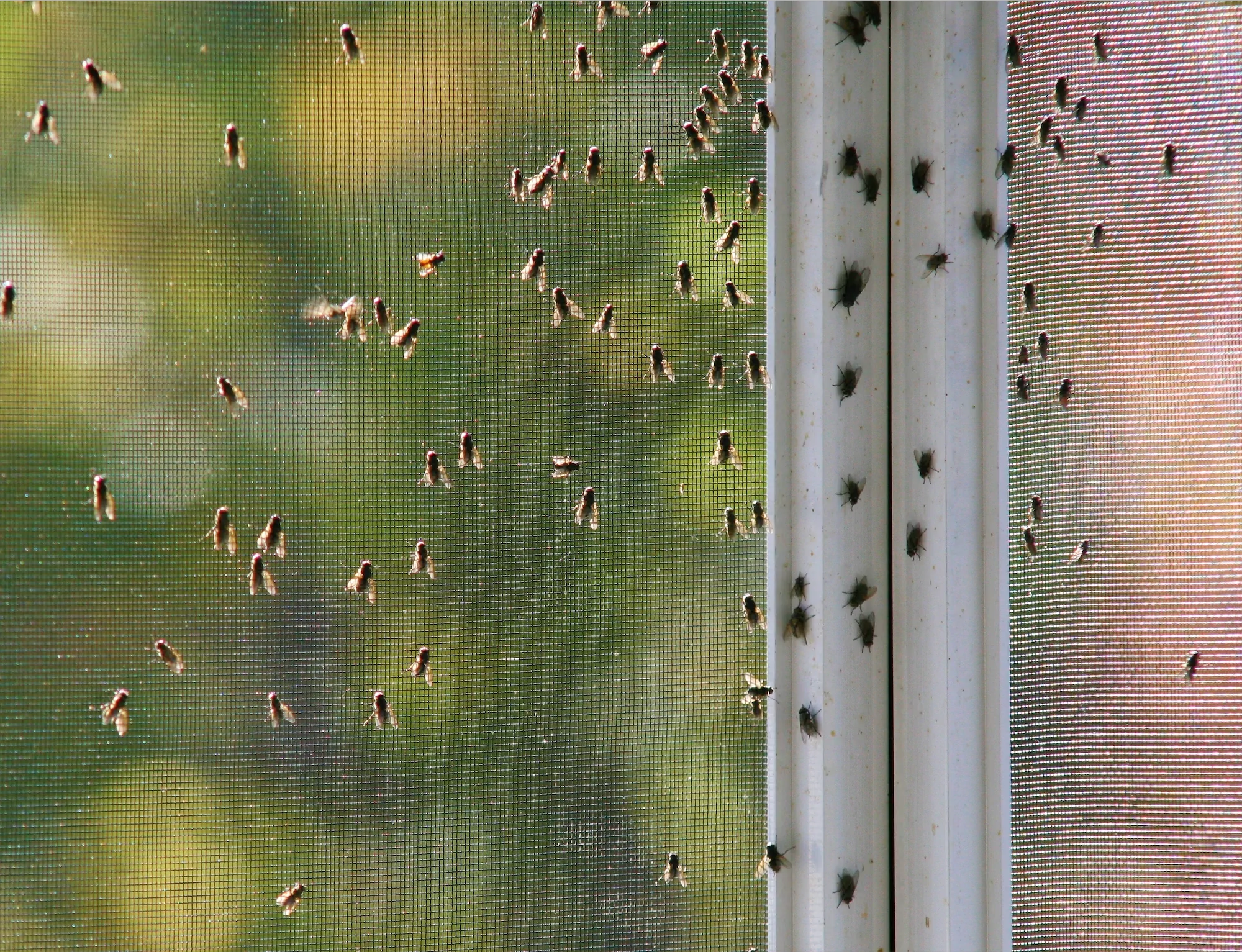
Noticing tiny flying insects around your kitchen or bathroom? You’re not alone. Thousands of Maryland homeowners deal with fruit fly and gnat infestations each year, especially during warmer months. These persistent pests often enter through improperly sealed windows and doors, then multiply rapidly once inside. The good news? With the right prevention strategies and home improvements, you can eliminate these nuisances for good.
Understanding where these pests enter your home is the first step toward permanent prevention. While DIY traps and sprays offer temporary relief, addressing the root cause through proper home sealing delivers lasting results.
Understanding Why You Have Fruit Flies and Gnats
Fruit flies and gnats aren’t just randomly appearing in your home. These insects actively seek out specific conditions that signal food, moisture, and easy entry points.
Common entry points include:
- Unsealed or damaged window screens with torn mesh or gaps
- Poorly installed windows with gaps in weatherstripping
- Door sweeps that don’t create a proper seal
- Foundation cracks near entry points
- Plumbing penetrations through exterior walls
According to ENERGY STAR® data, homes with improperly sealed windows experience up to 30% more pest intrusion compared to homes with professional installation. In the Mid-Atlantic region, where humidity levels fluctuate significantly, these gaps become even more problematic.
1. Set an Effective Fruit Fly Trap
A homemade trap remains one of the fastest ways to reduce visible fruit fly populations. This solution works while you address the underlying entry points.
To create an effective trap, you’ll need:
- 1/4 cup apple cider vinegar (the fermented smell attracts fruit flies)
- 2-3 drops of dish soap (breaks surface tension, preventing escape)
- 1 tablespoon sugar (enhances attraction)
- Small bowl or jar
Mix these ingredients thoroughly and place traps near problem areas like fruit bowls, trash cans, or kitchen drains. The vinegar’s fermentation scent mimics overripe fruit, drawing flies to the solution. The soap eliminates surface tension, causing flies to sink and drown. Replace traps every 2-3 days for maximum effectiveness.
For severe infestations affecting multiple rooms, place traps strategically in your kitchen, bathroom, and near houseplants. This multi-point approach catches flies regardless of their preferred breeding location.
2. Use a Targeted Gnat Spray
When fruit flies cluster in specific areas, a spray solution provides immediate knockdown. You can purchase commercial options or create an effective DIY alternative.
DIY spray ingredients:
- 1 cup warm water
- 1 tablespoon white vinegar
- 1 tablespoon baking soda
- 3-4 drops lemon-scented dish soap
Pour ingredients into a spray bottle and shake well before each use. The vinegar disrupts flies’ ability to navigate, while the soap suffocates them on contact. Spray directly onto flying insects or mist areas where they congregate, such as around drains, trash bins, and window sills.
For drain flies (a gnat variety), spray directly into sink and shower drains where they breed. Follow with hot water to flush away eggs and larvae.
3. Eliminate Attractants in Your Home
Fruit flies can complete their lifecycle in as little as 8-10 days, meaning a small problem becomes an infestation quickly. Breaking their breeding cycle requires removing attractants.
Primary attractants to address:
- Overripe or rotting fruit left on counters
- Uncovered trash bins, especially those containing food waste
- Recycling bins with unwashed containers
- Damp mop heads and sponges
- Overwatered houseplants with moist soil
- Pet food bowls left out overnight
- Spilled beverages in hard-to-clean areas
Store fruit in the refrigerator during peak fruit fly season (late summer through early fall in the Mid-Atlantic). Take trash out daily when dealing with an active infestation. For houseplants, allow the top inch of soil to dry between waterings, and consider adding a layer of sand to discourage egg-laying.
4. Deep Clean Kitchen and Bathroom Drains
Many homeowners don’t realize that drain flies breed directly in the biofilm inside pipes. These flies can produce 100+ eggs at a time in the organic matter lining your drains.
Proper drain cleaning method:
- Remove visible debris from drain openings
- Plug the drain and fill your sink with hot water
- Add 1/4 cup bleach per gallon of water
- Let sit for 5-10 minutes
- Release the drain, allowing the solution to flow through pipes
- Follow with boiling water to remove remaining biofilm
- Repeat weekly until flies disappear
For stubborn drain fly problems, use a pipe brush to physically scrub away biofilm after the bleach treatment. Focus on bathroom drains, which often harbor moisture-loving gnats, and kitchen sink disposals where food particles accumulate.
According to the Department of Energy, homes with proper ventilation (supported by energy-efficient windows that allow controlled airflow) experience 40% fewer moisture-related pest issues.
5. Fortify Your Windows and Doors Against Pest Entry
This is where temporary solutions end and permanent prevention begins. Most fruit flies and gnats enter through gaps in your home’s envelope, areas where amateur installation or age has compromised seals.
Critical sealing points:
- Window sash and frame connections
- Door threshold weatherstripping
- Corner joints in window frames
- Gaps between window frames and siding
- Door jamb spaces
Thompson Creek’s professional window installation process addresses each of these vulnerability points. Our factory-trained installers use multi-point sealing techniques that exceed ENERGY STAR® requirements, creating an airtight barrier against pests, drafts, and moisture.
The Window Replacement Advantage
Upgrading to properly installed replacement windows delivers benefits beyond pest prevention:
Energy savings: Homeowners report 25-40% reductions in utility bills after replacing poorly sealed windows Comfort improvement: Eliminate drafts and hot spots caused by air infiltration Noise reduction: Quality seals block up to 50% more exterior noise Home value: ENERGY STAR® certified windows increase resale value by an average of $8,000-$12,000
Our custom-manufactured windows come with weather-resistant seals designed specifically for Mid-Atlantic climate extremes. Each window is built to withstand winds up to 146 mph, tested by AAMA (American Architectural Manufacturers Association), and sealed with multi-chambered weatherstripping that pests simply cannot penetrate.
Seasonal Fruit Fly Prevention for Mid-Atlantic Homeowners
The Mid-Atlantic region experiences distinct seasonal pest patterns that homeowners in Maryland, Virginia, and DC should anticipate.
Spring (March-May): Warming temperatures bring the first fruit fly activity. Inspect window screens for winter damage and reseal any gaps that developed during freeze-thaw cycles.
Summer (June-August): Peak fruit fly season coincides with high humidity. Ensure all windows have intact screens and proper seals. This is ideal timing for home improvement projects before fall weather arrives.
Fall (September-November): Flies seek indoor warmth as temperatures drop. Check door sweeps and weather stripping on entries. Many Virginia window replacement projects occur during this mild weather window.
Winter (December-February): Reduced outdoor pest pressure, but indoor breeding continues in warm areas. Maintain proper humidity levels and ventilation to discourage drain flies.
FAQ: Common Fruit Fly and Gnat Questions
How do fruit flies get in the house with closed windows? Fruit flies can squeeze through gaps as small as 1/16 inch. Even closed windows with damaged weatherstripping or improper installation allow entry. Quality replacement entry doors and windows eliminate these microscopic gaps.
Will new windows keep bugs out of my house? Professionally installed windows with multi-point weatherstripping create an airtight seal that excludes insects, including tiny fruit flies. Thompson Creek’s installation process includes comprehensive sealing around the entire frame perimeter.
Where do fruit flies come from if there’s no fruit? Fruit flies breed in any organic matter, including drains, trash bins, mop buckets, and even pet bowls. They’re attracted to fermentation, not specifically fruit. However, they still require entry points like gaps in windows and doors.
Do storm doors help prevent gnats and fruit flies? Yes, storm doors create an additional barrier and vestibule that reduces pest entry. They’re particularly effective when combined with properly sealed primary doors.
How long do fruit flies live? Adult fruit flies live 40-50 days, but they begin laying eggs within 2 days of reaching maturity. Each female can lay 500 eggs, which is why small problems escalate quickly without proper prevention.
Why Choose Thompson Creek for Home Sealing Solutions
For over 40 years, Thompson Creek has helped Mid-Atlantic homeowners solve pest entry problems through superior window and door installation. Our approach addresses the root cause, not just the symptoms.
Our complete accountability model includes:
- Custom manufacturing in our 70,000 sq ft Maryland facility
- Factory-trained, in-house installation teams (no subcontractors)
- ENERGY STAR® certified products that exceed 2022 efficiency criteria
- 50-year No-Hassle Warranty covering both products and installation
- Professional weatherproofing that withstands 146 mph winds
When you choose Thompson Creek, you’re not just getting new windows or doors—you’re getting complete protection from pests, weather, and energy loss. Our team handles everything from initial design through final sealing, ensuring every vulnerable point is properly addressed.
Ready to eliminate fruit flies and gnats permanently? Schedule your free consultation today and discover why thousands of Mid-Atlantic homeowners trust Thompson Creek for lasting home improvements. Our custom-manufactured windows and doors come with a 50-year warranty and professional installation you can count on.