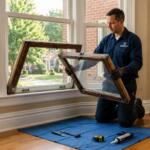
Mid-Atlantic homeowners know that clean windows make a big difference in home comfort and curb appeal. With fall settling in and winter approaching, now is the perfect time to tackle window sill and track cleaning before closing up your home for the cold season.
Regular window maintenance does more than improve your view. It protects your investment, prevents mold growth, and helps your windows operate smoothly. Whether you’re preparing for winter or simply refreshing your home, learning the best way to clean window sills and tracks will make the job easier and more effective.
Essential Supplies for Window Track Cleaning
Before you begin, gather these simple cleaning tools you likely already have at home:
- Distilled white vinegar
- Warm water
- Spray bottle
- Microfiber cloths or paper towels
- Old toothbrush or small scrub brush
- Q-tips or cotton swabs
- Vacuum with narrow attachment
- Baking soda (optional, for stubborn buildup)
This DIY approach is safe, affordable, and effective for vinyl, wood, and aluminum window frames common in Maryland, Virginia, and DC homes.
Tricks for Cleaning Window Tracks
Not sure how to clean window sills properly? With dirt, pollen, and debris accumulating throughout spring and summer, your window tracks need attention before winter. Here’s your step-by-step guide:
- Remove loose debris first: Use a vacuum with a narrow nozzle attachment to remove dust, dead insects, and loose dirt from window tracks. This prevents you from spreading debris around during wet cleaning.
- Check sills indoors and outdoors: The channel formed by your window tracks provides a space for debris build-ups like pollen, dirt, and moisture. In the Mid-Atlantic region, high humidity can cause these materials to compact stubbornly into hard-to-reach angles. Check all sills to see if they’re in need of cleaning.
- Prepare your cleaning solution: A one-to-three part solution of water and distilled white vinegar will do the trick. The gently acidic vinegar will loosen tough stains and dissolve mineral deposits without harsh chemicals. Mix the solution in a spray bottle for easy application.
- Apply and let it work: Spray the vinegar solution generously into the tracks. For particularly dirty windows, sprinkle a small amount of baking soda first, then spray with vinegar. The fizzing action helps lift stubborn gunk. Let it sit for 5-10 minutes.
- Scrub with precision tools: An old toothbrush dipped in vinegar is perfect for scrubbing tight corners and crevices. Q-tips work excellently for the tiniest spaces where dirt hides. Be thorough but careful not to let vinegar pool in corners or cracks, as standing liquid can damage seals.
- Wipe clean and dry: Use microfiber cloths or paper towels to wipe away loosened dirt and cleaning solution. Make sure tracks are completely dry to prevent water damage and mold growth.
Window Sill Cleaning Hacks
Maintaining clean window sills protects both your health and your home’s value. Follow these practical tips for the best results:
Test your window operation: Does your window close and lock securely without rattling? Loose or sticky windows can indicate worn components, debris buildup, or alignment issues. Clean tracks improve window operation and help maintain your home’s energy efficiency—especially important during Maryland and Virginia winters.
Improve indoor air quality: Window sills collect more than just dust. External sills accumulate residue from pollution, pollen, and vehicle exhaust—particularly common in urban areas like Washington DC, Baltimore, and Richmond. The EPA warns these pollutants can affect indoor air quality when they migrate into your home.
More visible than window tracks, sills should be wiped down and dusted regularly as part of routine cleaning. They’re also more prone to scratched or chipping paint, dents, and wear from daily use and weather exposure.
Choose safe cleaning solutions: If you have children or pets, you may wonder what to clean window sills with safely. A diluted vinegar solution (3 parts warm water to 1 part distilled white vinegar) poured into a spray bottle is easy to apply, affordable, safe, and highly effective. This natural solution works on vinyl, painted wood, and aluminum frames without releasing harmful fumes.
Address mold immediately: The Mid-Atlantic’s humid climate creates ideal conditions for window sill mold growth, especially during summer months. If you spot black or green discoloration, address it quickly. Spray the affected area with your vinegar solution or a mixture of water with 10 drops of tea tree oil. Let it sit for 15 minutes, scrub with a toothbrush, then wipe clean.
Prevent future mold: After cleaning, ensure proper ventilation around windows. Reduce condensation by using exhaust fans in bathrooms and kitchens. Consider running a dehumidifier during humid summer months to keep moisture levels in check.
How to Clean Window Sills with Damage
Inspect your window sills carefully during cleaning. If the paint isn’t as smooth as it once was, consider a touch-up before winter arrives. The appropriate-color interior paint topped off with proper sealant will make wiping, dusting, and cleaning window sills easier over time. It also protects the wood from moisture damage.
Watch for these warning signs during cleaning:
- Deep cracks or grooves: These may indicate wood rot beneath the surface
- Soft or spongy areas: A sign of advanced water damage
- Persistent mold that returns quickly: Suggests moisture intrusion
- Difficulty opening or closing: May indicate frame warping
- Visible gaps between frame and wall: Can lead to energy loss and water infiltration
By the time you see significant damage to your windowsill, issues like wood rot could be advanced on the interior of the window frame. The US Department of Energy recommends installing or upgrading to modern, well-maintained windows to help keep you warm and comfortable year-round.
When Cleaning Isn’t Enough: Signs You Need Window Replacement
If you notice any of these issues during your cleaning routine, it might be time to consider replacement windows:
- Condensation between double panes (broken seals)
- Drafts even when windows are closed
- Difficult or impossible to open and close
- Warped or rotting frames
- Significantly higher energy bills
- Excessive outside noise penetrating your home
Modern, energy-efficient replacement windows can dramatically reduce these problems. ENERGY STAR® certified windows, like those custom-manufactured by Thompson Creek, are specifically designed to withstand Mid-Atlantic weather conditions—from humid summers to freezing winters.
Mid-Atlantic Climate Considerations
Homeowners in Maryland, Virginia, and DC face unique window maintenance challenges throughout the year:
Spring: Heavy pollen from trees and plants coats window sills and tracks. Clean monthly during peak pollen season (typically April through June).
Summer: High humidity creates ideal conditions for mold and mildew growth. Increased condensation on windows can lead to water pooling in tracks. Clean every 4-6 weeks and monitor for mold.
Fall: Falling leaves and autumn debris accumulate quickly. This is your last chance to deep clean before winter. Remove all organic matter to prevent rot.
Winter: Freezing temperatures can cause condensation and ice buildup on older windows. Limited cleaning opportunities make pre-winter preparation essential.
A quick and thorough cleaning of your window tracks and sills this month will prepare your home for winter and ensure your windows are ready to seal out the cold.
Professional Window Maintenance Tips
For homeowners who want to extend the life of their windows:
Regular cleaning schedule: Clean tracks and sills every 3-6 months, or more frequently if you live near busy roads, construction sites, or areas with high pollen counts.
Lubricate moving parts: After cleaning, apply a small amount of silicone lubricant to vinyl tracks. For wood windows, use appropriate wax. This helps windows operate smoothly and prevents wear.
Inspect seals and weatherstripping: Check for cracks, gaps, or deterioration. Replace weatherstripping as needed to maintain energy efficiency.
Document problem areas: Take photos of any damage you discover. This information helps when consulting with window replacement professionals.
Consider professional assessment: If your windows are more than 15-20 years old or showing multiple signs of wear, schedule a free consultation to evaluate replacement options.
Frequently Asked Questions
How often should I clean my window sills and tracks?
For most Mid-Atlantic homes, cleaning every 3-6 months is sufficient. However, homes near busy streets, in high-pollen areas, or with allergy sufferers should clean monthly during peak seasons.
Can I use bleach to clean window tracks?
While bleach kills mold effectively, it can damage window seals, discolor frames, and create harmful fumes. Vinegar or tea tree oil solutions are safer alternatives that work just as well.
Why do my window sills get dirty so quickly?
Window sills act as collection points for airborne particles. Homes in the Washington DC metropolitan area face higher pollution levels, while suburban Maryland and Virginia properties deal with more pollen and natural debris.
Will cleaning improve my windows’ energy efficiency?
Clean windows operate more smoothly and seal better. However, if your windows are old or damaged, cleaning alone won’t restore lost energy efficiency. Modern replacement windows offer significantly better insulation and can reduce energy bills by up to 30%.
What’s the best way to prevent window sill mold?
Control humidity levels (aim for 30-50%), ensure proper ventilation, promptly repair any leaks, and clean regularly. If mold persists despite these efforts, it may indicate a moisture intrusion problem requiring professional attention.
How do I know if damage is superficial or serious?
Surface scratches and minor paint chips are cosmetic. Deep cracks, soft spots, persistent mold, or difficulty operating windows indicate structural issues. When in doubt, have a professional assess the damage.
Why Choose Thompson Creek for Window Maintenance and Replacement
When cleaning reveals that your windows need more than soap and water, Thompson Creek offers solutions backed by over 40 years of Mid-Atlantic expertise. Our custom-manufactured windows are built specifically for the region’s challenging climate, from summer humidity to winter freeze-thaw cycles. Every window comes with our industry-leading 50-year No-Hassle Warranty, professional installation by our expert crews, and ENERGY STAR® certification for maximum energy savings.
Ready to upgrade your windows? Schedule your free consultation today and discover why Mid-Atlantic homeowners have trusted Thompson Creek since 1980. Our custom-manufactured windows are built in our Maryland facility, installed by our professional crews, and backed by our 50-year warranty—giving you complete accountability from design through decades of reliable performance.