Summer brings warm weather and outdoor fun to the Mid-Atlantic region, but it also brings an unwelcome visitor to many homes: window condensation. If you’ve noticed your windows fogging up during humid weather, you’re not alone. Understanding what causes summer window condensation and how to address it can help protect your home and improve your comfort.
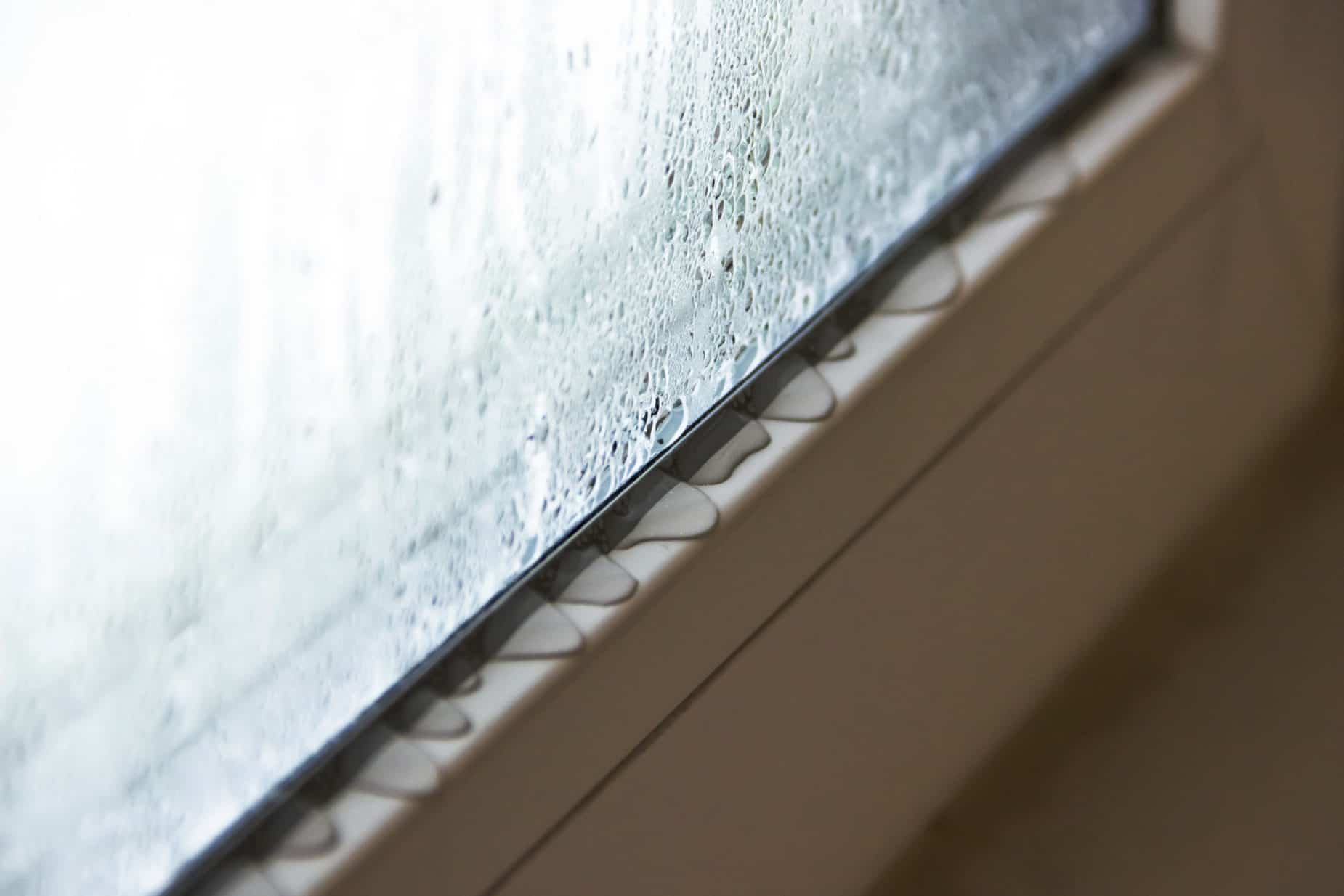
Window condensation occurs when water vapor in the air transforms into liquid droplets upon contact with a cool surface. Think of a cold glass of iced tea on a hot day—those water droplets forming on the outside are condensation. The same process happens on your windows when warm, humid air meets the cooler glass surface.
What Causes Window Condensation in Summer?
During summer months in Maryland, Virginia, and Washington D.C., the combination of high outdoor humidity and air conditioning creates ideal conditions for window condensation. When you run your AC, the interior side of your window glass becomes cooler than the surrounding air. As humid indoor air contacts this cool surface, moisture liquefies and forms those familiar water droplets.
The primary culprit behind summer window condensation is excessively high indoor humidity levels. According to the Environmental Protection Agency, when outdoor temperatures reach 20°F or higher, indoor humidity should stay around 30-35%. Levels significantly higher than this can lead to several problems beyond foggy windows. Excess moisture creates an environment where mold thrives, potentially causing respiratory issues and damaging walls, flooring, and even household wiring.
Understanding where your home’s humidity comes from helps you control it. Daily activities contribute significant moisture to indoor air—a family of four adds about half a pint of water to the air each hour through normal breathing and perspiration. Cooking can add another four to five pints. Long showers, washing dishes, running the dishwasher, and even houseplants all increase indoor humidity levels.
Where Is the Condensation Forming?
Location matters when diagnosing window condensation. Condensation appearing in different places indicates different issues requiring different solutions.
Interior Surface Condensation When condensation forms on the inside of your windows facing your living space, high indoor humidity is the likely cause. This is the most common type of summer condensation and typically indicates your home needs better moisture control. While annoying, this type of condensation responds well to the humidity-reduction strategies outlined below.
Exterior Surface Condensation Condensation on the outside of your windows is actually a sign your energy-efficient windows are working properly. This happens most often in early morning hours when cool nights are followed by warm, humid days. Your well-insulated windows keep the exterior glass surface cooler than the surrounding air. As the sun rises and warms the glass, this exterior condensation naturally evaporates. This type of condensation requires no action on your part.
Between-Pane Condensation Condensation or fogging trapped between the panes of double-hung windows or other multi-pane windows signals a serious problem. This indicates seal failure—the protective seal between the glass layers has developed a crack or gap, allowing moisture to enter the insulated space. The insulating gas that improves your window’s energy efficiency has likely leaked out. Unfortunately, this condensation won’t clear up on its own, and the window’s energy performance is compromised. This situation calls for window replacement.
How to Reduce Summer Window Condensation
Managing indoor humidity effectively eliminates most interior window condensation. Several straightforward strategies work together to keep moisture levels in check.
Use Dehumidifiers A portable dehumidifier works well for problem areas like basements or bathrooms. For comprehensive moisture control, consider a whole-house dehumidifier integrated with your HVAC system. These units automatically maintain ideal humidity levels throughout your home. Empty the water collection reservoir regularly to maintain efficiency.
Improve Ventilation Proper ventilation removes moisture at its source. Run bathroom exhaust fans during showers and for 15-20 minutes afterward. Kitchen exhaust fans should vent to the outside (not recirculate) and run whenever you’re cooking. On mild summer evenings when outdoor humidity is lower, open windows briefly to exchange humid indoor air with drier outdoor air.
Strategic AC Use Your air conditioning system naturally removes some moisture from indoor air as it cools. However, setting your thermostat too low can cause excessive condensation. Raising your AC temperature a few degrees reduces the temperature difference between your window glass and indoor air, minimizing condensation while still maintaining comfort.
Address Moisture Sources Take shorter, cooler showers to reduce bathroom humidity. Use pot lids while cooking to contain moisture. Ensure your clothes dryer vents to the outside—never into your home. Limit houseplants in rooms where condensation is a problem, as they release moisture through transpiration. Fix any plumbing leaks promptly.
Maintain Your Home Clean out attic vents to ensure proper air circulation. Consider waterproofing basement floors and walls if you notice dampness. Check that crawl space vents are functioning properly. These measures prevent moisture from entering your home in the first place.
Understanding Old vs. New Windows and Condensation
Some homeowners notice more condensation after installing new windows and wonder if their old windows were actually better. The reality is quite different. Old, drafty windows allowed constant air leakage, letting humid indoor air escape (along with your heating and cooling dollars). This continuous air exchange masked the humidity problem by essentially turning your entire home into a poorly controlled ventilation system.
Modern energy-efficient replacement windows create an effective seal, which is excellent for energy savings but means you need to actively manage indoor humidity. This is actually a sign your new windows are performing as designed—keeping conditioned air inside where it belongs.
Thompson Creek’s ENERGY STAR® certified windows exceed current performance standards for the Mid-Atlantic climate zone. Our custom-manufactured windows feature Low-E coatings that help regulate heat transfer, and our professional installation ensures proper sealing. These windows can actually help reduce condensation compared to poorly installed or low-quality alternatives.
Mid-Atlantic Climate Considerations
The Mid-Atlantic region presents unique challenges for homeowners managing window condensation. Maryland, Virginia, and D.C. experience high summer humidity—often 70-75% outdoors—combined with intense heat that keeps air conditioning running constantly. Coastal areas near the Chesapeake Bay face even higher humidity levels.
Recent climate data shows the region experiencing longer, more humid summers, with the moisture season now extending from late May through early October. This extended period puts increased stress on both your windows and your HVAC system. Understanding these regional factors helps you implement the right solutions for your specific situation.
Signs Your Windows Need Replacement
While most summer condensation results from high indoor humidity, persistent problems may indicate failing windows. Watch for these warning signs that suggest it’s time for window replacement:
- Condensation between window panes that never clears
- Visible cracks or gaps in window seals
- Difficulty opening or closing windows
- Drafts around window frames even when closed
- Significantly higher energy bills despite normal usage
- Warped or damaged window frames
- Windows that are more than 15-20 years old
If you experience any of these issues alongside summer condensation, the problem likely lies with the windows themselves rather than just indoor humidity.
FAQ: Summer Window Condensation
Is condensation on windows a sign of poor ventilation? Interior surface condensation often indicates inadequate ventilation combined with high humidity. Improving air circulation through exhaust fans, opening windows strategically, and ensuring proper attic ventilation helps address this issue.
Can window condensation damage my home? Yes, if left unchecked. Persistent moisture can damage window sills, frames, and surrounding walls. It can also promote mold growth, which affects both your home’s structure and your family’s health. Addressing the root cause—high humidity—prevents this damage.
Do energy-efficient windows cause more condensation? Energy-efficient windows don’t cause condensation, but they make existing humidity problems more visible. Old, leaky windows allowed humid air to escape constantly. New, properly sealed windows reveal humidity levels that were always present but previously hidden.
How do I know if condensation is between my window panes? Between-pane condensation appears as fog or moisture that you cannot wipe away from either the inside or outside of the window. This indicates seal failure and requires window replacement to restore energy efficiency.
What humidity level should I maintain in summer? For Mid-Atlantic summers, maintain indoor humidity between 30-50%. Use a hygrometer (available at hardware stores) to monitor levels. If you notice window condensation, aim for the lower end of this range.
Will replacing my windows eliminate condensation? New windows with proper seals and Low-E coatings minimize condensation by keeping interior glass surfaces closer to room temperature. However, controlling indoor humidity remains essential. The combination of quality windows and humidity management provides the best results.
Why Choose Thompson Creek for Your Window Needs
Since 1980, Thompson Creek has been manufacturing custom windows in our Maryland facility specifically designed for Mid-Atlantic weather challenges. Our replacement windows exceed 2022 ENERGY STAR® criteria and include Low-E coatings that help prevent condensation by keeping interior glass surfaces warmer. With our 50-year No-Hassle Warranty and complete accountability from design through installation and service, you can trust that your investment is protected.
Ready to eliminate window condensation problems? Schedule your free consultation today. Our experts will assess your windows and humidity issues, providing customized solutions backed by over 40 years of Mid-Atlantic experience. From custom-manufactured windows to professional installation, we’re your single-source solution for all window needs.