Double-hung windows remain one of the most popular window styles for Mid-Atlantic homeowners, combining classic aesthetics with practical functionality. Understanding the individual parts of these windows helps you identify problems early, communicate effectively with contractors, and make informed decisions about repairs or replacements. Whether you’re experiencing drafts, noticing a window that won’t stay open, or considering an upgrade to energy-efficient models, knowing how each component works together ensures your home stays comfortable and efficient year-round.
At Thompson Creek, we custom-manufacture every double-hung window in our Maryland facility with precision-engineered parts designed to withstand the Mid-Atlantic’s temperature extremes, humidity, and severe weather conditions. Each component—from the window sash to the balance system—is built for lasting durability and backed by our industry-leading 50-year No-Hassle Warranty.
Common Window Parts: Understanding the Framework
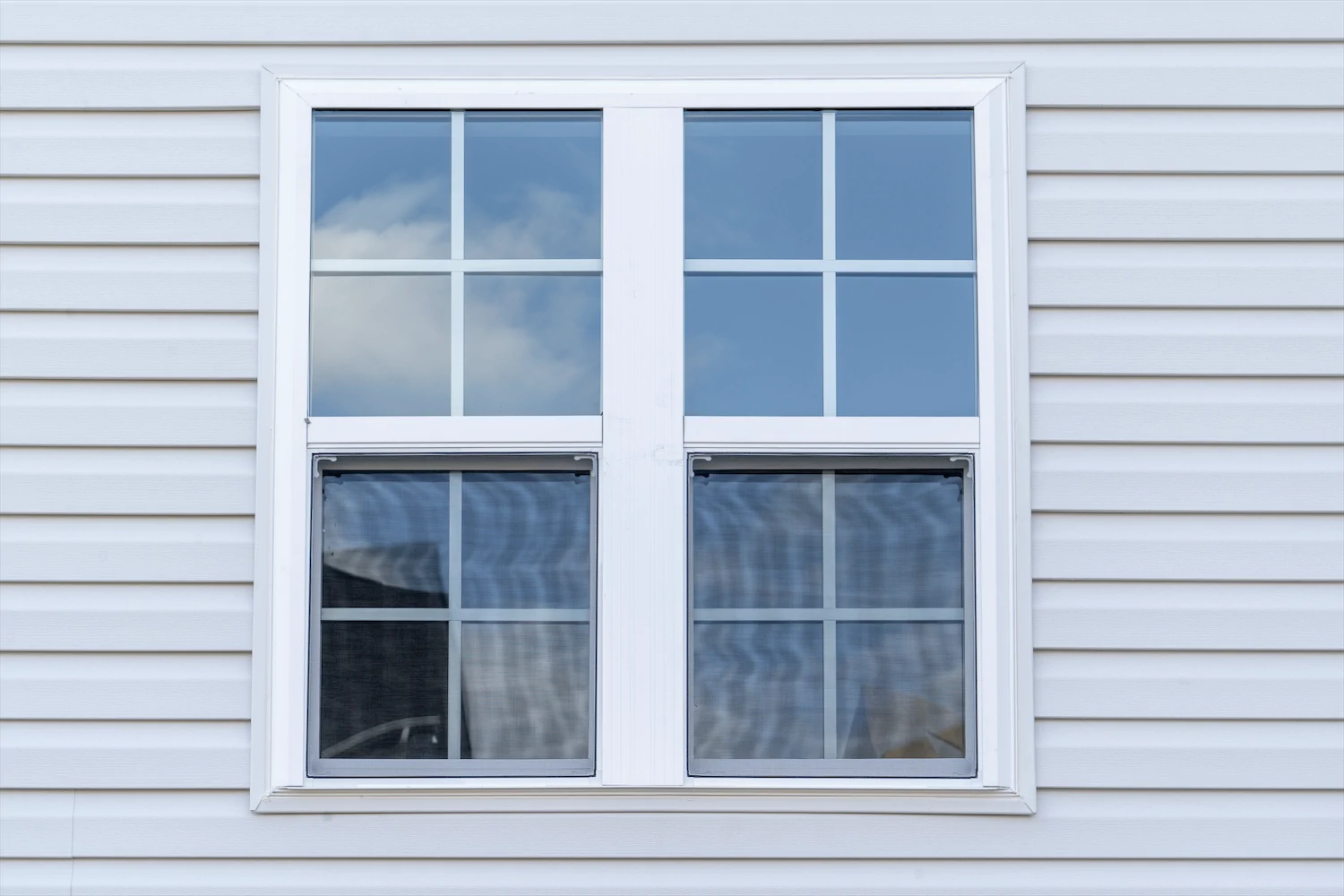
The window frame is the outer support that gives the window its shape and structural integrity. Making up the framework are the head, jambs, and sill—three essential components that work together to support the window sashes and create a weather-tight seal. Quality frames are critical for long-term performance, energy efficiency, and preventing air leakage that drives up utility costs.
Head
The head of the window sits opposite of the sill, and it is the horizontal piece on the top of the window frame. This upper frame component bears the weight of the upper sash and houses the balance system that allows smooth window operation. Premium window heads feature reinforced construction to prevent sagging over time, which can cause operational issues and compromise the seal. Thompson Creek windows use precision-engineered heads that maintain structural integrity for decades, even under the stress of frequent operation and extreme Mid-Atlantic weather conditions.
Jambs
The window jambs are the two vertical pieces on either side of the window that form the sides of the frame. These critical components contain the tracks where both the upper and lower sashes slide vertically during operation. Quality jambs include integrated weatherstripping channels for consistent sealing and smooth surfaces that won’t catch or damage sashes during use. Properly manufactured jambs ensure smooth operation and prevent the binding issues common in poorly made or improperly installed windows. Our custom-manufactured replacement windows feature precision-cut jambs built specifically for your home’s exact opening dimensions.
Window Sill
The window sill is the main horizontal piece that sits at the bottom of the window, and is also referred to as the “stool” in industry terminology. This component serves multiple critical functions beyond aesthetics—it must support the weight of the lower sash, provide a weather barrier against water infiltration, and shed rainwater away from your home’s interior. Premium sills are sloped 3-15 degrees outward to direct water away from the building and feature built-in drainage channels to prevent pooling. In the humid Mid-Atlantic climate where moisture problems are common, choosing windows with properly designed sills prevents rot, mold, and structural damage that can cost thousands to repair.
Glass
What most envision when you think of a window is the glass portion—the transparent element that allows natural light and views while protecting your home from the elements. Whether it’s a double-pane or single-pane configuration, the center portion of the window features see-through glass panels inside the window frame. However, modern ENERGY STAR® certified windows use advanced insulated glass units (IGUs) with Low-E coatings and argon gas fills that dramatically outperform older single-pane designs. These high-performance glass packages can reduce your heating and cooling costs by 30% or more while blocking harmful UV rays that fade furniture and flooring. Thompson Creek’s ENERGY STAR® windows exceed 2022 efficiency criteria and are specifically engineered for Mid-Atlantic climate zones.
Double-Hung Window Parts: Operational Components
Double-hung windows are different from single-hung windows in that they have two panels that can be moved up and down independently. With this added functional feature, this popular style has operational parts that single-hung windows don’t possess. Understanding these double-hung specific components helps you identify issues, communicate repair needs to contractors, and recognize quality differences when shopping for window replacements. It’s important to know these terms that are specific to double-hung windows, especially when discussing window maintenance, repairs, or replacement options.
Sash
Double-hung windows have two sashes—the movable parts of the window that hold the glass panels in place. The upper sash and lower sash both slide vertically within the frame tracks, giving you complete control over ventilation positioning. Each sash is essentially a frame (the casing) that holds the glass panels securely while allowing the window to open and close smoothly. Quality sashes feature fusion-welded corners rather than mechanical fasteners, creating stronger joints that won’t separate over time. Modern double-hung sashes often include tilt-in functionality, allowing you to pivot them inward for easy cleaning from inside your home—a valuable feature for second-story windows. Thompson Creek manufactures each sash with reinforced multi-chamber vinyl construction that maintains its shape and seal integrity even under extreme temperature fluctuations common throughout Maryland, Virginia, and the greater Mid-Atlantic region.
Rails
The rails are the horizontal parts of the window sash at the top and bottom, providing structural support and housing locking mechanisms. Each double-hung window contains multiple rails: a top rail on the upper sash, bottom rails on both sashes, and a meeting rail where the two sashes come together when closed. The meeting rail is particularly important because it features interlocking designs that create compression seals when the window lock engages. Premium meeting rails use stepped or beveled profiles that force the sashes tightly together, dramatically reducing air infiltration compared to flat-meeting designs. This compression seal can cut air leakage by 40-50%, directly impacting your energy bills and home comfort.
Balance
The window balance is the spring-like mechanism that is used to “balance” the window sash and keep it in place when it’s being opened or closed—preventing the sash from slamming shut or requiring props to stay open. This component is found hidden inside the window’s frame, typically between the sash and jamb. The balance system counterweights each sash, allowing smooth operation at any position without excessive force. Quality balance systems should operate effortlessly for 15-20 years minimum before requiring replacement. If your window won’t stay open, falls shut unexpectedly, or requires significant force to lift, the balance system has likely failed—one of the most common double-hung window problems homeowners face. Modern block-and-tackle or spiral balance systems in Thompson Creek windows are precision-matched to each sash weight, ensuring smooth operation for decades while withstanding the daily use typical in active households.
Latch
A good locking system is vital to a double-hung window since both panels are functional and must seal tightly together for optimal energy efficiency and security. A latch lock (also called a sash lock) is the most common type of locking system, and functions by turning a small handle to the side to restrict the panels from sliding. However, quality window locks do more than just provide security—they compress the meeting rails together, creating an air-tight seal that prevents drafts and reduces energy loss. Premium sash locks feature cam action that rotates to pull the sashes together before locking, significantly improving weatherstripping compression. Look for locks made from durable materials like zinc alloy or stainless steel rather than plastic, which becomes brittle over time and cracks in cold weather common during Mid-Atlantic winters.
When to Repair vs. Replace Double-Hung Window Parts
Knowing whether to repair individual window parts or invest in complete window replacement can save you thousands of dollars while ensuring optimal performance. If your double-hung windows are less than 10 years old with isolated component failures (single broken balance, worn weatherstripping, or damaged lock), targeted repairs typically make financial sense. However, windows 15+ years old showing multiple issues—failed balances, deteriorated weatherstripping, broken seals with condensation between panes, warped sashes, or difficulty operating—usually warrant full replacement rather than piecemeal repairs.
Consider that modern replacement windows offer dramatic energy efficiency improvements over models manufactured before 2010. ENERGY STAR® certified windows can reduce heating and cooling costs by $150-500 annually for a typical Mid-Atlantic home, meaning new windows often pay for themselves within 7-12 years through utility savings alone. Additionally, according to Remodeling Magazine’s Cost vs. Value Report, window replacement averages 68-72% return on investment when you sell—one of the highest ROI home improvements available. When weighing repair versus replacement decisions, calculate the total cost of all needed repairs against the price of new windows, factoring in energy savings and improved home value.
Frequently Asked Questions About Double-Hung Window Parts
What causes a double-hung window to fall shut or not stay open?
Failed window balances are the primary cause when windows won’t stay open or fall shut unexpectedly. The balance mechanism (either spiral, block-and-tackle, or spring-type) weakens over 10-20 years of use, losing the tension needed to counterweight your sash properly. While balance replacement is possible, labor costs often make complete window replacement more economical for windows over 15 years old, especially considering energy efficiency improvements in modern units.
How long do double-hung window parts typically last?
Component lifespans vary significantly based on quality and usage. Premium balance systems last 15-20 years, weatherstripping degrades in 5-10 years (faster with direct sun exposure), sash locks endure 20-30 years, and quality vinyl sashes and frames should last 25-40 years without warping or structural failure. However, even structurally sound older windows waste energy—models manufactured before 2010 typically cost homeowners $200-500 extra annually in heating and cooling compared to modern ENERGY STAR® certified replacements.
Can I replace just the glass in my double-hung window?
If you have condensation between glass panes, the insulated glass unit (IGU) seal has failed and the entire glass unit must be replaced—resealing is not possible. For windows under warranty, IGU replacement may be covered. However, if multiple windows show seal failure or your windows are 15+ years old, complete window replacement usually provides better value considering improved energy efficiency of modern glass packages with advanced Low-E coatings and gas fills unavailable in older units.
What’s the difference between double-hung and single-hung windows?
Double-hung windows have two operable sashes (both upper and lower move), while single-hung windows have only one movable sash (typically the bottom) with a fixed upper sash. Double-hung windows offer superior ventilation control, easier cleaning with tilt-in sashes accessible from inside, and better natural air circulation by opening both top and bottom simultaneously. While single-hung windows cost 10-20% less, double-hung models provide significantly greater functionality and are the preferred choice for most Mid-Atlantic homeowners.
How do I know if my window parts need replacement?
Warning signs include windows that won’t stay open or slam shut (failed balances), visible drafts or cold air around closed windows (worn weatherstripping or warped sashes), condensation between glass panes (broken IGU seals), difficulty opening or closing (track damage, binding sashes, or failed balances), increased energy bills despite consistent thermostat settings, and locks that don’t engage properly. If you notice multiple issues simultaneously, full window replacement typically makes more sense than individual component repairs.
Why choose Thompson Creek windows over big box store options?
Thompson Creek custom-manufactures each window in our Maryland facility specifically for your home’s exact dimensions, eliminating the gaps and air leakage common with stock-sized big box windows. Our windows exceed ENERGY STAR® 2022 criteria, are AAMA-tested to withstand 146 mph winds (critical during Mid-Atlantic hurricanes and severe storms), and include a 50-year No-Hassle Warranty covering both product and professional installation. Big box stores typically sell standard sizes with limited warranties and subcontract installation to the lowest bidders, creating accountability gaps and installation quality issues. With Thompson Creek, you get complete accountability from design through decades of service—all backed by 40+ years serving the Mid-Atlantic region.
Why Choose Thompson Creek for Double-Hung Window Replacement
When it’s time to upgrade your home’s windows, Thompson Creek offers unmatched value through complete manufacturing and installation control. We design and custom-manufacture each double-hung window in our 70,000 sq ft Maryland facility with precision-engineered parts built specifically to withstand Mid-Atlantic weather extremes—from hurricane-force coastal winds to inland temperature swings exceeding 100 degrees throughout the year. Our ENERGY STAR® certified windows exceed 2022 efficiency criteria, are AAMA-tested to withstand 146 mph winds, and come backed by our industry-leading 50-year No-Hassle Warranty covering both products and professional installation. With over 40 years serving Maryland, Virginia, DC, Pennsylvania, and North Carolina, we understand exactly what Mid-Atlantic homeowners need from their windows—and we deliver complete accountability from initial design consultation through decades of reliable service.
Ready to upgrade to energy-efficient windows that last? Schedule your free in-home consultation today and discover why Mid-Atlantic homeowners have trusted Thompson Creek since 1980. Our window experts will assess your current windows, explain your options with transparent pricing, and provide honest guidance to help you make the best decision for your home and budget—with no pressure, just professional advice from local window specialists who stand behind every installation with our 50-year warranty.