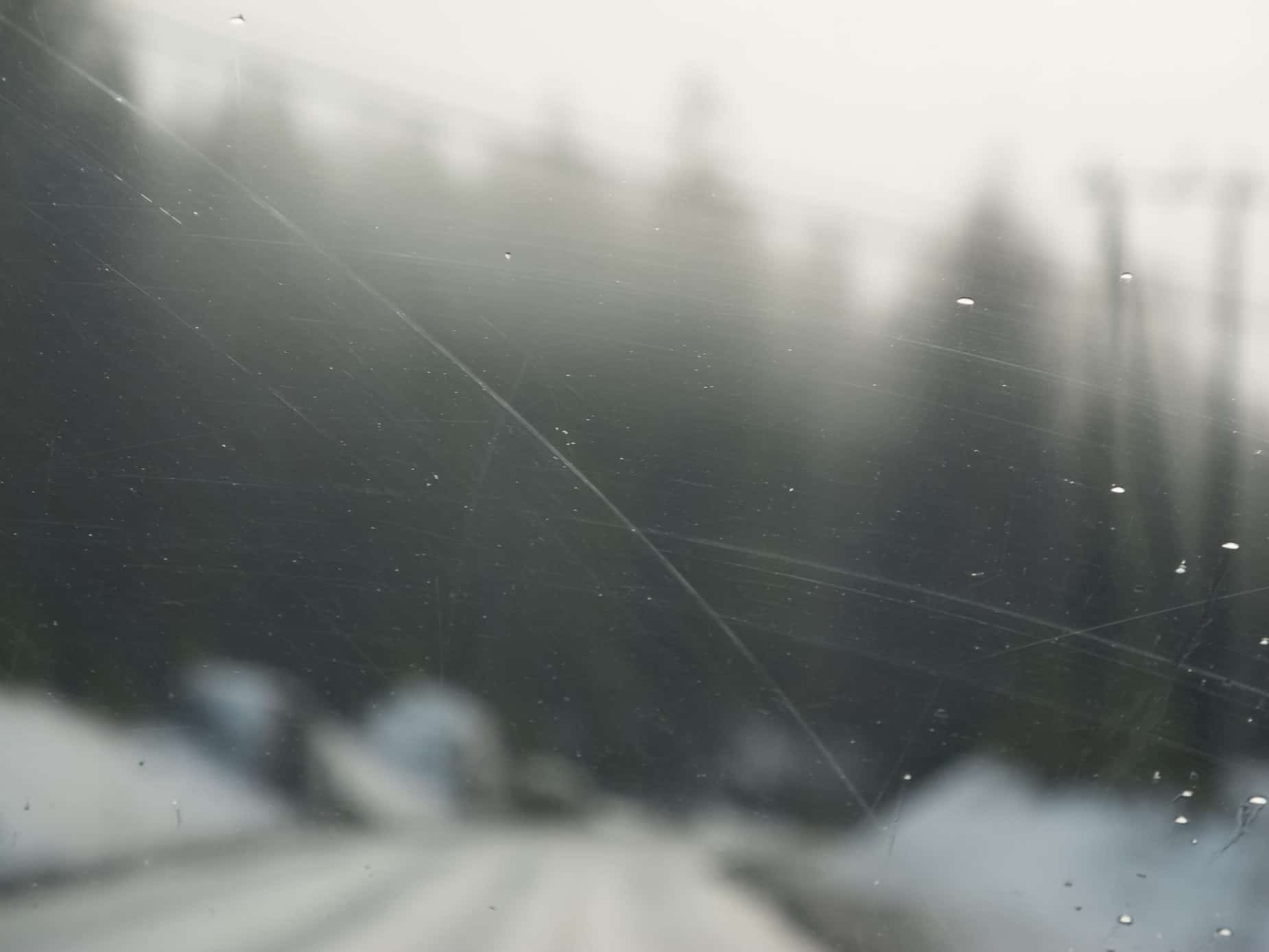
Few things are more frustrating than discovering scratches on your pristine window glass. Whether from cleaning with abrasive materials, pets, tree branches, or moving furniture, window scratches can obstruct your view and detract from your home’s appearance. But before you consider expensive replacement, several effective methods can help you remove or minimize window scratches yourself.
This comprehensive guide covers everything you need to know about window scratch removal, from understanding what types of scratches can be repaired to step-by-step DIY methods and when professional help is necessary.
Can Scratched Window Glass Be Repaired?
Yes, in most cases. Shallow to moderate scratches on window glass can be successfully repaired or significantly reduced using DIY methods. However, the success of repair depends on three factors:
- Scratch Depth: Shallow scratches respond well to DIY treatments. Deep scratches (those you can catch with your fingernail) are more challenging but not impossible.
- Glass Type: Standard glass is easiest to repair. Low-E coated glass, tempered glass, and tinted windows require special care to avoid damaging protective coatings.
- Scratch Location: Scratches in the center of viewing areas are worth repairing. Scratches at edges may not impact functionality enough to warrant repair effort.
When Replacement is Better:
- Deep gouges or cracks (these compromise glass integrity)
- Scratches that extend through protective coatings
- Multiple scratches covering large areas
- Scratches on double-pane windows affecting the inner pane
Types of Window Scratches: Shallow vs Deep
Before attempting any repair method, it’s crucial to understand what type of scratch you’re dealing with:
Shallow (Light) Scratches
Characteristics:
- Only visible at certain angles or in certain lighting
- Cannot feel them with your fingernail
- Appear as fine lines on the glass surface
- Typically less than 0.005 inches deep
Repair Success Rate: 80-95% with DIY methods Best Methods: Baking soda, toothpaste, metal polish Time Required: 30-60 minutes per scratch
Moderate Scratches
Characteristics:
- Visible from most angles
- Can lightly feel with fingernail but nail doesn’t catch
- White or cloudy appearance
- Approximately 0.005-0.01 inches deep
Repair Success Rate: 60-80% with DIY methods Best Methods: Metal polish, cerium oxide, commercial kits Time Required: 1-3 hours per scratch
Deep Scratches
Characteristics:
- Clearly visible from all angles
- Fingernail catches noticeably
- May feel rough to the touch
- Greater than 0.01 inches deep
Repair Success Rate: 30-50% with DIY methods Best Methods: Cerium oxide, professional repair, or replacement Time Required: 3-5 hours per scratch or professional service
6 DIY Methods to Remove Window Scratches
Method 1: Baking Soda Method (Best for Light Scratches)
Baking soda is one of the most versatile compounds, and one of its many functions is a glass buffer! This method is ideal for light, shallow scratches.
What You Need:
- Baking soda (½ cup)
- Water (¼ cup)
- Soft microfiber cloths (2-3)
- Bowl for mixing
Step-by-Step Instructions:
- Clean the Window: Start by removing any dust from the window with a wet washcloth. This will eliminate the chance of rubbing dust and debris deeper into your window and actually causing more damage than you started with.
- Make the Paste: Make a solution using half baking soda and half water until it becomes a glue-like paste. You can make as much paste as needed, depending on the size of the glass surface area. The paste should be thick but spreadable.
- Apply and Buff: Using a cloth, apply the paste to the glass and use circular motions to buff it until you begin to notice a reduction in the scratch. Apply moderate pressure—enough to work the paste into the scratch but not so much that you risk further damage.
- Be Patient: This may take some time, so be patient! Work the area for 3-5 minutes, then wipe clean and assess. Repeat as necessary.
- Clean and Inspect: Once satisfied, wipe away all paste residue with a clean, damp cloth. Dry with a lint-free cloth and inspect results.
Cost: $0-$2 (you probably have these items) Time: 30-45 minutes Success Rate: 75-85% for light scratches Pros: Inexpensive, non-toxic, readily available Cons: Labor-intensive, works only on shallow scratches
Method 2: Toothpaste Method (Easiest DIY Option)
As one of the most popular home remedies for scratches on glass, toothpaste is a simple solution that almost everyone has already in their household. The key is using non-gel, plain white toothpaste—those with whitening properties or baking soda work even better.
What You Need:
- Non-gel white toothpaste (preferably with baking soda)
- Soft microfiber cloths
- Water
- Glass cleaner (for final step)
Step-by-Step Instructions:
- Clean the Area: Thoroughly clean the scratched area with glass cleaner and a microfiber cloth. Ensure no dirt or debris remains.
- Apply Toothpaste: Put a small amount of toothpaste on a clean, damp microfiber cloth. A quarter-sized amount is usually sufficient for each scratch area.
- Buff the Scratch: After the surface is clean, use the same cloth to buffer the toothpaste solution onto the window, using circular motions. Be sure not to apply too much pressure, but enough to make an impact on the glass and essentially smooth out the surface.
- Repeat Process: If necessary, repeat this process 2-3 times. Each application should show progressive improvement.
- Final Cleaning: Remove all toothpaste residue with a damp cloth, then clean with glass cleaner for a streak-free finish.
Cost: $0-$3 Time: 20-40 minutes Success Rate: 70-80% for light to moderate scratches Pros: Quick, easy, safe for most glass types Cons: May require multiple applications, works best on light scratches
Method 3: Metal Polish Method (For Deeper Scratches)
For deeper scratches, try substituting metal polish you would use on silver or brass for the toothpaste in the toothpaste scratch removal method. The polish is a bit more abrasive than toothpaste to tackle those tougher scratches.
What You Need:
- Metal polish (brass or silver polish)
- Soft cloths or buffing pads
- Glass cleaner
- Protective gloves
Step-by-Step Instructions:
- Clean Thoroughly: Clean the window to remove all dirt and oils. This is critical—any particles will be ground into the glass during buffing.
- Apply Polish: Apply a small amount of metal polish to a clean cloth. Start with less than you think you need—you can always add more.
- Buff in Circular Motions: Using firm, circular pressure, work the polish into the scratched area. The abrasive compounds in the polish will gradually smooth the glass surface.
- Work Methodically: Continue buffing for 5-10 minutes, checking progress frequently. You should see the scratch becoming less visible with each minute of buffing.
- Clean and Assess: Remove all polish residue with a damp cloth, then clean with glass cleaner. Assess results and repeat if necessary.
Cost: $5-$15 Time: 45-90 minutes Success Rate: 60-75% for moderate scratches Pros: More effective on deeper scratches, available at hardware stores Cons: Requires more physical effort, higher cost than previous methods
Method 4: Clear Nail Polish Method (Scratch Filler)
Another handy way to fix those deeper scratches on your windows is to use a clear coat of nail polish. Instead of buffing your glass like with baking soda or toothpaste, nail polish actually acts as a filler for scrapes and cuts in glass and can help diminish the appearance of them.
What You Need:
- Clear nail polish
- Nail polish remover
- Cotton swabs
- Clean microfiber cloths
- Steady hand
Step-by-Step Instructions:
- Clean and Dry: Clean the scratched area thoroughly and ensure it’s completely dry. Any moisture will prevent proper adhesion.
- Apply Carefully: Using the nail polish brush, carefully apply a thin layer of clear nail polish directly into the scratch. Try to fill the scratch without getting polish on surrounding glass. Use a cotton swab to remove any excess immediately.
- Let Dry Completely: After it’s completely dry (usually 1-2 hours), use a clean cloth with some nail polish remover on it to remove the excess nail polish from around the scratch.
- Buff and Finish: Feel free to buff around the scratch using a clean cloth to even out the glass’s surface. The filled scratch should be much less noticeable.
Cost: $2-$8 Time: 2-3 hours (including drying time) Success Rate: 50-70% (makes scratches less visible, doesn’t remove them) Pros: Effective for hiding deep scratches, quick application Cons: Requires steady hand, may need reapplication over time, doesn’t actually remove the scratch
Method 5: Cerium Oxide Method (Professional-Grade DIY)
Cerium oxide is a professional glass-polishing compound that provides the most effective DIY scratch removal results. It’s the same compound professional glass shops use.
What You Need:
- Cerium oxide powder (available online or glass shops)
- Water
- Drill with felt polishing wheel attachment (or hand polishing pad)
- Protective eyewear
- Dust mask
- Drop cloths or plastic sheeting
Step-by-Step Instructions:
- Mix Compound: Mix cerium oxide powder with water to create a thin paste (consistency of cream).
- Protect Area: Lay drop cloths below the window. This process can be messy.
- Apply Compound: Apply the cerium oxide paste liberally to the scratched area.
- Polish with Drill: Using a drill with felt polishing pad at low speed (600-1200 RPM), work the compound into the scratch with circular motions. Keep the surface wet with additional compound as needed.
- Work Gradually: Polish in 2-3 minute intervals, checking progress frequently. Don’t overheat the glass.
- Clean Thoroughly: Remove all cerium oxide residue with water and a clean cloth. Multiple rinses may be necessary.
Cost: $15-$40 (compound and polishing wheel) Time: 1-3 hours depending on scratch severity Success Rate: 70-90% for moderate to deep scratches Pros: Most effective DIY method, professional-grade results Cons: Requires power tools, messy process, learning curve
Method 6: Glass Scratch Removal Kit (Complete Solution)
Commercial glass scratch removal kits combine the best tools and compounds into one package with detailed instructions.
Popular Kits Include:
- GP22018 Glass Polish Kit ($30-$50)
- Cerium Oxide Complete Kit ($25-$45)
- Eastwood Glass Polishing System ($40-$70)
What’s Typically Included:
- Polishing compound (usually cerium oxide-based)
- Polishing pads or wheels
- Detailed instructions
- Sometimes: drill attachment, safety equipment
Step-by-Step: Follow the specific kit instructions, which typically involve:
- Cleaning the glass
- Applying the compound
- Polishing with provided tools
- Cleaning residue
- Assessing and repeating if needed
Cost: $25-$70 Time: 1-2 hours Success Rate: 75-90% for most scratches Pros: Everything you need in one package, detailed instructions, reliable results Cons: Higher upfront cost, some kits better than others
Best Scratch Remover Products for Glass Windows
Based on effectiveness and user reviews, here are the top-rated commercial products:
Top 5 Products:
- 3M Glass Polishing Compound ($15-$25)
- Professional-grade formula
- Excellent for moderate scratches
- Easy to use with hand or machine application
- Cerium Oxide Powder by GP22018 ($15-$20)
- Most effective compound available
- Professional results
- Requires mixing and polishing wheel
- Scratch-B-Gone Pro Kit ($40-$60)
- Complete all-in-one solution
- Includes everything needed
- Good for DIYers
- Jeweler’s Rouge (Cerium Oxide) ($10-$15)
- Budget-friendly cerium oxide option
- Same compound as expensive kits
- Mix your own paste
- Brasso Metal Polish ($5-$8)
- Readily available at stores
- Works on light scratches
- Multi-purpose for metal and glass
DIY vs Professional Window Scratch Removal
When to DIY:
✓ Choose DIY If:
- Scratches are light to moderate depth
- You have time and patience
- Budget is limited ($0-$50)
- Only 1-3 scratches to address
- Scratches are on standard glass (not Low-E or tempered)
DIY Costs:
- Basic methods (toothpaste, baking soda): $0-$5
- Metal polish method: $5-$15
- Cerium oxide: $15-$40
- Complete kits: $25-$70
DIY Success Rate: 60-85% depending on scratch depth and method used
When to Hire a Professional:
✓ Choose Professional If:
- Scratches are very deep
- Multiple scratches on multiple windows
- Low-E coated glass (coating can be damaged)
- Tempered or tinted glass
- Time constraints
- Previous DIY attempts failed
- High-value specialty glass
Professional Costs:
- Service call/assessment: $50-$100
- Light scratch removal: $100-$200 per window
- Moderate scratch removal: $200-$400 per window
- Deep scratch removal: $300-$500 per window
Professional Success Rate: 85-95% for most scratches
Professional Advantages:
- Expert assessment of repairability
- Specialized equipment (commercial-grade polishers)
- Experience prevents coating damage
- Faster results (30-60 minutes vs 1-3 hours)
- Guaranteed results or your money back
- Can handle difficult cases
Cost Comparison Example (One Window):
| Approach | Material Cost | Labor | Total Cost | Time | Success Rate |
| DIY Basic (toothpaste) | $0-$5 | Free | $0-$5 | 1-2 hrs | 70% |
| DIY Advanced (cerium) | $15-$40 | Free | $15-$40 | 2-3 hrs | 80% |
| DIY Kit | $25-$70 | Free | $25-$70 | 1-2 hrs | 85% |
| Professional | Included | $150-$300 | $150-$300 | 30-60 min | 90% |
| Replacement | $300-$500 | Included | $300-$700 | 2-3 hrs | 100% |
Special Considerations by Glass Type
Low-E Glass Windows
Low-E (low-emissivity) glass has a thin metallic coating that can be permanently damaged by abrasive polishing. Exercise extreme caution.
Do:
- Test any method on an inconspicuous corner first
- Use the gentlest method possible (toothpaste only)
- Consider professional help for anything beyond light scratches
Don’t:
- Use metal polish or cerium oxide (too abrasive)
- Use excessive pressure
- Use rotating polishing tools
Best Option: If Low-E coating is scratched, replacement is usually better than risking coating damage.
Tempered Glass
Tempered glass cannot be polished after manufacturing because surface modification releases internal stresses and can cause the entire pane to shatter.
Do:
- Try only light buffing with toothpaste
- Stop immediately if you see any cracks forming
Don’t:
- Use aggressive polishing methods
- Apply excessive pressure
- Use power tools
Best Option: For any significant scratches on tempered glass, replacement is the only safe option.
Double-Pane Windows
Exterior Pane Scratches:
- All methods described above can be used
- Standard glass polishing techniques apply
Interior Pane Scratches (Between Panes):
- Cannot be accessed without breaking the seal
- Attempting repair will compromise insulation
- Replacement is the only option
Identifying Interior Scratches:
- Run your finger over both sides
- If you can’t feel the scratch on either side, it’s interior
- These scratches are rare (usually from manufacturing)
Tinted Windows
Tinted windows have film either applied to the surface or embedded in the glass.
Do:
- Determine if tint is on the surface or in the glass
- Surface tint: Only clean with approved tint-safe cleaner
- Embedded tint: Can use standard methods carefully
Don’t:
- Use abrasive methods on surface-tinted windows
- Risk scratching through the tint film
Best Option: Consult window tint professional before attempting any scratch removal.
How to Prevent Window Scratches
Prevention is always easier and cheaper than repair. Follow these tips to protect your windows:
Cleaning Prevention:
- Use only soft microfiber cloths (never paper towels)
- Avoid abrasive cleaners or scouring pads
- Remove dirt with water before wiping (prevents grinding particles into glass)
- Use proper glass cleaners (avoid ammonia on tinted/Low-E glass)
Pet Prevention:
- Keep pets’ nails trimmed regularly
- Install pet-resistant screens on accessible windows
- Consider protective window film on lower panes
Tree and Landscaping Prevention:
- Trim tree branches away from windows (maintain 3-foot clearance)
- Remove bushes with thorny branches near windows
- Install window guards in high-risk areas
Furniture and Moving Prevention:
- Use furniture pads when moving items near windows
- Cover windows during renovation projects
- Be cautious when moving large objects near glass
Window Screen Maintenance:
- Keep screens in good repair (damaged screens flap against glass)
- Remove screens before washing windows
- Install screens properly to prevent metal-on-glass contact
When Window Replacement is Better Than Repair
Sometimes scratches are a sign of deeper issues, or the cost and effort of repair doesn’t make sense. Consider replacement if:
Scratch-Related Reasons:
- Multiple deep scratches across viewing area
- Scratches through protective coatings (Low-E, tint)
- Failed DIY attempts have worsened the problem
- Professional repair cost approaches replacement cost ($300+)
Other Window Issues:
- Window is 20+ years old with other problems
- Seal failure between double-pane glass (fogging)
- Frame rot or damage
- Poor energy efficiency (single-pane glass)
- Operating issues (won’t open/close properly)
Upgrade Opportunities:
- Better energy efficiency (upgrade to modern Low-E double or triple-pane)
- Improved security (laminated or tempered glass)
- Noise reduction (Sound Shield glass)
- UV protection (protect furniture and flooring)
Replacement Costs vs Repair:
- Standard vinyl window replacement: $300-$700 installed
- Professional scratch repair: $150-$400 per window
- If multiple scratches exist or window has other issues, replacement offers better value
Why Choose Thompson Creek for Window Replacement?
If all else fails and you still aren’t happy with your window’s appearance, replacing broken, ill-fitting or damaged windows is always a good investment. Visit Thompson Creek to find out which window style is best for you, and get a free cost estimate.
What Sets Thompson Creek Apart:
- 50-Year Warranty: Industry-leading protection on all windows
- Custom Manufacturing: Built to exact specifications in our Maryland factory
- Energy Efficiency: All windows exceed ENERGY STAR requirements
- Expert Installation: Professional crews ensure perfect fit
- Low-E Glass Standard: Protects against scratches better than standard glass
- Free Consultation: No-obligation assessment and quote
Thompson Creek Window Features:
- Scratch-resistant Low-E glass coating
- Durable frames (vinyl, fiberglass)
- Easy-clean tilt-in sashes
- Lifetime protection against defects
Ready to explore window replacement? Contact Thompson Creek today for a free consultation. Our window experts will assess your scratch damage, discuss repair vs. replacement options, and provide honest recommendations for the best solution for your home and budget.