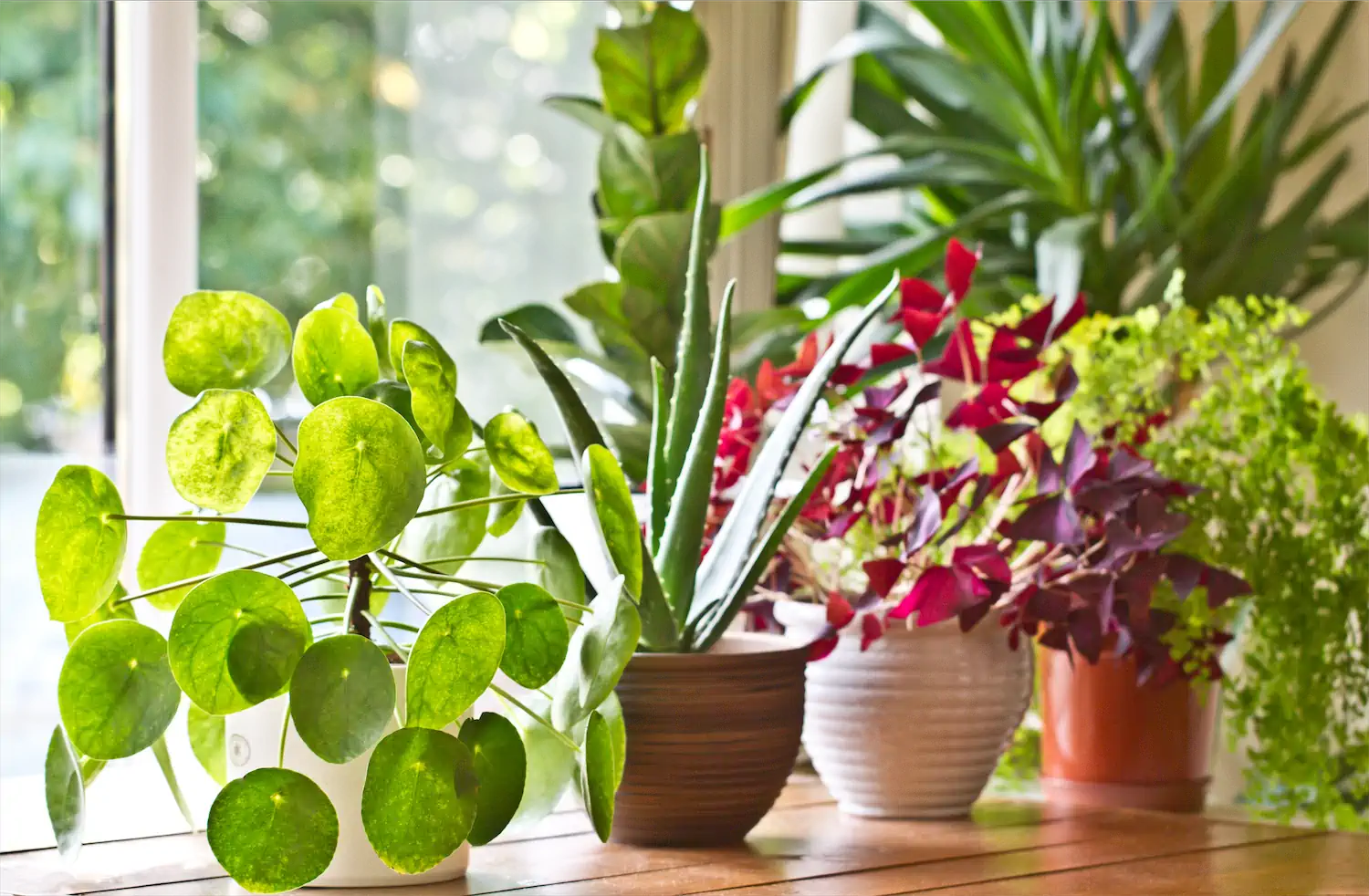
Houseplants transform kitchens into vibrant, healthier spaces while purifying the air and boosting mood. But for your indoor garden to truly flourish in Maryland, Virginia, or DC, you need more than just green thumbs—you need the right windows. The best kitchen windows for plants combine optimal sunlight exposure with energy-efficient insulation to create ideal growing conditions year-round, even during Mid-Atlantic winters and humid summers.
Whether you’re cultivating fresh herbs for cooking or displaying stunning flowering plants, choosing energy-efficient replacement windows designed for your home’s orientation makes all the difference. Let’s explore which window styles work best for indoor plants and how to create the perfect environment for your kitchen garden.
Understanding Natural Light Requirements for Kitchen Plants
Most houseplants need at least 4-6 hours of natural light daily to support photosynthesis. However, light intensity varies dramatically based on window direction and the time of year. In the Mid-Atlantic region, south-facing windows receive the most direct sunlight throughout winter months—perfect for sun-loving herbs like basil, rosemary, and thyme.
East-facing kitchen windows provide gentler morning light ideal for African violets, peace lilies, and ferns. These plants thrive in moderate conditions without the intense afternoon heat that can scorch delicate leaves. West-facing windows deliver bright afternoon sun suitable for succulents, jade plants, and most vegetable seedlings.
North-facing windows present the biggest challenge, offering primarily indirect light. While not ideal for most flowering plants, they work well for low-light varieties like pothos, snake plants, and Chinese evergreens that naturally grow under forest canopies. The key factor many homeowners overlook? Window insulation. Drafty windows create temperature fluctuations that stress plants, causing wilting, leaf drop, and slowed growth.
Garden Windows: The Best Spot for Sun-Loving Plants
Garden windows are specifically designed for plant lovers. These box-style windows extend outward from your home’s exterior wall, creating a miniature greenhouse effect with glass on four sides plus a glass roof. The multi-directional light exposure allows plants to receive sunlight from dawn to dusk, promoting fuller, healthier growth compared to flat windows.
Thompson Creek’s custom-manufactured garden windows feature deep interior shelving perfect for displaying multiple plant tiers. The protruding design captures light from various angles throughout the day, ensuring even plants positioned at the back receive adequate illumination. Side vents provide crucial air circulation, preventing the excessive humidity and heat buildup that can promote fungal growth or stress your plants during Maryland’s hot summers.
Garden windows excel for growing culinary herb gardens. Imagine snipping fresh basil, oregano, and cilantro steps away from your cutting board. The consistent warmth and abundant light create ideal conditions for herbs that might struggle in standard window locations. During winter, the greenhouse effect maintains warmer temperatures that protect tropical plants from cold drafts—a common problem with older, poorly insulated windows.
For Mid-Atlantic homeowners, ENERGY STAR® certified garden windows are essential. They provide abundant natural light while meeting strict thermal performance standards, preventing heat loss during frigid January nights and excessive heat gain during July afternoons. This balance protects both your plants and your energy bills.
Bay and Bow Windows: Spacious Displays for Plant Collections
Bay and bow windows create stunning architectural focal points while offering exceptional plant-growing opportunities. These windows project outward at angles, typically featuring three or more window panels that capture light from multiple directions. The angled design floods your kitchen with natural light while creating a built-in shelf or seat perfect for arranging plant collections.
The key advantage? Space. Bay windows provide significantly more depth than standard flat windows, accommodating larger pots, hanging planters, and tiered plant stands. You can create an impressive display featuring plants with varying light requirements—sun-lovers near the center panels, shade-tolerant varieties at the sides.
Many homeowners add cushioned seating to bay windows, transforming them into cozy breakfast nooks surrounded by greenery. This multi-functional approach combines aesthetics, comfort, and plant care in one beautiful feature. When properly insulated with double-pane or triple-pane glass, bay windows maintain stable temperatures crucial for plant health while reducing outdoor noise—a bonus for urban Maryland and DC homeowners.
Thompson Creek’s bay windows are custom-manufactured with weather-resistant vinyl frames and low-E glass coatings. These features minimize harmful UV radiation that can fade furniture and scorch plant leaves, while still allowing the full spectrum of light plants need for photosynthesis.
Other Window Types That Are Good for Plants
While garden and bay windows steal the spotlight for plant displays, don’t overlook casement and awning windows for their practical benefits. Casement windows open outward using a crank mechanism, providing maximum ventilation—essential for maintaining air circulation around your plants.
Good airflow prevents fungal diseases, strengthens plant stems, and regulates temperature and humidity. In kitchens where cooking generates heat and moisture, casement windows positioned above sinks allow you to quickly refresh the air without creating drafts that harm nearby plants. The compression seal created when closed makes them exceptionally energy-efficient, with some of the tightest seals in the industry.
Awning windows hinge at the top and open outward at an angle, making them perfect for ventilation even during light rain—common in the Mid-Atlantic climate. Position plants on countertops or shelves below awning windows to benefit from indirect light and the fresh air circulation when opened. The upward-opening design prevents rain from entering while you ventilate your kitchen garden.
Both window styles feature unobstructed glass when closed, maximizing light transmission for your plants. When manufactured with insulated frames and argon-filled panes, they deliver excellent thermal performance that maintains consistent growing conditions regardless of outdoor weather.
Choosing the Right Window Direction for Your Plants
Window orientation dramatically impacts plant success. South-facing kitchen windows receive 6-8 hours of direct sunlight during winter in the Mid-Atlantic region—ideal for sun-worshipping plants like succulents, cacti, citrus trees, and Mediterranean herbs (basil, oregano, sage, thyme). These plants evolved in intense sunlight and need bright, direct light to thrive indoors.
However, south-facing windows can become too intense during summer months, especially in Maryland and Virginia where afternoon temperatures regularly exceed 90°F. Without proper window treatments or energy-efficient low-E glass coatings, excessive heat can stress plants and spike cooling costs. Thompson Creek’s windows with Low-E coatings reduce heat gain by reflecting infrared light while allowing visible light through—protecting both plants and your HVAC system.
East-facing kitchen windows provide the goldilocks solution for many homeowners. They deliver 4-6 hours of gentle morning sunlight perfect for a wider variety of plants: flowering houseplants (African violets, orchids), leafy greens (lettuce, spinach), and moderate-light herbs (parsley, chives, mint). Morning sun warms plants gradually without the intense heat of afternoon exposure.
West-facing windows receive afternoon and evening sun, which tends to be more intense and warmer. This orientation works for hardy plants but requires monitoring during summer to prevent heat stress. North-facing windows offer primarily indirect light, limiting your plant selection to low-light tolerant varieties.
Are Your Plants Telling You That You Need New Windows?
Your plants act as early warning systems for window problems. Stunted growth, yellowing leaves, excessive soil moisture, or visible mold indicate poor air circulation and temperature control—classic symptoms of drafty or poorly insulated windows. Cold air leaking around window frames during winter can damage tropical plants in hours, causing leaves to droop, curl, or drop entirely.
Conversely, excessive heat gain through single-pane windows during summer creates oven-like conditions on windowsills. Plants wilt, soil dries out rapidly, and you’ll notice your air conditioning running constantly to compensate. This combination of struggling plants and high energy bills signals it’s time for replacement windows.
Other red flags include:
- Condensation between window panes – Indicates seal failure reducing insulation and creating an unhealthy environment for plants
- Visible drafts near windows – Creates temperature fluctuations that stress plants and waste energy
- Frost forming on interior glass – Means your windows lack proper insulation, endangering sensitive tropical plants
- Fading furniture or plant leaves – Uncoated glass allows harmful UV radiation through
According to the U.S. Department of Energy, windows account for 25-30% of residential heating and cooling costs. Upgrading to ENERGY STAR® certified replacement windows can reduce energy bills while creating healthier conditions for your indoor garden. Thompson Creek’s windows exceed the latest 2022 ENERGY STAR® criteria, delivering both energy savings and ideal plant-growing environments.
Best Window Materials and Features for Indoor Gardens
Not all replacement windows are created equal, especially for plant enthusiasts. The right frame material and glass features make the difference between thriving plants and constant struggles.
Vinyl Frame Windows: Thompson Creek specializes in vinyl replacement windows because they offer superior insulation, require zero maintenance, and withstand moisture from watering without rotting or warping. Unlike wood frames that deteriorate from plant care humidity, vinyl performs reliably in kitchen environments where moisture and temperature fluctuations are constant.
Double-Pane or Triple-Pane Glass: Multiple panes with argon or krypton gas filling provide excellent insulation. They maintain consistent temperatures near windowsills, preventing the extreme hot and cold spots that stress plants. Thompson Creek’s insulated glass units protect your plants year-round while cutting heating and cooling costs.
Low-E Glass Coatings: These invisible metallic coatings reflect infrared light (heat) while allowing visible light through. For kitchen windows, low-E glass provides the perfect balance: abundant light for photosynthesis without excessive heat that can cook your plants or spike your energy bills. This feature is particularly valuable for south and west-facing windows in the Mid-Atlantic region.
Proper Weatherstripping and Sealing: Even the best glass technology fails without proper installation and sealing. Thompson Creek’s professional installation ensures airtight seals that eliminate drafts while our 50-year No-Hassle Warranty covers both products and installation—crucial for long-term plant success and energy efficiency.
Creating Your Kitchen Window Garden in Maryland, Virginia, and DC
Mid-Atlantic homeowners face unique challenges: humid summers, cold winters, and variable spring weather. Success requires windows engineered for our specific climate zone. Thompson Creek manufactures every window in our Maryland facility specifically for Mid-Atlantic weather patterns, including our region’s temperature extremes and high humidity levels.
When planning your kitchen window garden, consider these local factors:
Winter Protection: Maryland winters regularly drop below freezing. Energy-efficient windows with proper insulation prevent cold damage to tropical plants while maintaining comfortable indoor temperatures. Our windows are tested to withstand winds up to 146 mph—important during winter storms that can rapidly drop temperatures and create dangerous drafts around poorly sealed windows.
Summer Heat and Humidity: Mid-Atlantic summers bring intense heat and high humidity. Without proper ventilation and climate-controlled windows, kitchen gardens can suffer from fungal diseases and heat stress. Operable windows with insect screens allow fresh air circulation while keeping pests out.
Storm Resilience: From summer thunderstorms to occasional hurricanes affecting coastal Maryland and Virginia, durable windows protect both your home and your plants. Thompson Creek’s impact-resistant construction and professional installation ensure windows remain sealed and functional through severe weather.
Light Quality Throughout Seasons: Winter sun sits lower in the sky, changing how light enters your kitchen. High-quality windows maximize available winter light—crucial for plants during shorter days. Summer brings stronger, more direct light requiring windows with UV-filtering coatings to prevent leaf scorch.
Top Plants That Thrive in Kitchen Windows
Once you’ve selected the right windows, choosing appropriate plants ensures success. Here are top performers for different kitchen window orientations in Mid-Atlantic homes:
South-Facing Windows (6-8 hours direct sun):
- Basil, oregano, thyme, rosemary, and sage
- Succulents (jade plant, aloe vera, echeveria)
- Dwarf citrus trees (Meyer lemon, calamondin orange)
- Cherry tomatoes and peppers (with adequate pot size)
- Geraniums and hibiscus
East-Facing Windows (4-6 hours morning sun):
- Parsley, cilantro, chives, and mint
- African violets and begonias
- Spider plants and Swedish ivy
- Lettuce, spinach, and salad greens
- Container herb gardens
West-Facing Windows (4-6 hours afternoon sun):
- Cacti and drought-tolerant succulents
- Jade plants and snake plants
- Rosemary and lavender
- Pepper plants and tomatoes
North-Facing Windows (Indirect light):
- Pothos and philodendron
- Chinese evergreen
- Snake plants and ZZ plants
- Peace lilies (tolerate low light)
- Cast iron plant
Remember that even the best plant selection fails with poorly insulated windows. Drafts, temperature swings, and inadequate light from dirty or damaged glass all compromise plant health.
Seasonal Window and Plant Care Tips
Maintaining your kitchen window garden requires adjusting care with the seasons, much like preparing your home for weather changes:
Spring Care: As temperatures warm, it’s time for spring window maintenance. Clean your windows and screens to maximize light transmission for your growing plants. Spring is also ideal for repotting plants that outgrew their containers over winter.
Summer Adjustments: During hot Maryland summers, ensure adequate ventilation to prevent overheating. Consider light-filtering curtains on south and west-facing windows during peak afternoon hours. Increase watering frequency as plants transpire more rapidly in warm weather.
Fall Preparation: As you tackle your autumn home maintenance checklist, inspect window seals and weatherstripping before winter. This is also the time to move sensitive tropical plants away from windows where cold drafts might develop.
Winter Protection: Winter home renovations often reveal drafty windows that threaten plant health. If you notice condensation, frost, or cold spots near windows, it may be time to consider replacement before cold damage occurs to your plants.
Frequently Asked Questions About Kitchen Windows for Plants
What type of window is best for growing plants in the kitchen?
Garden windows are specifically designed for indoor plants, featuring multi-directional glass panels that capture sunlight from dawn to dusk. They create a greenhouse effect with deep shelving perfect for herbs and houseplants. Bay windows also work excellently, providing abundant space and angled glass for maximum light exposure. For smaller spaces or budget-conscious homeowners, energy-efficient casement or double-hung windows on south or east exposures provide adequate conditions for many plant varieties.
How can I tell if my kitchen windows have enough light for plants?
Observe your kitchen at different times throughout the day. South-facing windows receiving 6+ hours of direct sunlight support the widest variety of plants. East-facing windows with 4-6 hours of morning sun work for most houseplants and herbs. If your kitchen feels dark even at midday, or if you notice your windows have heavy condensation or frost, they likely lack both adequate light and proper insulation for successful indoor gardening.
Do energy-efficient windows provide enough light for plants?
Yes! Modern ENERGY STAR® certified windows actually improve plant growing conditions. They maximize visible light transmission while reducing harmful UV radiation and infrared heat. Thompson Creek’s Low-E glass coatings allow the full spectrum of light plants need for photosynthesis while protecting them from heat damage and your home from energy loss. Double-pane windows with argon gas filling provide superior insulation without reducing light quality.
Can drafty windows kill my kitchen plants?
Absolutely. Cold drafts during winter can damage or kill tropical plants in hours. Temperature swings stress plants, causing leaf drop, wilting, and stunted growth. Drafty windows also indicate poor insulation that increases energy bills. If you notice your plants leaning away from windows, developing brown leaf edges, or struggling despite adequate light and water, drafts may be the culprit. Professional replacement windows with proper sealing eliminate this problem.
What window direction is best for a kitchen herb garden?
South or east-facing windows are ideal for culinary herbs. South-facing windows provide 6-8 hours of direct sun perfect for Mediterranean herbs (basil, oregano, rosemary, thyme, sage). East-facing windows deliver gentler 4-6 hours of morning sun ideal for cilantro, parsley, chives, and mint. During summer, even south-facing windows may need sheer curtains during peak afternoon hours to prevent heat stress in Maryland and Virginia homes.
How do I know when my kitchen windows need replacement?
Your plants provide early warning signs: stunted growth, yellowing leaves, persistent soil dampness, or visible mold indicate poor air circulation and temperature control from failing windows. Other signals include condensation between panes, visible drafts, frost on interior glass, difficulty opening or closing windows, and high energy bills. If your windows are over 15-20 years old, especially single-pane units, upgrading to ENERGY STAR® certified replacement windows will improve both plant health and home comfort.
Will new windows help my plants survive Maryland winters?
Quality replacement windows make a dramatic difference for tropical and tender plants during Mid-Atlantic winters. Properly insulated windows with double or triple-pane glass maintain stable temperatures near windowsills, preventing the cold damage that occurs with drafty single-pane windows. Thompson Creek’s windows are custom-manufactured with weather-resistant materials tested to withstand extreme temperature swings, ensuring your kitchen garden thrives year-round.
Should I hire professionals or install windows myself for my plant room?
While some homeowners consider DIY installation, professional window installation ensures proper sealing and insulation critical for plant health. Thompson Creek’s factory-trained installers guarantee airtight seals that prevent the drafts and temperature fluctuations that harm indoor plants. Our 50-year warranty covers both product and installation, providing long-term protection for your investment.
Why Choose Thompson Creek for Your Kitchen Window Upgrade
Transform your kitchen into a thriving indoor garden with replacement windows custom-manufactured in our Maryland facility. Every Thompson Creek window is built specifically for your home’s exact specifications, ensuring perfect fit and maximum energy efficiency. Our windows exceed 2022 ENERGY STAR® criteria and withstand winds up to 146 mph—engineered for Mid-Atlantic climate extremes.
Unlike mass-produced windows, we control the entire process: design, manufacturing, installation, and service. This complete accountability means superior quality without middleman markup, backed by our industry-leading 50-year No-Hassle Warranty covering both products and professional installation.
Ready to create the perfect environment for your kitchen plants while cutting energy costs? Schedule your free consultation today and discover why Mid-Atlantic homeowners have trusted Thompson Creek for over 40 years. Our custom-manufactured windows come with a 50-year warranty and professional installation you can count on. Give your plants—and your home—the upgrade they deserve.