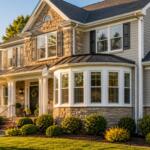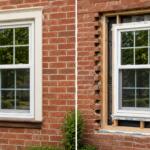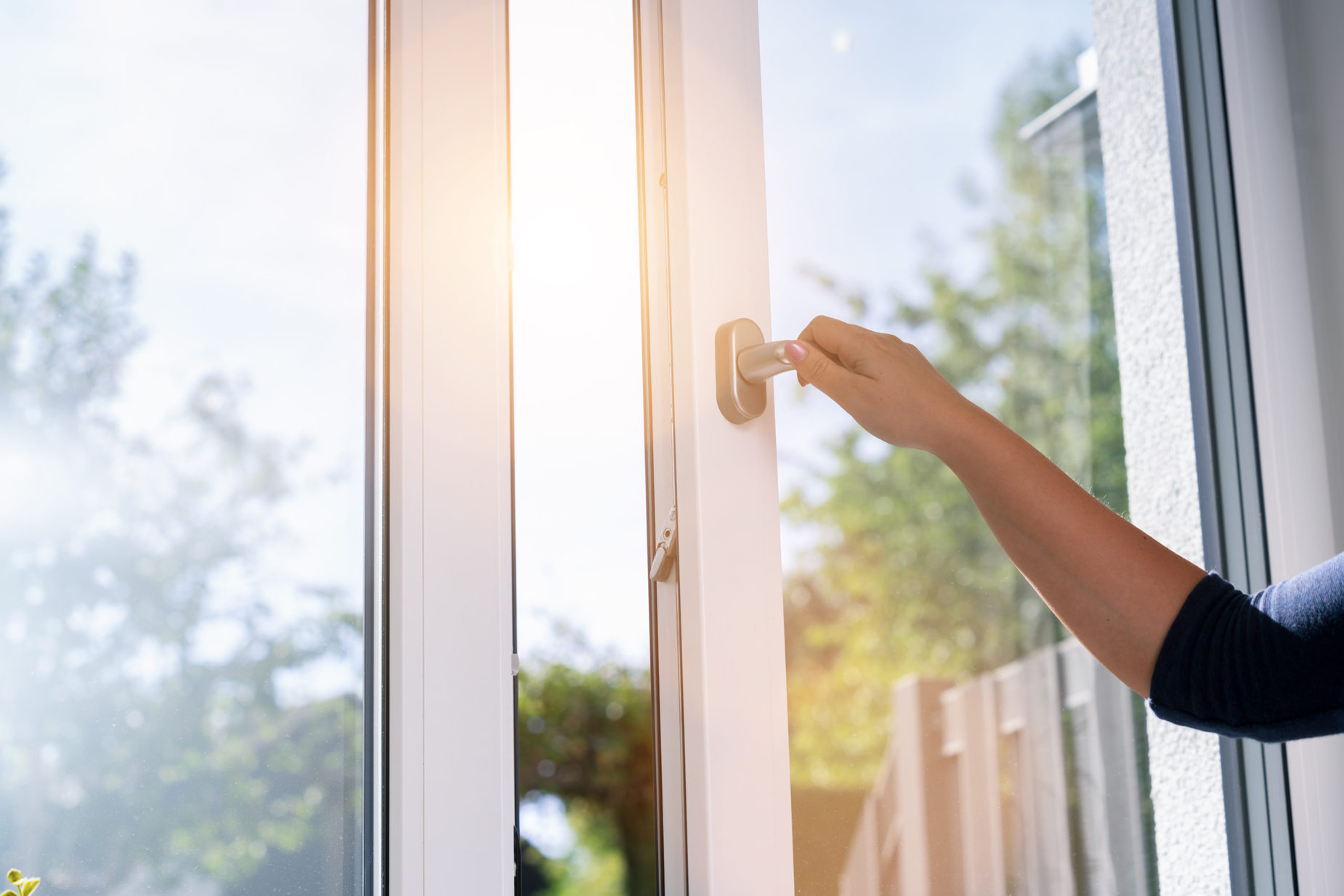
Choosing the right windows for your Mid-Atlantic home doesn’t mean every room needs identical windows. Mixing window styles strategically can enhance both functionality and aesthetic appeal while maintaining your home’s cohesive design. Whether you’re planning a complete window replacement or updating specific rooms, understanding how to combine different window styles effectively can transform your home’s comfort and curb appeal.
This guide will show you exactly how to mix and match replacement windows the right way, ensuring energy efficiency, visual harmony, and long-term value for your Maryland, Virginia, or DC home.
Should You Mix Window Styles in Your Home?
Absolutely. Different window styles offer unique advantages and disadvantages that make them better suited for specific rooms and purposes. The key is understanding how operation, materials, and aesthetics work together to create a cohesive design throughout your home.
Modern homeowners successfully combine casement, double-hung, picture, bay, and sliding windows within the same property. The secret lies in maintaining consistency where it matters most while allowing each room’s function to guide your window selection.
The 70/30 Rule for Window Style Combinations
When planning your window replacement project, interior designers recommend following the 70/30 rule. Choose one primary window style for 70% of your home’s windows and complement it with accent styles for the remaining 30%. This approach creates visual interest without appearing chaotic or disjointed.
For example, you might install double-hung windows throughout most of your home while incorporating casement windows in the kitchen for superior ventilation and picture windows in the living room to frame scenic views.
Window Operation: Matching Function to Room Purpose
Start by considering whether you want sliding or hinged windows for each space. Understanding how different window styles operate will help you make informed decisions for every room.
Hinged Windows (Casement and Awning)
Hinged windows operate with a crank mechanism and suit small spaces better than sliding alternatives. Casement windows swing outward from side hinges, while awning windows are hinged at the top. These windows open more widely than any other type, making them ideal for kitchens, bathrooms, and areas requiring maximum ventilation. The compression seal created when closed makes them exceptionally energy efficient in Maryland’s variable climate.
Sliding Windows (Double-Hung and Horizontal Sliders)
Sliding windows can open vertically or horizontally, making them compact and easy to operate. Double-hung windows feature two sashes that slide vertically, and many models include a tilt function for easy cleaning from inside your home. This feature makes them a great choice for upstairs bedrooms and hard-to-reach areas. Horizontal sliding windows work well in wider spaces where you want unobstructed views and simple operation.
Fixed Windows (Picture and Bay/Bow)
Picture windows don’t open but provide maximum natural light and unobstructed views. Bay and bow windows create architectural interest by projecting outward from your home’s exterior, allowing light to enter from multiple angles. These work beautifully as focal points in living rooms and dining areas.
Choosing the Right Window Frame Material
Window frames can be made from vinyl, wood, aluminum, or fiberglass. Your frame choice affects not only aesthetics but also durability, maintenance requirements, energy efficiency, and long-term cost.
Vinyl Frames (Recommended for Mid-Atlantic Climate)
Vinyl frames can be manufactured in various colors to complement your home’s exterior while maintaining superior energy efficiency properties. They’re affordable, easy to maintain, and never require painting or staining. Thompson Creek custom-manufactures vinyl windows in our Maryland facility, designed specifically to withstand the region’s temperature extremes, humidity, and coastal weather patterns.
Wood Frames
While wood frames give an authentic look to historic homes, they’re a costly option and require regular maintenance. Wood isn’t recommended for the Mid-Atlantic region’s humid summers and wet winters due to potential rot, warping, and deterioration.
Aluminum Frames
Aluminum is affordable but not energy-efficient. Metal conducts heat readily, which means aluminum frames lose heat during Mid-Atlantic winters and allow heat gain during summer months, increasing your utility costs year-round.
Fiberglass Frames
Fiberglass is extremely durable and offers excellent insulative properties, but the complex manufacturing process adds significant cost. While performance is comparable to vinyl, the price difference rarely justifies the investment for most homeowners.
Maintaining Visual Cohesion
Choosing the same window frame material for all your replacement windows helps your house maintain a cohesive look even when mixing styles. Consistent frame color, hardware finishes, and grille patterns tie different window types together visually.
Exploring Window Styles and Shapes
Although rectangular windows remain the most affordable and popular option, you can play around with shapes and styles to bring architectural interest to your home. Custom shapes and specialty windows create focal points and enhance your home’s unique character.
Architectural Specialty Windows
Arches complement historical homes and traditional architecture beautifully. Circular and oval windows add character to contemporary and coastal properties. Trapezoid and triangle windows work perfectly in cathedral ceilings and modern architectural designs.
Functional Decorative Windows
Some windows prioritize style over function. Bay and bow windows, often featured in living rooms and primary bedrooms, allow light to enter from multiple angles while creating additional interior space. Picture windows don’t open or provide ventilation but frame views perfectly, making them ideal for scenic vistas or modern home designs.
Custom Window Solutions
If you have a unique window idea, consider having a custom window manufactured to your exact specifications. Custom windows ensure perfect fit, optimal energy efficiency, and complete design flexibility. Thompson Creek designs and builds custom windows in our 70,000-square-foot Maryland manufacturing facility, allowing us to create windows for any architectural style or size requirement.
Room-by-Room Window Style Recommendations
Different rooms have different needs. Here’s how to choose the best window styles for each space in your home:
Kitchens and Bathrooms
These high-moisture areas benefit from casement or awning windows positioned to provide maximum ventilation while maintaining privacy. The crank operation makes them easy to open even over sinks and countertops.
Bedrooms
Double-hung windows excel in bedrooms because they offer flexible ventilation control, easy cleaning with tilt-in sashes, and enhanced security when properly locked. They also accommodate window treatments effectively.
Living Rooms and Family Rooms
These social spaces benefit from picture windows or bay/bow window combinations that maximize natural light and create focal points. Complement these with operable windows nearby for ventilation.
Home Offices
Casement windows paired with picture windows create inspiring workspaces with controlled natural light, reduced glare, and ventilation options that don’t disrupt desk arrangements.
Upstairs Hallways and Stairwells
Fixed or awning windows positioned high on walls provide natural light without compromising privacy or wall space needed for artwork and furniture.
Energy Efficiency: The Critical Consistency Factor
Although mixing window styles is recommended, there’s one area where consistency is critical. If you’re replacing windows to make your home more energy-efficient, use the same glass technology and ENERGY STAR® certified components throughout your entire home.
Why Glass Consistency Matters
Energy-efficient glass can save you money and regulate temperature throughout your home, but it works best when your entire home’s envelope performs consistently. Leaving even a single-paned window in your house can compromise the performance of your upgraded double-glazed windows, creating thermal weak points that allow heat to escape in winter and enter during summer.
According to the U.S. Department of Energy, homes can lose up to 30% of their heating and cooling energy through windows. Upgrading to ENERGY STAR® certified replacement windows can reduce household energy bills by approximately 12% annually in the Mid-Atlantic region.
Essential Energy-Efficient Features
Regardless of which window styles you choose, ensure all your replacement windows include:
- Low-E (low-emissivity) coatings that reflect infrared and ultraviolet light while allowing visible light to pass through
- Double-pane or triple-pane glass with argon or krypton gas fills for superior insulation
- Warm-edge spacers that reduce heat transfer around window perimeters
- Quality weather-stripping and compression seals that prevent air leakage
- ENERGY STAR® certification meeting 2022 criteria for the North-Central climate zone (Maryland, Virginia, DC)
Thompson Creek replacement windows exceed ENERGY STAR® 2022 criteria and feature AAMA-tested construction that withstands winds up to 146 mph, perfect for Mid-Atlantic weather extremes including nor’easters, hurricanes, and summer storms.
Coordinating Design Elements Across Window Styles
Maintaining visual harmony when mixing window styles requires attention to unifying design elements:
Hardware and Finish Consistency
Select one signature hardware finish (brushed nickel, oil-rubbed bronze, matte black) for all windows throughout your home. Consistent hardware creates visual continuity even when window styles differ.
Grille Pattern Coordination
If you prefer divided-light windows, use consistent grille patterns across all window types. Choose between colonial, prairie, or custom patterns, then apply that pattern to every window style in your home.
Frame Color Matching
Specify identical exterior and interior frame colors for all replacement windows. Thompson Creek offers vinyl windows in numerous colors that maintain their appearance without painting or fading, ensuring long-term color consistency.
Trim and Casing Uniformity
Interior and exterior trim should remain consistent throughout your home regardless of window style variations. This creates architectural cohesion that ties different window types together.
Common Mistakes to Avoid When Mixing Window Styles
Ignoring Architectural Style
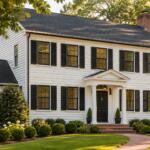
Your home’s architectural style should guide window selection. Colonial homes look best with traditional double-hung windows as the primary choice, while contemporary homes can successfully incorporate more dramatic style mixing.
Inconsistent Energy Performance
Never mix old single-pane windows with new energy-efficient replacements. The performance gap undermines your entire investment and continues wasting energy through the unreplaced windows.
Over-Mixing Styles
Using too many different window styles creates visual chaos. Remember the 70/30 rule and limit yourself to two or three complementary styles maximum.
Forgetting Proper Installation
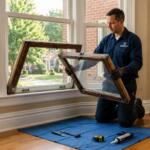
Even the highest-quality windows fail to perform correctly without professional installation. Poor installation creates air leaks, moisture problems, and shortened window lifespan regardless of window style or quality.
Neglecting Regional Climate Needs
The Mid-Atlantic region experiences temperature extremes from below-zero winters to 95°F+ summers, plus high humidity and severe storm exposure. Your replacement windows must be specifically designed and tested for these conditions.
FAQ: Mixing Window Styles
Can I mix window styles on the same floor or in adjacent rooms?
Absolutely. Different rooms have different functional needs that different window styles address best. The key is maintaining consistent frame material, color, hardware, and energy-efficient glass technology throughout your home to ensure visual and performance cohesion.
Will mixing window styles hurt my home’s resale value?
No. When done thoughtfully with attention to cohesion principles, mixing window styles can actually enhance your home’s value by demonstrating that you’ve optimized each room for its specific purpose. According to Zillow research, energy efficiency ranks as extremely or very important to more than 50% of homebuyers, making professional window replacement a strong investment regardless of style choices.
Should I replace all my windows at once or room by room?
Replacing all windows simultaneously offers several advantages: consistent product specifications, better contractor pricing, unified energy performance, and avoiding mid-project price increases or product discontinuations. However, if budget requires a phased approach, prioritize rooms where you spend the most time or where windows are in worst condition.
How long do vinyl replacement windows last?
High-quality vinyl windows like those Thompson Creek manufactures typically last 20-40 years with minimal maintenance. Thompson Creek windows come with a 50-year No-Hassle Warranty, providing confidence in long-term performance and value.
Do different window styles have different energy efficiency ratings?
Window style affects energy efficiency to some degree. Fixed windows (picture windows) are the most energy-efficient because they can’t be opened, eliminating potential air leakage points. However, casement and awning windows with compression seals perform nearly as well. Double-hung and sliding windows typically have slightly lower energy efficiency due to their operating mechanisms, but high-quality models with proper installation still provide excellent performance. The glass technology and installation quality matter more than style differences.
Can I mix window styles and still maintain ENERGY STAR® certification?
Yes. ENERGY STAR® certification applies to individual windows based on their thermal performance characteristics, not their operational style. You can mix casement, double-hung, picture, and other styles throughout your home while ensuring every window meets or exceeds ENERGY STAR® criteria for your climate zone.
Why Choose Thompson Creek for Your Window Replacement Project
When you’re ready to mix and match replacement windows for your Maryland, Virginia, or DC home, Thompson Creek’s complete accountability ensures flawless results. We custom-manufacture every window in our 70,000-square-foot Maryland facility to your exact specifications, eliminating the guesswork and ensuring perfect fit every time.
Our replacement windows exceed ENERGY STAR® 2022 criteria and withstand winds up to 146 mph, protecting your home through Mid-Atlantic weather extremes. With factory-direct pricing, professional installation by our trained experts, and a comprehensive 50-year No-Hassle Warranty, you get superior quality without middleman markup.
Ready to upgrade your home with perfectly coordinated replacement windows? Schedule your free in-home consultation today and discover why Mid-Atlantic homeowners have trusted Thompson Creek since 1980. Our window experts will help you design the ideal window combination for your home’s style, your family’s needs, and your energy efficiency goals.
Get Your Free Window Replacement Estimate | Browse Our Window Styles | Read More About Energy Efficiency