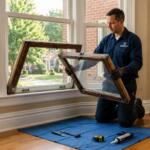
Pet-proofing your windows protects both your furry friends and your home investment. Dogs and cats naturally gravitate toward windows, watching outdoor activity, basking in sunlight, or seeking fresh air, but their claws, paws, and curious nature can quickly damage standard window screens and sills. For Maryland, Virginia, and D.C. homeowners with pets, understanding how to pet proof windows through durable materials, strategic window selection, and protective measures prevents costly repairs while keeping your pets safe.
From heavy-duty pet resistant screens to scratch-resistant window sills and sound-reducing glass, modern pet proof windows combine functionality with durability. The right combination of materials and window styles creates a pet-friendly home environment where you can enjoy open windows without worrying about screen damage, escape attempts, or noise disturbances.
Choose Heavy-Duty Pet Resistant Screens
Standard fiberglass window screens tear easily under pets’ claws and persistent pawing. Heavy-duty pet resistant screens solve this problem with materials specifically engineered to withstand animal damage.
Vinyl-Coated Polyester Screens:
The most effective pet proof window screens use vinyl-coated polyester mesh—up to 7 times stronger than traditional fiberglass or aluminum screening. This durable material resists:
- Scratching and clawing from cats and dogs
- Punctures from sharp claws
- Stretching from jumping or pushing
- Weather-related deterioration
PVC-Coated Polyester Options:
Premium pet screens feature PVC coating with breaking strengths exceeding 400 lbs, making them virtually indestructible for typical household pets. These screens work equally well for double-hung windows, sliding windows, and patio doors.
Screen Placement Considerations:
Dogs and cats typically target the lower third of screens where they can gain footholds or push with their paws. For Mid-Atlantic homes where seasonal ventilation matters, installing pet-resistant screens ensures you can open windows during pleasant spring and fall weather without risking screen damage or pet escapes.
Select Durable Window Sill and Frame Materials
Window sills and frames endure significant wear from pets who use them as perches, scratching posts, or vantage points. Material selection dramatically impacts longevity and maintenance.
Best Materials for Pet-Proof Window Sills:
- Vinyl: Scratch-resistant, easy to clean, won’t rot or decay
- Metal/Aluminum: Extremely durable, resists scratching and chewing
- Composite Materials: Combines strength with aesthetic appeal
- Stone/Tile: Nearly indestructible but may require professional installation
Avoid Soft Materials:
Wood sills, while beautiful, quickly develop scratches, gouges, and chips from pet activity. Painted wood requires frequent touch-ups where claws remove finish. If you prefer wood’s aesthetic, consider applying protective coatings or choosing composite window frames that mimic wood’s appearance without the vulnerability.
Thompson Creek’s vinyl window frames resist scratching, won’t warp or rot in Mid-Atlantic humidity, and maintain their appearance despite daily pet contact—ideal for households with active dogs or curious cats.
Install Sound-Reducing Glass for Barking Dogs
Dogs bark—at passing pedestrians, delivery drivers, squirrels, and other dogs. For Mid-Atlantic neighborhoods where homes sit close together, excessive barking creates tension with neighbors and disrupts household peace.
How Sound-Reducing Windows Help:
Sound Shield windows dramatically reduce noise transmission both leaving and entering your home. Benefits include:
- Reduced exterior noise: Less barking reaches neighbors
- Decreased triggers: Outside sounds that provoke barking are quieter
- Improved home comfort: Neighborhood noise doesn’t disturb indoor activities
- Better rest: Quieter environment benefits both pets and humans
Sound Shield Technology:
Thompson Creek’s Sound Shield windows filter out 35% more noise than standard double-pane windows through:
- Multiple glass layers (3mm and 5mm thicknesses)
- Argon gas fills between panes
- Optimized spacing for sound wave dissipation
- Robust honeycomb frames
For urban and suburban Maryland, Virginia, and D.C. homes, sound-reducing windows benefit pets sensitive to outside noise while protecting neighbors from indoor pet sounds.
Consider Garden Windows for Cat Enrichment
Cats crave window access for sunbathing, bird watching, and environmental stimulation. Garden windows provide perfect cat-friendly solutions without compromising security or encouraging escapes.
Garden Window Benefits for Cat Owners:
- Expanded viewing area: Glass on three sides plus overhead maximizes sightlines
- Built-in perch: Shelf space creates natural cat lounging spots
- Abundant sunlight: Ideal for sun-loving cats
- Secure enclosure: Fixed glass prevents escapes while providing outdoor connection
- Ventilating side panels: Fresh air without full window opening
Installing garden windows above kitchen sinks or in living areas gives cats dedicated viewing spaces, potentially reducing their interest in other windows and screens. The contained design prevents escape attempts while satisfying natural curiosity about outdoor activities.
Use Secure Window Locks and Limiters
Even with durable screens, preventing pets from opening windows adds critical safety layers—particularly for cats who’ve mastered window mechanisms or large dogs who push against windows.
Childproof Locks for Pet Safety:
Childproof window locks work equally well for pets, preventing accidental openings. These locks allow adults easy operation in emergencies while stopping pets from manipulating standard locks. For casement windows, removing crank handles when windows aren’t in use eliminates the primary opening mechanism.
Window Opening Limiters:
Devices that restrict window opening distance allow fresh air ventilation while preventing pets from squeezing through or pushing windows fully open. Adjustable limiters let you control the exact opening width—typically 4-6 inches provides adequate airflow while blocking pet passage.
Storm Windows for Extra Protection:
In Maryland, Virginia, and D.C., seasonal storm windows add weather protection while creating an additional barrier between curious pets and the outdoors. Combined with pet-resistant screens, storm windows provide multi-layered security.
Tempered Glass for Ground-Level Windows
Ground-level windows—those within 18 inches of the floor—face higher risk of impact from jumping pets, playing children, and accidental bumps. Tempered glass provides essential protection.
Tempered Glass Benefits:
Thompson Creek offers tempered glass options that are 4-5 times stronger than conventional window glass. Key advantages include:
- Impact resistance: Withstands jumping dogs and cat collisions
- Safety if broken: Shatters into small, less dangerous pieces
- Building code compliance: Required for bathroom windows and low-level installations
- Durability: Resists scratching better than standard glass
For pet owners with large, energetic dogs or homes with multiple cats, tempered glass on ground-level windows prevents costly breakage while protecting pets from injury.
Strategic Window Placement and Style Selection
Certain window styles naturally accommodate pet households better than others through their design, operation, and placement options.
Best Window Styles for Pet Owners:
Awning Windows: Hinged at the top and opening outward, awning windows can be placed higher on walls—above typical pet reach. This positioning allows ventilation without low-level screen exposure to claws or paws.
Picture Windows: Fixed glass without screens eliminates screen damage concerns entirely. Combined with operable windows in other rooms, picture windows provide views and natural light without pet-accessible components.
Slider Windows: Horizontal sliding windows work well when the bottom sash remains fixed and only the top operates, keeping screens away from ground-dwelling pets.
Double-Hung Windows: Opening only the top sash provides fresh air while keeping the lower section (where pets congregate) closed and screen-protected.
Maintain Window Screens Regular
ly
Even heavy-duty pet resistant screens require periodic inspection and maintenance to ensure optimal performance throughout their lifespan.
Screen Maintenance Schedule:
- Monthly visual inspections: Check for tears, loose sections, or frame damage
- Seasonal cleaning: Remove dirt, pollen, and pet hair buildup
- Annual frame checks: Ensure screen frames remain secure in tracks
- Immediate repairs: Address any damage before pets enlarge small tears
Cleaning Pet-Resistant Screens:
Use mild soap and water with soft-bristle brushes—avoid pressure washers that may damage even heavy-duty screens. Vacuum both sides regularly to remove pet hair and debris that accumulates from frequent pet contact.
Thompson Creek’s 50-year No-Hassle Warranty covers window screens, providing long-term protection and replacement if screens fail due to defects—though pet damage typically falls outside warranty coverage.
Frequently Asked Questions About Pet-Proof Windows
Will pet-resistant screens completely prevent damage from my large dog?
While pet-resistant screens are 7x stronger than standard screens, extremely determined or large dogs may still cause damage. Combine heavy-duty screens with training, window opening limiters, and strategic window selection for best results.
Can cats still see through pet-resistant screens?
Yes. Pet-resistant screens maintain good visibility despite being thicker than standard fiberglass. The slightly darker appearance is minimal and doesn’t significantly obstruct views for cats or humans.
Are vinyl window frames truly scratch-resistant?
Vinyl frames resist scratching much better than wood but aren’t completely impervious to determined clawing. However, any marks typically don’t penetrate vinyl’s solid color, making damage less noticeable than on painted surfaces.
Do sound-reducing windows work for both incoming and outgoing noise?
Yes. Sound Shield windows reduce noise transmission in both directions, decreasing outdoor sounds that trigger barking while simultaneously preventing indoor dog barking from disturbing neighbors.
How much do pet-resistant screens cost compared to standard screens?
Pet-resistant screen material costs approximately 2-3 times more than standard fiberglass, but significantly longer lifespan (often 5-10 years vs. 1-3 years with pets) makes them more cost-effective long-term.
Why Choose Thompson Creek for Pet-Friendly Windows
Thompson Creek understands Mid-Atlantic pet owners need windows that withstand both curious cats and energetic dogs while enduring regional weather extremes. Our custom-manufactured windows feature durable vinyl frames, heavy-duty screen options, and energy-efficient glass packages that exceed ENERGY STAR® 2022 criteria—all built specifically for Maryland, Virginia, and D.C. climate conditions.
Every Thompson Creek window includes our industry-leading 50-year No-Hassle Warranty covering frames, glass, hardware, screens, and professional installation. With over 40 years serving the Mid-Atlantic region, we understand local architectural styles, weather challenges, and the unique needs of pet-owning households.
Ready to upgrade to pet-friendly windows built to last? Schedule your free consultation with Thompson Creek today. Our window experts will help you select the perfect combination of durable materials, strategic styles, and protective features for your pet-loving Maryland, Virginia, or D.C. home, backed by local manufacturing, professional installation, and an unbeatable warranty.