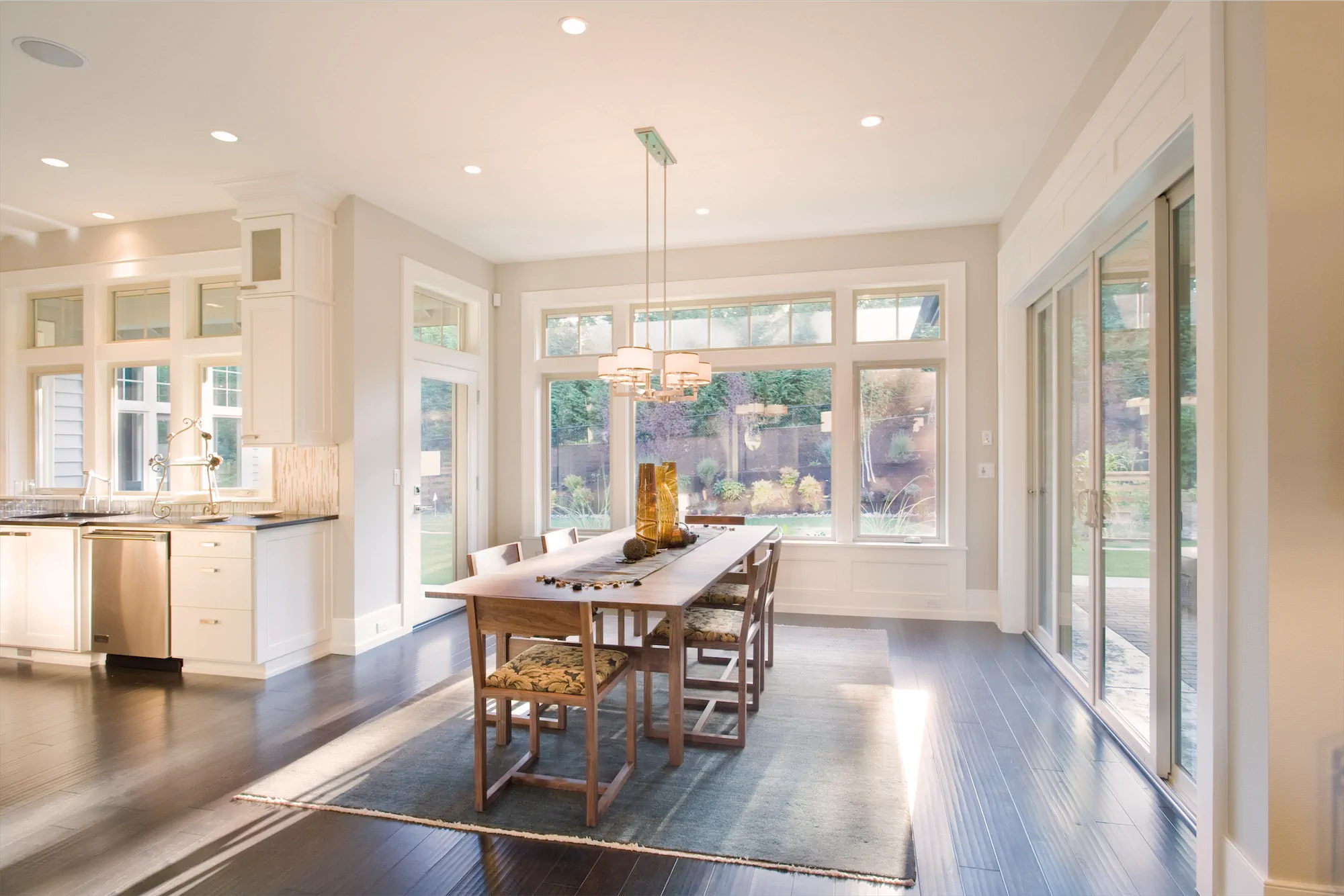
Combination windows merge the expansive views of picture windows with the ventilation and functionality of operable windows, creating versatile solutions that enhance both form and function in your Mid-Atlantic home. For Maryland, Virginia, and DC homeowners seeking to maximize natural light while maintaining airflow and energy efficiency, strategic window combinations offer the perfect balance.
This comprehensive guide explores the most popular combination window styles, their benefits for different rooms, design considerations, and how custom-manufactured combinations can transform your home’s comfort and appearance.
What Are Combination Windows?
Combination windows integrate two or more different window styles into a single unit or cohesive design. The most common configurations pair large, non-operating picture windows with functional windows like casements, double-hung, or awning windows that open for ventilation.
This approach solves a fundamental limitation of picture windows. While picture windows maximize views and flood rooms with natural light, they don’t open. By combining them with operable windows, you enjoy unobstructed scenery plus fresh air circulation, creating a more connected experience with the outdoors.
Combination windows work particularly well in rooms with beautiful views, where you want maximum glass surface area without sacrificing ventilation. They’re also ideal for creating architectural interest and balanced design proportions on your home’s exterior.
Most Popular Combination Window Styles
Picture Window with Casement Flankers
This classic combination remains one of the most sought-after window configurations for front-facing rooms and living spaces. A large center picture window provides an uninterrupted view, while casement windows on either side swing outward for ventilation.
Key Benefits:
- Maximum airflow: Casement windows open fully outward, catching breezes and directing them into your home more effectively than sliding windows
- Unobstructed views: The picture window center creates a focal point without mullions or grids interrupting the scenery
- Enhanced curb appeal: This three-panel configuration adds architectural dimension to home facades
- Superior energy efficiency: Casement windows are among the most energy-efficient operable window types due to their compression seals
Best Room Applications: Living rooms, dining rooms, master bedrooms, and front-facing spaces benefit most from this combination. The symmetry creates visual balance, while the casement windows provide adjustable ventilation levels to suit changing comfort needs.
Operation: Casement windows operate with crank handles at the base, making them easy to open even when furniture sits below. This makes them practical for locations above kitchen sinks or behind sofas where reaching a standard window might be difficult.
Picture Window with Double-Hung Flankers
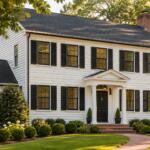
Double-hung windows flanking a center picture window create a traditional, symmetrical appearance that complements most Mid-Atlantic home styles. Both sashes in double-hung windows slide vertically, allowing you to control ventilation from the top or bottom.
Key Benefits:
- Space-efficient operation: Windows slide vertically without extending beyond the frame, ideal for homes with limited exterior clearance near walkways, patios, or landscaping
- Easy cleaning: Modern double-hung windows tilt inward, allowing you to clean exterior glass from inside your home
- Flexible ventilation: Open top sash for hot air escape or bottom sash for cool air intake
- Classic aesthetic: This timeless configuration suits traditional, colonial, and craftsman-style homes
Best Room Applications: Bedrooms, dining rooms, and formal living spaces where furniture placement requires windows that don’t swing inward or outward. This combination works particularly well in upstairs rooms where exterior access for cleaning would otherwise be difficult.
Size Considerations: The most common configuration uses a 36-inch or 48-inch wide picture window center with 24-inch to 36-inch wide double-hung windows on each side, creating balanced proportions while maintaining adequate ventilation capacity.
Picture Window with Awning Windows
Awning windows positioned above or below picture windows create contemporary combinations with clean horizontal lines. Awning windows hinge at the top and open outward from the bottom, providing unique ventilation characteristics.
Key Benefits:
- Rain-friendly ventilation: Awning windows can remain open during light rain without water entering your home
- Privacy with airflow: When positioned above picture windows in bathrooms or bedrooms, awning windows provide ventilation while maintaining privacy
- Modern aesthetic: The horizontal emphasis complements contemporary and mid-century modern architecture
- Security: Awning windows positioned high on walls allow ventilation without compromising home security
Best Room Applications: Bathrooms, basements, kitchens, and rooms where privacy or security concerns make lower operable windows impractical. The combination works especially well in contemporary home designs throughout Maryland and Virginia.
Configuration Options: Awning windows typically measure 24 to 48 inches wide and 12 to 24 inches tall, creating proportions that complement rather than compete with picture window focal points.
Bay Window Combinations
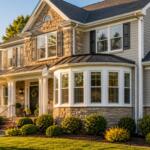
Bay windows extend outward from your home’s exterior, typically featuring three panels arranged at angles. The center panel is usually a large picture window, with operable casement or double-hung windows on the angled sides.
Key Benefits:
- Expanded floor space: Bay windows project outward, adding usable interior square footage
- Multi-angle light: Light enters from three directions, brightening rooms more effectively than flat windows
- Built-in seating potential: The interior ledge creates perfect reading nooks or display areas
- Dramatic curb appeal: Bay windows add architectural interest and dimension to home exteriors
Best Room Applications: Living rooms, breakfast nooks, master bedrooms, and any space where you want to create a focal point while adding functional interior space. Bay windows work particularly well in traditional and Victorian-style homes.
Structural Considerations: Bay windows require proper roof structure and support. Professional installation ensures proper flashing, sealing, and structural integrity to prevent water infiltration and maintain energy efficiency.
Bow Window Combinations
Bow windows create a gentle curved appearance using four, five, or more window panels. Unlike bay windows with sharp angles, bow windows form a smooth arc extending from your home’s exterior.
Key Benefits:
- Maximum natural light: More glass panels mean more light from multiple angles
- Elegant curved aesthetic: The rounded profile creates sophisticated Victorian-inspired appeal
- Customizable configuration: Choose the number of panels and mix of operable versus fixed windows
- Expansive views: The curved design provides nearly 180-degree viewing angles
Best Room Applications: Formal living rooms, dining rooms, and master bedrooms where you want to make a statement. Bow windows work beautifully in traditional, Victorian, and upscale contemporary homes.
Cost Considerations: Bow windows typically cost more than bay windows due to additional panels and custom manufacturing requirements. However, the dramatic impact on interior ambiance and exterior curb appeal often justifies the investment.
Slider Window with Picture Window Combinations
Sliding windows paired with center picture windows create wide horizontal configurations popular in contemporary and ranch-style homes. Sliding windows open left or right along a track, maintaining a flush profile with your home’s exterior.
Key Benefits:
- Contemporary aesthetic: Wide horizontal lines complement modern architecture
- Panoramic views: Three-panel configurations create expansive viewing areas
- Easy operation: Sliding mechanisms require minimal effort, ideal for hard-to-reach locations
- Compact operation: No interior or exterior projection when opened
Best Room Applications: Living rooms, family rooms, and any space emphasizing horizontal design elements. This combination works particularly well along staircases or decks where outward-swinging windows would create obstructions.
Mid-Atlantic Suitability: Sliding windows work well in Maryland and Virginia homes with limited exterior clearance. Thompson Creek sliding windows are tested to withstand winds up to 146 mph, making them suitable for coastal and storm-prone areas.
Designing Effective Window Combinations
The Rule of Three
Window combinations typically work best using three panels, creating visual balance through symmetry. A larger center panel flanked by smaller side windows establishes a pleasing focal point while maintaining proportional harmony.
This design principle, known as the rule of three in interior design, creates more visual interest than paired or single windows while avoiding the cluttered appearance of too many panels.
Proportional Balance
The center picture window should be noticeably larger than the flanking windows, typically 50% to 100% wider. For example, a 48-inch picture window pairs well with 24-inch or 30-inch side windows, creating a clear visual hierarchy.
Avoid making all three windows the same size, as this eliminates the focal point and can appear monotonous. Similarly, don’t make side windows too small in proportion to the center, as this creates an unbalanced appearance.
Matching Sightlines
For the most cohesive appearance, align the tops of all windows in a combination at the same height. This creates a continuous horizontal line that enhances the sense of width and makes rooms feel larger.
Consider mixing window styles throughout your home, but maintain consistent header heights on each exterior wall for unified curb appeal.
Energy Efficiency Considerations
While combining window types adds variety, maintain consistent glazing quality throughout. All windows in a combination should feature the same Low-E coatings, argon gas fills, and U-factor ratings to ensure uniform energy performance.
Mixing single-pane windows with double-pane or triple-pane windows creates thermal weak points that reduce overall energy efficiency. Thompson Creek’s custom manufacturing ensures all windows in a combination unit meet ENERGY STAR certification standards.
Room-Specific Combination Recommendations
Living Rooms
Large picture windows with casement or double-hung flankers create bright, welcoming spaces perfect for entertaining. Consider floor-to-ceiling combinations in rooms with beautiful views, maximizing natural light while maintaining ventilation options.
For living room windows, balance view access with furniture placement. Picture windows work best on walls without large furniture pieces, while operable flankers provide airflow without disrupting room layout.
Bedrooms
Picture windows with double-hung or casement flankers offer privacy control with ventilation flexibility. Position operable windows where you can easily reach them from the bed for nighttime ventilation.
Consider egress requirements for bedroom windows. Building codes often require minimum opening sizes for emergency escape, which operable flanker windows can satisfy even when the center picture window is fixed.
Kitchens
Picture windows above sinks pair beautifully with awning windows for ventilation that works even during rain. This combination provides unobstructed views while cooking while allowing cooking odors and heat to escape.
Garden windows offer another kitchen option, creating miniature greenhouse spaces perfect for herbs while adding architectural interest.
Bathrooms
Small picture windows combined with awning windows provide privacy while maintaining light and ventilation. Position awning windows higher on walls for privacy without sacrificing function.
Alternatively, use obscure or frosted glass in picture windows paired with standard clear glass awning windows positioned for airflow without compromising privacy.
Dining Rooms
Bay or bow window combinations transform dining areas into showpiece spaces. The expanded floor area accommodates larger tables, while multi-angle light creates a welcoming ambiance for meals and entertaining.
Consider east-facing dining room combinations for beautiful morning light during breakfast or west-facing placements for sunset views during dinner.
Installation and Structural Considerations
Load-Bearing Requirements
Combination windows, especially bay and bow configurations, may require additional structural support. The weight of multiple glass panels plus extended framework must be properly supported to prevent sagging or stress damage.
Professional installation ensures proper header sizing, support brackets, and load distribution. Thompson Creek’s experienced installers assess structural requirements during consultation, identifying any necessary reinforcements before manufacturing begins.
Flashing and Weatherproofing
Proper flashing installation is critical for combination windows, particularly those projecting from the exterior like bay and bow windows. Water infiltration can cause rot, mold, and frame deterioration if flashing fails.
Thompson Creek’s installation process includes comprehensive weatherproofing with properly integrated flashing systems, ensuring protection against Mid-Atlantic rain, snow, and humidity.
Energy Performance Integration
Combination windows perform best when all components work together as an integrated thermal unit. Gaps between separately installed windows create air leakage points that reduce energy efficiency and comfort.
Custom-manufactured combination units from Thompson Creek arrive as single integrated assemblies with continuous weatherstripping and uniform insulation, eliminating the thermal breaks that occur with separate window installations.
Cost Considerations for Combination Windows
Combination windows typically cost more than single windows due to additional glass panels, hardware, and installation complexity. However, the value they add to your home often exceeds the premium cost.
Factors Affecting Combination Window Costs:
- Number of window panels in the configuration
- Operating window type (casements typically cost more than double-hung or sliding windows)
- Specialized configurations like bay or bow windows requiring structural support
- Custom sizing versus standard dimensions
- Glass upgrades like triple-pane or specialty coatings
According to Remodeling Magazine’s Cost vs. Value Report, window replacement delivers an average 72.3% return on investment when selling your home. Dramatic combination windows in key rooms often deliver even higher returns due to their impact on curb appeal and interior ambiance.
Maintenance and Long-Term Care
Combination windows require the same basic maintenance as individual windows. Twice-yearly cleaning, occasional hardware lubrication, and weatherstripping inspection keep them functioning optimally for decades.
Modern vinyl replacement windows used in combination configurations never require painting or staining. Clean frames with mild soap and water, avoiding abrasive cleaners that can scratch surfaces.
Inspect bay and bow window roofs annually for proper drainage and seal integrity. Clear any debris from valleys and check flashing for signs of deterioration or separation.
Thompson Creek Custom Combination Windows
Thompson Creek manufactures combination windows custom-built for Mid-Atlantic homes in our 70,000-square-foot Maryland facility. Every combination unit is designed to your exact specifications, ensuring a perfect fit and maximum performance.
Complete Manufacturing Control
Our in-house manufacturing allows precise integration of multiple window types into cohesive units. Each component is built to the same exacting standards with matching finishes, hardware, and performance ratings.
Energy Efficiency Excellence
All Thompson Creek combination windows feature double-pane glass with Low-E coatings and argon gas fills. Our windows exceed current ENERGY STAR criteria, reducing heating and cooling costs while improving comfort year-round.
50-Year No-Hassle Warranty
Our industry-leading warranty covers both products and installation for up to 50 years. This comprehensive protection includes all components in combination units, from operating mechanisms to fixed panels and structural elements.
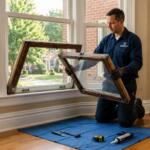
Professional Installation
Our factory-trained installers have extensive experience with complex combination window installations, including bay windows, bow windows, and multi-panel configurations. Proper installation maximizes energy efficiency, ensures structural integrity, and prevents future maintenance issues.
Frequently Asked Questions
What types of windows can be combined together?
Almost any window styles can be combined, but the most popular combinations pair picture windows with operable windows like casements, double-hung, awning, or slider windows. Bay and bow windows combine multiple window types within their curved or angled structures. The key is ensuring the combination serves both aesthetic and functional purposes.
Can you mix casement and double-hung windows in one combination?
Yes, you can mix different operable window types in a combination unit. For example, you might use casement windows on one side of a picture window and double-hung on the other, though this is less common. Most combinations use matching flanker windows for visual symmetry. Thompson Creek can custom-manufacture any configuration that meets your specific needs.
Do combination windows cost more than individual windows?
Combination windows typically cost more than single windows due to additional glass panels, increased hardware, custom manufacturing, and more complex installation. However, installing a pre-manufactured combination unit often costs less than installing multiple separate windows side by side. The enhanced curb appeal and functionality usually justify the investment.
Are combination windows more energy efficient?
Combination windows can be highly energy efficient when properly manufactured and installed as integrated units. The key is ensuring all panels feature the same high-performance glass, consistent Low-E coatings, and proper sealing between components. Thompson Creek’s combination windows are built as single thermal units, eliminating gaps that reduce efficiency in separately installed windows.
How do I clean picture windows in combination units?
Picture windows in combination units require exterior cleaning since they don’t open. You’ll need to clean them from outside your home, typically twice per year. The operable flanker windows can usually be cleaned from inside using tilt-in or crank-out features. Professional window cleaning services can handle hard-to-reach combination windows on upper floors safely.
Can combination windows fit in existing window openings?
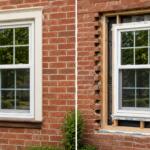
Yes, combination windows can be sized to fit existing openings, though some modifications may be necessary depending on current dimensions. Thompson Creek takes precise measurements during consultation and custom-manufactures combination units to fit your specific openings. Bay and bow windows extending beyond the exterior require additional structural work.
Which combination style is best for maximum ventilation?
Picture windows with casement flankers provide the best ventilation because casement windows open fully outward, catching breezes and directing maximum airflow into your home. Double-hung combinations offer good ventilation with the ability to open both top and bottom sashes for cross-breeze circulation.
Do bay and bow windows require special permits or structural work?
Bay and bow windows often require building permits because they extend beyond your home’s exterior and may need structural reinforcement. Thompson Creek handles permit requirements and ensures proper structural support, flashing, and roofing integration during professional installation.
How long do combination windows last?
Quality combination windows from Thompson Creek last 20 to 30 years or more with proper maintenance. Our 50-year No-Hassle Warranty provides comprehensive protection for both products and installation, giving you confidence in your investment’s longevity.
Can I replace just part of a combination window if one section fails?
Combination windows manufactured as integrated units should be replaced as complete assemblies to maintain energy efficiency and structural integrity. Individual panel replacement may be possible in some mulled window configurations, but this depends on the original manufacturing method and warranty terms.
Choosing the Right Combination for Your Home
Consider these factors when selecting combination window styles:
Views: Choose configurations that frame the best views from each room while maintaining privacy where needed.
Ventilation: Ensure at least one operable window in each combination for adequate airflow. Casement windows provide maximum ventilation, while double-hung windows offer controlled top-and-bottom airflow.
Architectural Style: Match window combinations to your home’s architecture. Traditional homes suit picture windows with double-hung flankers, while contemporary homes work well with slider or awning combinations.
Room Function: Different rooms have different needs. Bedrooms benefit from privacy and ventilation, kitchens need heat and odor exhaust, and living rooms prioritize views and natural light.
Budget: Bay and bow windows deliver maximum impact but cost more than flat combination configurations. Picture windows with casement or double-hung flankers offer excellent value with significant aesthetic and functional benefits.
Future Plans: If you plan to stay in your home long-term, invest in the combination windows you’ll enjoy for decades. If selling soon, focus on configurations that enhance curb appeal and broad market appeal.
Making Your Vision Reality
Combination windows transform homes by merging beautiful views with practical function. Whether you want the elegant curves of bow windows, the classic symmetry of picture windows with double-hung flankers, or the contemporary appeal of horizontal slider combinations, the right configuration enhances comfort, energy efficiency, and home value.
Thompson Creek’s window experts help you navigate the many options, ensuring your combination windows match your home’s architecture, your lifestyle needs, and your budget. We provide honest recommendations based on decades of experience serving Maryland, Virginia, DC, Pennsylvania, and North Carolina homeowners.
Ready to explore combination window options for your home? Schedule your free in-home consultation today. We’ll assess your current windows, show you combination possibilities, and provide a detailed quote with no pressure. Just expert advice from a family-owned company that’s been crafting custom windows since 1980.
Related Resources
Learn more about window styles and options:
- Different Types of Windows
- Should You Mix Window Styles?
- Understanding Picture Windows
- Casement Window Benefits
- Bay vs. Bow Windows Comparison
- Double-Hung Window Sizes
- Slider Window Dimensions
- Garden Windows for Kitchens
Serving Maryland, Virginia, Washington DC, Pennsylvania, and North Carolina with custom-manufactured windows, doors, siding, and roofing since 1980.