As the nights get longer and the days get colder, it’s common for homeowners to wonder which parts of their home-winterization checklist are essential. And window care is a necessary part of energy efficiency that shouldn’t be skipped for Mid-Atlantic homeowners preparing for Maryland, Virginia, and D.C. winters. So, should window screens be removed for winter?
In a nutshell, yes. Home winterization prevents damage to your property and makes the bitter cold months more comfortable inside your home. Research shows that removing window screens can block 30-40% more solar heat from entering your home, potentially raising room temperatures by up to 8 degrees during sunny winter days. Fortunately, if you have Thompson Creek windows, removing window screens is an easy job.
Should You Remove Window Screens in Winter?
Yes, you should remove your window screens when winter is approaching and restore them early in the spring. It’s a good habit to do this whether the screens are internal or external, particularly external screens. It’s most common for double-hung windows and slider windows to have their screens located outside, but some casement windows have internal screens.
For Mid-Atlantic homeowners, removing screens before the first snowfall is especially important. Our region experiences unpredictable winter weather—from heavy snow to ice storms followed by warm spells. This freeze-thaw cycle can trap moisture between screens and windows, causing damage to both.
Benefits of Removing Window Screens in Winter
There are several reasons to remove window screens in the winter:
Improved Solar Heat Gain Window screens block approximately 30-40% of sunlight from entering your home. During winter months, maximizing solar heat gain—especially from south and east-facing windows—provides free passive heating. Studies by the Midcoast Green Collaborative found that objects in direct sunlight through unscreened windows measured 8 degrees warmer than those behind screens.
Prevention of Snow and Ice Damage Mid-Atlantic winters bring snow storms that can deposit heavy, wet snow between screens and window frames. This trapped snow and ice can damage window sills, cause frame rot, stretch screen mesh, and create rust on metal components.
Better Window Visibility Removing screens provides a clearer, unobstructed view of winter landscapes. This is particularly noticeable on sunny days when you want to maximize natural light and visibility.
Easier Window Cleaning Fall is the ideal time to perform thorough window cleaning and maintenance before winter sets in. Removing screens allows complete access to window glass, tracks, and sills.
Opportunity for Inspection Screen removal provides the perfect chance to inspect windows for air leaks, damaged weatherstripping, or other issues that could compromise energy efficiency during heating season.
As we approach the colder months, that last benefit is worth special attention. Not only does the sunlight help heat a room, but it can also improve your mood during those dreary days. Removing your window screens makes the inside of your home as much as eight degrees warmer during the brightest periods of the day, saving money on your energy bill through reduced heating costs.
How to Remove and Store Window Screens
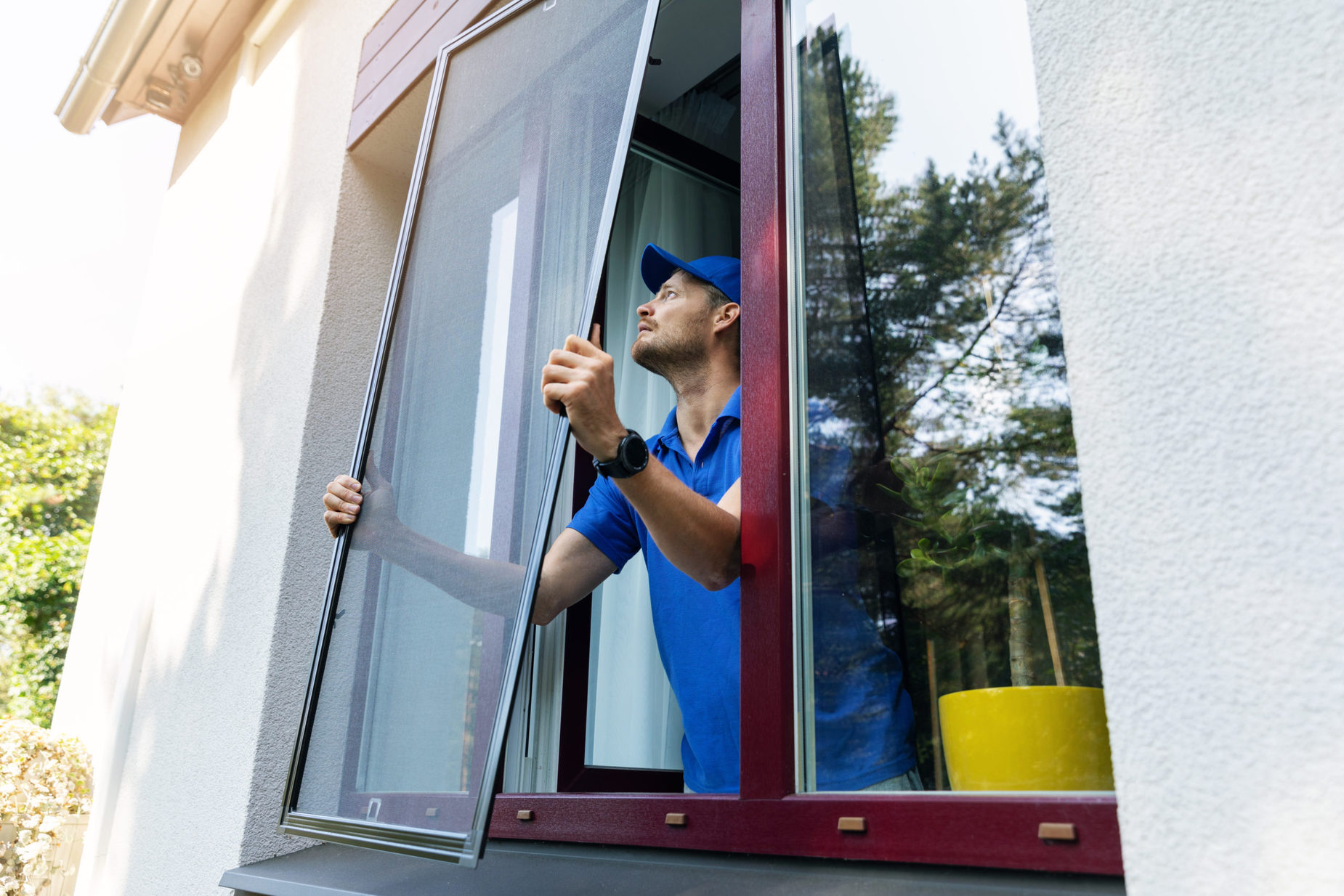
Pick a pleasant day towards the end of autumn to remove your window screens. Choose a dry day with temperatures above 50°F when you can work comfortably outside. Then take a moment to clean and inspect them for signs of damage such as tears, bent frames, or stretched mesh.
Step-by-Step Removal Process:
- Label each screen – Mark with chalk or tape noting which window it belongs to and orientation
- Clean screens – Hose off or vacuum both sides to remove dirt, pollen, and debris
- Inspect for damage – Check mesh for tears, holes, or sagging; examine frames for bends or rust
- Repair as needed – Fix minor tears with screen repair patches or replace heavily damaged screens
- Dry completely – Allow screens to air dry before storage to prevent mold
Mark each screen with chalk, so you know which window it belongs to. This makes it quicker and easier to replace the screens in the springtime. Store your screens somewhere safe, such as your garage, shed, or basement. Ideally, keep them in a space that’s rarely used to reduce the risk of accidental damage. Stack screens vertically or lay them flat—never lean them at angles that could warp frames.
Storm Windows for Additional Insulation
If you live somewhere with frigid temperatures in the winter, consider fitting storm windows once you’ve taken the screens down. These windows have superior insulation properties and will help you stay more comfortable during those frosty nights. Storm windows create an air pocket between the primary window and the storm panel, significantly improving insulation value—particularly important for older single-pane windows.
For modern ENERGY STAR® certified windows like those manufactured by Thompson Creek, the energy-efficient double-pane design with Low-E coatings and argon gas fills provides excellent insulation without storm windows. However, screen removal still maximizes solar heat gain benefits.
Window Maintenance While Screens Are Removed
Removing your screens is the perfect opportunity to clean the windows and inspect the tracks, sills, and frames for damage. It’s a good idea to thoroughly clean the tracks on windows and patio doors a few times per year. These narrow tracks attract a lot of dirt and dust, and if they aren’t properly cared for, the door could stick and become difficult to open during the cold months.
Fall Window Maintenance Checklist:
- Clean exterior and interior glass with vinegar and water solution
- Vacuum tracks and sills to remove debris
- Check weatherstripping for cracks, gaps, or deterioration
- Inspect caulking around window frames for breaks or missing sections
- Test window operation to ensure smooth opening and closing
- Look for signs of water damage, rot, or mold around frames
- Clean weep holes at bottom of window frames to ensure proper drainage
Like gutters, windows are fixtures that a lot of people forget about when it comes to maintenance, but it’s important to be proactive. Seasonal maintenance, including taking the time to remove window screens in winter, helps you avoid potentially expensive damage to the screens, problems with gutters, rotted window frames, and other issues that could compromise your home’s energy efficiency and structural integrity.
When to Reinstall Window Screens
Plan to reinstall your window screens in early spring—typically late March or early April in the Mid-Atlantic region. Wait until nighttime temperatures consistently stay above freezing and before trees start releasing pollen. Clean screens thoroughly before reinstallation, and inspect your windows one more time for any issues that developed over winter.
Why Choose Thompson Creek for Your Window Needs
If winter maintenance reveals that your windows need replacement, Thompson Creek has served Mid-Atlantic homeowners since 1980 with custom-manufactured windows built specifically for our regional climate. Our ENERGY STAR® certified windows exceed 2022 efficiency standards, featuring Low-E coatings and insulated glass that maximize winter solar heat gain while minimizing summer heat absorption. Every Thompson Creek window is custom-built in our Maryland facility with easy-to-remove screens designed for seasonal maintenance, backed by our 50-year No-Hassle Warranty covering both product and installation.
Ready to upgrade to maintenance-friendly, energy-efficient windows? Schedule your free consultation today and discover why Mid-Atlantic homeowners have trusted Thompson Creek for over 40 years. Our custom-manufactured windows come with easy-access screens, a 50-year warranty, and professional installation designed for Maryland, Virginia, and D.C. weather conditions.