The sound of window popping noise is surprisingly common for Mid-Atlantic homeowners, especially during seasonal temperature swings. These mysterious sounds often occur on warm, sunny days or during cooling cycles at night, leaving homeowners wondering whether they’re dealing with an insect problem, structural damage, or something else entirely. The good news? In most cases, windows making popping sounds aren’t indicating a serious safety issue—they’re typically the result of thermal expansion and installation problems that can be diagnosed and resolved.
Understanding what causes your windows to pop is the first step toward finding the right solution. Let’s explore the four main culprits behind this common phenomenon and what you can do to restore peace and quiet to your home.
Understanding Thermal Expansion in Windows and Siding
Before diving into specific causes, it’s helpful to understand thermal expansion—the scientific principle behind most window and siding noise. Materials like vinyl, aluminum, and even glass expand when heated and contract when cooled. In the Mid-Atlantic region, where temperature fluctuations can be dramatic (cold mornings warming to hot afternoons, or vice versa), these rapid changes trigger expansion and contraction cycles that produce popping or cracking sounds.
Modern energy-efficient windows are designed with spacers and proper installation techniques to accommodate this natural movement. However, when windows or siding are installed incorrectly, or when incompatible materials interact, these expansion cycles create the distinctive popping noises homeowners find so frustrating.
Main Causes of Windows Popping
#1: Poorly Installed Vinyl Siding
Vinyl siding popping is perhaps the most common culprit behind window-related noise—and ironically, it has nothing to do with the windows themselves. When vinyl siding is installed too tightly against your home, it can’t expand and contract naturally with temperature changes. Manufacturer specifications explicitly require small expansion gaps and loosely-fastened nails to allow for this thermal movement.
What happens: Siding nailed too tightly to the home becomes trapped. When temperatures rise, the vinyl expands but has nowhere to go, causing it to buckle and release tension with a sharp pop. This is especially noticeable on south and west-facing walls that receive intense afternoon sun exposure—common in Maryland, Virginia, and D.C. homes.
The solution: The siding must be removed and reinstalled correctly by experienced professionals who understand proper nailing techniques and expansion requirements. At Thompson Creek, our installation teams are trained to follow manufacturer specifications precisely, ensuring your vinyl siding performs quietly and efficiently for decades.
#2: Improperly Installed Windows
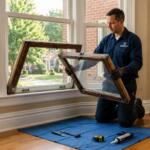
If the popping noises genuinely originate from your windows rather than surrounding siding, improper installation is usually to blame. Windows must be installed perfectly square, plumb, and level—even small deviations can create problems. When a window is installed out of alignment, the frame sides bend inward, putting constant pressure on the window sashes.
What happens: This pressure creates stress points that release suddenly as temperatures change, producing popping or cracking sounds. The problem typically worsens over time as thermal cycles repeatedly stress the misaligned components. You may also notice difficulty opening or closing the windows, visible gaps, or drafts—all signs of installation issues.
The solution: Unfortunately, there’s no quick fix. The windows must be completely removed and reinstalled correctly. This underscores the importance of choosing a reputable contractor from the start. Thompson Creek’s professional installation teams custom-fit each window to your home’s exact specifications, backed by our No-Hassle Warranty covering both product and installation for up to 50 years.
Prevention tip: When replacing windows, verify your contractor measures each opening individually rather than assuming standard sizes. Our Maryland-based manufacturing facility creates custom windows for each installation, ensuring perfect fit and operation.
#3: Aluminum-Clad Windows and Rapid Thermal Cycling
Aluminum heats and cools significantly faster than other window materials like vinyl or wood. Aluminum-clad windows subjected to rapid temperature changes—common during Mid-Atlantic spring and fall when nights are cool but days warm quickly—expand and contract at accelerated rates. This rapid thermal cycling produces characteristic popping sounds.
What happens: As morning sun hits aluminum-clad window frames, the metal expands quickly. During evening cooling, it contracts just as rapidly. Unlike gradual changes that occur silently, these swift expansions and contractions release energy audibly. The popping is most noticeable during seasonal transitions when temperature differentials are greatest.
The solution: Because the aluminum is integral to the window’s construction, the only permanent solution is replacing these windows with materials better suited to handle thermal stress. Thompson Creek’s custom vinyl windows offer superior thermal performance with minimal expansion and contraction, eliminating popping noises while improving energy efficiency. Our vinyl windows are specifically engineered for Mid-Atlantic weather extremes, from humid summer heat to cold winter temperatures.
#4: Low-E Glass Windows Reflecting Heat onto Aluminum Siding
This cause represents an unintended consequence of energy-efficient technology. Low-E glass windows feature special coatings that reflect heat rather than absorbing it—excellent for maintaining comfortable indoor temperatures. However, when these high-performance windows direct reflected sunlight onto aluminum siding, they create intense localized heating that causes rapid expansion.
What happens: The Low-E coating reflects concentrated solar energy onto nearby aluminum siding. This focused reflection heats the siding much faster than normal sun exposure would, causing rapid expansion. When the sun moves or temperatures drop, the siding contracts quickly, producing loud pops. This phenomenon is particularly common on south and west-facing walls in the Mid-Atlantic region.
The solution: You have two options. The long-term solution is replacing aluminum siding with vinyl or fiber cement siding that handles thermal stress better. Thompson Creek installs both premium vinyl siding and James Hardie® Fiber Cement, the #1 siding brand in North America, both of which resist thermal noise. The short-term solution is strategically shading affected windows with awnings or landscaping, though this reduces the Low-E glass’s energy-saving benefits.
When Window Popping Indicates a Serious Problem
While most window popping is merely annoying rather than dangerous, certain warning signs shouldn’t be ignored:
- Popping accompanied by visible cracks in window frames or glass
- Water infiltration or drafts around windows
- Windows becoming increasingly difficult to operate
- Condensation between window panes (indicates seal failure)
- Popping only in specific windows (may indicate localized structural issues)
If you notice any of these symptoms alongside popping noises, schedule a professional inspection promptly. Thompson Creek offers free in-home consultations where our experts assess your windows, identify problems, and recommend appropriate solutions.
Mid-Atlantic Climate Considerations
The Mid-Atlantic region’s unique climate makes window and siding popping particularly common. Our area experiences:
- Large daily temperature swings (especially spring and fall)
- High humidity levels that affect material expansion
- Intense summer sun creating rapid heating cycles
- Cold winter temperatures followed by warming periods
- Storm systems bringing rapid pressure and temperature changes
These conditions mean that windows and siding must be exceptionally well-installed and suited to handle thermal stress. Thompson Creek’s four decades of experience in the Mid-Atlantic region have taught us exactly what materials and installation techniques work best for Maryland, Virginia, D.C., Pennsylvania, and North Carolina homes.
The Role of Professional Installation in Preventing Popping
Quality installation is the single most important factor in preventing window and siding noise. Professional installers understand:
- Proper expansion gaps for siding and trim
- Precise square, plumb, and level alignment for windows
- Appropriate fastening techniques that allow thermal movement
- Flashing and sealing methods that maintain structural integrity
- Material compatibility to avoid problematic interactions
At Thompson Creek, we don’t just manufacture custom windows in our 70,000 square foot Maryland facility—we also handle installation with our own trained teams. This complete accountability from design through service means there’s no finger-pointing between manufacturer and installer when issues arise. One company designs it, builds it, installs it, and services it.
FAQ: Window Popping Sounds
Are popping windows a sign of poor quality?
Not necessarily. Even high-quality windows can pop if improperly installed or if incompatible materials (like Low-E glass and aluminum siding) interact. However, properly installed, custom-fitted windows from reputable manufacturers rarely produce persistent popping sounds.
Will window popping damage my home?
Occasional thermal popping typically doesn’t cause structural damage. However, persistent popping from improperly installed windows may indicate problems that could worsen over time, potentially leading to air leaks, water infiltration, and increased energy bills.
Can I fix window popping myself?
Some minor siding adjustments might be DIY-friendly for experienced homeowners, but window installation requires professional expertise. Improper installation or adjustments can void warranties and create bigger problems.
Does window popping get worse over time?
Yes, often. Thermal stress on improperly installed components can worsen gradually, leading to increased noise, operational difficulties, and eventually seal failure or structural problems.
What’s the difference between popping and other window noises?
Popping or cracking sounds typically result from thermal expansion. Rattling suggests loose components or poor weatherstripping. Squeaking indicates friction in operating mechanisms needing lubrication. Whistling points to air leaks requiring sealing.
Why Choose Thompson Creek for Window Noise Solutions
When window or siding popping disrupts your home’s comfort, Thompson Creek offers comprehensive solutions backed by over 40 years of Mid-Atlantic expertise. Our approach includes:
Custom Manufacturing: Every window is designed and built specifically for your home in our Upper Marlboro, Maryland facility, ensuring perfect fit and optimal performance for regional weather conditions.
Professional Installation: Our factory-trained installers follow precise specifications, with proper expansion allowances and alignment techniques that prevent popping problems from day one.
Complete Accountability: We design it, build it, install it, and service it—one company responsible from start to finish. No middleman markup, no vendor finger-pointing.
Industry-Leading Warranty: Our 50-year No-Hassle Warranty covers both product and installation, giving you decades of peace of mind.
Energy Efficiency Excellence: All our replacement windows exceed 2022 ENERGY STAR® criteria, with proven performance in reducing energy bills while eliminating thermal noise issues.
Tested Durability: AAMA-tested to withstand winds up to 146 mph, our windows are engineered for the Mid-Atlantic’s harshest weather—from summer heat waves to winter storms to spring temperature swings that trigger popping in poorly made products.
Ready to silence those annoying window pops? Schedule your free consultation today and discover why Mid-Atlantic homeowners have trusted Thompson Creek for over 40 years. Our custom-manufactured windows and doors come with industry-leading warranties and professional installation you can count on. As a family-owned company serving Maryland, Virginia, D.C., Pennsylvania, and North Carolina, we understand exactly what your home needs to perform quietly and efficiently year-round.