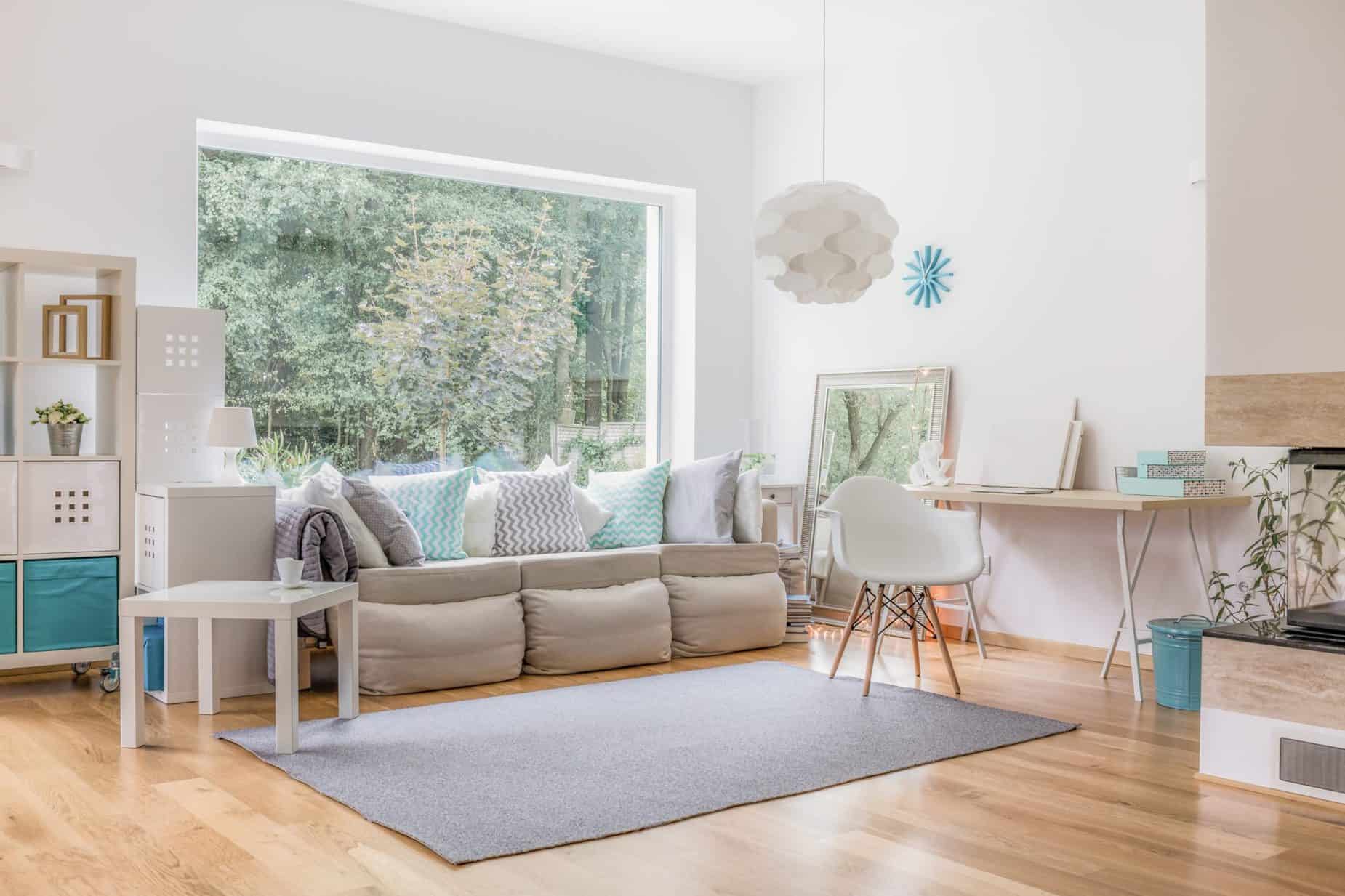
décor throughout the day. Whether you enjoy morning sunrises or evening golden hour, sunlight enhances your living experience. However, Mid-Atlantic homeowners face a significant challenge: UV rays that gradually fade and damage furniture, carpets, and wood finishes.
Understanding how to protect furniture from sun damage helps preserve your home investment while maintaining the natural light you love. This guide explores proven protection methods and explains why energy-efficient replacement windows offer the most comprehensive solution for Maryland, Virginia, and DC area homes.
Can the Sun Damage Furniture?
Yes, sunlight causes significant furniture damage through ultraviolet (UV) radiation exposure. UV rays penetrate standard glass windows and break down the chemical bonds in fabric dyes, wood stains, and upholstery materials. This photodegradation process leads to irreversible fading, discoloration, and material weakening over time.
Wooden furniture faces particular risk in the Mid-Atlantic region’s intense summer sun. UV exposure can either bleach wood lighter or darken it depending on the species—cherry and mahogany typically darken, while oak and maple tend to lighten. Temperature fluctuations from direct sunlight also cause wood to expand and contract, leading to warping, cracking, and joint separation.
Fabric furniture and carpets experience color fading within months of consistent UV exposure. Bright colors—reds, blues, and purples—fade fastest, while earth tones last slightly longer. Leather furniture develops dry patches and cracks when UV rays break down natural oils.
Understanding the Science of UV Damage
According to industry research, UV radiation accounts for approximately 40% of furniture fading. However, it’s not the only factor. Visible light contributes about 25% of the damage, while infrared radiation (solar heat) causes another 25%. The remaining 10% comes from humidity, interior lighting, and other environmental factors.
This means blocking UV rays alone won’t fully protect your furniture—comprehensive protection requires addressing multiple wavelengths of solar radiation. The Mid-Atlantic climate creates unique challenges with summer UV index ratings frequently reaching 8-10 (very high to extreme), making furniture protection particularly critical in our region.
Standard single-pane windows block only about 45% of UV rays, while basic double-pane windows stop approximately 60%. This leaves 40-55% of damaging UV radiation entering your home—enough to cause noticeable fading within 6-12 months of consistent exposure, particularly on south and west-facing windows that receive the most direct sunlight.
5 Proven Methods for Protecting Furniture From Sun Damage
1. Install Window Treatments for Flexible Protection
Window treatments provide adjustable sun control while maintaining your ability to enjoy natural light. Multiple options serve different needs:
Cellular Shades: Honeycomb construction traps air, blocking UV rays while providing insulation. Top-down, bottom-up styles let you block direct sun while allowing diffused light through upper windows. These shades can reduce heating and cooling costs by 20-40% while protecting furniture.
UV-Blocking Curtains: Tightly woven fabrics with special backing materials block up to 99% of UV rays when fully closed. Look for curtains labeled with UPF (Ultraviolet Protection Factor) ratings of 30 or higher for effective protection.
Solar Shades: Purpose-built to block 95% of UV rays while maintaining visibility, solar shades use specialized fabrics that filter harmful radiation without darkening rooms. Available in various openness factors (3%, 5%, 10%) to balance view preservation and UV protection. Lower openness percentages provide more protection but reduce visibility.
Motorized Blinds: Smart blinds automatically adjust throughout the day, tracking the sun’s path to block direct rays while maximizing natural light. This automation protects furniture without requiring constant manual adjustment.
Keep in mind that window treatments only protect when closed or lowered, requiring daily adjustment to maintain effectiveness. Nearly 100% window coverage is needed for maximum protection, which means you’ll sacrifice natural light and views—a significant tradeoff for many homeowners.
2. Strategic Furniture Placement
Arranging furniture away from direct sunlight paths preserves condition and color. This simple strategy costs nothing but requires thoughtful space planning:
Position valuable pieces—antiques, heirlooms, expensive upholstery—in room areas that receive only indirect light. North-facing walls typically work best since they receive consistent, indirect natural light without harsh direct rays. The sun’s rays are most intense between 10 AM and 4 PM, so track sunlight patterns during these peak hours to identify the safest zones.
Rotate furniture positions every 3-4 months to ensure even exposure and prevent noticeable fading patterns. Place UV-resistant or less valuable pieces near windows, saving delicate items for protected areas.
Use area rugs strategically to protect valuable flooring in high-sun areas. However, rotate rugs periodically to prevent “ghost” outlines that appear when rugs protect one area while surrounding flooring fades unevenly.
3. Apply Window Film for UV Protection
Aftermarket window film provides retrofit UV protection for existing windows. Professional-grade films block up to 99% of UV rays while allowing visible light transmission.
Clear UV Films: Completely transparent films preserve your view while blocking harmful radiation. These films block both UV-A and UV-B rays without adding noticeable tint, maintaining your home’s appearance.
Tinted Films: Slight gray or bronze tints reduce overall light transmission by 5-20% while blocking UV rays and reducing glare. These work well for extremely bright south or west-facing rooms where heat control is also a priority.
Heat-Rejecting Films: Advanced ceramic films block UV radiation plus infrared heat without metallic appearance. These films can reject 40-70% of total solar energy while maintaining high visible light transmission.
Window film application requires precision—bubbles, wrinkles, or improper adhesion reduces effectiveness. Professional installation typically costs $5-15 per square foot and ensures proper application with warranty coverage. Quality films last 10-15 years before requiring replacement due to adhesive breakdown and scratching.
However, window film doesn’t address underlying window performance issues like drafts, condensation, or operational problems. It also won’t improve energy efficiency as significantly as modern replacement windows.
4. Regular Furniture Maintenance
Proper maintenance helps furniture resist sun damage and extends its lifespan:
Wood Furniture: Clean and condition wood furniture regularly using products with UV protectants. Apply furniture polish or wax every 3-6 months to create a protective barrier. Catalyzed conversion varnishes with UV inhibitors provide superior protection for unfinished or refinished pieces.
Upholstered Furniture: Use fabric protectant sprays designed for UV resistance. Vacuum upholstery regularly to prevent dust accumulation that can accelerate fading. Rotate cushions frequently to ensure even wear.
Leather Furniture: Apply leather conditioner with UV protection twice yearly to maintain moisture and prevent cracking. Clean leather monthly with appropriate products to remove dust that can cause light fading on edges and creases.
5. Invest in UV-Blocking Replacement Windows
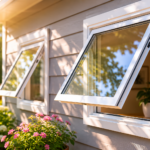
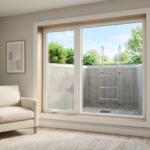
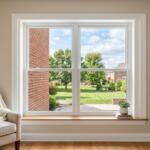
Modern replacement windows engineered specifically for UV protection and energy efficiency offer the most comprehensive, permanent solution for furniture protection.
Low-E Glass Technology: Low-emissivity coatings consist of microscopic metallic layers that reflect UV and infrared light while allowing visible light transmission. Modern Low-E windows block 95-99% of UV rays—providing furniture protection equivalent to SPF 30-50 sunscreen for your home’s interior.
Dual and Triple-Pane Construction: Multiple glass panes with gas fills (argon or krypton) between them provide superior insulation. Triple-pane windows not only block UV rays but also prevent temperature-driven furniture damage from heat transfer through windows.
Specialized UV-Blocking Glass: Advanced glass formulations include UV-absorbing compounds embedded during manufacturing. This glass blocks 99.9% of UV radiation while maintaining crystal-clear visibility—no tinting or coating required.
Energy Efficiency Benefits: ENERGY STAR® certified windows typically feature Low-E coatings as standard, meaning UV protection comes integrated with significant energy savings. These windows can reduce heating and cooling costs while protecting your furniture investment for decades.
Unlike temporary solutions like window film or treatments that require ongoing adjustment and eventual replacement, quality replacement windows provide permanent UV protection with minimal maintenance. They also increase home value, improve curb appeal, and eliminate drafts or operational issues.
Frequently Asked Questions About Sun Damage and Furniture Protection
Does UV window film really work?
Yes, quality UV window film blocks up to 99% of ultraviolet radiation when properly installed. Films rated for UV protection prevent the specific wavelengths (280-400 nanometers) that cause photodegradation in furniture fabrics and finishes. However, film effectiveness depends on proper application—bubbles or gaps allow UV penetration and reduce protection.
Window film works best as a retrofit solution for newer windows in good condition. Older windows with operational issues, condensation between panes, or draft problems benefit more from complete window replacement that addresses multiple performance issues simultaneously.
What type of furniture fades fastest in sunlight?
Brightly colored fabrics fade fastest, with red, blue, and purple dyes showing visible change within 3-6 months of daily sun exposure. Natural fiber fabrics (cotton, linen, silk) fade more quickly than synthetic materials (polyester, acrylic) because natural dyes break down more easily under UV exposure.
Cherry and mahogany woods darken with sun exposure while light woods like oak, maple, and pine bleach lighter. Leather develops dry patches and surface cracks as UV radiation breaks down natural oils and proteins. Interestingly, fabric cost has no bearing on fade resistance—expensive materials may be as vulnerable as budget options.
How long does it take for sun to damage furniture?
Noticeable fading can occur within 3-6 months of consistent daily sun exposure, depending on fabric type, color intensity, and UV exposure levels. Darker colors and natural fibers fade fastest, while lighter synthetics resist longer. Even occasional sun exposure accumulates over time, causing gradual damage that becomes obvious within a year.
The damage is cumulative and irreversible—once furniture fades or wood discolors, restoration requires professional refinishing or reupholstering. Prevention is far more cost-effective than repair or replacement.
Can I add UV protection to existing windows?
Yes, through window film application or UV-blocking window treatments. Films provide retrofit protection by blocking 99% of UV rays for $5-15 per square foot professionally installed. However, film doesn’t address underlying window performance issues like energy efficiency, drafts, or operational problems.
Custom replacement windows offer comprehensive advantages: superior UV protection, energy efficiency improvements of 12-33%, improved operation, enhanced curb appeal, and long-term warranties. For windows older than 15-20 years or showing performance problems, replacement typically provides better long-term value than temporary film solutions.
Do cloudy days prevent furniture fading?
No—UV rays penetrate clouds easily. Your furniture experiences damage even on overcast days, making year-round protection essential. This is particularly important in the Mid-Atlantic region where variable weather might create a false sense of security. UV radiation remains present regardless of visible sunlight, which is why comprehensive window protection is critical even during winter months or cloudy periods.
What’s the best window solution for maximum furniture protection?
Modern replacement windows with Low-E glass coatings provide optimal furniture protection by blocking 95-99% of UV radiation while maintaining natural light and view. Triple-pane windows with specialized Low-E coatings, argon gas fills, and quality frames deliver maximum UV blocking combined with superior energy efficiency.
Quality matters significantly—choosin ENERGY STAR® certified windows ensures independently verified UV protection and energy performance. For Mid-Atlantic homes, windows rated for the Northern or North-Central climate zones provide best year-round performance, addressing both summer cooling and winter heating needs.
Why Choose Thompson Creek for UV-Protecting Windows
Thompson Creek manufactures custom windows specifically designed for each home at our 70,000 square foot Maryland facility. Every window features advanced Low-E glass technology that blocks up to 99% of UV rays while exceeding ENERGY STAR® efficiency criteria for the Mid-Atlantic region.
Our complete accountability model means we design it, build it, install it, and service it—ensuring perfect fit and maximum furniture protection. Unlike big-box stores or national chains that use dealer networks, Thompson Creek handles everything directly, giving you a single point of contact and responsibility.
Our vinyl windows are tested to withstand winds up to 146 mph, meeting AAMA standards for Mid-Atlantic climate extremes including hurricanes and severe storms. This durability, combined with our 50-year No-Hassle Warranty covering both products and professional installation, protects both your home and furniture investment for decades.
Since 1980, Thompson Creek has served Maryland, Virginia, and DC homeowners with factory-direct pricing that eliminates middleman markup. Our professional installation by factory-trained technicians ensures your windows perform exactly as designed, maximizing UV protection and energy efficiency.
Beyond windows, we also offer replacement doors, siding installation, roofing services, and gutter systems—providing complete home exterior solutions with the same commitment to quality and accountability.
Protect your furniture and reduce energy costs with custom UV-blocking windows. Schedule your free consultation today and discover why Mid-Atlantic homeowners have trusted Thompson Creek for over 40 years. Our window experts will assess your home’s UV exposure, recommend optimal window solutions, and provide transparent pricing with no pressure—just expert guidance backed by our industry-leading warranty.