Winter’s winds blow cold outside, but if you can feel the chill inside your Mid-Atlantic home, it might be time to replace leaky, faulty windows. Replacing your old, ill-fitting windows can be the greatest holiday savings gift of the season, delivering immediate comfort improvements and long-term energy cost reductions.
If you find yourself constantly dialing up the heat to compensate for a drafty home, you’re wasting both energy and money every single day. The good news? Winter actually provides unique advantages for window replacement that make it an ideal time to upgrade, from easier problem identification to better scheduling and special seasonal pricing.
Understanding Winter Drafts in Your Home
There are several causes of drafts in your home, and wintertime is the best season to easily identify their source. Cold outdoor temperatures create obvious contrast with your indoor heating, making air leaks immediately noticeable.
Common Draft Culprits:
- Windows: Old, poorly sealed, or damaged windows account for 25 to 30% of heating and cooling energy loss
- Doors: Entry doors and patio doors with worn weatherstripping
- Attic hatches: Poorly sealed access points to attic spaces
- Electrical outlets: Wiring holes in exterior walls allow air infiltration
- Plumbing vents: Gaps around pipes penetrating exterior walls
- Recessed lights: Fixtures in insulated ceilings create thermal bypasses
- Chimneys: Dampers left open or poorly sealing flues
While all these sources contribute to energy loss, windows and doors typically represent the largest and most impactful opportunities for improvement. Addressing window drafts delivers immediate, noticeable results in both comfort and utility costs.
Why Replace Windows in Winter?
Many homeowners assume spring or summer is the right time for window replacement, but winter offers distinct advantages that make it the smartest season for this important home improvement investment.
Easy Problem Identification
Winter weather exposes windows that aren’t sealed properly or have broken elements. Homeowners can literally feel which windows aren’t doing their job and need replacement. Cold drafts, ice formation on interior glass, condensation problems, and rooms that never seem to warm up all point directly to the problematic windows.
Simple Draft Detection Methods:
- Run your hand around window frames on cold, windy days to feel air movement
- Hold a lit candle near window edges (flame will flicker near drafts)
- Use incense stick smoke to visualize air currents
- Look for frost, ice, or condensation on interior glass surfaces
This immediate feedback helps you prioritize which windows need replacement most urgently and ensures your investment addresses the actual problem areas. Learn more about how to identify energy-efficient windows and recognize when replacement is necessary.
Immediate Energy Savings
Replacing drafty windows with energy-efficient ones will have an immediate impact on the comfort level of your home and on your monthly energy bills. You’ll notice the difference the very first night after installation, as rooms stay warmer with less furnace cycling.
According to ENERGY STAR®, installing ENERGY STAR® qualified windows lowers energy bills by approximately $424 per year in the Mid-Atlantic when replacing single-pane windows. For homeowners replacing older double-pane windows with modern high-performance units, savings typically range from $125 to $340 annually depending on home size and current window condition.
When you replace windows in winter, you start capturing energy savings immediately during the heating season when energy costs are highest. Summer installations mean waiting months before you see the full benefit during the next heating season. Thompson Creek’s ENERGY STAR® certified windows exceed 2022 Northern Zone criteria specifically designed for Maryland, Virginia, Pennsylvania, and D.C. climates. Discover how energy-efficient windows transform your home and utility bills.
Convenient Scheduling Flexibility
Because traditionally most homeowners postpone window replacement until spring, winter affords homeowners their choice of the most convenient schedule to get the job done. Rather than waiting weeks or months for an available installation date, winter customers typically enjoy faster turnaround (2 to 4 weeks instead of 6 to 8 weeks), preferred time slots that fit your schedule, and flexible dates around holidays or travel plans.
For busy professionals who struggle to find convenient installation windows, or families who need to work around school schedules, winter scheduling flexibility is a major practical advantage.
Winter Specials and Promotional Pricing
Homeowners can take advantage of special pricing and promotions on replacement windows during the winter season. Home improvement companies, including Thompson Creek, often offer their most aggressive pricing from November through February to maintain steady business during traditionally slower months.
Smart homeowners recognize that winter pricing can save hundreds or thousands of dollars compared to peak spring prices when demand drives costs higher. Learn about affordable windows that deliver lifetime value regardless of when you purchase.
Increased Home Resale Value
According to Zillow, a leading real estate and rental marketplace, upon resale the average homeowner recoups about 79% of their investment in replacement windows. In some Mid-Atlantic markets, particularly in sought-after Virginia and Maryland suburbs, recovery rates can exceed 85%.
Even if you’re not planning to sell immediately, window replacement remains one of the highest ROI home improvements available. And starting your project in winter means your windows have a full year of service before next spring’s competitive selling season begins.
How Does Winter Window Replacement Work?
Finding the right window replacement professional for your wintertime replacement requires they follow important practices to make sure the installation is efficient and effective. Cold weather typically doesn’t affect window installation quality when proper procedures are followed.
Thompson Creek’s factory-trained installers use proven techniques to maintain your home’s comfort during winter installations:
Professional Installation Process
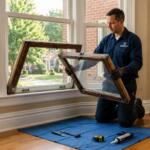
Windows Replaced One at a Time: Windows are replaced one at a time, limiting the amount of exposure to cold outdoor air. Professional installers work efficiently, with each window opening exposed for typically only 30 to 45 minutes during the actual replacement process.
Work Area Barriers: Where possible, installers can use heavy plastic sheeting to isolate the work area and limit the amount of cold air entering the home. This is especially useful for large window replacements such as bay windows or picture windows.
Strategic Room Isolation: Close doors in rooms where window replacement is occurring. This simple step helps keep the rest of the house at a comfortable temperature.
Cold-Weather Sealants: Installers use caulking and expanding foam that remain malleable at the lowest temperatures possible for the best seal. Thompson Creek’s installers carry season-appropriate materials year-round, ensuring optimal performance regardless of installation timing.
Cleanliness and Protection: With winter comes snow and ice that can create muddy messes indoors. Professional installers use heavy-duty floor tarps and runners, disposable shoe booties, drop cloths for furniture protection, and thorough final cleanup.
Performance Features That Matter in Winter
Not all replacement windows deliver equal winter performance. Thompson Creek’s custom-manufactured windows include features specifically designed for Mid-Atlantic winter conditions:
Superior Insulation Value: Our windows achieve U-factors as low as 0.27, significantly better than older windows (typically 0.50 to 1.20). Multi-chamber vinyl frames feature multiple insulated chambers that trap air and prevent heat transfer.
Draft Elimination: Fusion-welded corners maintain airtight integrity for decades. Multiple weatherstripping layers on all operable sashes create consistent seals that block drafts even during high winds.
Condensation Control: Double- or triple-pane glass with argon or krypton gas fill between panes prevents interior glass surface from reaching dew point temperatures where condensation forms. Low-E coatings reflect interior heat back into your home while allowing solar warmth to enter.
Explore the complete advantages of energy-efficient windows and understand why performance features matter for long-term comfort and savings.
Frequently Asked Questions About Winter Window Replacement
Won’t my house get freezing cold during installation?
Not with professional installation. Each window opening is exposed for only 30 to 45 minutes, and installers work on one window at a time. Most homeowners report minor temperature drops (5 to 10°F) in the installation room only, with the rest of the house maintaining normal comfort levels.
What if it snows on installation day?
Thompson Creek monitors weather forecasts closely and reschedules installations when severe weather is predicted. Light snow rarely affects installation, as installers can quickly cover openings and continue working.
Can caulking and sealants cure properly in cold weather?
Yes, when professionals use appropriate materials. Thompson Creek uses cold-weather-rated expanding foam, caulking, and sealants specifically formulated to cure and seal effectively in temperatures well below freezing.
How soon after installation will I notice lower energy bills?
Most homeowners notice reduced furnace runtime immediately (within days). Your first full utility bill after installation should show measurable savings, typically 15 to 30% on heating costs depending on the condition of windows being replaced.
Do winter-installed windows perform as well as summer installations?
When installed by professionals using appropriate materials, winter-installed windows perform identically to those installed in other seasons. The installation quality, not the season, determines long-term performance.
Why Choose Thompson Creek for Winter Window Replacement
With the right professional, there is no reason to suffer through a cold winter season with drafty, leaky windows. Thompson Creek has been installing custom replacement windows in Mid-Atlantic winters for over 40 years, perfecting techniques that maintain your comfort while delivering superior installation quality.
Since 1980, Thompson Creek has specialized in custom-manufacturing windows specifically designed for Maryland, Virginia, Pennsylvania, and D.C. climates. We understand the challenges of winter installations and have developed proven procedures that protect your home, respect your comfort, and deliver installations that perform flawlessly for decades.
Thompson Creek Winter Installation Advantages:
- Factory-trained installers experienced in cold-weather techniques
- Custom-manufactured windows built to exact specifications in our Maryland facility
- ENERGY STAR® certified performance exceeding Northern Zone criteria
- Industry-leading 50-year No-Hassle Warranty on materials and labor
- All-inclusive pricing with no hidden fees or seasonal surcharges
- Flexible scheduling with faster turnaround during winter months
Our ENERGY STAR® certified windows don’t just meet efficiency standards, they exceed them, delivering double-pane performance with low-E coatings, argon gas fill, and warm-edge spacer systems that maximize comfort and minimize energy costs.
When you choose Thompson Creek, you’re choosing complete accountability. We design your windows, manufacture them in our Maryland facility, install them with factory-trained crews, and service them throughout our warranty period. One company, complete responsibility, exceptional results.
Ready to stop wasting energy and start saving money this winter? You can take advantage of excellent winter specials, prime scheduling flexibility, and professional design, manufacture, and installation of your new energy-efficient windows from Thompson Creek today.
Contact Thompson Creek for your free estimate: Call (301) 901-5275 or request your free consultation online. Our window experts will assess your home’s specific needs, explain your energy-saving options, and provide transparent, all-inclusive pricing with no pressure or gimmicks.
Serving Maryland, Virginia, D.C., Pennsylvania, and North Carolina since 1980.