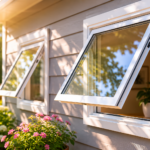
As temperatures drop across Maryland, Virginia, and the Mid-Atlantic region, homeowners face an important seasonal maintenance decision: should window screens be removed for winter? The answer is yes—removing your screens before winter offers significant benefits for energy efficiency, home protection, and window longevity.
Late fall, typically between mid-October and mid-November, provides the ideal opportunity to remove your window screens, clean your windows thoroughly, and prepare your home for the colder months ahead. This simple maintenance task can help you save on heating costs while protecting both your screens and window frames from winter weather damage.
Why Remove Window Screens in Winter?
Maximize Solar Heat Gain and Energy Savings
One of the most compelling reasons to remove window screens during winter months is the substantial improvement in solar heat gain. Window screens block approximately 30-40% of incoming sunlight, significantly reducing the natural warmth that could help heat your home during winter.
Research from the Midcoast Green Collaborative demonstrates this impact clearly. In their study, researchers measured temperatures of dark soapstone placed near south-facing windows under three conditions: in shade, in direct sunlight through clear glass, and in sunlight filtered through a window screen. The results were striking—the stone behind the screen measured up to 8 degrees cooler than the one in direct sunlight.
For Mid-Atlantic homeowners, this translates to real energy savings. South-facing and east-facing windows can provide valuable passive solar heating when screens are removed, potentially reducing your reliance on your heating system during sunny winter days. This free heat from the sun can noticeably lower your energy bills throughout the heating season.
Prevent Snow and Ice Damage
While the Mid-Atlantic region doesn’t experience major blizzards every winter, we certainly get our share of snow and ice storms. During these weather events, wind-driven snow can become trapped between your window screen and the glass, creating several potential problems.
Trapped snow and ice can damage window frames and sills through repeated freeze-thaw cycles. The weight of accumulated snow can also warp or tear screen mesh, requiring costly repairs or replacement come spring. By removing screens before winter weather arrives, you eliminate these risks entirely and protect your investment in quality windows.
Easier Window Cleaning and Inspection
Removing your window screens provides the perfect opportunity to thoroughly clean your windows and inspect critical components. With screens out of the way, you can easily access and clean the exterior glass, window tracks, sills, and frames.
This annual inspection allows you to identify potential issues before they become serious problems. Check for cracked caulking, damaged weatherstripping, rotted wood frames, or failing window seals. Addressing these issues before winter arrives helps maintain your home’s energy efficiency and prevents water infiltration during wet winter weather.
How to Properly Remove and Store Window Screens
Timing Your Screen Removal
The best time to remove window screens is on a pleasant day in late autumn, ideally before the first frost. Choose a dry day with moderate temperatures—this makes the work more comfortable and allows you to properly clean and dry your screens before storage.
Step-by-Step Removal Process
Most double-hung and slider windows feature exterior-mounted screens that are simple to remove. Casement windows typically have interior screens. Follow these steps for safe removal:
- Open the window and locate the screen release tabs, usually found on the sides of the screen frame
- Push the tabs inward while gently pulling the screen toward you
- Lift the screen out of the window frame carefully to avoid damage
- Mark each screen with chalk or a label indicating which window it belongs to—this saves time during spring reinstallation
Cleaning Your Screens
Before storing your screens for winter, take time to clean them properly. Lay screens flat on a clean surface and use a garden hose with a spray nozzle to rinse away dust and debris. For stubborn dirt, use a soft brush with mild soap and water, being careful not to damage the mesh. Allow screens to dry completely before storage to prevent mold and mildew.
Proper Storage Solutions
Store cleaned, dry screens in a protected location such as your garage, basement, or storage shed. Keep screens standing upright or lying flat to prevent warping. Stack them carefully with soft material between each screen to prevent scratches or tears. Choose a low-traffic area to minimize the risk of accidental damage during the winter months.
The Storm Window Alternative
For homeowners with single-pane windows, removing screens and installing storm windows is essential for winter energy efficiency. A single pane of glass provides minimal insulation, allowing heated air to escape and cold air to infiltrate your home. Storm windows create an insulating air pocket between the storm pane and your primary window, dramatically improving thermal performance.
Even if you have modern double-pane windows, removing screens still provides significant benefits through improved solar heat gain and easier window maintenance.
Spring Reinstallation
When spring arrives and temperatures warm, it’s time to reinstall your window screens. The screens you carefully labeled in fall will make this process quick and straightforward. Before reinstalling, inspect each screen one final time for any damage that may have occurred during storage.
Clean your window tracks and frames, then slide each screen back into its designated window. Screens play an important role during warmer months by blocking insects while allowing fresh air circulation and reducing solar heat gain by up to 40%—which is desirable in summer but counterproductive in winter.
Additional Winter Window Maintenance Tips
Beyond screen removal, take these additional steps to prepare your windows for winter:
- Inspect and replace weatherstripping around window frames to eliminate drafts
- Check caulking and reseal any gaps or cracks
- Clean window tracks thoroughly to ensure smooth operation
- Test window locks to ensure they’re functioning properly
- Consider window treatments like cellular shades or thermal curtains for additional insulation
When Window Replacement Makes More Sense
If your windows are old, inefficient, or showing signs of significant wear, seasonal maintenance like screen removal may not be enough. Consider replacement windows if you notice:
- Persistent drafts even with new weatherstripping
- Condensation between double-pane glass layers
- Difficulty opening or closing windows
- Visible rot or damage to frames
- Significantly higher energy bills despite other efficiency improvements
Why Choose Thompson Creek for Your Window Needs
At Thompson Creek, we’ve been manufacturing custom replacement windows in our Maryland facility since 1980, specifically engineered for Mid-Atlantic weather conditions. Our ENERGY STAR®-certified windows feature advanced low-E glass coatings, superior insulation, and professional installation, all backed by our industry-leading 50-year No-Hassle Warranty.
Our custom-built windows are tested to withstand winds up to 146 mph and exceed ENERGY STAR® 2022 criteria, providing exceptional energy efficiency while reducing your heating and cooling costs year-round. From design through installation to service, we provide complete accountability—no middleman markup, just superior quality and expert craftsmanship.
Ready to upgrade your home with energy-efficient replacement windows? Schedule your free consultation today and discover why Mid-Atlantic homeowners have trusted Thompson Creek for over 40 years. Our custom-manufactured windows come with professional installation and a 50-year warranty you can count on.
Related Resources
Looking for more ways to prepare your home for winter and maintain your windows? Check out these helpful guides:
- Weatherproofing Your Windows for Winter – Complete checklist for winter window preparation
- Spring Window Screen Maintenance Tips – How to reinstall and care for screens when warm weather returns
- How to Weatherize Your Home – Comprehensive guide to preparing your entire home for winter
Benefits of Energy Efficient Windows – Learn how modern windows can reduce your energy costs year-round