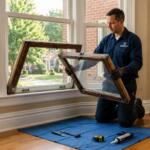
Awning windows aren’t as easy to clean as double-hung windows, but the good news is that most modern awning windows have functional components designed specifically for easy cleaning from inside your home. This thoughtful design means Mid-Atlantic homeowners won’t need to worry about climbing ladders or risking safety to maintain sparkling clean windows. Whether you’re tackling spring cleaning or preparing your home for winter, learning the best way to clean awning windows will help you maintain their beauty and functionality year-round.
Cleaning an awning window may initially seem challenging, but it’s actually quite straightforward when you follow the proper steps. Custom-manufactured awning windows from Thompson Creek are specifically designed with homeowner convenience in mind, featuring easy-to-operate cranks and accessible hinges that make maintenance simple. Follow these proven steps during your seasonal cleaning routine, and you’ll enjoy crystal-clear, immaculate awning windows throughout the year.
Step 1: Remove and Clean the Screen
Removing the screen from your awning window is the essential first step in proper maintenance. Start by locating the small tabs or pins along the sides of the screen frame. If your awning window screen has pins, you may need to loosen them slightly before removal. Once loosened, gently grab the pins and pull the window screen toward you—it should release easily without excessive force.
For effective window screen cleaning, place the screen in a large sink, bathtub, or lay it flat outside on a clean tarp. Use warm water mixed with mild dish soap and scrub both sides thoroughly with a soft-bristle brush, paying special attention to corners where dust and pollen accumulate. This is particularly important for homes in Maryland, Virginia, and DC, where seasonal pollen can be heavy. Rinse the screen completely with clean water, ensuring all soap residue is removed, then allow it to air dry completely before reinstalling.
Pro Tip: Inspect your screen for any tears, holes, or warping while cleaning. Damaged screens compromise both ventilation and pest protection. Thompson Creek offers replacement screens if yours show signs of wear.
Step 2: Wipe Down the Frame and Hardware
Using the same soap and water solution from your screen cleaning, take a clean, soft cloth (microfiber works best) and thoroughly wipe down the window frame around the glass. Pay careful attention to the frame’s corners and crevices where dirt, grease marks, and environmental buildup tend to accumulate. The Mid-Atlantic climate, with its humid summers and varying seasonal conditions, can cause additional grime buildup on window frames.
To prevent streaking and water spots, immediately follow with a separate dry, soft cloth—preferably microfiber—to wipe away all moisture from the frame. This two-step process ensures your awning window frame looks as clean as the glass itself. While cleaning, inspect the weatherstripping for any signs of wear or gaps that could affect your window’s energy efficiency.
For comprehensive guidance on maintaining all your windows, including frames, tracks, and hardware, Thompson Creek provides detailed care instructions to help preserve your investment.
Step 3: Clean the Glass Interior and Exterior
Interior Glass: Begin by polishing the interior glass using your preferred glass cleaner or a natural solution of equal parts white vinegar and water. Spray the cleaner directly onto the glass and wipe in a circular motion with a lint-free cloth, microfiber cloth, or even newspaper for a streak-free shine. For best results, avoid cleaning windows in direct sunlight, which can cause the cleaner to dry too quickly and leave streaks.
Exterior Glass: To access the exterior glass without climbing a ladder, lift the sash lock handle and rotate the crank mechanism to fully open your awning window. The unique top-hinged design allows the window to swing outward, typically opening 45 to 90 degrees, providing easy access to the exterior glass surface from inside your home. Reach through the opening and clean the exterior glass using the same method and cleaning solution you used for the interior.
This convenient design feature is one of the many benefits of awning windows, making them ideal for hard-to-reach areas like kitchens above sinks, bathrooms, and basements. For windows installed in higher locations, the ability to clean awning windows from inside is a significant safety advantage.
Important: Never use abrasive scrubbers, steel wool, or harsh chemicals on window glass, especially if your windows feature Low-E coatings or special energy-efficient treatments. These can scratch the glass or damage protective coatings that enhance your window’s energy performance.
Step 4: Lubricate the Hinges and Cranks
Windows with moving mechanical parts—like the cranks and hinges on awning windows—require regular lubrication to maintain smooth operation and prevent premature wear. Making lubrication part of your seasonal window maintenance routine (ideally twice per year) ensures your awning windows will operate effortlessly for decades.
Proper Lubrication Method:
- Use only silicone-based spray lubricant (avoid oil-based products like WD-40, which can attract dust and gum up mechanisms)
- Spray the lubricant onto a clean, dry cloth rather than directly on the hardware
- Wipe the cloth over all visible hinges, tracks, and the crank mechanism
- Open and close the window several times to distribute the lubricant evenly throughout the moving parts
- Wipe away any excess lubricant to prevent drips
Properly maintained crank mechanisms and hinges are essential for the long-term performance of your awning windows. If you notice persistent sticking, grinding noises, or difficulty opening your windows even after lubrication, contact Thompson Creek for professional assessment.
Step 5: Replace the Screen
Before reinstalling your screen, verify that it is completely dry to avoid leaving water marks or spots on your freshly cleaned window glass. Even slight moisture can create streaks that diminish your hard work. To return the screen to the awning window, simply align the screen with the frame guides and pop it back into place, ensuring it sits flush and secure. Tighten any pins or fasteners to hold the screen firmly in position.
Test the screen by gently pressing on it to confirm it’s properly secured. A loose screen can rattle in wind, allow insects to enter, and eventually become damaged. For detailed instructions on general window cleaning techniques, Thompson Creek offers additional resources for all window types.
What Products Are Best for Cleaning Awning Windows?
When cleaning awning windows, selecting the right products is crucial to avoid damaging the glass, frames, or special coatings while achieving streak-free results. The products you choose depend on the level of dirt buildup and the type of cleaning required.
For Light Cleaning: Dust and Fingerprints
Everyday dust particles, fingerprints, and light smudges can be easily removed from awning window glass using:
- Commercial glass cleaner spray: Choose ammonia-free formulas to protect window seals and coatings
- Vinegar solution: Mix equal parts white vinegar and distilled water for a natural, streak-free cleaner
- Mild dish soap solution: A few drops of biodegradable dish soap in warm water works effectively
Application Tools:
- Microfiber cloths (best for streak-free results)
- Lint-free paper towels
- Newspaper (traditional method, highly effective)
- Soft cotton cloths
Apply your chosen cleaner, wipe in circular motions, then buff dry with a clean section of cloth for a sparkling finish.
For Heavy Cleaning: Dirt, Mildew, and Grime
For stubborn exterior buildup—common on awning windows exposed to Mid-Atlantic weather conditions including rain, humidity, pollen, and pollution—you may need more intensive cleaning:
Recommended Approach:
- Warm water mixed with mild dish soap or a specialized window cleaning solution
- Soft-bristled brush for loosening caked-on dirt
- Non-abrasive sponge for scrubbing without scratching
- Squeegee for removing excess water and solution
Critical Warnings:
- ❌ Never use abrasive cleaners, scouring pads, or steel wool
- ❌ Avoid undiluted bleach or harsh chemical solvents
- ❌ Do not use razor blades or sharp objects to scrape glass
- ❌ Stay away from ammonia-based cleaners on tinted or Low-E glass
- ❌ Skip furniture polish or grease removers on frames
These harsh products can permanently damage glass coatings, scratch surfaces, deteriorate seals, and void warranties. Thompson Creek’s ENERGY STAR® certified windows feature special Low-E coatings that require gentle cleaning methods to maintain their energy-saving properties.
Best Practices for Mid-Atlantic Climate
Homeowners in Maryland, Virginia, DC, and surrounding areas face unique cleaning challenges due to regional climate conditions:
Spring/Summer: Heavy pollen, high humidity, and occasional thunderstorms require more frequent exterior cleaning. Plan to clean awning windows at least twice during this period.
Fall: Falling leaves, debris, and preparing for winter weather make fall an ideal time for thorough cleaning and inspection.
Winter: While less frequent cleaning is needed, ice and snow can leave mineral deposits. Clean windows on mild winter days to maintain visibility and prevent buildup.
For comparison with other window styles, explore our guide on cleaning different window types to understand the unique maintenance requirements of each design.
How Often Should You Clean Awning Windows?
Maintaining a consistent cleaning schedule for your awning windows is essential to preserve both their appearance and optimal working condition. Clean windows not only enhance your home’s curb appeal but also maximize natural light, provide unobstructed views, and extend the lifespan of your windows.
Recommended Cleaning Frequency:
Minimum Recommended Schedule:
- Deep cleaning: Twice per year (spring and fall)
- Light cleaning: Monthly spot cleaning as needed
- Screen maintenance: Annually, typically in spring
- Lubrication: Twice per year with seasonal deep cleaning
High-Traffic or High-Exposure Areas: Kitchens, bathrooms, and windows facing prevailing weather may require more frequent attention due to cooking grease, moisture, and environmental exposure.
Benefits of Regular Awning Window Maintenance:
✅ Maximum Natural Light: Clean glass allows up to 40% more light transmission than dirty windows
✅ Extended Window Lifespan: Regular maintenance prevents dirt buildup that can degrade seals and hardware
✅ Energy Efficiency: Clean windows with properly maintained seals reduce heat transfer and lower energy bills
✅ Improved Home Value: Well-maintained windows enhance curb appeal and home valuation
✅ Easier Cleaning: Regular maintenance prevents stubborn buildup that requires intensive scrubbing
✅ Early Problem Detection: Routine cleaning allows you to spot issues like failing seals, damaged screens, or hardware problems before they become costly repairs
For comprehensive seasonal window cleaning strategies, Thompson Creek provides guides tailored to Mid-Atlantic climate conditions and seasonal requirements.
Frequently Asked Questions: Awning Window Cleaning
Can you clean awning windows from inside?
Yes! One of the primary advantages of modern awning windows is their ability to be cleaned entirely from inside your home. The top-hinged design allows the window to open outward, providing easy access to the exterior glass surface without requiring ladders or outdoor access. This makes awning windows particularly practical for second-story installations, above-sink kitchen windows, and hard-to-reach locations.
Do awning windows require special cleaning products?
Awning windows don’t require special products beyond what you’d use for other high-quality windows. However, if your windows feature Low-E glass coatings or energy-efficient treatments (like Thompson Creek’s ENERGY STAR® certified windows), avoid ammonia-based cleaners and abrasive materials that could damage these protective coatings. Mild dish soap, vinegar solutions, or ammonia-free glass cleaners work best.
What’s the difference between cleaning awning and casement windows?
While both window types open via crank mechanisms, their orientation differs. Awning windows are hinged at the top and open outward from the bottom, while casement windows are hinged on the side. The cleaning process is similar, though awning windows may collect more debris on their top hinges due to their orientation. Learn more about these differences in our awning vs casement windows comparison.
How do you clean awning windows in basements?
Basement awning windows often face unique challenges including less frequent air circulation, higher moisture levels, and potential mold growth. Clean these windows more frequently (every 2-3 months) and pay special attention to the window well area outside. Ensure proper drainage in the window well to prevent water accumulation that can lead to mildew on the glass and frame.
Should I remove screens in winter?
Yes, removing window screens during winter months is recommended for several reasons. Screens can block up to 30-40% of incoming solar heat gain, which naturally warms your home in winter. Additionally, screens exposed to harsh winter weather, especially snow and ice accumulation, can become damaged or deteriorate faster. Store clean, dry screens in a protected location and reinstall them in spring.
What causes awning windows to stick or become difficult to crank?
Sticking or difficult operation usually indicates that the crank mechanism and hinges need lubrication, or that dirt has built up in the tracks. Regular cleaning and twice-yearly lubrication with silicone-based lubricant typically resolves this issue. If problems persist after proper maintenance, contact Thompson Creek to assess whether parts need replacement or adjustment.
Why Choose Thompson Creek for Awning Windows in Maryland, Virginia & DC
When it comes to high-quality, easy-to-maintain awning windows, Thompson Creek stands apart with over 40 years of specialized expertise serving Mid-Atlantic homeowners. Our custom-manufactured awning windows are built specifically for your home’s exact specifications in our Maryland manufacturing facility, ensuring perfect fit, superior energy efficiency, and hassle-free operation. Every window features our industry-leading 50-year No-Hassle Warranty covering both products and installation, providing complete peace of mind.
Our ENERGY STAR® certified windows exceed 2022 efficiency criteria, helping Maryland, Virginia, and DC homeowners reduce energy bills while maintaining year-round comfort. With weather-tested durability designed to withstand the Mid-Atlantic’s extreme conditions—including AAMA-tested resistance to winds up to 146 mph—Thompson Creek windows are built to last. Most importantly, we handle everything from initial design through manufacturing, professional installation, and lifetime warranty service, giving you complete accountability and a single trusted partner for all your window needs.
Ready to upgrade to low-maintenance, energy-efficient awning windows? Schedule your free consultation today and discover why thousands of Mid-Atlantic homeowners have trusted Thompson Creek since 1980. Our expert team will assess your home’s needs, provide transparent pricing, and deliver custom windows backed by our 50-year warranty and Buyer Protection Guarantee.