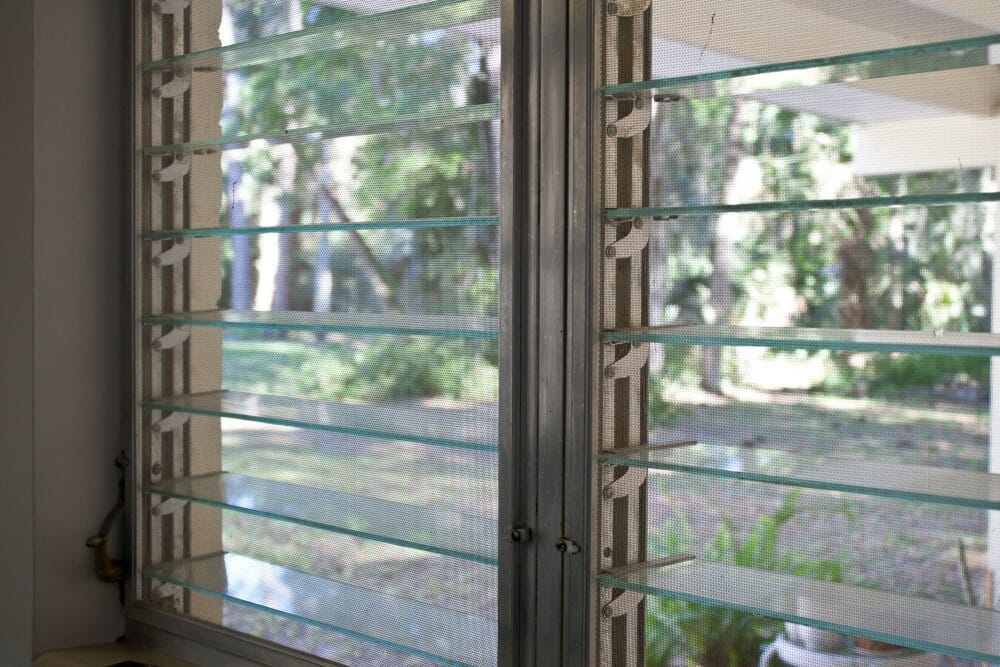
Jalousie windows feature horizontal slats that open and close like venetian blinds, making them distinctive fixtures in mid-century homes throughout the Mid-Atlantic region. While these louvered windows were popular from the 1940s through 1960s for their superior ventilation, modern homeowners often seek jalousie window replacement due to significant energy efficiency and security concerns. Understanding what jalousie windows are and their limitations helps Maryland, Virginia, and D.C. homeowners make informed decisions about whether to repair or replace these outdated window styles.
If you’re considering jalousie window alternatives for your home, knowing the pros and cons of these unique windows guides you toward more efficient, secure options that better withstand Mid-Atlantic weather extremes.
What Are Jalousie Windows?
Jalousie windows (pronounced “jal-uh-see”) consist of horizontal glass, acrylic, or metal slats arranged parallel within a frame. A crank mechanism opens and closes all slats simultaneously, tilting them outward to control airflow and natural light. The name derives from the French word “jaloux” meaning “jealousy”—historically, residents could see out through the angled slats while preventing outsiders from seeing in.
These louvered windows typically feature 4-8 horizontal panes that overlap when closed, creating a distinctive slatted appearance. The crank handle rotates to adjust the slat angle from fully open (nearly horizontal) to closed (overlapping at approximately 15-degree angles).
The History and Popularity of Jalousie Windows
Joseph W. Walker patented the jalousie window design in 1901, but these windows didn’t gain widespread popularity until post-World War II housing developments. From the late 1940s through the 1960s, jalousie windows became standard features in:
- Mid-century modern homes seeking clean lines and indoor-outdoor connections
- Coastal properties in warm, humid climates requiring maximum ventilation
- Bathrooms and enclosed porches where airflow was prioritized over insulation
- Tropical regions where air conditioning wasn’t standard
By the 1970s, central air conditioning became commonplace and the energy crisis prompted homeowners to prioritize efficiency. Jalousie windows quickly fell out of favor as their inherent design flaws became increasingly problematic for year-round comfort and energy costs.
Jalousie Windows Pros and Cons
Advantages of Jalousie Windows
Superior Ventilation: Jalousie windows provide excellent airflow since all slats open simultaneously, allowing nearly 100% of the window opening to admit fresh air. This makes them ideal for spaces requiring maximum ventilation.
Rain Protection: The angled slats direct rainwater away from the interior, allowing you to keep windows partially open during storms for continued airflow without water intrusion.
Easy Slat Replacement: Individual damaged slats can be replaced without replacing the entire window unit, making repairs more affordable than other window types.
Space Efficiency: Jalousie windows open outward, preserving interior space—particularly valuable in small bathrooms or sunrooms where traditional windows would intrude.
Light Control: Adjustable slats provide precise control over natural light and privacy without requiring curtains or blinds.
Disadvantages of Jalousie Windows
Poor Energy Efficiency: Even when fully closed, jalousie window slats never create an airtight seal. Gaps between slats allow significant air leakage, forcing HVAC systems to work harder and increasing energy bills by 15-30% compared to modern, energy-efficient windows. This makes them particularly problematic for Mid-Atlantic homeowners facing cold winters and hot, humid summers.
Security Vulnerabilities: The slat design creates serious security weaknesses. Intruders can easily pry metal tabs to remove individual glass panes without breaking them, gaining quiet entry to your home. This makes jalousie windows unsuitable for ground-floor installations or homes in areas with security concerns.
Maintenance Challenges: Multiple moving parts require regular cleaning and maintenance. Metal cranks and pivot clips corrode in humid Mid-Atlantic climates, causing operational failures. Each slat requires individual cleaning, making window maintenance time-consuming.
Water Damage Risks: Poor sealing allows moisture infiltration around the frame, leading to mold growth, wood rot, and interior water damage—especially problematic during Virginia and Maryland’s frequent heavy rainfall.
Outdated Aesthetic: Jalousie windows are strongly associated with mid-century design. In most contemporary homes, they appear dated and can negatively impact curb appeal and resale value.
Limited Availability: Most major window manufacturers discontinued jalousie window production, making replacement parts difficult to source and driving up repair costs.
Are Jalousie Windows Energy Efficient?
No, jalousie windows are among the least energy-efficient windows available. Even premium models with improved sealing cannot match the insulation performance of modern double-pane or triple-pane windows.
Energy Performance Issues:
- Air Leakage: Gaps between closed slats allow continuous air exchange, undermining heating and cooling efforts
- No Insulated Glass: Most jalousie windows use single-pane glass without low-E coatings or argon gas fills
- Thermal Bridging: Metal frames and crank mechanisms create pathways for heat transfer
- Condensation Problems: Temperature differences between interior and exterior cause condensation buildup, promoting mold growth
Impact on Mid-Atlantic Homeowners:
In Maryland, Virginia, and D.C., where winter temperatures regularly drop below freezing and summer humidity stays high, jalousie windows force HVAC systems into overdrive. According to ENERGY STAR®, homeowners can save up to $583 annually by replacing old, inefficient windows with ENERGY STAR certified alternatives—savings that typically offset jalousie window replacement costs within 5-10 years.
Jalousie Window Alternatives for Mid-Atlantic Homes
Modern window styles offer the ventilation benefits of jalousie windows without the drawbacks:
Casement Windows: Hinged on one side and operated by a crank, casement windows open fully outward to capture breezes. They seal tightly when closed, providing superior energy efficiency while maintaining excellent ventilation. Thompson Creek’s custom casement windows exceed ENERGY STAR® 2022 criteria and withstand winds up to 146 mph—essential for Mid-Atlantic storm seasons.
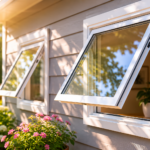
Awning Windows: Hinged at the top and opening outward, awning windows can remain open during rain while preventing water intrusion. They’re ideal for bathrooms and challenging installations where jalousie windows were traditionally used.
Double-Hung Windows: Featuring two vertically sliding sashes, double-hung windows offer adjustable ventilation from top or bottom. They’re versatile, secure, and significantly more energy-efficient than jalousie windows.
Sliding Windows: Operating horizontally, sliding windows provide easy operation and good ventilation in wider openings. They’re particularly well-suited for areas where outward-opening windows are impractical.
Cost to Replace Jalousie Windows
Jalousie window replacement costs vary based on several factors:
Material Selection:
- Vinyl replacement windows: Most cost-effective and low-maintenance
- Fiberglass windows: Superior durability for Mid-Atlantic weather extremes
- Custom-manufactured options: Precise fit for non-standard openings
Installation Considerations:
- Frame condition and necessary repairs
- Custom sizing for older home openings
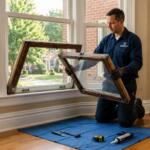
- Professional installation ensuring proper sealing
- Energy-efficient upgrades (low-E glass, argon fills)
Long-Term Value: While replacement requires upfront investment, energy savings typically offset costs within 5-10 years. Additionally, modern windows enhance home value, improve security, and reduce maintenance needs. Learn more about the complete cost breakdown in our window replacement cost guide.
When to Replace Jalousie Windows
Replace jalousie windows if you notice:
- Persistent drafts around closed windows
- Condensation between or on slats
- Difficulty operating cranks or mechanisms
- Visible rust on metal components
- Cracked or missing slats
- Water stains or mold around frames
- High energy bills despite adequate insulation elsewhere
- Security concerns about easy entry points
For Mid-Atlantic homeowners, the combination of humid summers, freezing winters, and frequent storms makes jalousie window replacement a practical necessity rather than optional upgrade. Not sure if your windows need replacing? Read our guide on the top signs you need new windows.
Jalousie Windows in Mid-Atlantic Climates
Maryland, Virginia, and D.C. experience dramatic seasonal temperature swings and high humidity—conditions that expose jalousie window weaknesses:
Winter Challenges: Cold air infiltration through gaps drives up heating costs and creates uncomfortable drafts. Ice and snow can freeze crank mechanisms, making operation impossible until thawing occurs.
Summer Problems: Humid Mid-Atlantic air enters freely, forcing air conditioning systems to run continuously. Poor sealing allows cool air to escape, compounding energy waste.
Storm Vulnerability: While the angled slats direct rain away, wind-driven precipitation easily penetrates gaps. Hurricane-force winds common to Virginia and Maryland coasts can damage or destroy jalousie window mechanisms.
Corrosion Acceleration: The Mid-Atlantic’s coastal proximity and high humidity accelerate metal component corrosion, shortening jalousie window lifespan and increasing maintenance frequency.
Frequently Asked Questions About Jalousie Windows
Can jalousie windows be made energy-efficient with upgrades?
While some modern jalousie windows incorporate Low-E coatings and improved sealing, they still cannot match the insulation performance of double-hung, casement, or awning windows. The fundamental design—multiple overlapping slats—prevents achieving truly airtight seals. For Mid-Atlantic homeowners prioritizing energy efficiency, replacement with modern windows is more cost-effective than attempting upgrades.
Are jalousie windows still manufactured?
Very few manufacturers produce new jalousie windows today. Some specialty suppliers offer them primarily for tropical climates like Hawaii. Replacement parts are increasingly difficult to source, making repairs challenging and expensive for homeowners in Maryland, Virginia, and D.C.
Where are jalousie windows still appropriate?
Jalousie windows work best in non-climate-controlled spaces like screened porches, workshops, or garages where maximum ventilation matters more than energy efficiency. They’re generally unsuitable for living spaces in climates with cold winters or where security is a concern.
How long do jalousie windows typically last?
Jalousie window lifespan averages 15-20 years in moderate climates. In humid Mid-Atlantic regions with temperature extremes, corrosion and mechanical failures often necessitate replacement after 10-15 years. Poor sealing also accelerates surrounding frame deterioration from moisture infiltration.
What’s the best replacement option for old jalousie windows?
Casement windows most closely replicate jalousie window ventilation benefits while dramatically improving energy efficiency and security. For bathrooms or areas where rain protection is important, awning windows offer similar functionality. The optimal choice depends on your specific opening size, architectural style, and performance priorities.
Why Choose Thompson Creek for Jalousie Window Replacement
Thompson Creek understands that Mid-Atlantic homeowners need windows engineered specifically for regional climate extremes. Our custom-manufactured replacement windows are built in our Maryland facility to exact specifications for your home, ensuring perfect fit and maximum energy efficiency. Every window exceeds ENERGY STAR® 2022 criteria and is tested to withstand winds up to 146 mph, essential protection against Virginia and Maryland storms.
When you replace outdated jalousie windows with Thompson Creek, you get complete accountability from a single company that designs, builds, installs, and services your windows. Our 50-year No-Hassle Warranty covers both product and installation, providing long-term protection and peace of mind.
Ready to upgrade your home’s comfort and efficiency? Schedule your free consultation with Thompson Creek today. Our window experts will assess your specific needs and recommend the most effective jalousie window replacement options for your Mid-Atlantic home, backed by over 40 years of regional expertise and thousands of satisfied homeowners.