Dormer windows project vertically from a sloped roof to add headroom, natural light, and usable floor space to attics. The six main styles (gable, shed, hipped, eyebrow, flat roof, and wall dormers) range in cost from $2,500 to over $40,000 depending on size and complexity. For Mid-Atlantic homeowners, custom-manufactured windows sized precisely to your dormer opening are essential for proper fit, weather resistance, and long-term energy efficiency.
Your attic has potential. Right now it’s probably storing holiday decorations and boxes you haven’t opened in years. But that cramped, dark space could be a bedroom, home office, or playroom with the right structural upgrade.
Dormer windows make attic conversions possible. They project out from your sloped roof, creating vertical wall space where there was only ceiling. That added structure brings headroom, natural light, and usable square footage to what would otherwise be wasted space.
Understanding dormer types, costs, and benefits helps you choose the right approach for your home. And if you’re in Maryland, Virginia, D.C., or Pennsylvania, getting the windows right matters even more: Mid-Atlantic weather swings from humid summers and hurricane-season storms to hard freezes in January. Your dormer windows need to handle all of it.
Thompson Creek has been custom-manufacturing windows in our 70,000 sq ft Maryland facility since 1980. This guide reflects what we’ve seen work for homeowners across the region over four-plus decades of dormer projects.
What Are Dormer Windows?
A dormer is a roofed structure that projects vertically from a sloped roof and contains one or more windows.
Think of it as a small room sitting on top of your roof. The dormer has its own walls, its own roof (typically matching your main roof style), and windows that face outward rather than lying flat like skylights.
The word “dormer” comes from the French word for sleeping room (dormir). Historically, dormers created livable sleeping spaces in attics. Today they serve the same purpose, with the added benefit of modern insulation, weather-resistant framing, and energy-efficient glazing.
Dormers serve three primary functions:
Adding headroom. The vertical walls of a dormer create standing height where sloped ceilings wouldn’t allow it. This transforms unusable attic space into functional rooms.
Bringing in natural light. Dormer windows face outward, bringing in direct sunlight that skylights (which follow the roof slope) cannot provide. Multiple dormers can fill an entire attic with natural light.
Improving ventilation. Unlike skylights that don’t open or open minimally, dormer windows can be fully operable, providing cross-ventilation and fresh air to attic spaces. That matters a great deal in a Maryland summer.
Types of Dormer Windows
Dormers come in several distinct styles, each with unique characteristics, costs, and best applications. Here’s a side-by-side overview before we go deeper into each type.
| Dormer Style | Typical Cost | Space Gained | Best For |
| Gable | $2,500-$8,000 | Moderate | Cape Cod, Colonial, Victorian homes |
| Shed | $18,750-$30,000 | Maximum | Full attic conversions, bungalows |
| Hipped | $7,000-$8,500 | Moderate | Upscale homes, high-wind coastal areas |
| Eyebrow | $2,940-$4,480 | Minimal | Decorative light, historic homes |
| Flat Roof | $80-$125/sq ft | Excellent | Modern homes, cost-effective conversions |
| Wall | $25,900-$41,500 | Maximum | Complete attic living spaces |
Gable Dormer (Most Common)
A gable dormer has a peaked roof forming a triangular front above the window. Two sloping roof sides meet at a central ridge, creating the classic shape you see on most traditional Mid-Atlantic homes.
Best for: Cape Cod, Colonial, and Victorian homes. Single room additions. Matching the existing architectural style.
Space gained: Moderate. The sloped sides of the gable reduce floor space compared to shed dormers.
Cost: $2,500 to $8,000 for a small gable dormer.
Strengths: Classic, timeless appearance. Excellent curb appeal. Sheds water and snow effectively in Mid-Atlantic winters. Matches most home styles. Good headroom directly under the peak.
Limitations: Less floor space than shed dormers. Higher cost per square foot of added space. More complex framing than simpler styles.
Thompson Creek manufactures custom replacement windows for gable dormers in any size, matching your home’s existing windows for a consistent appearance across the entire exterior.
Shed Dormer (Maximum Space)
A shed dormer has a single sloping roof extending from the main roof at a shallower pitch. Rectangular and box-like, with a roof that slopes in the same direction as the main roof but at a gentler angle.
Best for: Maximum floor space gain. Full attic conversions. Bungalows, Craftsman, and Dutch Colonial homes. Adding full-width living space.
Space gained: Excellent. Shed dormers can span the entire length of a room or house, creating significant usable square footage.
Cost: $18,750 to $30,000 depending on size.
Strengths: Provides the most interior space. Cost-effective for large additions. Simple construction. Can accommodate multiple windows across a wide span.
Limitations: Can look boxy if proportions aren’t right. May not suit all architectural styles. Requires careful design for aesthetic appeal.
Shed dormers typically feature three to five windows. Casement, double-hung, or awning windows all work well. Thompson Creek can manufacture matching window sets for consistent appearance across large shed dormers.
Hipped Dormer (Sophisticated Design)
A hipped dormer has three sloping roof surfaces that meet at a peak or ridge. Pyramid-like, with roof planes on three sides instead of the peaked front of a gable dormer.
Best for: Upscale homes. Craftsman and Prairie style architecture. Coastal or high-wind areas. When aesthetics are the priority.
Space gained: Moderate. Less than shed dormers, similar to or slightly less than gable dormers.
Cost: $7,000 to $8,500 for a standard size.
Strengths: Sophisticated, polished appearance. Excellent wind resistance (a meaningful consideration for Virginia coastal homes and anywhere in the Chesapeake Bay region). Distinctive architectural element. Works across multiple architectural styles.
Limitations: More complex and expensive construction. Less interior space than shed or gable styles. Higher material costs due to more roofing and less siding.
Eyebrow Dormer (Decorative Accent)
An eyebrow dormer features a soft, curved roof that rises gently from the main roofline. Low and curved with no sharp angles, blending smoothly into the roof on both sides.
Best for: Adding light without major structural changes. Historic home renovations. Bathrooms or reading nooks. Visual interest and curb appeal.
Space gained: Minimal. Eyebrow dormers don’t add significant floor space or headroom.
Cost: $2,940 to $4,480 for a typical size.
Strengths: Unique, elegant appearance. Adds character to the roofline. Less expensive than full-size dormers. Subtle architectural detail.
Limitations: Minimal headroom gain. Limited space expansion. Curved framing is labor-intensive. Small window size limits light gain.
Flat Roof Dormer (Modern Style)
A flat roof dormer has a horizontal or near-horizontal roof with minimal slope. Box-shaped with vertical walls and a flat top, very geometric and modern.
Best for: Modern or contemporary homes. Maximum window area and headroom. Cost-effective conversions.
Cost: $80 to $125 per square foot.
Strengths: Simple, cost-effective construction. Maximum headroom for the size. Large window area possible. Clean, modern aesthetic.
Limitations: Requires excellent drainage design. Higher potential for leaking if not built correctly. May not suit traditional architecture.
Wall Dormer (Full Extension)
A wall dormer extends from the home’s exterior wall rather than the roof, projecting upward past the main roofline. The front wall of the dormer is an extension of the home’s wall.
Best for: Creating maximum interior space. Full attic conversions. Adding balcony or terrace access. Versatile applications across home styles.
Space gained: Maximum. Wall dormers create the most floor space because they extend all the way to the exterior wall.
Cost: $25,900 to $41,500. Larger, more extensive construction.
Strengths: Creates the most usable space. Full wall height. Can accommodate large or multiple windows. Versatile roof style options.
Limitations: Most expensive option. Major structural project. Significant exterior appearance change. Requires more extensive permits.
How Much Do Dormer Windows Cost?
Dormer costs vary widely based on type, size, and project scope. All figures below reflect Mid-Atlantic project data from 2024-2025.
Small dormer (25 square feet): $2,500 to $6,300. This covers a single-window gable or eyebrow dormer, including material and labor for basic construction, windows, and matching roofing.
Medium dormer (100 square feet): $8,000 to $20,000. The average dormer size. Costs include framing, roofing, siding to match your home, windows, and basic interior finishing.
Large shed dormer (spanning full roof): $15,000 to $25,000. Full-width shed dormers that convert entire attics. Includes extensive framing, multiple windows, roofing, siding, and space preparation for finishing.
Very large projects (250+ square feet with finishing): $30,000 to $55,000+. Complete attic conversions with multiple or very large dormers, full interior finishing, electrical, HVAC, flooring, and built-ins.
What Drives the Cost
Dormer size. Larger dormers cost more per square foot because they require more materials and more complex structural work.
Dormer style. Complex styles cost more. Shed and flat dormers ($75 to $125 per square foot) are simpler to frame than gable ($110 to $150 per square foot) or eyebrow dormers ($105 to $160 per square foot).
Roof material. Matching your existing roof affects the budget. Asphalt shingles run $4 to $10 per square foot. Metal roofing costs more ($8 to $22 per square foot) but lasts longer. Tile, slate, or specialty materials add significantly.
Windows. Quality and style affect the total. Standard double-hung windows run $200 to $600. Larger casement windows, custom sizes, or energy-efficient upgrades (Low-E glass, argon fills) add $150 to $500 per window. Thompson Creek’s custom-manufactured windows ensure a precise fit for your dormer opening, eliminating the gaps and air infiltration that come with trying to fit stock windows into custom framing.
Labor. Labor accounts for roughly 50 percent of total dormer costs. Contractors typically charge $35 to $55 per hour per worker. Complex projects requiring structural engineers, roofers, window installers, and siding specialists cost more.
Permits and inspections. Building permits for dormers range from $390 to $1,930 depending on jurisdiction and project scope. Any structural change to your roof requires permits.
Interior finishing. Basic work (drywall, trim, paint) adds $2,000 to $5,000. Full finishing with electrical, HVAC, flooring, and built-ins can add $10,000 to $20,000 or more.
Benefits of Dormer Windows
Dormers aren’t just about adding windows. They change how you actually use your home.
Usable space creation. Attics with low, sloped ceilings become functional rooms. A shed dormer can convert an entire unusable attic into a primary suite, home office, or children’s playroom. Dormers add 25 to 250 square feet of usable space depending on type and size, a significantly better value per square foot than building an addition onto your home’s footprint.
Natural light. Attics are notoriously dark. Even with skylights, they can feel cave-like. Dormer windows bring in direct, angled sunlight that brightens the entire space, and multiple dormers on different sides provide light throughout the day.
Better ventilation. Operable dormer windows create cross-ventilation. In the Mid-Atlantic, attics become extremely warm in summer as heat rises and has nowhere to go. Opening dormer windows lets that heat escape, cutting cooling loads significantly.
Increased home value. Dormers add both functional space and curb appeal. Converting an attic to a legal bedroom changes how your home is classified and marketed, potentially moving it from a two-bedroom to a three-bedroom listing. That shift carries real value in competitive markets like Northern Virginia, suburban Maryland, and the D.C. metro area. The ROI on dormer projects typically runs 40 to 50 percent.
Architectural interest. Plain rooflines become more visually interesting with dormers. They add dimension and character, particularly on Cape Cod, Colonial, and Craftsman homes where dormers are traditional design elements that buyers recognize and appreciate.
Choosing Windows for Your Dormer
The windows you choose affect both function and appearance. Get this part right, and the entire dormer project performs the way you intended.
Match your home’s style. For consistent appearance, dormer windows should match your existing windows in style, color, and grid pattern. Thompson Creek manufactures custom windows that exactly match your current windows, ensuring seamless visual integration across the entire exterior rather than a “built later” look.
Consider how they operate.
Casement windows (hinged to swing outward) provide maximum ventilation and unobstructed views. They work exceptionally well in dormers.
Double-hung windows (both sashes move vertically) offer traditional styling and versatility. Either the top or bottom sash can open for variable ventilation.
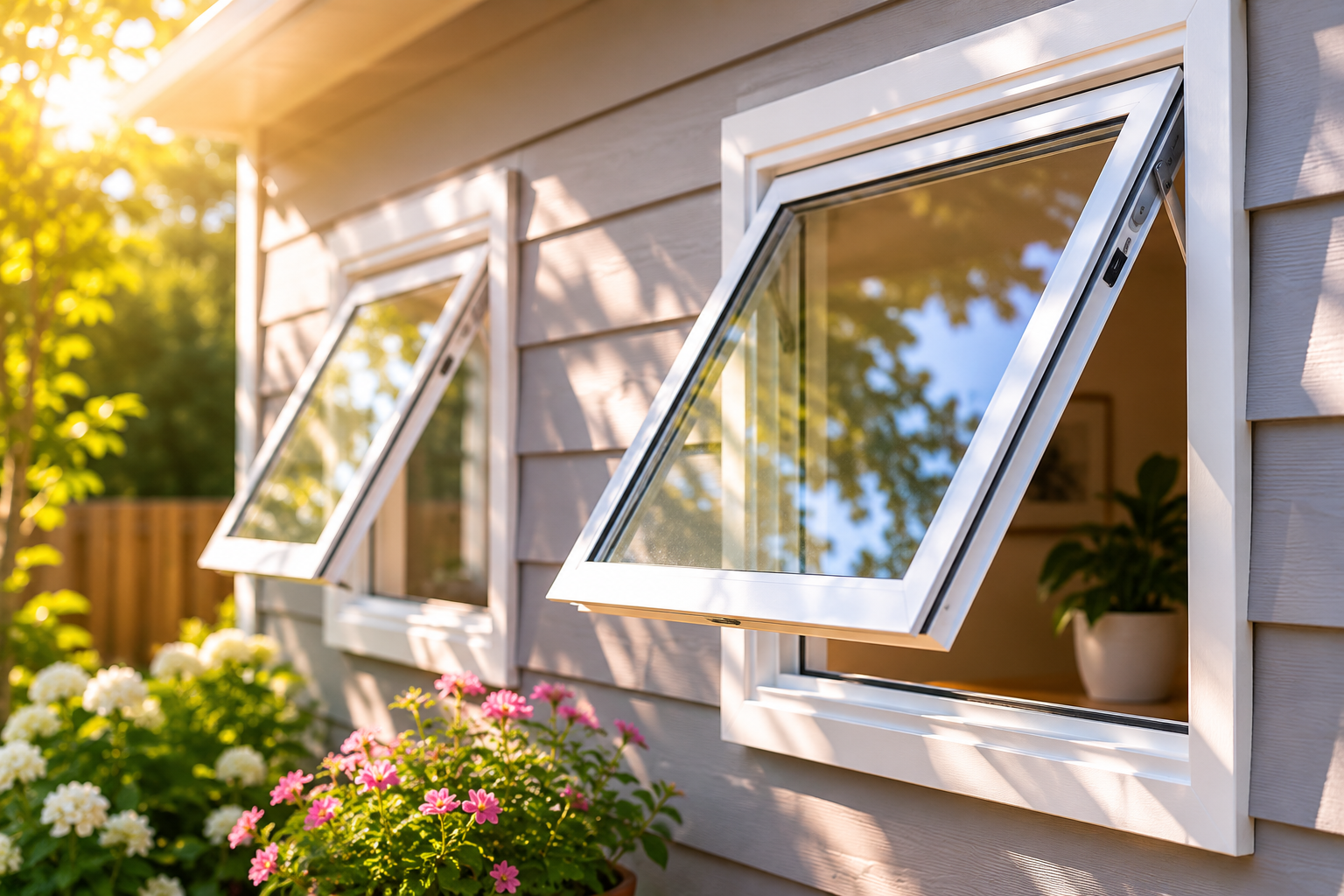
Awning windows (hinged at the top, opening outward at the bottom) excel in rainy climates. You can leave them open during light rain for ventilation. That’s a practical feature for the Mid-Atlantic.
Fixed (picture) windows maximize light but provide no ventilation. They’re often combined with operable windows in large shed dormers.
Prioritize energy efficiency. Dormer windows face the elements directly. ENERGY STAR certified windows with Low-E coatings and argon gas fills prevent heat loss in winter and heat gain in summer. Thompson Creek dormer windows exceed ENERGY STAR 2022 criteria, which matters most in attic spaces that tend to be the hardest rooms in the house to heat and cool. You can learn more about our energy-efficient windows and what those ratings mean in real-world performance.
Think about proportion. Larger windows bring in more light but cost more. Balance window size with your budget and the dormer’s proportions. A dormer that’s mostly window looks unbalanced. A good rule of thumb: windows should occupy 50 to 70 percent of the dormer’s face.
Consider wind and weather ratings. Dormer windows on Mid-Atlantic homes should be tested for structural performance in high-wind conditions. Thompson Creek windows are AAMA-tested and rated to withstand winds up to 146 mph. If you live near the Chesapeake Bay, along the Virginia coast, or in any area with exposure to tropical storm activity, that rating isn’t a marketing number. It’s protection you’ll actually rely on.
Dormer vs. Skylight: Which Is Right for You?
Both dormers and skylights bring light to attics, but they serve different purposes.
Skylights sit flush with the roof slope, following its angle. They’re less expensive ($1,600 to $4,200 installed) and simpler to add. They don’t add headroom or usable floor space. They simply provide light.
Dormers project out from the roof, creating vertical walls and expanding functional space. They cost more but actually increase the livable square footage of your home.
If your goal is adding light to an attic you already use, skylights may be sufficient. If you need to create a room where one doesn’t currently exist, a dormer is the right solution.
Planning Considerations Before You Start
Dormer projects are major undertakings. A few things worth getting right before you commit.
Structural assessment. Your existing roof structure must support a dormer. Older homes may need reinforcement. A structural engineer should evaluate your roof framing before you finalize any plans.
Roof pitch. Steeper pitches work better for dormers. Very low-pitch roofs don’t provide enough slope for attractive dormers. You’ll generally want at least a 4:12 pitch (4 inches of rise for every 12 inches of horizontal run).
Proportions matter. Dormers must be proportioned correctly to look good. As a general rule, dormer width shouldn’t exceed half the house width, and dormer height shouldn’t rise significantly above the main ridge. Work with an experienced designer who understands architectural proportion.
Permits are required. All dormers require building permits. Factor the permitting timeline into your project schedule, and budget $390 to $1,930 for permit costs. A good contractor handles the permitting process.
Weatherproofing is non-negotiable. Dormers create multiple transition points where water can potentially infiltrate. Valleys, step flashing, and counter-flashing must be installed precisely. Poor flashing work leads to leaks that damage both the attic and the rooms below. Choose contractors with a proven track record in dormer waterproofing specifically.
Frequently Asked Questions
Can dormers be added to any house?
Most houses with sloped roofs can accommodate dormers, but very low-pitch roofs or homes with complex roof structures may have limitations. A structural assessment determines feasibility before you commit to a design.
Do I need planning permission for a dormer?
In most Mid-Atlantic jurisdictions, yes. Check local building codes and permitting requirements before starting. Your contractor should handle this process, but you’ll want to understand the timeline before scheduling any work.
How long does dormer construction take?
Small window dormers take one to two weeks. Larger dormers or full attic conversions take one to six months depending on project scope, weather, permit approvals, and interior finishing requirements.
Can dormers leak?
Properly constructed dormers with correct flashing don’t leak. However, dormers create additional roof penetrations and valleys that require expert waterproofing. Poor construction or inadequate flashing leads to problems. Choose contractors with documented experience in dormer installation.
Will a dormer window match my existing windows?
Yes, if you work with a manufacturer that offers customization. Thompson Creek manufactures dormer windows to match your existing windows in style, color, grid pattern, and hardware, ensuring a seamless appearance. Schedule a free in-home consultation, and our design team will spec the windows to your exact dormer opening.
What’s the difference between a dormer and a gable?
A gable is the triangular end of a pitched roof. It’s part of the main house structure. A dormer is a separate structure that projects out from a sloped roof. Dormers can have gable-style roofs, but the dormer itself is not a gable.
Custom Dormer Windows from Thompson Creek
Dormers turn wasted attic space into the rooms your family actually needs. But the project rises or falls on the quality of the windows.
Thompson Creek has been manufacturing custom windows at our 70,000 sq ft Maryland facility for over 40 years. Family-owned since 1980, we design, build, install, and service every window we sell. That means one company responsible for your entire experience, from measurement through warranty service, with no middlemen and no passing the buck.
Every dormer window we build exceeds ENERGY STAR 2022 criteria for year-round comfort in attic spaces that are typically the hardest to condition in the house. Our quality vinyl construction won’t warp, rot, or require painting. Professional weatherstripping and multi-point locking systems provide tight seals against the air infiltration and moisture that Mid-Atlantic weather demands.
Our 50-year No-Hassle Warranty covers both the windows and the installation. That’s not a limited warranty with pages of exclusions. It covers the product and the work, backed by a company that has been here since 1980 and plans to be here when you call.
Planning a dormer addition? We’ll work directly with your contractor to manufacture windows that fit precisely, arrive on schedule, and install without complications. Or bring us in during the design phase and we’ll help spec windows that maximize light, ventilation, and energy performance while keeping the exterior looking like your home was always meant to have dormers.
Schedule your free consultation and put 40+ years of Mid-Atlantic window manufacturing experience to work on your attic project.