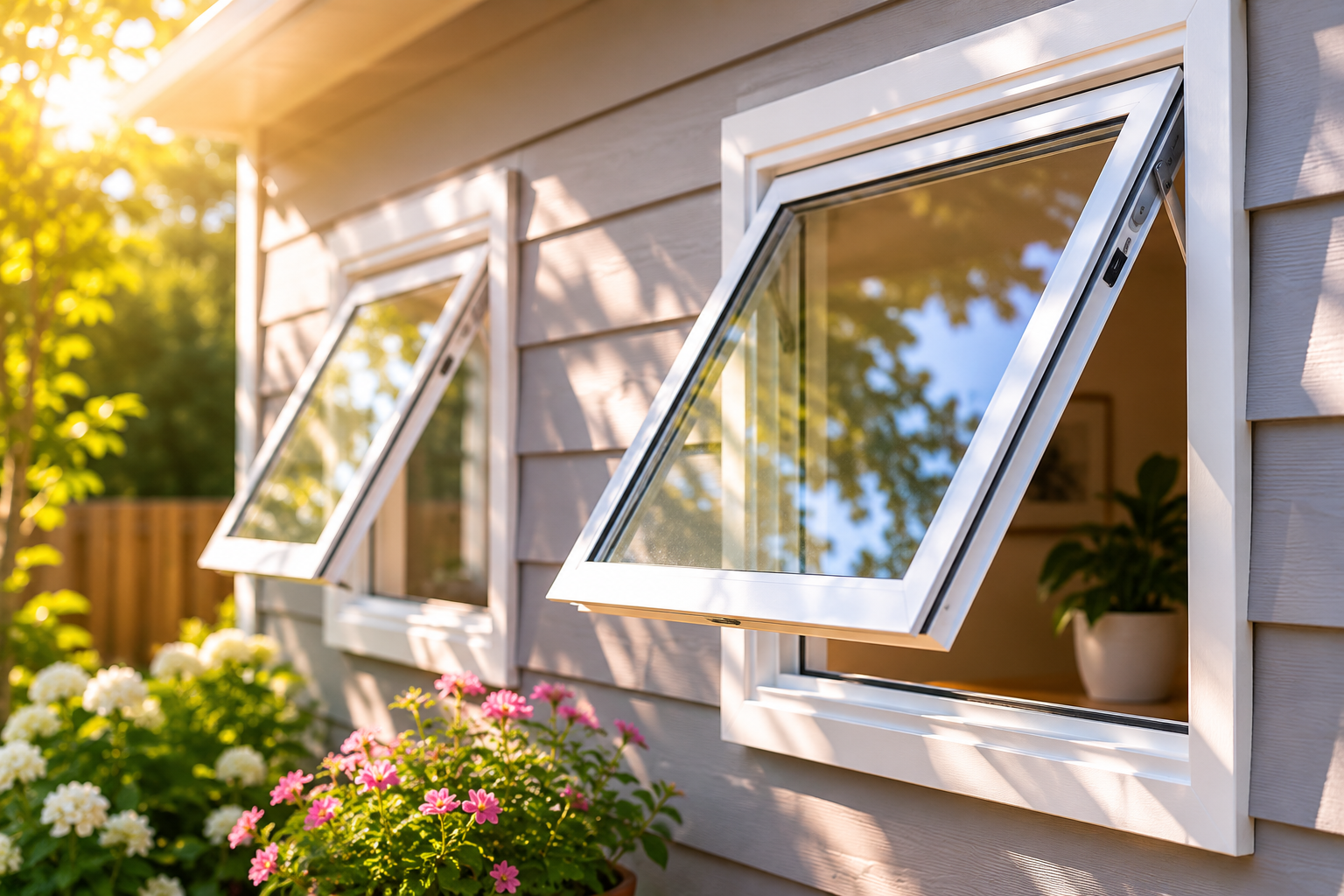
Picture a room where the wall between inside and outside simply disappears. Natural light pours in from floor to ceiling. The backyard, a waterfront view, or a manicured garden becomes part of every meal, every morning, and every evening at home. That is what floor-to-ceiling windows actually do to a living space, and more Mid-Atlantic homeowners are asking about them every year.
Thompson Creek Window Company has served Maryland, Virginia, Washington DC, and Pennsylvania since 1980. We custom-manufacture replacement windows at our 70,000 sq ft Upper Marlboro facility and install them with our own trained crews. When it comes to expansive glazing in our region’s climate, we get a lot of questions. This guide answers all of them: what floor-to-ceiling windows actually are, what they cost, how they perform in our heat-and-cold climate, and how to decide if they are right for your home.
What Are Floor-to-Ceiling Windows?
Floor-to-ceiling windows are glass panels that span the full height of a wall, typically 8 to 10 feet or more. Instead of a window sitting in the middle of a wall, the glass itself becomes the wall, creating what architects call a glazed facade or window wall.
These installations are usually a combination of operable and fixed panels. You might pair an awning window with a fixed picture panel above it or stack double-hung windows together to create a tall, light-filled composition. Some systems use sliding or folding glass doors that open an entire wall to a deck or patio. The right design depends on your home’s layout, where the wall faces, and how much ventilation you want.
Frame and Glass Options
Frame materials matter for both performance and longevity in the Mid-Atlantic climate. Vinyl frames resist moisture and need no painting, making them well-suited to our humid summers. Fiberglass offers superior thermal performance and resists warping through the temperature swings we see between January and August. Wood brings traditional warmth but demands more upkeep. Aluminum provides a slim profile for maximum glass area, though thermal breaks are essential in our climate to prevent condensation.
Glass performance is where the real work happens. A wall of glass with outdated glazing will make a room feel like a greenhouse in August and a refrigerator in February. Modern floor-to-ceiling windows use dual-pane or triple-pane construction with Low-E coatings and argon gas fills between panes. These technologies manage heat transfer in both directions, keeping conditioned air in and outdoor temperatures out. Thompson Creek’s energy-efficient windows exceed ENERGY STAR® 2022 criteria and are tested to handle winds up to 146 mph, which matters when a nor’easter rolls through.
The Real Benefits of Floor-to-Ceiling Windows
Daylight That Changes How a Room Feels
The most immediate shift after installing a window wall is the light. Rooms that were dim become naturally bright throughout the day. You reduce your reliance on overhead lighting during daylight hours, which brings your utility costs down and makes spaces feel larger than their square footage suggests.
Natural light also affects how people feel in a space. Research consistently links daylight exposure to improved mood, better sleep, and increased alertness. For Mid-Atlantic homeowners who spend long winters inside, that matters.
A Visual Connection to the Outdoors
Floor-to-ceiling windows pull your yard, garden, or view into the room. Spring cherry blossoms, summer green, fall foliage, and even winter snow become part of your daily environment. In smaller homes or tight floor plans, that visual depth makes rooms feel significantly more spacious than their actual dimensions.
If your property has a strong feature, whether a wooded lot, waterfront access, or a well-landscaped backyard, window walls let you live with that view rather than occasionally glancing at it through a standard-sized opening.
Home Value and Curb Appeal
Adding architectural glass walls enhances design character and commands attention from buyers. These are considered premium architectural features in real estate listings, and they appeal to the modern, light-focused aesthetic that drives buyer interest in our market. Combined with energy-efficient glazing, they can also tell a measurable story about reduced utility costs. Like our replacement doors, the right windows pay dividends in both comfort and resale value.
Energy Efficiency in the Mid-Atlantic Climate
This is the question most homeowners in our region ask first, and it is the right question. Maryland, Virginia, DC, and Pennsylvania put windows through real punishment: summers that run 90-plus degrees with high humidity, winters that drop below freezing, and severe weather that includes nor’easters and occasional hurricane remnants.
The good news: window technology has made major gains. Here is what actually determines how a floor-to-ceiling installation performs.
Low-E Coatings
Low-emissivity coatings are microscopically thin metallic layers applied to the glass surface. They reflect infrared heat, which in summer means blocking solar heat before it enters the room. In winter, they reflect interior warmth back in rather than letting it escape. UV blocking is a secondary benefit, protecting flooring, furniture, and artwork from fading.
Dual-Pane and Triple-Pane Construction
Dual-pane windows provide a strong balance of cost and performance for most applications. Triple-pane construction goes further, adding a third glass layer and a second insulating gas cavity, which is particularly valuable for north-facing or exposed walls in colder parts of our service area.
Argon Gas Fills
Argon is an inert, odorless gas that is denser than air. Filling the space between panes with argon reduces convection and conduction within the window assembly, improving thermal insulation measurably over air-filled units.
Orientation Strategy
Where the windows face changes everything.
South-facing floor-to-ceiling windows capture passive solar heat through winter mornings and afternoons, which can meaningfully reduce heating loads. But they need exterior overhangs or shading devices to prevent summer overheating.
North-facing installations get consistent, diffuse light year-round with minimal solar heat gain. They are often the easiest orientation to manage from an energy standpoint.
East and west exposures bring beautiful morning or evening light but require careful glass selection, specifically lower solar heat gain coefficients, to avoid uncomfortable heat and glare during peak sun hours.
Getting orientation right is part of why an in-home consultation matters. Our team offers free, no-obligation estimates that include a full assessment of your home’s exposure and specific glazing recommendations for each wall.
What Do Floor-to-Ceiling Windows Cost?
Pricing varies significantly based on size, glass package, frame material, and how structurally complex the installation is.
A standard living room floor-to-ceiling installation generally falls between $3,000 and $15,000. High-end designs with premium glazing, specialty frames, or large-format multi-panel systems can exceed $30,000. Per-linear-foot pricing typically lands between $700 and $1,600 installed, depending on materials, labor, and customization.
The main cost drivers:
Glass type accounts for a significant portion of the investment. Basic single-pane is cheapest upfront but delivers the worst long-term performance. Dual-pane with Low-E and argon is the performance sweet spot for most projects. Triple-pane adds cost but reduces energy loss further.
Frame material shifts cost up or down. Vinyl and aluminum are the most budget-friendly options. Fiberglass costs more but delivers better thermal performance and resists the warping that temperature extremes cause in less rigid materials.
Structural requirements for existing homes. Adding large glass openings to an existing wall often means removing or modifying load-bearing elements, which requires engineering review and potentially the installation of headers or beams. New construction avoids much of this cost.
Customization. Motorized shades, specialty glass (privacy glass, decorative glass), custom shapes, and specific hardware options add to the total.
Long-Term Value
The upfront cost looks different when you consider what you are actually buying. Energy-efficient glazing reduces monthly utility bills. Premium window installations increase resale value. And unlike many home improvement projects, properly installed, high-quality windows require minimal maintenance over decades. Thompson Creek backs all products and installation with our No-Hassle Warranty and Buyer Protection Guarantee for up to 50 years. That 50-year coverage on both product and labor is part of the total cost calculation that most competitors cannot match.
Privacy, Glare, and Security: The Real Tradeoffs
Floor-to-ceiling windows are not right for every location in a home, and being clear about tradeoffs helps you make a good decision.
Privacy
Ground-floor windows that face a street or neighbor’s property require a plan. You have real options: motorized shades that adjust on a schedule or by remote, frosted or privacy glass panels in areas where light is wanted but visibility is not, smart glass technology that transitions from clear to opaque, or landscape design that creates a natural visual barrier. The solution you choose affects both the window’s usability and your daily comfort.
Rear-facing or upper-story installations generally avoid this problem entirely. If the view you are framing is your own backyard or a natural landscape, privacy is rarely an issue.
Glare
Abundant natural light is the goal, but direct sun hitting a television screen or computer monitor is a daily frustration. The fix is almost always in placement and glass selection rather than window size. Low SHGC coatings reduce glare without sacrificing the open feel. Sheer solar shades cut direct sun while maintaining the view. Furniture orientation is often the simplest solution.
Security
Large glass areas are a consideration for ground-floor rooms accessible from outside. Tempered or laminated glass significantly increases impact resistance. Multi-point locking systems on operable panels add security without affecting appearance. Glass-break sensors integrate easily with modern home security systems.
Design and Structural Considerations
New Construction vs. Existing Homes
Floor-to-ceiling windows integrate most easily and affordably into new construction, where the structure can be designed around them from the beginning. A 10-foot by 9-foot unit in a new build can often be installed in a day.
Retrofitting an existing home requires more work. Any wall large enough to accommodate a window wall is likely load-bearing, which means structural assessment and modification before installation begins. Permit requirements vary by jurisdiction across our service area (Maryland, Virginia, DC, and Pennsylvania), and a professional will know what your specific county or municipality requires.
Room Applications
Living rooms and great rooms are the most common application. High ceilings and open-concept layouts make the most of window walls, and these are the rooms where views and daylight create the most daily value.
Dining areas benefit from the connection between indoor meals and outdoor space. Natural light makes food look better and creates a more inviting atmosphere for family and entertaining.
Bedrooms work well with rear-facing or upper-story installations where privacy is not a concern. Waking up to natural light and an outdoor view changes the feel of a room entirely.
Stairwells and transitional spaces are often overlooked but highly rewarding. A window wall in a stairwell brings natural light to one of the darkest parts of a home and creates architectural drama around features like floating stairs or open railings.
Maintenance: What to Expect
Floor-to-ceiling windows require more cleaning effort than standard windows simply because of their size. Ground-floor installations are manageable with appropriate tools. Multi-story windows often benefit from professional cleaning.
Annual inspection of seals and frames keeps performance on track. In our climate, temperature cycling puts stress on seals over time, and early detection of any degradation prevents moisture infiltration and maintains insulation values. For operable sections, lubricating hardware tracks and locking mechanisms annually extends smooth operation.
Frame material determines your long-term maintenance commitment. Vinyl needs almost no attention beyond cleaning. Wood requires periodic inspection and refinishing. Fiberglass falls between the two.
Frequently Asked Questions
Are floor-to-ceiling windows energy efficient?
Yes, with the right glazing. Dual-pane or triple-pane glass with Low-E coatings and argon fills performs well in our climate. The key is selecting glass specifications appropriate for the window’s orientation and your home’s heating and cooling setup. Thompson Creek’s custom-manufactured windows exceed ENERGY STAR® 2022 criteria and are optimized for the Mid-Atlantic climate zone.
How much do floor-to-ceiling windows cost?
Most residential installations fall between $3,000 and $15,000 for a standard living room application, with high-end systems exceeding $30,000. Per-linear-foot pricing typically ranges from $700 to $1,600 installed. Structural modifications for retrofit projects add cost. The best way to get an accurate number for your specific home is a free in-home consultation.
Do floor-to-ceiling windows require structural support?
Yes. Large glass openings almost always require structural modification to redistribute the loads previously carried by the wall section being removed. This typically means engineering review and installation of headers or beams. New construction can incorporate these requirements from the design phase.
Can floor-to-ceiling windows withstand storms?
With the right glass and installation. Thompson Creek’s windows are AAMA-tested to withstand winds up to 146 mph, which covers the strongest conditions our region has seen. Tempered or laminated glass adds impact resistance. Professional installation with proper sealing and fastening is essential for performance in severe weather.
Are floor-to-ceiling windows a good investment?
For the right home and location, yes. They increase natural light, improve livability, and add architectural character that appeals to buyers. Paired with energy-efficient glazing, they can also reduce monthly utility costs. The investment makes most sense when you have views worth framing, appropriate privacy conditions, and a home that can accommodate the structural requirements without excessive modification costs.
What window styles work best for floor-to-ceiling installations?
Combining operable and fixed panels is common practice. Double-hung windows stacked vertically, casement windows paired with fixed picture panels, and custom window configurations designed to your home’s exact dimensions all achieve the floor-to-ceiling effect. Thompson Creek designs and custom-manufactures each configuration to your home’s exact specifications from our Maryland factory.
Thompson Creek’s Approach to Large-Format Glazing
Thompson Creek has designed and installed custom windows across the Mid-Atlantic since 1980. Our model is simple: we design it, build it, install it, and stand behind it with our No-Hassle Warranty. No middlemen, no contractor handoffs, no gap between who sold you the window and who is accountable for how it performs. That factory-direct accountability is what sets us apart from dealers who source from distant factories and pass service responsibility to someone else.
For floor-to-ceiling projects, our team brings regional climate expertise that general contractors often lack. We understand how our humidity and temperature swings affect glazing over time, which glass specifications perform best for specific orientations in our market, and what our local building codes require in Maryland, Virginia, DC, and Pennsylvania. Our factory in Upper Marlboro custom-manufactures every window to the exact measurements of your opening, which is particularly important for large-format installations where precision fit determines both performance and appearance.
We serve homeowners across our full service area from our regional offices: Lanham, MD (headquarters), Upper Marlboro, MD (manufacturing), Chesapeake, VA, Ashland, VA, and Norristown, PA.
Is a Floor-to-Ceiling Window Right for Your Home?
The best candidates combine a few factors: a strong view or outdoor feature worth highlighting, a room orientation that manages solar exposure well, structural conditions that do not require extensive modification, and privacy conditions that work with large glass.
If your home checks those boxes, a window wall can be one of the most impactful improvements you make. If the tradeoffs in privacy, cost, or structural complexity are significant, there are meaningful alternatives. Large picture windows, bay or bow windows, or carefully grouped window arrangements can achieve much of the light and visual expansion without the full commitment of a glazed wall.
The clearest way to know which direction makes sense for your home is to talk with someone who has seen a few thousand of them installed. Schedule a free consultation with Thompson Creek and we will walk through your specific situation, including orientation, structural considerations, glass recommendations, and realistic cost expectations for your home.
Ready to Explore Floor-to-Ceiling Windows? Get your free, no-obligation estimate from Thompson Creek and find out what is possible for your home.