A soaking tub has become a symbol of luxury and relaxation in modern bathrooms. With its deep design and promise of a spa-like experience at home, it’s no wonder many homeowners are drawn to this indulgent feature. But the question remains—does the comfort and aesthetic appeal truly justify the investment?
For some, a soaking tub transforms an ordinary bath into a tranquil retreat, perfect for unwinding after a hectic day. For others, it might feel like an unnecessary splurge, especially if space or budget is limited. Understanding the pros and cons can help determine if this elegant addition aligns with your lifestyle and home needs.
What Is A Soaking Tub?
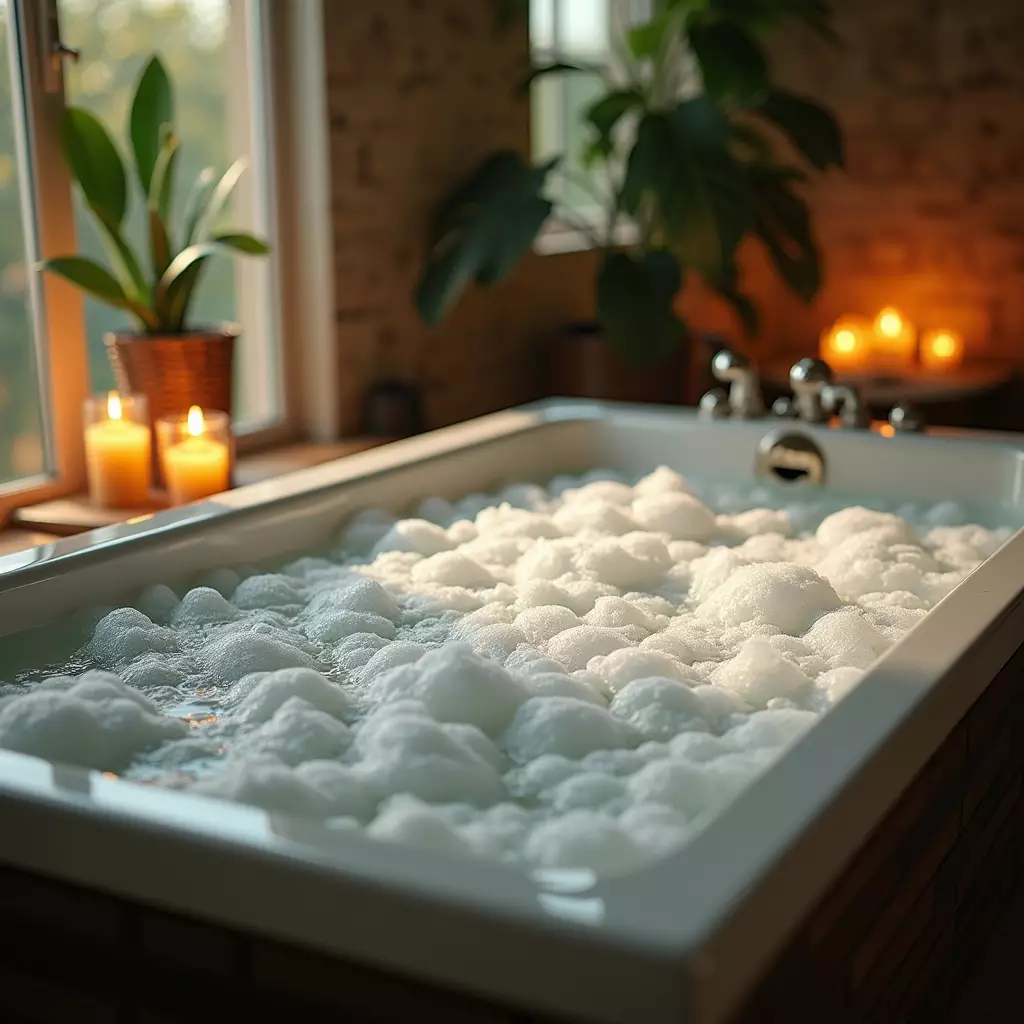
A soaking tub is a deep bathtub designed for full-body immersion, offering a calming and spa-like bathing experience. Unlike standard bathtubs, these tubs are deeper, typically with soaking tub depths ranging from 14 to 20 inches, allowing users to submerge most of their body comfortably. This design promotes relaxation and enhances comfort compared to traditional bathtubs.
Soaking tubs come in various styles, including freestanding models, alcove options, and drop-in designs. They are available in materials like acrylic, cast iron, and stone. Some models feature ergonomic designs, ensuring maximum comfort during extended baths. Luxury bathtub brands often offer soaking tubs with advanced features such as built-in heating elements or whirlpool systems for added indulgence.
Top rated soaking tubs are often praised for their aesthetics. These tubs can serve as a focal point in a bathroom, adding elegance to the overall design. Additionally, their compact base designs make them suitable for both spacious and smaller bathrooms, providing flexibility in placement.
Pros Of A Soaking Tub
Soaking tubs offer numerous benefits, making them highly desirable in modern bathrooms. Their combination of comfort, aesthetics, and functionality can transform a simple bath into an indulgent experience.
Enhanced Relaxation And Stress Relief
Soaking tubs excel at providing deep relaxation, thanks to their design prioritizing full-body immersion. With soaking tub depths between 14 and 20 inches, users can submerge comfortably for a soothing experience. These tubs create a spa-like atmosphere at home, reducing stress after long days. Many top-rated soaking tubs include ergonomic designs that increase comfort during extended use. This full-body support, combined with warm water exposure, helps relax muscles and improve mental well-being.
Aesthetic Appeal And Luxury
Soaking tubs serve as statement pieces that elevate a bathroom’s appearance. Their elegant designs, offered by luxury bathtub brands, add sophistication and charm. Whether freestanding or drop-in styles, their presence can make a bathroom feel more upscale. The variety of finishes, such as glossy acrylic or matte stone, ensures compatibility with different design preferences. Their visual appeal isn’t just functional; it hints at a luxurious, leisurely lifestyle, making them a symbol of indulgence.
Therapeutic Benefits
The therapeutic effects of soaking tubs benefit both physical and mental health. The deep soaking tub depths promote consistent heat distribution, which soothes joints and muscles. Hydrotherapy features available in advanced models amplify these effects, aiding individuals with chronic pain or post-exercise recovery. Warm water immersion also improves circulation and promotes better sleep, making soaking tubs ideal for health-conscious homeowners.
Increased Property Value
Adding a soaking tub boosts a property’s appeal to potential buyers. They are often seen as luxury items, especially when sourced from top-rated soaking tub brands. Homes equipped with such high-end features can achieve higher resale values. The unique combination of style and functionality they bring to bathrooms positions them as an asset within competitive markets. Including a soaking tub can cater to buyers prioritizing modern, comfortable living spaces.
Cons Of A Soaking Tub
Although soaking tubs offer numerous advantages, they come with several drawbacks that may impact practicality depending on individual circumstances.
Higher Cost And Installation Challenges
Soaking tubs often involve a higher upfront cost compared to standard bathtubs, especially when selecting options from luxury bathtub brands. The cost of a soaking tub can vary widely, ranging between $600 and $5,000 depending on the material, size, and design. Freestanding or stone models typically push costs toward the higher end.
Installation can pose challenges due to their weight and plumbing requirements. Cast iron and stone soaking tubs, for example, require reinforced flooring, increasing installation expenses. Positioning a freestanding soaking tub also demands precise plumbing work. Homeowners in older homes may face additional renovation costs if structural updates are needed to accommodate the tub’s weight or depth.
Space Considerations
Soaking tubs generally require more space than traditional tubs due to their larger dimensions and deeper design. Most models have a soaking depth between 14 and 20 inches, making them unsuitable for smaller bathrooms. Freestanding soaking tubs, while visually appealing, need additional clearance to maintain their aesthetic.
Homes with compact layouts may struggle to fit a soaking tub without compromising other bathroom fixtures. A top rated soaking tub can enhance a bathroom’s elegance but only if the room size allows functionality and balance. For small bathrooms, alternative solutions like compact or corner bathtubs might prove more practical.
Maintenance Requirements
Maintaining soaking tubs can be more demanding compared to standard bathtubs. Luxurious materials like stone or copper require specific cleaning products to avoid damage, and freestanding tubs often have undersides that are harder to access for cleaning or repairs. Acrylic models, a common choice for soaking tubs, are prone to scratches and may need careful maintenance to preserve their appearance.
Soaking tub depths enable full-body immersion but also result in higher water usage, increasing utility costs. Additionally, draining and cleaning a larger tub is more time-intensive, especially in homes using hard water, as mineral deposits can develop more quickly.
Factors To Consider Before Buying A Soaking Tub
When deciding if a soaking tub is a worthy investment, several critical factors should be evaluated. These considerations will help ensure the tub suits the homeowner’s space, usage needs, and financial situation.
Space Availability
Soaking tubs, with their deeper designs and varying dimensions, require adequate bathroom space. Standard soaking tub depths range from 14 to 20 inches, with models like freestanding tubs demanding more floor area for appropriate placement. Smaller bathrooms may have difficulty accommodating these tubs without significant remodeling.
Measure the available space before selecting a tub. Freestanding models often need open, accessible areas, while alcove and drop-in designs fit more efficiently in existing layouts. For instance, alcove tubs align well with three-wall enclosures, making them practical for compact designs. Additionally, check the structural integrity of the floor, as heavier tubs like cast iron or stone models may need reinforced flooring.
Homeowners targeting a spa-like experience should also evaluate the space for additional features. Some top-rated soaking tubs with whirlpool systems or built-in heating elements may require more room or electrical modifications. Proper space planning can help avoid costly adjustments and ensure a comfortable bathing experience.
Budget And Cost
The cost of a soaking tub varies widely, ranging from affordable acrylic models around $600 to luxury bathtub brands exceeding $5,000. Freestanding designs and premium materials like marble or cast iron tend to reside on the higher end of the spectrum. Additional expenses may include delivery fees, installation charges, and structural modifications.
Factor in long-term expenses, such as increased water usage and maintenance requirements. Deeper soaking tub depths use more water, which could elevate utility bills. For luxury models with advanced features like whirlpool jets or chromotherapy lighting, higher maintenance costs should also be anticipated.
Researching top-rated soaking tubs by comparing options within a budget range can help balance initial costs with long-term value. For those planning to sell their home, a soaking tub can increase resale value, but only if the investment aligns with buyer expectations in the local market.
Frequency Of Use
The decision to invest in a soaking tub depends significantly on how often it will be utilized. If relaxation through full-body immersion is a priority, then daily or frequent use can justify the expense. Soaking tubs benefit those seeking therapeutic relief, such as soothing sore muscles or improving circulation, particularly in households with active lifestyles.
If usage is likely to center around occasional indulgence rather than regular use, other options like standard bathtubs or smaller soaking tubs may be more practical. Consider how many individuals will use the tub. In families with multiple members, a larger unit may accommodate shared use better.
For infrequent users, the cost of installation or high-end luxury bathtub brands might outweigh its perceived value. Compare the benefits of a soaking tub against alternative relaxation methods, such as standalone spa treatments, if the tub is expected to see minimal use.
Alternative Options To Soaking Tubs
For those not opting for soaking tubs, several alternatives provide comfort and functionality. Exploring these options can help decide on the best fit for individual needs.
Standard Bathtubs
Standard bathtubs offer practicality and affordability. These tubs typically have depths between 12 and 14 inches, making them suitable for quick baths and easy access. They’re ideal for smaller spaces, where soaking tubs may not be practical, and are available in various materials like acrylic, steel, and fiberglass.
Homeowners can find standard tubs in alcove and drop-in designs, which complement different bathroom layouts. Unlike luxury bathtub brands specializing in premium soaking tubs, standard bathtubs focus on functionality. They’re often compatible with shower-tub combos, allowing dual-purpose use. Maintenance is minimal since these tubs lack elaborate features, resulting in lower long-term costs.
Walk-In Tubs
Walk-in tubs combine safety and comfort, catering primarily to seniors or those with mobility challenges. These tubs feature sealed doors and built-in seating, allowing users to step inside without navigating high tub walls. Many models have soaking tub depths of up to 20 inches for a full-body soak.
Features like grab bars and anti-slip surfaces enhance safety, while advanced versions may include hydrotherapy jets or heated seating for therapeutic benefits. Despite their utility, walk-in tubs require a significant investment, with prices often surpassing standard or even some top-rated soaking tubs. Installation might also require professional plumbing modifications due to their unique specifications.
Hot Tubs Or Jacuzzis
Hot tubs or Jacuzzis are outdoor-focused options designed for relaxation and hydrotherapy. These units often accommodate multiple users, making them ideal for social settings or family use. Unlike standard or soaking tubs, they prioritize massaging water jets and maintainable water temperature.
While they’re not limited by bathroom space, hot tubs often demand dedicated electrical setups, proper drainage, and weather-resistant placement. They can cost significantly more than standard or soaking tubs, with maintenance involving chemical treatments to keep water sanitary. However, they offer unmatched therapeutic value, rivaling the experience of high-end soaking tub options.
Key Takeaways
- Alternatives such as standard bathtubs, walk-in tubs, or hot tubs provide functional options for those seeking different features or cost-effective solutions.
- A soaking tub offers a deep, spa-like bathing experience, making it a luxurious addition to modern bathrooms.
- Benefits include enhanced relaxation, therapeutic advantages, aesthetic appeal, and potential to increase property value.
- Downsides include higher costs, space requirements, and ongoing maintenance needs compared to standard bathtubs.
- Key factors to consider before buying include space availability, budget, and frequency of use to ensure practicality.
Conclusion
A soaking tub can transform a bathroom into a personal retreat, offering both aesthetic appeal and therapeutic benefits. However, it’s essential to weigh the costs, space requirements, and maintenance demands against your lifestyle and priorities. For those seeking luxury and relaxation, a soaking tub may be a worthwhile investment, while others may find alternative options more practical. The decision ultimately depends on individual needs and preferences. For Alexandria or the wider Virginia are homeowners, undertaking a high-value bathroom renovation, it’s worth evaluating the full home improvement picture. Window replacement Alexandria alongside a primary bath upgrade can meaningfully improve both comfort and energy performance for what typically amounts to a single contractor engagement.
Frequently Asked Questions
What is a soaking tub?
A soaking tub is a deep bathtub designed for full-body immersion. It typically ranges from 14 to 20 inches in depth, offering enhanced comfort and a spa-like experience compared to standard tubs.
What are the benefits of a soaking tub?
Soaking tubs provide relaxation and stress relief, soothe sore muscles, improve circulation, and promote better sleep. They can also elevate a bathroom’s design and potentially increase property value.
What are the common materials used for soaking tubs?
Soaking tubs are made from materials like acrylic, cast iron, stone, and fiberglass. Each material offers varying durability, maintenance requirements, and aesthetic appeal.
Are soaking tubs expensive?
Yes, soaking tubs are more expensive than standard tubs. Prices range from $600 to over $5,000, with luxury models costing more due to additional features and high-end materials.
Do soaking tubs require a lot of space?
Yes, soaking tubs require more space than traditional tubs. Freestanding and larger designs may be unsuitable for small bathrooms. Always measure your space before purchasing.
Are soaking tubs hard to install?
Installation can be challenging, especially for heavy materials like cast iron or stone. Additional plumbing or structural floor support may be required.
Are soaking tubs water-efficient?
Larger soaking tubs use more water, leading to higher bills. Standard tubs require less water, so consider long-term water usage before purchasing.
Can a soaking tub increase property value?
Yes, a soaking tub can boost property value by appealing to luxury-focused buyers, especially in competitive real estate markets. Bethesda homeowners investing in premium bathroom upgrades often find the highest return comes from combining interior renovations with exterior improvements. Window replacement Bethesda adds measurable energy savings and appraised value alongside a bathroom remodel, particularly in the area’s high-value single-family home market.
What are some alternatives to soaking tubs?
Alternatives include standard bathtubs for practicality, walk-in tubs for safety and accessibility, or outdoor hot tubs and Jacuzzis for hydrotherapy and group relaxation.
How do I decide if a soaking tub is right for me?
Consider your bathroom space, budget, and frequency of use. If relaxation and luxury are priorities and space permits, a soaking tub can be a great addition. Otherwise, explore alternatives.