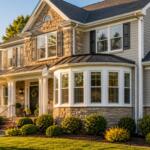
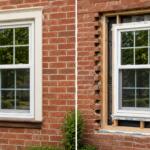
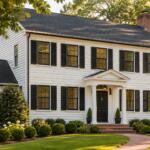
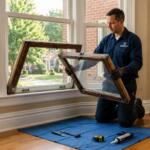
Owning a historic home in Maryland, Virginia, or D.C. comes with unique joys and challenges. These architectural treasures showcase craftsmanship from earlier eras, but their original single-pane windows often create comfort and efficiency problems. The good news is that you can preserve your home’s historic character while dramatically improving energy performance with the right replacement windows.
Many homeowners worry that modern replacement windows will compromise their home’s architectural integrity. However, custom-manufactured windows can match historical profiles, muntin patterns, and proportions while delivering contemporary energy efficiency. Understanding your options helps you make decisions that honor your home’s heritage and meet your comfort needs.
Challenges of Original Windows in Historic Homes
Historic homes throughout the Mid-Atlantic region, from Victorian-era Baltimore rowhouses to Colonial estates in Virginia, face common window-related challenges:
Single-Pane Glass Inefficiency: Most pre-1950s homes feature single-pane windows that offer minimal insulation. These windows allow 30% or more heat loss compared to modern energy-efficient windows, driving up heating and cooling costs significantly.
Deteriorating Wood Frames: Original wood windows experience rot, warping, and decay over decades of exposure to Mid-Atlantic humidity and temperature swings. Rotted sills and frames compromise structural integrity and allow air and water infiltration.
Rope and Pulley Failure: Traditional double-hung windows used rope and weight systems that eventually fail. When these mechanisms break, windows become difficult or impossible to operate safely.
Poor Air Sealing: Gaps between sashes and frames widen as wood shrinks and swells with seasonal humidity changes. These gaps create drafty windows that allow cold air infiltration in winter and hot, humid air in summer.
Lead Paint Concerns: Many historic homes have layers of lead paint on original windows, creating health hazards, especially for families with young children. Scraping or sanding during repairs can release dangerous lead dust.
Condensation and Moisture Damage: Single-pane glass surfaces get very cold in winter, causing condensation that leads to mold growth, water damage to sills and walls, and deteriorating paint.
Balancing Historic Preservation with Modern Performance
The tension between maintaining historic character and improving efficiency is real, but not insurmountable. Here’s what you need to know:
Preservation District Requirements: Some Maryland and Virginia historic districts have specific requirements for window replacement. Check with local historic preservation offices before starting your project. Many districts allow interior replacement while requiring historic-looking exteriors.
Tax Credits and Incentives: The federal Historic Preservation Tax Credit program and some state programs offer incentives for qualified rehabilitation projects. Energy-efficient upgrades may also qualify for utility rebates.
Period-Appropriate Aesthetics: Modern custom windows can replicate historical profiles, proportions, and details. Custom manufacturing allows you to match original window styles while incorporating contemporary energy-saving technology.
Interior vs. Exterior Appearance: Some preservation approaches focus on maintaining exterior appearance while allowing modern materials on the interior. This balances historical authenticity with performance needs.
Modern Window Solutions for Historic Homes
Today’s replacement windows offer sophisticated solutions that respect historic architecture while delivering superior performance:
Custom-Manufactured to Historic Specifications: Thompson Creek manufactures windows to match your home’s original dimensions, proportions, and architectural details. Whether you have tall, narrow Victorian windows or wide Colonial-style units, custom sizing ensures a perfect fit.
Period-Appropriate Styles: Choose from historically accurate window styles, including traditional double-hung, casement, and picture windows that match your home’s era and architectural style.
Muntin and Grid Options: Replicate original divided-light patterns with either true divided lights (individual glass panes) or simulated divided lights (grids between glass layers or applied to surfaces). Both options can achieve authentic appearances while maintaining energy efficiency.
Frame Materials That Mimic Wood: Modern vinyl and fiberglass frames can replicate wood grain textures and traditional profiles. These materials require no painting, resist rot and decay, and provide superior insulation compared to original wood.
Historic Colors: Match original window colors or choose from period-appropriate color options. Thompson Creek offers various exterior colors to complement your home’s historic palette.
Energy Efficiency Without Compromise: Energy-efficient windows with Low-E coatings, argon gas fills, and multiple panes deliver ENERGY STAR® performance while maintaining slim profiles that respect historic proportions.
Maryland and Virginia Historic Home Considerations
The Mid-Atlantic region features distinct architectural styles requiring specific window considerations:
Colonial and Federal Styles (1600s-1830s): These homes typically feature symmetrical facades with multi-pane windows, often in 6-over-6 or 9-over-9 configurations. Modern replacements should maintain these grid patterns and traditional proportions.
Victorian Era (1840s-1900s): Victorian homes showcase varied window styles, including tall, narrow double-hungs, bay windows, and decorative upper sashes. Custom manufacturing accommodates these unique shapes and sizes.
Colonial Revival (1880s-1950s): This style borrowed from earlier Colonial designs but with modern construction methods. Windows often featured simpler muntin patterns like 6-over-1 or 8-over-1 configurations.
Bungalow and Craftsman (1900s-1930s): These homes used varied window heights and groupings, often with casement windows and decorative glass. Maintaining these characteristic patterns preserves architectural integrity.
Mid-Century Modern (1940s-1960s): Although more recent, these homes now qualify as historic in some areas. Large picture windows and sliding windows characterized this era.
Addressing Foundation Settling and Non-Standard Openings
Historic homes throughout Maryland and Virginia commonly experience foundation settling, creating unique challenges for window replacement:
Non-Square Openings: Decades of settling often result in window openings that aren’t perfectly square or level. Custom-manufactured windows accommodate these irregularities, ensuring proper fit and operation.
Varying Dimensions: Even windows that appear identical may have slightly different measurements due to hand construction methods used in historic buildings. Measuring each window individually ensures accurate replacement sizing.
Wall Thickness Variations: Older homes may have irregular wall thicknesses from additions, renovations, or original construction methods. Custom windows account for these variations during manufacturing and installation.
Structural Considerations: Thompson Creek installers assess structural integrity around each window opening, reinforcing frames as needed while respecting original construction methods.
Energy Savings for Historic Homes
Replacing original single-pane windows with modern, energy-efficient replacements delivers substantial benefits:
Heating and Cooling Cost Reduction: Historic homes with new ENERGY STAR® windows can reduce utility costs by 20-30%. For a typical Mid-Atlantic home, this translates to $150-400 in annual savings.
Improved Comfort: Eliminating drafty windows and cold glass surfaces makes rooms more comfortable year-round. You’ll notice fewer cold spots near windows and more even temperatures throughout your home.
Reduced HVAC Strain: When your heating and cooling systems don’t battle constant heat loss or gain through inefficient windows, they run less frequently and last longer.
Condensation Elimination: Double or triple-pane windows maintain warmer interior glass temperatures, virtually eliminating condensation and the moisture problems it causes.
UV Protection: Low-E coatings block up to 95% of harmful UV rays, protecting historic woodwork, antique furnishings, and valuable textiles from fading and deterioration.
Noise Reduction: Modern windows with multiple panes and proper sealing significantly reduce exterior noise, particularly valuable in urban historic districts.
Return on Investment for Historic Home Windows
Window replacement represents a significant investment, but the returns justify the cost:
Energy Cost Recovery: Annual energy savings of $150-400 mean the investment pays for itself over 10-15 years through reduced utility bills alone.
Increased Home Value: According to the National Association of Realtors, homeowners recoup 70-80% of window replacement costs when selling. Historic homes with updated efficiency features particularly appeal to buyers.
Preservation of Historic Fabric: Proper window replacement prevents further deterioration of surrounding walls, trim, and interior finishes, avoiding more expensive repairs down the road.
Enhanced Marketability: Historic homes that combine period charm with modern comfort and efficiency command premium prices and sell faster than homes needing major updates.
Maintenance Cost Reduction: Modern windows require minimal maintenance compared to original wood windows that need regular painting, glazing, and repair.
Professional Installation for Historic Homes
Historic home window installation requires specialized expertise:
Careful Removal: Experienced installers remove old windows without damaging surrounding historic trim, plaster, or exterior finishes. Thompson Creek’s factory-trained installers understand how to work with delicate historic materials.
Custom Fitting: Non-standard openings require precise fitting and shimming. Our installers ensure windows sit square and level while maintaining proper clearances for operation.
Weather Sealing: Proper flashing and sealing protect against Mid-Atlantic weather while allowing historic walls to breathe appropriately. Modern sealing techniques prevent water infiltration without trapping moisture in old walls.
Trim Restoration: Our installation team can work with existing historic trim or recommend appropriate replacements that match original profiles and materials.
Code Compliance: Professional installation ensures compliance with current building codes while respecting historic preservation requirements.
Complementary Upgrades for Historic Homes
Window replacement often makes sense alongside other energy efficiency improvements:
Door Replacement: Update old entry doors and French doors simultaneously for consistent energy performance and aesthetic appeal.
Storm Windows and Doors: Add storm doors for additional weather protection and seasonal ventilation options.
Insulation Upgrades: Combine window replacement with attic and wall insulation improvements for maximum energy savings.
Weatherization: Professional air sealing around windows, doors, and other penetrations complements new window performance.
HVAC Upgrades: Once you’ve reduced heat loss through windows, you may be able to downsize HVAC equipment, further reducing energy costs.
Maintaining Your New Windows
Once installed, modern replacement windows in historic homes require minimal maintenance:
Regular Cleaning: Clean glass and frames with mild soap and water. Avoid abrasive cleaners that can damage Low-E coatings or finishes.
Track and Hardware Care: Keep tracks clean and lubricate moving parts annually. Check weatherstripping for wear and replace as needed.
Seasonal Inspections: Inspect caulking and seals each spring and fall, addressing any gaps or cracks promptly to maintain energy efficiency.
Professional Service: Thompson Creek’s 50-year No-Hassle Warranty covers both product and installation, giving you peace of mind for decades.
Why Choose Thompson Creek for Historic Home Windows
Thompson Creek has served the Mid-Atlantic region since 1980, with deep experience in historic home renovation:
Founded in Historic Annapolis: Our company began in Annapolis, Maryland, one of America’s most significant historic cities. We understand the unique requirements of preserving historic architecture while improving performance.
Custom Manufacturing in Maryland: Every window is manufactured to your exact specifications in our 70,000 sq ft Maryland facility. We accommodate non-standard sizes, unusual shapes, and specific architectural details common in historic homes.
Complete Control Over Quality: Unlike national chains that outsource manufacturing or local contractors who order from catalogs, Thompson Creek designs, builds, installs, and services your windows. This complete accountability ensures superior results.
Experience with Historic Styles: Our design team has extensive experience matching window styles from the Colonial through Mid-Century eras. We’ll help you select appropriate configurations, grid patterns, and details for your home’s period.
Professional Installation Team: Our factory-trained installers understand historic construction methods and work carefully to preserve surrounding historic fabric while ensuring modern performance standards.
Local Expertise: With offices in Richmond and Hampton Roads, Virginia, plus Maryland locations, we understand regional architectural styles and local preservation requirements.
Long-Term Commitment: Our 50-year warranty demonstrates confidence in our products and installation. We’ll be here to support your windows for decades to come.
Preserve Heritage, Improve Performance
Your historic home deserves windows that honor its architectural legacy while providing modern comfort and efficiency. Custom-manufactured replacement windows allow you to maintain period-appropriate aesthetics while dramatically reducing energy costs, improving comfort, and protecting your home’s historic fabric.
Thompson Creek understands that historic home ownership involves balancing preservation with practical needs. Our custom manufacturing capabilities, extensive experience with period styles, and commitment to quality make us the ideal partner for your historic home window replacement project.
Ready to explore window options for your historic home? Schedule your free in-home consultation today. Our experts will assess your windows, discuss appropriate replacement options, and provide detailed recommendations that respect your home’s heritage. Discover why historic homeowners throughout Maryland, Virginia, and D.C. trust Thompson Creek for custom-manufactured windows backed by our 50-year warranty and professional installation.