When planning a kitchen remodel or simply refreshing one of your home’s most important spaces, kitchen window ideas can transform both the functionality and aesthetic appeal of your cooking area. From energy-efficient designs that reduce utility bills to stylish options that flood your space with natural light, choosing the right kitchen windows requires understanding your needs, climate challenges, and available options. Before selecting kitchen window styles, understanding different window types helps homeowners make informed decisions about functionality, aesthetics, and performance.
Whether you’re exploring kitchen window styles for a complete renovation or seeking kitchen window replacement solutions for aging fixtures, this guide covers everything Mid-Atlantic homeowners need to know about selecting, installing, and maximizing the benefits of quality kitchen windows.
Choosing the Right Kitchen Window Materials for Mid-Atlantic Homes
Before exploring specific kitchen window designs, selecting the appropriate frame material is essential for long-term performance in the Mid-Atlantic region’s variable climate. The right material choice impacts energy efficiency, maintenance requirements, and durability through humid summers and cold winters.
Vinyl window frames offer exceptional performance for Maryland, Virginia, and DC homeowners. Thompson Creek’s custom-manufactured vinyl windows provide superior insulation against temperature extremes while resisting moisture damage from Chesapeake Bay humidity. Unlike wood frames that can warp or rot in coastal conditions, vinyl maintains its structural integrity year after year with minimal maintenance.
Aluminum frames deliver strength and slim sightlines, though they conduct more heat than vinyl. For energy-conscious homeowners concerned about high heating and cooling costs, vinyl frames paired with Low-E glass and argon gas insulation provide better thermal performance.
When selecting best kitchen windows for natural light and energy savings, prioritize ENERGY STAR® certified options. Thompson Creek’s windows exceed 2022 ENERGY STAR® criteria, helping keep warm air inside during harsh Mid-Atlantic winters and blocking heat during humid summer months. This translates to measurable utility bill reductions and improved year-round comfort.
Casement Kitchen Windows: Superior Ventilation Above the Sink
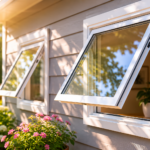
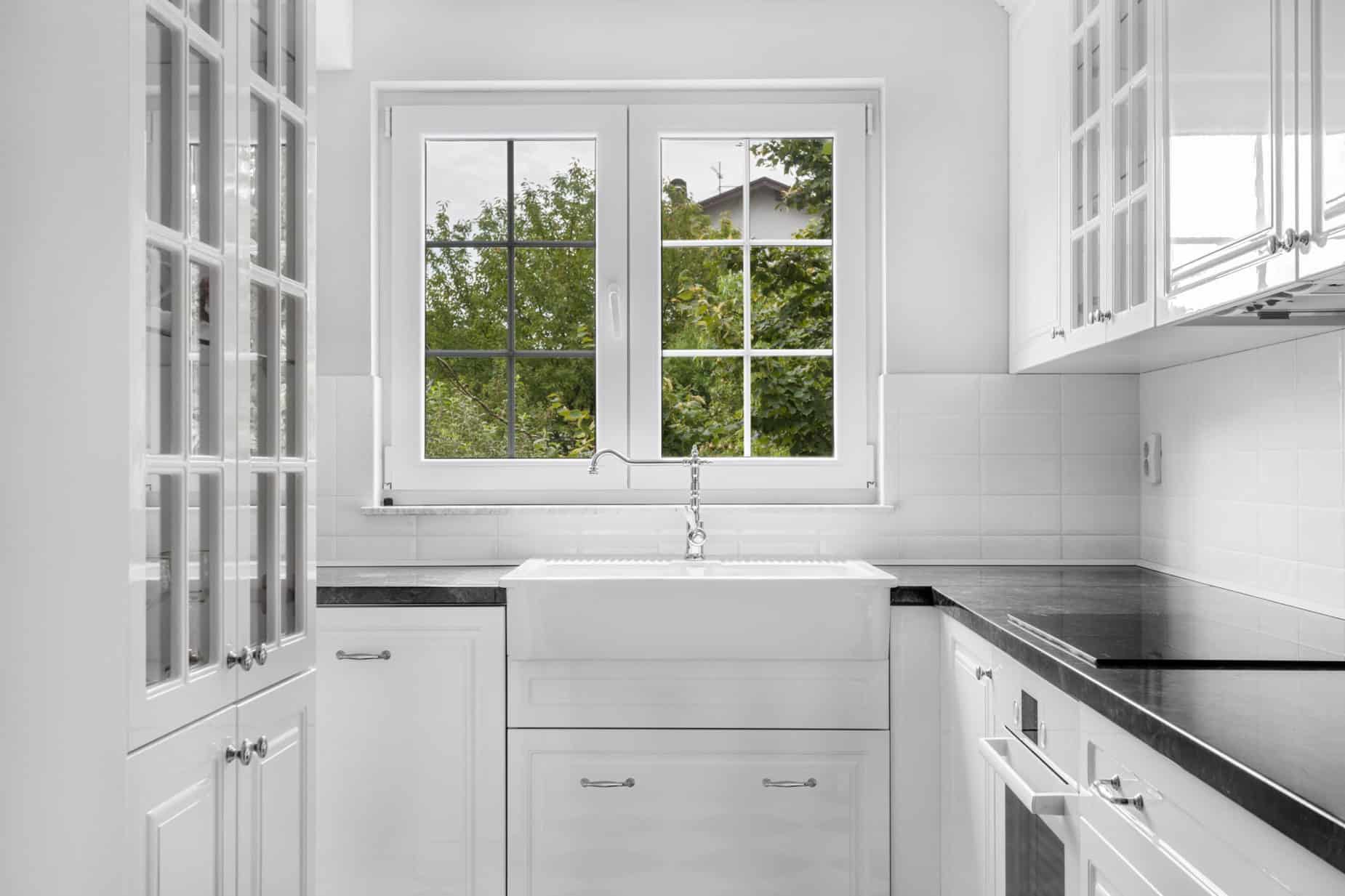
If you’re planning kitchen window installation above or beside your sink, casement windows are an ideal choice for maximizing both ventilation and accessibility. These side-hinged windows open outward with an easy-to-operate crank mechanism, making them perfect for hard-to-reach locations.
Key benefits of casement kitchen windows include:
- 100% opening capacity for maximum airflow when cooking
- Easy cleaning access from inside your home—both sides tilt inward
- Unobstructed views when closed, with no center rail blocking sightlines
- Superior energy efficiency with tight weather seals when locked
- Enhanced security with multi-point locking systems
Casement windows work especially well in kitchens requiring strong cross-ventilation to remove cooking odors, steam, and heat. When positioned strategically above countertops or alongside sink areas, they provide fresh air circulation without interfering with cabinet space or backsplash designs.
For Mid-Atlantic homeowners, Thompson Creek’s custom-manufactured casement windows withstand winds up to 146 mph (AAMA tested), providing peace of mind during severe weather events common to the region. The crank operation ensures reliable performance even as windows age, unlike sliding mechanisms that can stick or fail over time.
Bay Windows: Expanding Space and Natural Light
Bay windows rank among the most popular kitchen window ideas for homeowners seeking to add architectural interest while dramatically increasing natural light. This classic design works exceptionally well in kitchens that feel cramped or dark, instantly transforming the space with both visual and functional improvements.
Bay windows feature a distinctive three-panel configuration: a large center picture window flanked by smaller angled windows on each side (typically casement or double-hung styles). This arrangement creates an outward projection from your home’s exterior wall, forming a built-in nook or bay area inside your kitchen.
Bay windows deliver multiple advantages:
- Expanded interior space without requiring structural additions
- Multi-directional natural light from three different angles
- Built-in display area for herbs, plants, or decorative items
- Increased home value through enhanced curb appeal
- Improved ventilation when side panels are operable
The bay area created by these windows offers versatile functionality. Many homeowners install shelving for an indoor herb garden, creating convenient access to fresh basil, rosemary, and thyme while cooking. Others use the space to display collections, family photos, or seasonal decorations that catch abundant sunlight throughout the day.
When planning kitchen window replacement with bay windows, consider positioning them to frame desirable outdoor views—whether overlooking a backyard garden, providing sight lines to watch children play, or capturing morning sunrise. The architectural depth adds visual interest to your kitchen’s exterior facade while making the interior feel significantly more spacious and open.
Garden Windows: Create Your Kitchen Greenhouse
Garden windows represent the perfect marriage of form and function for homeowners passionate about cooking with fresh herbs or bringing nature indoors. This kitchen window style extends outward from your exterior wall, creating a miniature greenhouse effect ideal for year-round plant growth.
Unlike standard flat windows, garden windows project outward and include glass on three sides plus a glass roof, allowing sunlight to reach plants from multiple angles throughout the day. Built-in shelving provides tiered display space for potted herbs, small vegetables, flowering plants, or decorative items.
Garden window features that benefit kitchens:
- Multi-angle sun exposure promotes healthy plant growth
- Operational side vents allow temperature and humidity control
- Deep interior shelving accommodates multiple plant sizes
- Year-round growing environment even during winter months
- Compact footprint typically fits standard above-sink locations
For Maryland and Virginia homeowners who love cooking with fresh ingredients, garden windows eliminate trips to the grocery store for herbs. Imagine snipping fresh thyme, oregano, or chives directly into your dinner preparation while natural light floods your kitchen workspace.
Garden windows create the ideal environment for choosing the right windows for plants in your kitchen, providing optimal sunlight from multiple angles.
Thompson Creek’s custom-manufactured garden windows include energy-efficient glass packages to prevent excessive heat gain during summer while maintaining comfortable growing temperatures for plants. The insulated design ensures your heating and cooling costs remain manageable despite the increased glass surface area.
Before selecting a garden window for your kitchen, understanding garden window sizes ensures you choose dimensions that fit your space perfectly
Installation typically occurs above the kitchen sink, though garden windows also work beautifully in breakfast nooks or along side walls with sufficient exterior clearance. Professional installation ensures proper structural support for the outward projection and waterproof sealing critical in Mid-Atlantic climates prone to heavy rainfall.
Bow Windows: Elegant Curves and Abundant Light
Bow windows create a stunning focal point in kitchens with their graceful curved design, typically incorporating four or five window panels arranged in a gentle arc. This elegant window style brings exceptional natural light while adding sophisticated architectural character to your home’s exterior and interior.
Similar to bay windows but with a softer, more rounded profile, bow windows extend from your exterior wall to create additional interior space—perfect for breakfast nooks, dining areas, or simply opening up cramped kitchen layouts. The curved configuration allows more window surface area than traditional flat installations, maximizing both light penetration and outdoor views.
Bow windows offer distinct advantages:
- Panoramic views through curved glass arrangement
- Maximum natural light from four to five window panels
- Versatile ventilation when incorporating operable casement sections
- Increased interior space for seating, plants, or storage
- Timeless aesthetic appeal that complements various architectural styles
Bow windows work especially well positioned adjacent to kitchen breakfast areas or dining spaces where families gather. The additional interior space created by the projection accommodates window seating with built-in storage underneath, creating cozy spots for morning coffee while enjoying garden or yard views.
When selecting bow windows for kitchen window replacement, homeowners can choose between all-fixed panels for maximum energy efficiency or incorporate some operable sections (typically casement windows) for ventilation. Thompson Creek’s custom manufacturing ensures precise fitting regardless of your home’s specific dimensions or architectural requirements.
The curved design provides visual interest from both inside and outside your home, significantly boosting curb appeal. For Mid-Atlantic homeowners planning to sell, bow windows represent a valuable investment, with quality window installations typically recovering 70% of costs in added home value.
Double-Hung Windows: Classic Versatility for Any Kitchen Layout
Double-hung windows remain the most popular kitchen window style throughout the Mid-Atlantic region, offering traditional aesthetics combined with modern engineering and energy efficiency. This versatile design fits virtually any kitchen layout, architectural style, and budget consideration.
Double-hung windows feature two operable sashes—both the upper and lower panels slide vertically and can be opened independently or simultaneously. This dual-operation capability provides excellent ventilation control, allowing you to direct airflow precisely where needed in your kitchen.
Double-hung window advantages include:
- Flexible ventilation options with top and bottom sash operation
- Easy cleaning access as both sashes tilt inward for exterior surface cleaning
- Space-efficient design without outward projection into walkways or patios
- Traditional aesthetic that complements historic and contemporary homes equally
- Wide size range accommodating various opening dimensions
For Mid-Atlantic kitchens, Thompson Creek’s double-hung windows incorporate Low-E glass coatings and argon gas fills for superior insulation performance. The weathertight seals prevent drafts that waste energy and create discomfort during temperature extremes common to Maryland, Virginia, and DC climates.
The tilt-in cleaning feature proves particularly valuable for kitchen windows positioned above sinks or countertops where exterior access would otherwise require ladders. Both sashes release and tilt inward, allowing homeowners to clean both sides safely from inside their homes.
Awning Windows: Perfect Partners for Kitchen Ventilation
Awning windows provide unique ventilation advantages in kitchen environments, opening outward from the bottom while hinged at the top. This design creates a protective awning effect that allows fresh air circulation even during light rain—a significant benefit in the frequently rainy Mid-Atlantic climate.
Kitchen window designs incorporating awning windows excel in positions where wall space is limited or where you need ventilation without compromising privacy or security. They’re frequently installed higher on kitchen walls, above cabinetry, or in combination with other window styles to maximize functionality.
Awning windows deliver practical benefits:
- Rain-resistant ventilation by keeping precipitation out while allowing airflow
- Complementary installation pairs well with picture windows or other fixed glass
- Energy-efficient seals compress tightly when closed for insulation
- Easy crank operation accessible even in hard-to-reach locations
- Enhanced security design makes unauthorized entry extremely difficult
For kitchen window replacement projects, awning windows often work best as accent pieces paired with larger picture windows or as upper transoms above primary windows. This configuration maximizes natural light through fixed glass while awning sections provide controlled ventilation.
Thompson Creek’s awning windows withstand Mid-Atlantic weather extremes, from hurricane-force winds to winter ice storms. The sturdy frame construction and tested performance give homeowners confidence their investment will perform reliably for decades.
Slider Windows: Contemporary Ease of Operation
Kitchen window styles should match both your functional needs and design preferences. Slider windows offer contemporary aesthetics with effortless horizontal operation, making them excellent choices for kitchens with limited vertical space or where modern minimalist design is preferred.
These windows feature one or more panels that slide horizontally along tracks, similar to patio door operation. The large glass surfaces provide excellent natural light and views while maintaining a sleek, uncluttered profile that complements contemporary kitchen designs.
Slider window benefits include:
- Minimal operating effort with smooth gliding action
- Half-screen options preserve views while providing insect protection
- Low maintenance requirements with few moving parts to service
- Excellent views with narrow vertical sightlines
- Safe operation for seniors or those with limited strength
For homeowners concerned about energy efficient kitchen windows, Thompson Creek’s slider windows incorporate the same Low-E glass packages and argon fills used across all product lines. While sliders have historically been less energy-efficient than other styles, modern manufacturing techniques have largely eliminated this performance gap.
Consider slider windows for kitchen locations above countertops, behind sinks, or in tight spaces where outward-opening casements might interfere with outdoor features like decks, patios, or landscaping.
Kitchen Window Installation Cost Considerations
Understanding kitchen window installation cost helps homeowners budget effectively for remodeling projects. Costs vary based on window size, style complexity, material selections, and installation requirements, though investing in quality windows delivers long-term value through energy savings and enhanced home comfort.
Typical cost factors include:
- Window style complexity (casement and double-hung less expensive than bay or bow)
- Size and custom dimensions (larger or non-standard sizes increase costs)
- Glass packages (upgraded Low-E coatings, triple-pane, or specialty glass)
- Installation difficulty (bay/bow windows require structural modifications)
- Material quality (vinyl, wood, fiberglass, or aluminum frames)
Thompson Creek’s factory-direct model eliminates middleman markup, providing custom-manufactured windows at competitive pricing. Every window is precisely built to your exact specifications in our Maryland facility, ensuring perfect fit without the “wall surgery” required by stock-sized alternatives.
Professional installation proves critical for kitchen window replacement. Improper installation compromises energy efficiency, creates water infiltration risks, and voids warranties. Thompson Creek’s factory-trained installers complete most kitchen window projects in a single day, minimizing disruption to your home while ensuring code-compliant, weathertight installations.
When evaluating best kitchen windows, consider total cost of ownership rather than initial price alone. Energy-efficient windows reduce utility bills month after month for decades. Thompson Creek’s 50-year No-Hassle Warranty protects both products and installation, providing peace of mind that lower-cost alternatives cannot match.
Energy Efficient Kitchen Windows: Reducing Utility Costs in the Mid-Atlantic
Energy efficient kitchen windows DC and throughout the Mid-Atlantic region deliver measurable savings on heating and cooling costs while improving year-round comfort. With residential heating and cooling accounting for 25-30% of home energy use according to the Department of Energy, upgrading to ENERGY STAR® certified windows provides immediate and lasting financial benefits.
Key energy efficiency features to prioritize:
- Low-E glass coatings reflect infrared heat while allowing visible light transmission
- Argon or krypton gas fills between panes provide superior insulation
- Multiple glass panes (double or triple) create thermal barriers
- Warm-edge spacers reduce heat transfer around glass perimeters
- Quality weatherstripping prevents air infiltration around sashes
Thompson Creek’s custom-manufactured windows exceed 2022 ENERGY STAR® criteria with U-factors and Solar Heat Gain Coefficients optimized for Mid-Atlantic climates. This means windows perform efficiently through humid Maryland summers reaching 90°F+ and harsh Virginia winters with temperatures below freezing.
For homeowners researching how to choose kitchen windows with maximum efficiency, look beyond single specifications to comprehensive thermal performance. NFRC (National Fenestration Rating Council) labels provide standardized comparisons across window brands. Lower U-factors indicate better insulation, while appropriate Solar Heat Gain Coefficients balance winter heat gain with summer heat rejection.
Real-world testing confirms Thompson Creek windows withstand winds up to 146 mph (AAMA certified), ensuring they maintain structural integrity and energy efficiency during severe Mid-Atlantic weather events like nor’easters and hurricane remnants.
Kitchen Window Designs for Maximum Natural Light
Kitchen window designs should prioritize natural light to create welcoming, functional cooking and gathering spaces. Strategic window placement, appropriate sizing, and complementary styles work together to flood kitchens with daylight while minimizing glare and heat gain.
Design strategies for maximizing natural light:
- South-facing windows capture abundant sunlight throughout the day
- Multiple smaller windows distribute light more evenly than single large panes
- Light-colored window frames reflect additional light into interior spaces
- Bay or bow configurations gather light from multiple angles
- Picture windows provide maximum unobstructed glass surface
Consider how kitchen layout influences natural light distribution. Windows positioned to illuminate primary work zones—sink areas, food preparation counters, and stove locations—reduce reliance on artificial lighting during daytime hours. This natural illumination makes kitchens more pleasant for cooking and dining while lowering electricity consumption.
For kitchen window ideas over sink installations, larger window styles like picture windows or wide casements flood work areas with natural light. Pair these with task lighting for evening use, but enjoy reduced daytime lighting needs year-round.
Garden windows excel at gathering light from multiple directions simultaneously, making them ideal for darker kitchens or north-facing walls where direct sunlight is limited. The projection design and glass roof capture available light throughout the day, significantly brightening interior spaces.
Homeowners planning kitchen remodels should explore the latest window design trends to ensure their selections complement modern aesthetics while maximizing functionality.
Frequently Asked Questions: Kitchen Windows
What are the best kitchen window types for ventilation?
Casement and awning windows provide superior ventilation compared to other styles. Casement windows open fully outward, capturing breezes and directing airflow into kitchens. Awning windows allow ventilation even during rain, hinged at the top to create protective overhangs. For maximum ventilation, consider pairing these operable styles with fixed picture windows for balanced light and airflow.
Are casement windows good for kitchen sink areas?
Yes, casement windows are excellent above kitchen sinks. The crank operation allows easy opening without leaning over countertops or faucets. Full outward opening provides maximum fresh air circulation to remove cooking odors and steam. The unobstructed glass surface delivers excellent natural light for dishwashing and food preparation tasks.
How much does kitchen window replacement cost in Maryland?
Kitchen window installation cost in Maryland typically ranges from [VERIFY: specific regional pricing] depending on window style, size, and features. Simple double-hung or casement windows cost less than complex bay or bow installations requiring structural modifications. Thompson Creek provides free in-home consultations with detailed written proposals including all costs—no hidden fees or surprise charges.
Should I choose vinyl or wood kitchen windows?
Vinyl windows outperform wood in Mid-Atlantic climates prone to humidity, temperature extremes, and severe weather. Vinyl resists moisture damage, never requires painting, and maintains energy efficiency without warping or rotting. Thompson Creek’s custom-manufactured vinyl windows provide superior insulation and durability compared to wood while costing less and requiring virtually no maintenance.
What kitchen window styles work best in small kitchens?
For small kitchens, double-hung and casement windows maximize functionality without consuming space. Garden windows create visual interest while maintaining compact footprints. Avoid large bay or bow projections in tight kitchens unless you specifically want to expand perceived space. Lighter frame colors and larger glass surfaces make small kitchens feel more open and airy.
How do I improve energy efficiency in existing kitchen windows?
If full kitchen window replacement isn’t immediately feasible, weatherstripping, caulking gaps, and adding window treatments provide temporary improvements. However, single-pane or poorly insulated windows waste significant energy regardless of sealing efforts. Upgrading to ENERGY STAR® certified windows typically pays for itself through utility savings within 5-10 years while dramatically improving comfort.
Can garden windows support heavy plants?
Yes, Thompson Creek’s garden windows include sturdy built-in shelving designed to support potted plants, herbs, and decorative items. The structural design accounts for typical plant weights while the waterproof interior finish handles moisture from watering. Ensure adequate drainage to prevent water damage to surrounding walls and properly size pots to shelving dimensions. For more detailed information about garden window benefits, costs, and installation considerations, explore our comprehensive garden window guide
Why Choose Thompson Creek for Your Kitchen Window Project
When you’re ready to transform your kitchen with new windows, choosing the right partner makes all the difference. Thompson Creek has served Mid-Atlantic homeowners for over 40 years, custom-manufacturing every window in our Maryland facility to exact specifications for perfect fit and performance. Our 50-year No-Hassle Warranty covers both products and professional installation, providing complete accountability from design through decades of reliable service. Unlike competitors who rely on distant manufacturers and dealer networks, we control every step—ensuring the energy-efficient, weather-tested windows you select are precisely what we deliver and expertly install in your home.
Ready to upgrade your kitchen with custom windows? Schedule your free consultation today and discover why Maryland, Virginia, and DC homeowners have trusted Thompson Creek since 1980. Our ENERGY STAR® certified windows come with 146 mph wind resistance and professional installation you can count on.