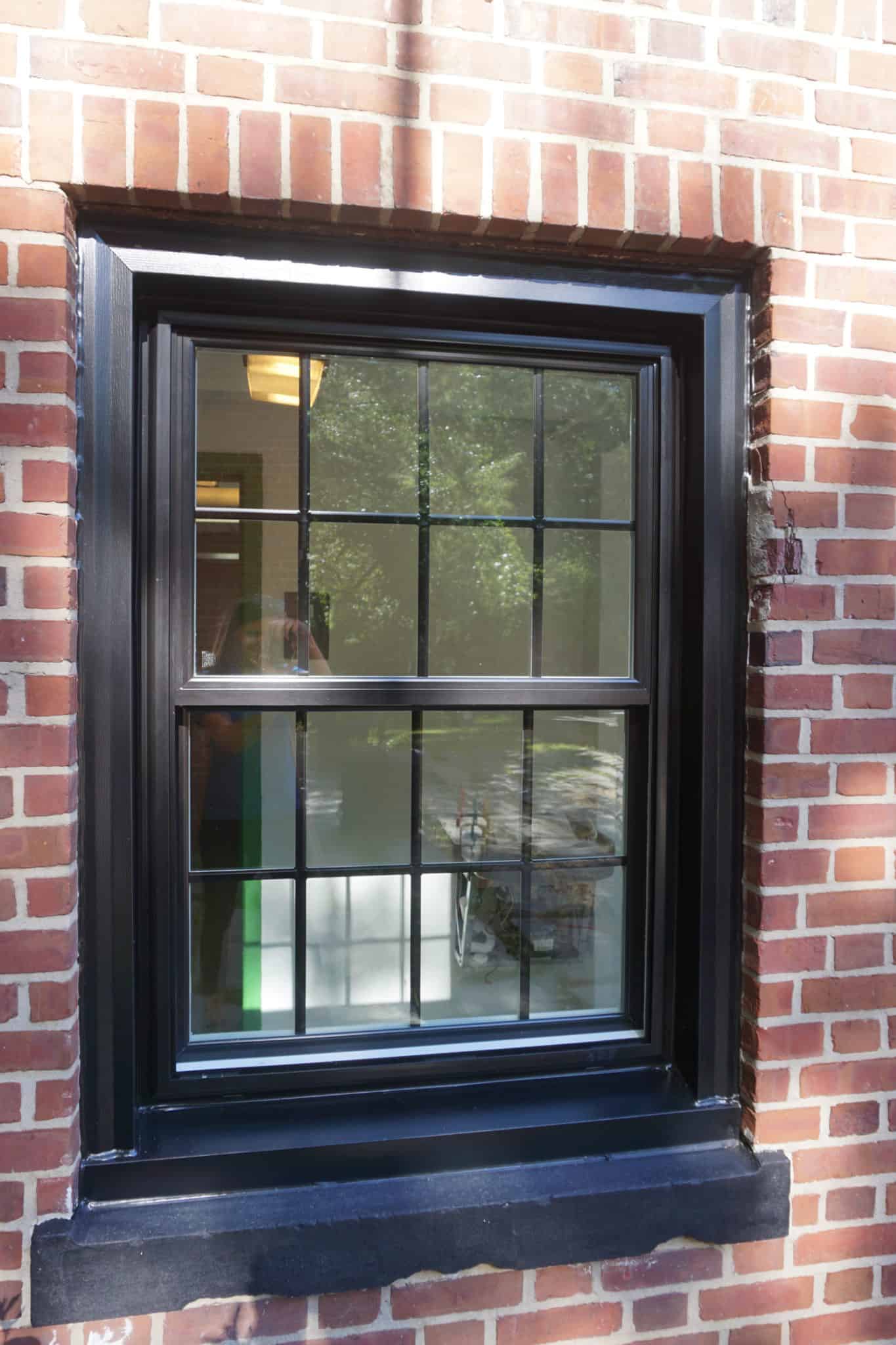
Can you paint vinyl windows? Yes, but understanding the right technique and weighing the risks is essential before you start. While painting vinyl window frames is possible, it requires proper preparation, specific materials, and careful execution to avoid warranty issues and structural damage.
Many Mid-Atlantic homeowners consider painting vinyl windows when updating their home’s exterior. However, the process presents challenges that could impact your windows’ performance, longevity, and energy efficiency. Before breaking out the brush, learn the proper method and explore factory-finished alternatives that offer better long-term value.
How to Paint Vinyl Windows the Right Way
The most important rule when painting vinyl windows is to never apply paint directly to bare vinyl. Paint doesn’t adhere well to vinyl’s smooth surface and will quickly peel or flake without proper preparation. Following the correct steps ensures better paint adhesion and longer-lasting results.
Step-by-Step Process for Painting Vinyl Window Frames:
- Clean thoroughly – Wash vinyl windows with mild detergent and water to remove dirt, grime, and oxidation. Rinse completely and allow to dry for at least 24 hours.
- Light sanding – Gently sand the vinyl surface with fine-grit sandpaper (220-grit) to create texture for better paint adhesion. Wipe away dust with a tack cloth.
- Apply vinyl-specific primer – Use only primers formulated for vinyl surfaces. Standard primers contain chemicals that can soften and damage vinyl, compromising structural integrity.
- Choose appropriate paint – Select high-quality acrylic latex or urethane-based exterior paint designed for vinyl. The paint must include UV inhibitors to prevent fading.
- Apply thin coats – Use multiple thin coats rather than one thick application. Allow each coat to dry completely according to manufacturer instructions.
- Avoid dark colors – Choose paint colors similar to or lighter than the original vinyl color to prevent heat-related warping.
This process typically takes 2-3 days including drying time. While energy-efficient replacement windows offer factory-finished colors, painted windows require this multi-step process and ongoing maintenance.
Understanding the Risks of Painting Vinyl Windows
Like any DIY home improvement project, painting vinyl windows presents several risks that could affect your home’s comfort, value, and safety:
Warranty Concerns:
- Most window manufacturers void warranties if windows are painted
- Paint damage isn’t covered under standard homeowner’s insurance
- You assume full financial responsibility for repairs or replacement
Structural Integrity Issues:
- Many primers contain chemicals that soften vinyl material
- Weakened vinyl loses its strength and weather resistance
- Compromised frames may fail during storms or extreme temperatures
Heat Damage Risks:
- Dark paint colors absorb more heat than light-colored vinyl
- Excessive heat buildup can warp window frames
- Warped frames may cause glass cracking or seal failure
- Heat damage is particularly concerning in Mid-Atlantic summers where temperatures regularly exceed 90°F
Paint Durability Problems:
- Painted vinyl requires repainting every 5-7 years
- Paint may peel, flake, or fade faster than factory finishes
- Touch-ups often show color variations
- Maintenance costs accumulate over time
Energy Efficiency Reduction:
- Paint adds insulation layers that can affect thermal performance
- Warped or damaged frames create air leaks
- Energy bills may increase if window seals are compromised
For homeowners in Maryland, Virginia, and Washington D.C., these risks are amplified by our region’s humid summers, cold winters, and occasional severe storms. Custom-manufactured windows designed for Mid-Atlantic weather offer superior performance without these concerns.
What Type of Paint Should You Use on Vinyl Windows?
Choosing the correct paint is critical for painting vinyl windows successfully. Not all paints adhere to vinyl surfaces, and using the wrong products almost guarantees premature failure.
Best Paint Types for Vinyl Windows:
Acrylic Latex Paint:
- Flexible formula that expands and contracts with vinyl
- Excellent UV resistance prevents fading
- Easy cleanup with soap and water
- Available in exterior-grade formulations
- Cost: $30-60 per gallon
Urethane-Modified Acrylic Paint:
- Superior adhesion to vinyl surfaces
- Enhanced durability against weather extremes
- Better color retention over time
- Higher resistance to chipping and peeling
- Cost: $40-75 per gallon
Important Paint Features to Look For:
- Labeled “for vinyl” or “vinyl-safe”
- Contains UV inhibitors and mildew resistance
- Light Reflective Value (LRV) of 55 or higher
- 100% acrylic binder for flexibility
- Exterior-grade rating for weather resistance
Colors to Avoid: Never paint vinyl windows darker than the original color. Dark colors (navy, black, dark brown, forest green) absorb heat and can cause vinyl temperatures to exceed 180°F in direct sunlight. This heat can warp frames, crack glass, and void warranties. Stick to white, beige, tan, or light gray shades.
Primer Requirements: Always use a vinyl-specific primer before painting. Standard primers damage vinyl with harsh chemicals. Look for products labeled “vinyl primer” or “plastic primer” from reputable brands. The primer creates the adhesion layer that allows paint to stick properly.
In contrast, Thompson Creek’s factory-finished vinyl windows come in multiple colors with integrated pigment throughout the vinyl material. This manufacturing process ensures color consistency, eliminates painting needs, and maintains the 50-year No-Hassle Warranty.
Should You Paint Vinyl Windows? Pros and Cons
Deciding whether to paint vinyl windows requires weighing short-term cosmetic benefits against long-term performance and cost considerations.
Pros of Painting Vinyl Windows:
- Lower upfront cost – Painting costs $200-500 per window vs. $400-800 for replacement
- Quick aesthetic update – Changes appearance in days instead of weeks
- Temporary solution – Works for homes with near-term sale plans
- DIY-friendly – Can be done without professional help (though not recommended)
Cons of Painting Vinyl Windows:
- Warranty void – Manufacturers won’t honor warranties on painted windows
- Frequent repainting – Requires repainting every 5-7 years
- Heat damage risk – Warping and cracking from improper color choices
- Reduced resale value – Buyers prefer original, unpainted windows
- Energy efficiency concerns – Paint may affect thermal performance
- Higher long-term cost – Repainting costs accumulate over 20-30 years
- Time investment – Proper preparation and application takes days
- Weather dependence – Must paint during ideal temperature and humidity conditions
When Painting Makes Sense:
- Windows are nearing end of service life (15+ years old)
- Planning to sell home within 2-3 years
- Budget doesn’t allow replacement currently
- Windows function well but clash with new exterior color
When Replacement is Better:
- Windows show signs of wear or damage
- Energy bills have increased significantly
- Drafts or moisture between panes
- Difficulty operating windows
- Long-term home ownership plans
- Desire for maintenance-free solution
For most Mid-Atlantic homeowners, replacement with custom-manufactured windows offers better value. Thompson Creek windows come with factory-finished colors, ENERGY STAR® certification, and 50-year warranty coverage – benefits painted windows can never match.
How Long Does Paint Last on Vinyl Windows?
Paint durability on vinyl windows varies based on preparation quality, paint type, climate exposure, and color choice. Understanding realistic expectations helps you plan for ongoing maintenance costs.
Typical Paint Lifespan:
- Best-case scenario – 7-10 years with professional-grade materials and perfect application
- Average performance – 5-7 years with good preparation and quality paint
- Poor application – 2-3 years before significant peeling or fading
Factors Affecting Paint Longevity:
Climate Impact: Mid-Atlantic weather is particularly challenging for painted vinyl windows. Our region experiences:
- Hot, humid summers with UV exposure
- Cold winters with freeze-thaw cycles
- Significant temperature fluctuations
- Coastal salt air in some areas
- Occasional severe storms
These conditions accelerate paint deterioration faster than in mild climates.
Preparation Quality: Thorough cleaning and proper priming are critical. Rushed preparation cuts paint life in half. Missing any dirt, oxidation, or moisture dooms the paint job from the start.
Paint Quality: Premium acrylic latex paint with UV inhibitors lasts 2-3 years longer than budget options. The $20-30 price difference per gallon pays for itself in extended durability.
Color Selection: Lighter colors last longer because they reflect heat and UV rays. Dark colors fade noticeably within 3-4 years and may need repainting sooner.
Maintenance Requirements:
- Annual inspection for peeling or cracking
- Touch-ups every 2-3 years
- Complete repainting every 5-7 years
- Cleaning to prevent dirt buildup
Long-Term Cost Comparison:
Over 25 years:
- Painted vinyl windows: Initial $400 + 3-4 repaint jobs at $300 each = $1,300-1,600 per window
- Factory-finished replacement windows: $400-800 per window with zero maintenance costs
Thompson Creek’s custom-manufactured windows eliminate repainting needs entirely. Our factory-finished vinyl maintains its appearance for decades, backed by our 50-year No-Hassle Warranty that covers both product and installation.
The Smart Alternative: Factory-Finished Custom Windows
Rather than painting existing vinyl windows, consider the advantages of custom-manufactured replacement windows with factory-finished colors. This approach eliminates painting risks while providing superior performance and long-term value.
Thompson Creek’s Custom Manufacturing Advantage:
Our 70,000 square foot Maryland facility custom-manufactures each window for your specific home. This precision ensures:
- Perfect fit – No gaps, drafts, or installation issues
- Color integration – Pigment throughout vinyl material, not surface coating
- Weather resistance – Designed specifically for Mid-Atlantic climate extremes
- Energy efficiency – Exceeds ENERGY STAR® 2022 criteria for maximum utility savings
- Storm protection – Tested to withstand winds up to 146 mph
Factory-Finished Color Options:
Choose from multiple vinyl colors during the design process:
- Classic white
- Warm beige
- Elegant tan
- Sophisticated almond
- Contemporary gray
Each color is integrated during manufacturing, ensuring consistency and durability that painted windows cannot match. The color won’t peel, flake, or fade for decades.
50-Year No-Hassle Warranty Protection:
Unlike painted windows that void manufacturer warranties, Thompson Creek windows come with comprehensive coverage:
- 50 years on product and installation
- Transferable to future homeowners
- No hassle claims process
- Local service from our Maryland facility
Complete Accountability:
As a family-owned company since 1980, we handle every step:
- Design consultation
- Custom manufacturing in Maryland
- Professional installation by factory-trained experts
- Ongoing service and warranty support
You work with one company from start to finish – no middleman markup, no finger-pointing if issues arise. This accountability has earned us trust from Mid-Atlantic homeowners for over 40 years.
Energy Efficiency That Painted Windows Can’t Match:
Our windows feature:
- Low-E glass coatings
- Argon gas fills
- Multi-chambered vinyl frames
- Weather-stripping that maintains seal integrity
- ENERGY STAR® certification
These features reduce heating and cooling costs by up to 25% compared to older windows – savings that painted windows cannot deliver.
For homeowners in Maryland, Virginia, or Washington D.C., our local expertise ensures windows designed for your specific climate challenges.
Frequently Asked Questions About Painting Vinyl Windows
Can vinyl windows be painted?
Yes, vinyl windows can be painted, but only with proper preparation including thorough cleaning, light sanding, vinyl-specific primer, and appropriate acrylic paint. However, painting typically voids manufacturer warranties and requires repainting every 5-7 years.
Will painting vinyl windows void my warranty?
Yes, most window manufacturers void warranties if you paint their products. Any damage from painting, heat warping, or structural issues becomes your financial responsibility. Check your specific warranty documentation before painting.
What type of paint should I use on vinyl windows?
Use high-quality acrylic latex or urethane-modified acrylic paint specifically formulated for vinyl surfaces. The paint must contain UV inhibitors and have a Light Reflective Value (LRV) of 55 or higher. Always apply vinyl-specific primer first.
Can you paint vinyl windows black or dark colors?
While technically possible, painting vinyl windows dark colors is not recommended. Dark paint absorbs heat, causing vinyl temperatures to exceed 180°F in direct sunlight. This can warp frames, crack glass, and void warranties. Stick to colors lighter than the original vinyl.
Do you need to prime vinyl windows before painting?
Yes, priming is essential. Use only primers specifically formulated for vinyl – never use standard primers as they contain chemicals that soften and damage vinyl material. Proper priming creates the adhesion layer that prevents paint from peeling.
How much does it cost to paint vinyl windows?
Professional painting costs $200-500 per window depending on size and complexity. DIY painting costs $50-150 per window for materials. However, windows require repainting every 5-7 years, so lifetime costs exceed replacement window costs.
Can you spray paint vinyl windows?
Yes, spray painting vinyl windows is possible and often provides smoother results than brushing. Use an HVLP (High Volume Low Pressure) sprayer with proper masking to protect glass and surrounding surfaces. The same preparation, primer, and paint requirements apply.
Is painting vinyl windows better than replacing them?
For short-term cosmetic updates (1-3 years), painting may suffice. For long-term value, replacement is superior. Replacement windows offer factory-finished colors, improved energy efficiency, warranty coverage, and maintenance-free performance that painted windows cannot match.
How do you prepare vinyl windows for painting?
Preparation includes: (1) Wash with detergent and rinse thoroughly, (2) Allow 24 hours drying time, (3) Lightly sand with 220-grit sandpaper, (4) Wipe with tack cloth, (5) Apply vinyl-specific primer, (6) Allow primer to dry completely before painting.
Can you paint vinyl windows in humid climates like Maryland and Virginia?
Yes, but Mid-Atlantic humidity, temperature extremes, and UV exposure reduce paint lifespan. Paint may last only 3-5 years in humid climates versus 7-10 years in mild regions. Coastal areas with salt air experience even faster deterioration.
What are the risks of painting vinyl replacement windows?
Risks include: warranty void, structural damage from incompatible primers, heat warping from dark colors, reduced energy efficiency, frequent repainting needs, paint peeling and fading, and potential glass cracking. Professional replacement eliminates these risks entirely.
How long does paint last on vinyl window frames?
With professional-grade materials and perfect application, paint lasts 7-10 years. Average performance is 5-7 years. Poor preparation or budget paint may fail within 2-3 years. Mid-Atlantic climate conditions typically reduce these timeframes by 1-2 years.
Why Choose Thompson Creek for Window Replacement
Instead of dealing with the hassles and risks of painting vinyl windows, Thompson Creek offers a superior solution. Our custom-manufactured windows come with factory-finished colors integrated throughout the vinyl material, ensuring lasting beauty without maintenance. Every window exceeds ENERGY STAR® 2022 criteria and withstands winds up to 146 mph – critical for Mid-Atlantic weather extremes. As a family-owned Maryland manufacturer since 1980, we provide complete accountability from design through installation and service, backed by our industry-leading 50-year No-Hassle Warranty.
Ready to upgrade your home with maintenance-free windows? Schedule your free consultation today and discover why Mid-Atlantic homeowners have trusted Thompson Creek for over 40 years. Our custom-manufactured windows come with a 50-year warranty, professional installation, and factory-finished colors that never need painting. Call (301) 450-6862 for your free, no-obligation estimate.