
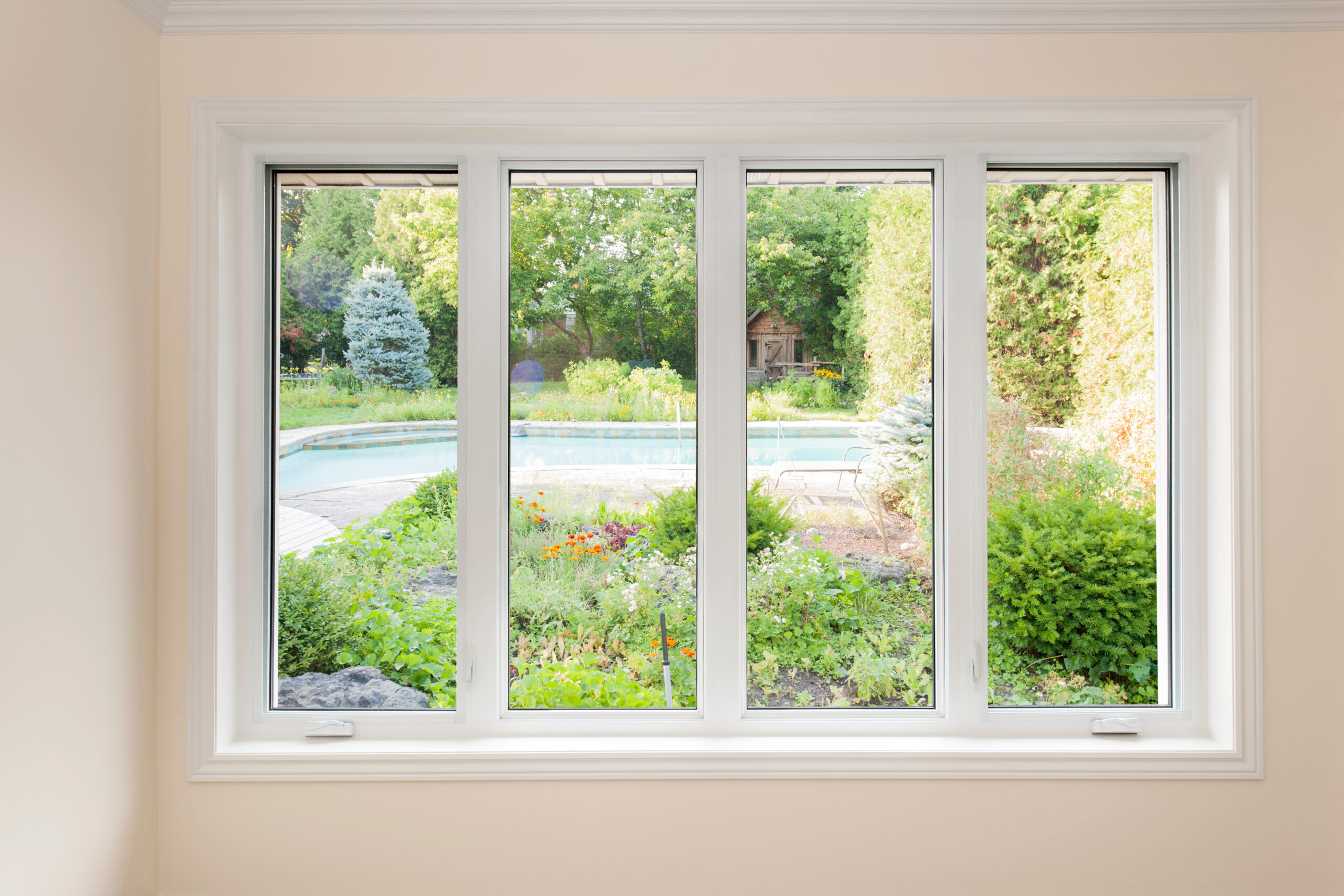
Casement windows are often mentioned alongside deadbolts and security systems when people talk about hardening a home against break-ins, and the reputation is largely earned. This guide covers why casement windows perform well on security, what to consider if you have young children in the house, and how that security holds up alongside energy performance and everyday use.
Why Casement Windows Are Considered More Secure
A fully sealed frame when locked. When closed and latched, a casement window creates a tight seal around all four sides of the frame. Unlike a double-hung window, where the two sashes meet along a horizontal rail that can be a weak point, a casement window’s single sash closes directly against the frame on every side.
Crank operation from the inside only. Casement windows open and close using a hand-crank mechanism located inside the home. There is no exterior handle or mechanism to manipulate, which removes one of the more common ways other window types are forced open from outside.
A hook-style locking system. Most casement windows use a hook-shaped lock that engages the frame at multiple points rather than a single latch. That design resists prying far better than a simple slide-lock, and in practice, breaking the glass becomes the more likely method of forced entry, which is loud and far more likely to draw attention than a quiet, unsuccessful attempt to pry a lock open.
If you’re comparing casement windows against other styles for a specific room, our guide on combining more than one window style in a home walks through where casement windows tend to make the most sense functionally, security aside.
Casement Windows and Child Safety
Security from the outside is one consideration. Safety from the inside, particularly for homes with young children, is a separate one worth planning for:
- Removable crank handles let you take the operating mechanism out of a room entirely when it’s not needed, which keeps young children from being able to open the window unsupervised.
- Window guards can be added to limit how far a casement window opens, allowing ventilation without a full opening large enough for a child to fit through.
- Enhanced locking hardware is available for households that want an additional layer of security beyond the standard hook lock.
- Window and door alarms can be added to alert you if a window is opened while unattended, which is a common addition in homes with small children or homes near ground level.
Casement Windows Beyond Security
Security is one reason homeowners choose casement windows, but it’s rarely the only one. A tightly sealed frame that resists forced entry also happens to seal well against drafts, which is part of why casement windows perform consistently well for air infiltration compared to sliding window styles. Low-E glass coatings and argon gas fills, available on Thompson Creek casement windows, add to that performance without changing how the window operates day to day.
Casement windows also provide an unobstructed view when open, since the sash swings out to the side rather than sliding across the glass the way a horizontal slider does, and they give you full control over how much ventilation you let in, from a narrow crack to a fully open sash.
If you’re weighing casement windows against a more traditional option for the rest of the home, double-hung windows remain the more common choice for bedrooms and hallways, while casement windows tend to make the most sense in kitchens, bathrooms, and other spots where ventilation and a secure seal both matter. Homeowners weighing security for the whole home, not just the windows, sometimes look at entry door options at the same time, since a matched security approach across doors and windows tends to be more effective than treating them separately.
Weather Durability in the Mid-Atlantic
Homes across Maryland, Virginia, and the Washington, DC area deal with humidity swings, seasonal storms, and cold winters, and a casement window’s sealed design holds up well against all three. The same tight seal that resists forced entry also resists water infiltration during wind-driven rain, which matters during the region’s storm season. That durability is one of several reasons vinyl remains the most common frame material homeowners choose for casement windows in this climate.
Why Homeowners Choose Thompson Creek for Casement Windows
Thompson Creek has served homeowners across the Mid-Atlantic, including Northern Virginia, since 1980, and every casement window is custom-manufactured at our 120,000 sq ft facility in Upper Marlboro, Maryland, to fit your exact opening. Installation is handled by professional installation teams backed by Thompson Creek, with a single point of contact managing your project from consultation through completion.
Every Thompson Creek casement window is backed by our 50-Year No-Hassle Warranty, covering both the product and its installation, so the security and seal you get on day one holds up for the long term.
Frequently Asked Questions
Are casement windows more secure than double-hung windows?
Casement windows are generally considered more secure because they seal on all four sides when locked and use a hook-style lock that resists prying, compared to the horizontal meeting rail on a double-hung window.
Can casement windows be opened from outside?
No. Casement windows operate using a crank mechanism located inside the home, with no exterior handle or mechanism for someone outside to manipulate.
How do I keep a casement window safe for young children?
Removable crank handles, window guards that limit how far the window opens, enhanced locking hardware, and window alarms are all options for homes with young children.
Do casement windows perform well in bad weather?
Yes. The same sealed design that resists forced entry also resists water infiltration during wind-driven rain, which is useful during the Mid-Atlantic’s storm season.
Where do casement windows work best in a home?
Kitchens and bathrooms are common choices, since casement windows combine a secure seal with strong ventilation in spaces where both matter.
Ready to Talk About Casement Windows for Your Home?
If you’re considering casement windows for security, ventilation, or both, schedule a free consultation with Thompson Creek. Our design team can walk through lock options, glass packages, and placement for your specific home.


