There’s a wide range of specialized terms for the parts of a roof used mostly by professional roofers: ridges and valleys, hips and hipped edges, abutments, and dormers, just to name a few. For most homeowners, knowing all of these terms isn’t strictly necessary. Outside of the occasional need to clear leaves from rain gutters or apply a coat of paint to soffits, it’s often enough just to know the roof is intact and protecting the home. There’s one part of a roof, though, that’s worth fully understanding, and that’s the rake of the roof. So what is it, exactly?
Defining the Rake of a Roof
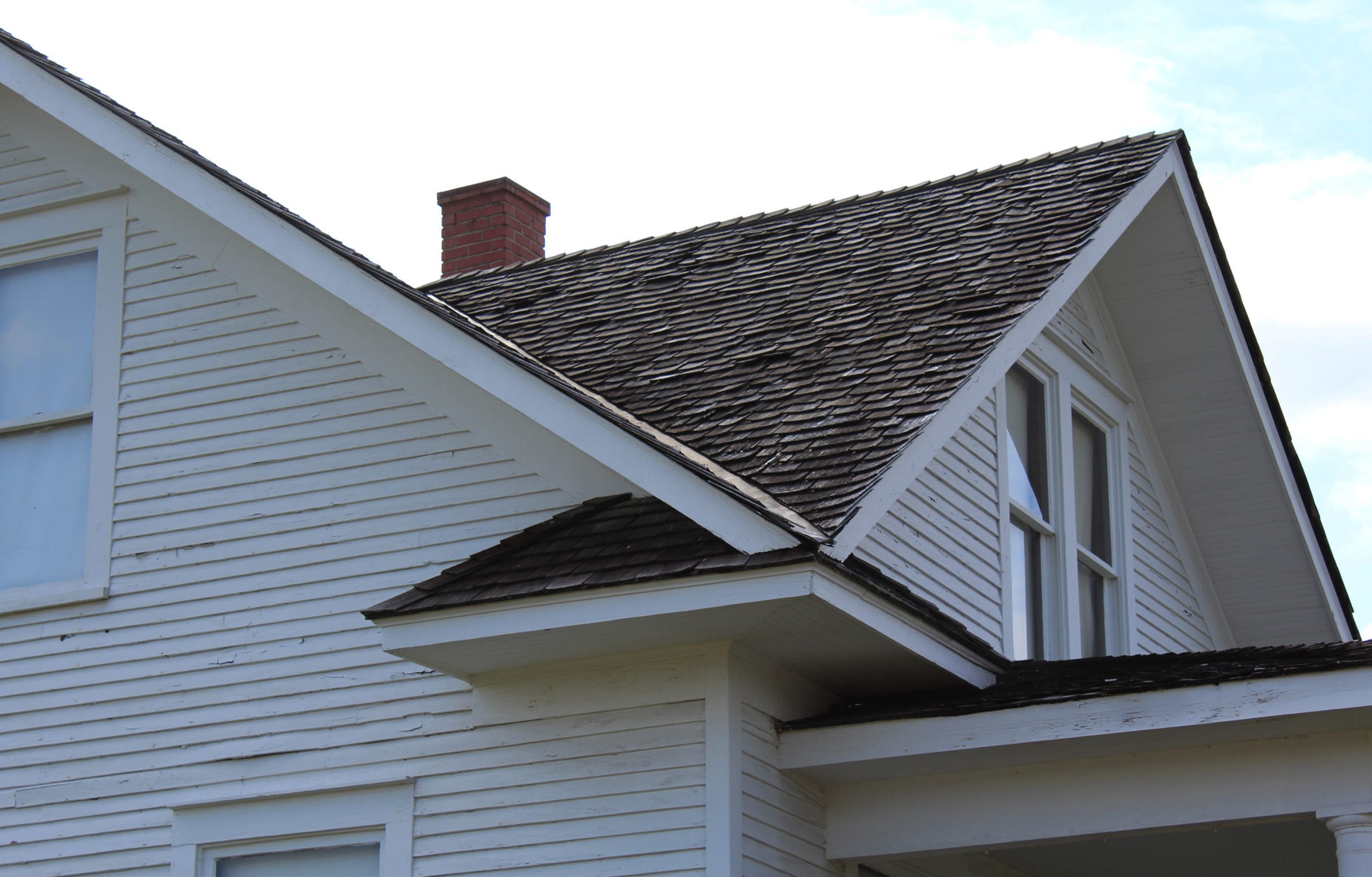
The rake of a roof, or roof rake, not to be confused with the tool of the same name, is a part of any gabled roof. Specifically, it’s the exposed part of a gabled roof that extends from an eave to the ridge along the roof’s sloped sides. It covers the top edge of a roof and is typically cut from a variety of roofing materials.
Concrete or PVC, cedar, pine, and composite trim board are all common candidates. The builder will pick a kind of board based on matching the home’s style and trim, or clad it in metal to match a metal roof.
Different Types of Roof Rakes
Roof rakes can sometimes be exposed, such as often seen on cottages or sheds, where the eave’s framing and rafters are left open by design. More common is a closed rake, boxed in by the rake board and the soffit (its bottom surface), which is typically narrow and simple in design. An overhanging extended rake is wider and might have a more intricately designed soffit.
Possible Problems with the Rake of a Roof
It’s worth being familiar with this term because the rake of a roof can be vulnerable to specific problems that can become costly inconveniences or even compromise the integrity of the roof.
Rake boards protect a home and its roofing system from moisture. Rain, snow, and general humidity can cause damage to a roof, and a roof rake can be particularly vulnerable to the formation of ice dams in the wake of a snowstorm, which can lead to leakage. Proper maintenance of the rake area following any kind of precipitation is key to a roof’s overall health.
Rake boards also help defend the home from pests. Insects and animals like to nest in the shelter of roof openings, and they can damage the roof or find their way into the attic in the process. An unaddressed pest issue can lead to extensive damage, and the rake of a roof is a crucial first line of defense.
Because of the importance of this often-overlooked part of a gabled roof, it’s worth working with roofing professionals who pay attention to details like the right choice of rake board material and proper installation, whether you’re planning a repair or a full roof replacement.
Rake Boards and the Rest of Your Roofline
The rake works alongside other roofline components, including soffit and fascia, to create a complete protection system for your home’s edges. If one component is showing wear, such as rot, gaps, or pest damage, it’s worth having the others inspected at the same time, since moisture and pest problems in one area often affect neighboring components. If you’ve noticed uneven melting patterns on your roof this winter, our guide on what melting snow on your roof means walks through what that can indicate about your home’s insulation and roofline health.
Contact the Experts at Thompson Creek
Rely on the Thompson Creek team for high standards in roofing installation and replacement. With more than 40 years of experience providing dependable solutions using quality materials, we’re always happy to help you find the best roofing approach for your home, including proper rake board selection and installation. If your rake or roofline issues extend to your gutters or siding, we can evaluate those at the same time.
Ready for a professional roof assessment? Contact Thompson Creek today for a free, no-obligation consultation.