Understanding the different parts of a window helps Mid-Atlantic homeowners make informed decisions about replacement windows, maintenance, and energy efficiency improvements. Whether you’re considering new windows for your Maryland or Virginia home or simply want to communicate effectively with window professionals, knowing window anatomy ensures you select the right components for maximum performance and comfort.
Modern replacement windows consist of dozens of precisely engineered parts working together to provide insulation, security, and weather protection. Each component plays a specific role in your window’s overall performance, from energy efficiency to durability in harsh Mid-Atlantic weather conditions.
Essential Window Frame Components
Every window system starts with a framework that provides structural support and holds all other components in place. The frame surrounds the entire window and consists of three primary parts found on virtually all window styles.
The Head forms the main horizontal piece at the top of the window frame. This component supports the weight of the window structure and maintains the window’s integrity over decades of use. Quality head construction is essential for preventing sagging and ensuring proper operation.
The Jambs are the vertical side pieces running along the left and right portions of the frame. These critical components provide stability and often contain the tracks or channels that allow operable windows to slide smoothly. In energy-efficient windows, jambs incorporate advanced weather-stripping and insulation materials.
The Sill serves as the horizontal bottom piece of the frame. This component does more than provide structural support—it’s specifically designed with a tapered exterior edge to shed water away from your home. A properly installed window sill prevents moisture infiltration that can damage walls and create costly problems for homeowners.
Beyond these core frame elements, most windows include casing, the decorative trim that covers the gap between the window frame and your interior wall. This finishing touch not only enhances aesthetics but also provides additional insulation against air infiltration.
Double-Hung Window Parts: The Most Complex Window Anatomy
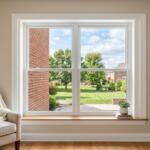
Double-hung windows remain the most popular choice for Mid-Atlantic homes, offering traditional styling with modern engineering. These windows contain more individual components than any other window type, each designed to work together for smooth operation and energy efficiency.
The Sash is the moveable portion of the window that holds the glass and opens or closes to provide ventilation. Double-hung windows feature two sashes—an upper sash and a lower sash—both of which can slide vertically. Each sash contains its own frame structure made up of horizontal rails and vertical stiles.
Rails and Stiles form the framework of each sash. The top rail sits at the upper edge of the top sash, while the bottom rail forms the lower edge of the bottom sash. Stiles are the vertical components running along each side. These pieces must be precisely manufactured to ensure proper fit and operation.
The Check Rail represents the meeting point where the bottom portion of the upper sash contacts the top portion of the lower sash. This critical junction incorporates weatherstripping and locking mechanisms to create an airtight seal when the window is closed. Thompson Creek’s custom-manufactured windows feature precision-engineered check rails that maintain their seal even after years of operation.
The Lift provides a convenient handle for raising and lowering the bottom sash. While some older windows use simple metal lifts, modern replacement windows often integrate the lift design directly into the sash rail for a cleaner appearance.
The Sash Lock serves dual purposes: securing the window against intruders and compressing the two sashes together to prevent air infiltration and rattling. Quality sash locks are essential for both home security and energy efficiency. Modern windows designed for home security incorporate advanced locking mechanisms that make forced entry extremely difficult.
The Balance System is a spring-loaded mechanical device hidden within the window frame that counterbalances the weight of each sash. This engineering allows the sashes to stay in any position without slamming shut or requiring constant force to hold open. Advanced balance systems in quality replacement windows ensure smooth operation for decades without adjustment or replacement.
Casement Window Components: Engineered for Maximum Ventilation
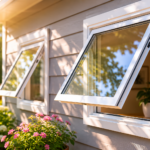
Casement windows operate differently than double-hung styles, opening outward on side hinges to provide 100% ventilation when fully opened. This design requires specialized hardware components.
The Operator is the hand-crank mechanism that opens and closes the window. Located typically at the bottom of the window, the operator connects to an arm that pushes the sash outward or pulls it closed. Quality operators feature smooth gearing that makes opening large windows effortless, even for homeowners with limited strength or mobility.
The Lock Handle secures the window tightly against the frame when closed. This component installs on the jamb and engages with the sash to create compression, improving both security and energy efficiency. When properly engaged, the lock handle helps create an airtight seal that prevents drafts.
Hinges attach the sash to the frame and must be engineered to support the window’s weight while allowing smooth operation through thousands of opening and closing cycles. Stainless steel or heavy-duty aluminum hinges resist corrosion in humid Mid-Atlantic climates.
Weather-stripping on casement windows plays an especially important role because the entire sash perimeter must seal against the frame. Thompson Creek’s energy-efficient casement windows incorporate multi-point weather-stripping that compresses when the window locks closed, creating exceptional protection against air and water infiltration.
Picture Window and Stationary Window Parts
Stationary windows don’t open, which significantly simplifies their anatomy while allowing for larger expanses of unobstructed glass. These windows work exceptionally well in custom window configurations combined with operable styles.
Fixed Glazing refers to the permanently installed glass panel. Without the need for operational hardware, picture windows can feature larger glass panes that flood rooms with natural light. The absence of moving parts also means fewer potential points for air leakage, making picture windows inherently energy-efficient.
Mullions are the structural pieces—both vertical and horizontal—that divide larger window openings or join multiple window units together. In bay and bow window designs, mullions connect individual window units to create the overall structure.
Grids or Muntins serve primarily decorative purposes in modern windows. These pieces divide a single large pane of glass to create the appearance of multiple smaller windows, popular in traditional and colonial home styles. Grids can be installed between glass panes, on the glass surface, or as removable interior elements.
Understanding Window Glazing Components
The glass portion of your window—called glazing—has evolved dramatically in recent decades. Modern replacement windows incorporate multiple advanced technologies that dramatically improve energy efficiency.
Low-E Coating is a microscopically thin metallic layer applied to glass surfaces that reflects heat while allowing light to pass through. This coating keeps homes cooler in summer by reflecting solar heat and warmer in winter by reflecting interior heat back into the room. All Thompson Creek windows feature Low-E coating as standard to exceed ENERGY STAR® 2022 criteria.
Argon Gas Fill is injected between glass panes in double-pane and triple-pane windows. This inert, non-toxic gas is denser than air, slowing heat transfer through the window and improving insulation performance. The sealed space between panes maintains this gas fill for the lifetime of the window.
Spacers separate multiple panes of glass and maintain the precise gap needed for optimal insulation performance. Modern warm-edge spacers reduce heat transfer through the window edge, eliminating condensation problems common with older aluminum spacers.
Tempered Glass undergoes special heat treatment making it four to five times stronger than standard glass. When broken, tempered glass shatters into small, relatively harmless pieces rather than dangerous shards. Building codes typically require tempered glass in certain locations, including doors and windows near floors.
Window Hardware and Operating Components
Beyond structural elements, windows include various hardware pieces that affect functionality, security, and convenience.
Tilt Latches on modern double-hung windows allow both sashes to tilt inward for easy cleaning from inside your home. This feature eliminates the need for dangerous ladder work or hiring professional window cleaners.
Window Cranks and Handles on casement, awning, and hopper windows must be positioned for convenient operation while maintaining the window’s aesthetic appeal. Quality hardware withstands years of use without loosening or breaking.
Weep Holes are small drainage openings typically located in the bottom of the window frame exterior. These engineered openings allow condensation and any water that enters the frame to drain safely to the exterior, preventing water damage and mold growth.
Why Window Parts Quality Matters for Mid-Atlantic Homes
Understanding window anatomy becomes especially important when selecting replacement windows for Maryland, Virginia, and Washington D.C. homes. The Mid-Atlantic region experiences temperature extremes, high humidity, and severe weather events including hurricanes and nor’easters.
Quality window components work together to provide protection against these conditions. Thompson Creek’s custom-manufactured windows feature frames tested to withstand winds up to 146 mph according to AAMA standards—critical for coastal areas and regions prone to severe storms.
Every window part must be precisely manufactured and properly installed to achieve maximum energy efficiency. Even the best window glass performs poorly if frames have gaps, weather-stripping compresses over time, or hardware doesn’t create proper compression. This is why Thompson Creek manufactures windows custom-sized for each opening rather than attempting to fit standard-sized windows into your unique home.
Common Window Problems Related to Component Failure
Understanding window anatomy also helps homeowners identify problems early, before they lead to costly repairs or energy waste.
Failed weather-stripping allows drafts, increases energy bills, and permits water infiltration. This component typically shows wear first on frequently operated windows.
Broken balance systems in double-hung windows cause sashes to slam shut or refuse to stay open. While inconvenient, failed balances also indicate that the window may have reached the end of its operational lifespan.
Deteriorated glazing seals appear as fog or condensation between glass panes. Once seals fail, the insulating gas escapes and the window loses much of its energy efficiency. Thompson Creek’s 50-year No-Hassle Warranty covers seal failure, providing peace of mind for decades.
Worn operator mechanisms on casement windows make opening and closing difficult or impossible. Quality operators should function smoothly for the window’s entire lifespan with minimal maintenance.
Selecting the Right Window Components for Your Home
Different rooms and situations call for different window styles and components. Choosing the right replacement windows depends on your priorities for each location.
Bedrooms benefit from double-hung windows with tilt-in sashes for easy cleaning and excellent security features. Upgrading to triple-pane glazing or Sound Shield™ technology reduces noise for better sleep.
Kitchens and bathrooms work well with casement windows positioned above sinks, where the crank operation makes opening windows easy even when counters block access. Moisture-resistant frames and tempered glass provide durability in high-humidity areas.
Living areas showcase bay or bow windows that combine fixed center panels for views with operable side windows for ventilation. These complex window systems require expert manufacturing and installation to ensure structural integrity and energy efficiency.
Frequently Asked Questions About Window Parts
What window parts affect energy efficiency most?
Glazing technology (Low-E coatings, gas fills) and weather-stripping quality have the greatest impact on energy efficiency. However, every component must work together—even the best glass performs poorly in a frame with gaps or failed seals.
How long do window components typically last?
Quality window parts should function reliably for 20-30 years or more. Thompson Creek provides a 50-year warranty covering both products and installation, demonstrating confidence in component longevity.
Can individual window parts be replaced?
Some components like locks, cranks, and weather-stripping can be replaced. However, failed glazing seals, broken balances, or frame damage typically indicate the entire window needs replacement for optimal performance.
Do all replacement windows have the same parts?
No. Different window styles have unique components. Double-hung windows have more parts than casement windows, which have more parts than fixed windows. However, all windows share basic frame components.
What makes custom-manufactured windows different?
Custom windows are built to exact specifications for each opening, ensuring perfect fit and maximum energy efficiency. Stock windows may require modification during installation, creating gaps that compromise performance.
Why Choose Thompson Creek for Your Replacement Windows
Thompson Creek custom-manufactures every window component in our Maryland facility specifically for your home’s unique dimensions. This complete control over the manufacturing process ensures every part—from the frame to the glazing to the hardware—meets our exacting standards for quality and performance.
Our 50-year No-Hassle Warranty covers every window component, including glass seal failure, frame integrity, and hardware operation. Combined with professional installation by our factory-trained crews, you receive windows engineered to withstand Mid-Atlantic weather extremes while providing decades of energy savings.
Ready to upgrade to custom-manufactured windows with industry-leading components? Schedule your free consultation today and discover why homeowners across Maryland, Virginia, and Washington D.C. have trusted Thompson Creek for over 40 years. Our ENERGY STAR® certified windows, backed by our comprehensive warranty and professional installation, deliver the comfort, efficiency, and peace of mind your home deserves.