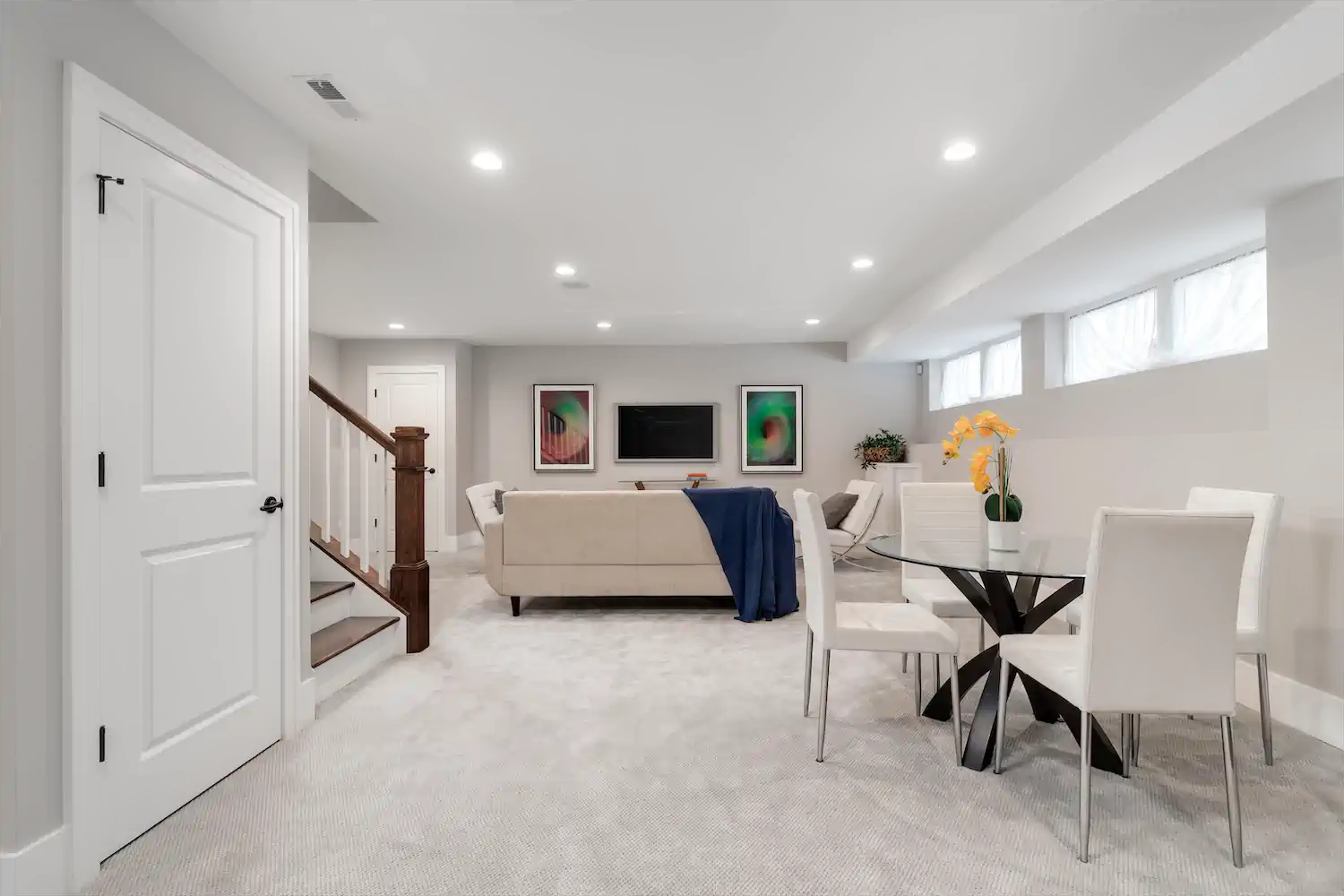
Basement windows transform dark, underutilized spaces into bright, comfortable living areas while improving your home’s energy efficiency and value. Whether you’re finishing a basement bedroom, creating a home office, or simply upgrading outdated windows, choosing the right basement windows requires understanding egress requirements, energy efficiency standards, and the window styles that work best for below-grade installations.
Mid-Atlantic homeowners face unique challenges with basement windows. Our region’s weather extremes—from humid summers to freezing winters, plus hurricane-force winds—demand windows that can withstand it all while keeping energy costs manageable.
Why Basement Windows Matter for Your Home
Adding or upgrading basement windows delivers multiple benefits beyond aesthetics. Natural light reduces your dependence on artificial lighting, cutting electricity costs while making basements feel more inviting. Energy-efficient replacement windows regulate temperature year-round, keeping basements comfortable during sweltering Mid-Atlantic summers and bitter winter months.
Proper ventilation is crucial for basement health. Opening windows circulates fresh air, reducing moisture buildup that leads to mold and musty odors. When sealed correctly during storms, quality basement windows prevent water intrusion and drafts that compromise comfort and increase heating bills.
For homeowners considering selling, finished basements with code-compliant egress windows add significant value. These spaces can count toward your home’s total square footage, and potential buyers recognize the safety and functionality they provide.
Understanding Egress Window Requirements
If you’re creating a basement bedroom or living space, building codes require at least one egress window—a window large enough to serve as an emergency escape route. The International Residential Code (IRC) specifies egress windows must have:
- Minimum opening of 5.7 square feet (5.0 square feet for ground-level windows)
- Minimum opening width of 20 inches
- Minimum opening height of 24 inches
- Maximum sill height of 44 inches from the floor
These measurements ensure adults and firefighters can safely pass through during emergencies. Window wells for below-grade egress windows must provide at least 36 inches of width and depth, with a ladder or built-in steps if the well depth exceeds 44 inches.
Always verify local building codes, as requirements vary by municipality. Professional installation ensures your basement windows meet all safety standards while maintaining proper waterproofing and sealing.
Best Basement Window Styles for Your Home
Hopper Windows
Hopper windows are rectangular windows positioned near the ceiling that open from the bottom and tilt inward. These compact windows work perfectly in tight basement spaces, typically measuring 12 to 24 inches tall and 30 to 36 inches wide.
Hopper windows provide excellent ventilation and natural light while maintaining security. Their top-hinged design creates an airtight seal when closed, preventing drafts and moisture intrusion. However, standard hopper windows don’t meet egress requirements due to their limited opening size.
Awning Windows
Awning windows hinge at the top and open outward from the bottom, creating a protective awning that shields your basement from rain even when the window is open. This design allows continuous ventilation during light rain—a valuable feature in the humid Mid-Atlantic climate.
Like hopper windows, awning windows seal tightly when closed, preventing condensation, mold growth, and drafty rooms. Their compact horizontal design fits well in basements with limited above-ground wall space. Standard awning windows typically don’t meet egress requirements, but larger custom sizes may qualify.
Slider Windows
Slider windows feature two horizontal sections, with one or both panes sliding left or right to open. These windows maximize natural light while fitting comfortably in basement openings with limited height clearance.
Sliding windows work well for egress requirements when sized appropriately—typically 47.5 to 60 inches wide and 35.5 to 60 inches tall. They’re easy to operate quickly in emergencies and provide substantial ventilation for basement spaces.
Casement Windows
For basements with significant above-ground wall space, casement windows offer exceptional ventilation and egress capabilities. These windows hinge on the side and open outward using a crank mechanism, providing a full opening that easily meets egress requirements.
Casement windows rank among the most energy-efficient window styles because they compress against the frame when closed, creating an airtight seal. Wind pressure actually strengthens this seal rather than weakening it—ideal for Mid-Atlantic weather conditions.
Picture Windows
Picture windows are fixed, non-opening windows that maximize natural light and views. Available in various sizes and styles, these windows brighten dark basements without requiring operating mechanisms that can fail over time.
While picture windows don’t provide ventilation or egress, they deliver superior energy efficiency because fixed windows eliminate air leakage around moving parts. Many homeowners combine picture windows with operable windows to balance natural light, ventilation, and energy performance.
Sizing Your Basement Windows
Basement window sizes vary based on your specific needs and available wall space. Before installation, accurately measure your window opening’s height, width, and depth. For egress windows, factor in the additional clearance needed for emergency exits.
Standard basement window sizes accommodate most applications, but custom-manufactured windows ensure a perfect fit—especially in older homes with non-standard openings. Custom windows eliminate gaps that require excessive shimming and caulking, which compromises energy efficiency and allows moisture intrusion.
Energy Efficiency Features to Consider
Mid-Atlantic weather extremes make energy efficiency crucial for basement windows. Look for these features when selecting your windows:
Double or Triple Pane Glass: Multiple panes with insulating gas fills provide superior thermal performance compared to single-pane windows. Argon or krypton gas between panes reduces heat transfer, keeping basements comfortable year-round.
Low-E Coatings: Low-emissivity coatings reflect heat back into your home during winter while blocking harmful UV rays in summer. This technology reduces energy costs and protects furniture, flooring, and fabrics from sun damage.
ENERGY STAR® Certification: Windows meeting ENERGY STAR® 2022 criteria for the Northern climate zone deliver proven energy savings. These windows are independently tested and verified to reduce heating and cooling costs.
Quality Frame Materials: Vinyl window frames offer excellent insulation without the maintenance requirements of wood. Premium vinyl resists warping, rotting, and moisture damage—critical considerations for basement installations.
Materials and Durability for Mid-Atlantic Climates
Basement windows must withstand moisture, temperature fluctuations, and potential flooding. Vinyl windows excel in basement applications because they never need painting, resist moisture damage, and provide excellent thermal performance.
For homeowners prioritizing maximum durability and energy efficiency, fiberglass frames offer superior strength and insulation. While more expensive than vinyl, fiberglass windows last 30+ years with minimal maintenance.
Avoid wood-framed windows in basements unless you’re prepared for regular maintenance and moisture protection. Wood’s natural beauty appeals to some homeowners, but basements’ inherent moisture challenges make wood-framed windows impractical for most applications.
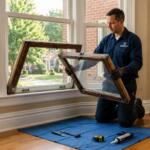
Professional Installation Makes the Difference
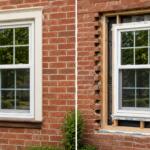
Even premium windows perform poorly with improper installation. Basement windows require specialized installation techniques to ensure proper waterproofing, drainage, and air sealing.
Professional installers understand local building codes and proper flashing techniques to prevent water infiltration. They ensure window wells have adequate drainage and are properly graded to direct water away from your foundation. This expertise protects your investment and prevents costly moisture damage.
Factory-trained installers working with custom-manufactured windows guarantee a perfect fit every time. When your windows are built specifically for your home’s exact specifications, installation is seamless, and performance is optimized.
Window Wells and Drainage
Below-grade egress windows require window wells that provide safe egress while preventing water accumulation. Properly designed window wells include:
- Gravel or drainage systems at the base to prevent standing water
- Corrugated metal, concrete, or composite materials that resist deterioration
- Clear covers that keep debris out while allowing emergency egress
- Adequate depth and width to meet building code requirements
Window well covers protect against leaves, snow, and intruders while maintaining emergency exit functionality. Transparent covers allow natural light into your basement even when covered.
Enhancing Basement Windows with Treatments and Accessories
Window treatments add privacy, light control, and energy efficiency to basement windows. Options include:
Cellular Shades: These insulating shades trap air in honeycomb-shaped cells, adding an extra layer of thermal protection while providing light filtering or blackout options.
Blinds: Horizontal or vertical blinds offer precise light control and privacy adjustment. Modern blinds fit seamlessly with most basement window styles.
Privacy Glass: For bathrooms or areas requiring permanent privacy, consider obscured or frosted glass that allows natural light while blocking views.
When to Replace Your Basement Windows
Signs your basement windows need replacement include:
- Visible condensation between glass panes (seal failure)
- Difficulty opening or closing windows
- Drafts around window frames
- Water stains or rot on frames or sills
- Cracked or broken glass
- Increased energy bills despite consistent usage
- Visible gaps between window and frame
Addressing these issues promptly prevents water damage, mold growth, and escalating energy costs.
Cost Considerations for Basement Window Replacement
Basement window replacement costs vary based on window type, size, materials, and installation requirements. Egress window installation typically costs more due to excavation, window well installation, and structural modifications.
While upfront costs may seem significant, energy-efficient windows pay for themselves through reduced utility bills. ENERGY STAR® estimates that replacing single-pane windows can save up to $465 annually on energy costs in the Mid-Atlantic region.
Many homeowners qualify for tax credits and rebates when installing energy-efficient windows. Check with your local utility company and state energy office for available incentives that can offset installation costs.
Why Choose Thompson Creek for Basement Windows
Thompson Creek custom-manufactures windows in our 70,000-square-foot Maryland facility, ensuring every window is built precisely for your home’s specifications. Our windows exceed ENERGY STAR® 2022 criteria and include our industry-leading 50-year No-Hassle Warranty covering both products and installation.
As Mid-Atlantic natives, we understand the unique challenges our region’s weather presents. Our windows are tested to withstand winds up to 146 mph and engineered specifically for Maryland, Virginia, and DC climate conditions. From initial consultation through professional installation and warranty service, we provide complete accountability—no middleman markup, no runaround.
Ready to transform your basement with energy-efficient windows? Schedule your free consultation today and discover why Mid-Atlantic homeowners have trusted Thompson Creek for over 40 years. Our custom-manufactured windows come with professional installation and the strongest warranty in the industry.