Winter in Salisbury brings a different set of challenges than Maryland’s coastal towns. Inland cold snaps, freeze–thaw cycles, and tree-heavy neighborhoods all place unique pressure on homes once temperatures drop.
Without constant coastal wind and salt air, Salisbury homeowners face a different priority list—one focused on insulation, drainage, and protecting exterior systems from moisture that freezes and expands. Leaves and debris build up quickly, and small gaps can lead to significant heat loss during cold spells.
This guide provides clear, practical winter home maintenance tips tailored specifically to Salisbury homeowners. The focus is on preventing winter damage, improving comfort, and keeping exterior systems working reliably through the coldest months.
Why Winter Maintenance Matters for Salisbury Homes
Salisbury winters may be quieter than coastal storms, but they can be just as damaging. Repeated freeze–thaw cycles stress roofing, siding, and foundations. Cold snaps test insulation and reveal drafts quickly.
Tree-lined streets add another layer of concern. Leaves and debris collect on roofs and in gutters, trapping moisture that freezes overnight and expands.
Proactive winter maintenance helps Salisbury homeowners:
- Reduce damage from freeze–thaw expansion
- Prevent ice-related gutter and roof issues
- Improve indoor comfort during cold snaps
- Avoid water intrusion caused by poor drainage
Addressing these issues before winter peaks helps protect your home and keeps repair costs manageable.
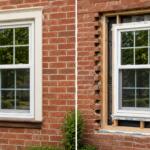
Check Windows for Drafts, Leaks & Fogging

Cold winter air makes window problems obvious in Salisbury. Drafts show up quickly during overnight temperature drops, especially in older homes.
Check your windows for:
- Cold air drafts around frames or sills
- Condensation or fogging between panes
- Difficulty opening, closing, or locking
- Cold spots on nearby walls
Drafts indicate failing seals or aging frames, allowing heated air to escape. Fogging between panes usually means the insulating seal has failed, reducing energy efficiency.
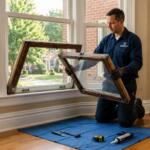
Because Salisbury winters rely more on sustained heating than coastal moderation, inefficient windows can significantly increase energy bills. If issues are widespread or persistent, [→ Window Replacement Services] can help improve comfort and efficiency before winter deepens.
Inspect Exterior Doors & Weatherstripping

Exterior doors are another common source of heat loss during Salisbury winters. Temperature swings and settling can cause frames to shift slightly, opening small gaps over time.
Inspect doors for:
- Gaps around frames or thresholds
- Worn or compressed weatherstripping
- Drafts near hinges or door sweeps
- Doors that don’t close tightly
Even small gaps allow cold air inside, forcing heating systems to work harder. In winter, this also increases condensation near doorways, which can lead to moisture issues.
If doors no longer seal properly despite basic fixes, [→ Door Replacement Services] may offer a more reliable long-term solution for winter comfort and energy control.
Examine Siding for Moisture Damage & Gaps

While Salisbury sees less salt air, moisture remains a major concern—especially during freeze–thaw cycles. Water that enters small siding gaps can freeze overnight and expand, worsening damage.
Walk around your home and look for:
- Cracks, gaps, or loose siding panels
- Areas where trim meets siding
- Discoloration or staining after rainfall
- Soft spots that suggest trapped moisture
Moisture intrusion during winter often goes unnoticed until spring, when damage becomes visible and more costly to repair.
A winter inspection helps catch issues early. If siding shows widespread wear or repeated moisture problems, [→ Siding Replacement Services] can improve durability and protection.
Inspect Roof & Flashing Before Winter Weather Sets In

Roofs in Salisbury must handle freezing temperatures, debris buildup, and ice formation. Tree-heavy neighborhoods increase the risk of leaves trapping moisture against roofing materials.
Before winter intensifies, inspect:
- Missing, cracked, or curling shingles
- Flashing around vents, chimneys, and roof edges
- Soffits and fascia for signs of rot
- Valleys or low points where debris collects
Freeze–thaw cycles are particularly damaging. Water seeps into small cracks, freezes overnight, and expands—gradually worsening roof vulnerabilities.
Addressing concerns early reduces the risk of leaks during cold weather. For professional evaluation or repairs, [→ Roofing Services] can help ensure your roof is prepared for Salisbury winters.
Clean Gutters & Confirm Drainage

Gutters are especially important in Salisbury due to heavy leaf and debris buildup. When gutters clog, water has nowhere to go—and winter temperatures make the consequences worse.
Before winter, make sure to:
- Remove leaves, twigs, and debris
- Check for sagging or loose sections
- Ensure downspouts direct water away from the foundation
- Confirm proper water flow during rainfall
Blocked gutters can freeze, overflow, or force water back under roofing materials. Over time, this can damage fascia, siding, and foundations.
If gutters frequently clog or show signs of wear, [→ Gutter Replacement Services] may provide a more dependable drainage solution before winter arrives.
Improve Home Energy Efficiency Before Winter
Energy efficiency plays a major role in winter comfort for Salisbury homes. Cold snaps put consistent demand on heating systems, making insulation and sealing especially important.
Practical steps homeowners can take include:
- Sealing exterior gaps with weather-resistant caulk
- Replacing worn weatherstripping
- Checking attic insulation and ventilation
- Closing unused exterior vents
Because Salisbury winters rely less on wind and more on sustained cold, good insulation helps maintain stable indoor temperatures and control heating costs.
Small improvements now can lead to noticeable comfort gains throughout the winter.
Conclusion
Winter home maintenance in Salisbury is about preparation for cold, moisture, and debris—not coastal exposure. Freeze–thaw cycles, tree-heavy neighborhoods, and drainage challenges make proactive inspections essential.
By checking windows, doors, siding, roofing, gutters, and energy efficiency before winter peaks, homeowners can reduce heat loss, prevent moisture damage, and avoid costly spring repairs.
Thompson Creek has extensive experience working with Eastern Shore homes and understands the specific needs of Salisbury properties. If you’d like a professional assessment or guidance on next steps, consider scheduling an inspection and Get a Free Estimate to prepare your home with confidence.