Children are naturally curious explorers, and their desire to discover the world around them can sometimes lead to dangerous situations. As a parent or caregiver in the Mid-Atlantic region, childproofing your home is essential—and windows deserve special attention. According to the U.S. Consumer Product Safety Commission (CPSC), approximately eight children under age five die each year from window falls, while an estimated 3,300 children are treated annually in emergency departments for fall-related injuries.
Taking proactive steps to childproof windows can prevent these tragedies. Whether you have traditional double-hung windows, casement windows, or sliding windows, implementing the right safety measures protects your family while maintaining your home’s comfort and ventilation. Modern replacement windows also offer built-in safety features that older windows simply can’t match.
Understanding Window Fall Risks
Window falls remain one of the most preventable home safety hazards. Most incidents occur when children push against window screens—which are designed to keep insects out, not children in—or climb onto furniture positioned near open windows. The risk increases dramatically during spring and summer months when windows are open more frequently.
Children ages two to five face the highest risk because they’re mobile, curious, and lack an understanding of danger. Even second-story windows pose serious threats, as falls from any height can result in severe injuries. According to recent data from Harborview Medical Center, one in three children who fall from windows require intensive care, and one in four leave the hospital with long-term disabilities.
For Mid-Atlantic homeowners dealing with hot, humid summers and the need for natural ventilation, balancing fresh air with child safety becomes especially important. The good news? You don’t have to choose between comfort and safety. Understanding the importance of home window safety is the first step in protecting your family.
Essential Childproofing Methods for Windows
Childproofing windows requires a multi-layered approach tailored to your specific window types and home layout. Here’s how to create a comprehensive safety plan:
Install Childproof Window Locks
Replace standard window locks with childproof versions designed to prevent toddlers from opening windows unsupervised. These locks install on the inside of window frames and feature mechanisms adults can easily operate in emergencies, but children cannot manipulate. Key-locking window restrictors provide the highest level of security, limiting window openings to a safe four-inch gap—the maximum recommended by safety experts.
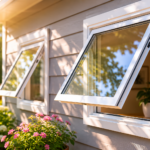
For casement windows, consider removing crank handles when windows aren’t in use, or replace them with keyed handles. Modern casement windows from Thompson Creek feature secure locking mechanisms that make unauthorized opening nearly impossible while maintaining easy operation for adults.
Add Window Guards for Ventilation Safety
Window guards create a physical barrier that allows fresh air circulation while preventing children from falling through open windows. These metal or mesh guards install across window openings with bars spaced no more than four inches apart—close enough to prevent a child’s body from passing through.
According to ASTM safety standards, window guards for homes below the sixth floor should include quick-release mechanisms for emergency escape during fires. Always ensure guards are properly secured to window frames and can withstand at least 50 pounds of force. However, never rely solely on window guards—supervision remains the most effective safety measure.
Use Window Stops and Restrictors
Window stops limit how far windows can open, typically restricting the opening to four inches or less. These devices are particularly effective for double-hung and sliding windows common in Mid-Atlantic homes. Cable-style window restrictors work on various window types and can be easily disengaged by adults when full opening is needed.
Suction-based stoppers protect little fingers from getting pinched when windows close unexpectedly. Position these stoppers where they catch the window before it fully closes. This simple, inexpensive solution prevents one of the most common window-related injuries. If you’re experiencing issues with windows that won’t stay up, address this problem immediately as falling windows pose serious risks to children.
Eliminate Cord Strangulation Hazards
Window blind cords pose a serious strangulation risk to young children. The CPSC reports approximately eight to nine children die annually from window covering cord entanglement. Replace corded blinds with cordless alternatives, or retrofit existing blinds with cord wind-ups that keep cords out of reach.
Modern window treatments feature motorized or spring-loaded mechanisms that eliminate dangling cords entirely. If replacing blinds isn’t immediately feasible, wrap cords around cleats mounted high on walls, well beyond children’s reach.
Furniture Placement and Home Layout Strategies
Even the best window safety devices can be compromised by poor furniture placement. Children naturally climb onto beds, dressers, toy chests, and other furniture—turning these items into dangerous stepping stones to windows.
Create a “no-climb zone” by positioning all furniture at least three feet away from windows. This includes cribs, changing tables, bookshelves, and desks. In children’s bedrooms and playrooms, arrange furniture along walls without windows whenever possible.
For homes with limited space, secure tall furniture to walls using anti-tip straps. While this prevents tip-over accidents, remember it doesn’t address window access—maintaining distance remains the primary goal. Regular window maintenance also helps ensure all safety features function properly.
Window Safety Features in Modern Replacement Windows
If you’re planning home renovations or window replacement in Maryland, Virginia, or D.C., consider how modern windows incorporate safety features that older windows lack.
Built-in Locking Systems
Contemporary energy-efficient windows feature multi-point locking systems that are more secure than single-latch designs found on older windows. These advanced locks require specific manipulations to open, making them naturally more child-resistant while providing better security against intruders.
Tempered and Laminated Glass Options
Tempered glass is four to five times stronger than standard glass and breaks into small, less dangerous pieces if shattered. Laminated glass includes a plastic interlayer that holds broken glass in place, preventing sharp shards from causing injury. Both options provide enhanced safety for families with young children while improving energy efficiency and sound reduction.
Easy-to-Clean Tilt-In Sashes
Modern double-hung windows with tilt-in sashes allow cleaning from inside your home, eliminating the need for children to be present near open windows during maintenance. This feature is standard on Thompson Creek’s custom-manufactured windows, which are built specifically for Mid-Atlantic climate conditions.
Age-Appropriate Window Safety Education
While physical barriers are essential, teaching children about window safety creates an additional layer of protection. Start conversations early, using age-appropriate language:
For toddlers (ages 2-3): Use simple rules like “Windows are not doors” and “Only grown-ups open windows.” Reinforce these messages consistently, and never use windows as examples of escape routes except in the context of fire safety taught by professionals.
For preschoolers (ages 4-5): Explain that screens don’t keep people safe and demonstrate how easily screens can be pushed out. Role-play emergency scenarios where they alert adults to open windows or siblings near windows.
For school-age children (ages 6+): Discuss fall risks, heights, and consequences while teaching them to be safety monitors who help keep younger siblings away from windows. Include them in regular home safety checks.
Regular Maintenance and Safety Inspections
Window safety isn’t a one-time installation—it requires ongoing vigilance. Conduct monthly inspections of all window safety devices:
- Test window locks to ensure they engage properly and haven’t loosened
- Check window guards for secure mounting and structural integrity
- Inspect window stops and restrictors for wear or damage
- Verify furniture hasn’t been repositioned closer to windows
- Replace worn weatherstripping that might tempt children to “fix” gaps
Pay special attention to windows in guest rooms, basements, and other spaces children access less frequently. These often-overlooked areas may have outdated safety measures or none at all. Identifying common window problems early prevents safety issues before they become hazards.
Mid-Atlantic Climate Considerations
Homeowners in Maryland, Virginia, and D.C. face unique challenges when balancing window safety with the need for ventilation during our region’s hot, humid summers and variable spring and fall weather.
Seasonal Safety Adjustments
During peak summer months when air conditioning may not be running constantly, window restrictors allow safe ventilation while preventing full opening. Thompson Creek’s ENERGY STAR® certified windows exceed 2022 efficiency standards, reducing the need to keep windows open for cooling while maintaining superior indoor air quality.
Storm and Hurricane Preparedness
Mid-Atlantic weather includes severe thunderstorms and occasional hurricanes. Windows tested to withstand winds up to 146 mph—like those manufactured by Thompson Creek—provide both everyday safety and storm protection. Learning how to protect windows from strong winds is essential for keeping your family safe during severe weather.
Humidity and Window Operation
High humidity can cause older wooden windows to swell, making them difficult to operate and potentially trapping children who might try to open them. Modern vinyl windows resist moisture-related warping and maintain smooth operation year-round, ensuring safety features function properly regardless of weather conditions.
When to Consider Window Replacement for Safety
Sometimes childproofing old windows isn’t enough. Consider replacing your windows if you notice:
- Loose or missing hardware that compromises lock functionality
- Warped frames that prevent windows from closing securely
- Single-pane glass that poses breaking hazards
- Damaged screens that could fail under pressure
- Windows that stick or require excessive force to operate
Older windows installed in the 1980s and 1990s lack modern safety features and energy efficiency standards. Upgrading to contemporary replacement windows provides multiple benefits: enhanced child safety, improved energy efficiency, better security, and increased home value. Understanding when you need a window replacement helps you make informed decisions about your home’s safety.
Creating a Comprehensive Home Safety Plan
Window safety is part of a broader home childproofing strategy. Integrate these window protection measures with other safety precautions:
- Install smoke and carbon monoxide detectors near sleeping areas
- Secure stairs with gates at top and bottom
- Cover electrical outlets and secure cabinets containing hazardous materials
- Anchor televisions and heavy furniture to walls
- Store medications and cleaning products in locked cabinets
Create an emergency plan that includes teaching older children how to open windows safely during fire emergencies while reinforcing that windows remain off-limits for everyday play. Preparing your home for window replacement also requires keeping children safe during installation.
Special Considerations for Multi-Story Homes
Children living in apartment buildings and multi-story homes face five times the risk of serious injury from window falls compared to single-story residences. For second-story and higher windows:
- Prioritize professional installation of window guards certified to ASTM F2090 standards
- Use permanent window restrictors on upper floors where emergency egress isn’t required
- Never position children’s beds or cribs near windows, regardless of floor level
- Consider window alarms that alert when windows are opened
- Maintain extra vigilance in rooms where children sleep
Some municipalities require landlords to install window guards in multi-family buildings. Check local regulations and your building’s policies to ensure compliance.
FAQ: Common Window Childproofing Questions
How do I childproof casement windows?
Casement windows can be childproofed by removing crank handles when not in use, installing keyed crank handles, or adding window restrictors. Casement windows are naturally more secure than sliding windows because they lock at multiple points and cannot be opened from outside.
Are window screens enough to prevent falls?
No. Window screens are designed to keep insects out, not to support a child’s weight. The National Safety Council emphasizes that screens pop out easily and should never be relied upon as safety devices. Always use additional safety measures like window guards or restrictors.
What’s the safest window type for homes with young children?
Double-hung windows with tilt-in sashes, casement windows with secure crank mechanisms, and awning or hopper windows mounted high on walls provide excellent safety when properly equipped with childproof locks and restrictors. Modern replacement windows include enhanced locking systems that older windows lack.
Can I childproof windows without blocking ventilation?
Yes. Window guards and restrictors allow four inches of opening—enough for airflow while preventing children from fitting through. Alternatively, open windows from the top rather than the bottom, or use windows in rooms children cannot access for primary ventilation.
How often should I inspect window safety devices?
Conduct monthly inspections of all locks, guards, stops, and restrictors. Check for loosening, wear, and proper function. Replace or repair any damaged safety devices immediately. Seasonal changes in Mid-Atlantic weather can affect window operation, so pay extra attention during spring and fall transitions.
What should I do if my window won’t stay open or closed properly?
A window that won’t stay in position poses significant safety risks, especially for children. This often indicates balance failure or worn components. Review our guide on fixing windows that won’t stay up or consider replacement if the window is more than 15-20 years old.
Why Choose Thompson Creek for Safe, Energy-Efficient Windows
Since 1980, Thompson Creek has manufactured custom replacement windows designed specifically for Mid-Atlantic families. Our windows combine advanced safety features with industry-leading energy efficiency, all backed by our 50-year No-Hassle Warranty. Every window is custom-manufactured in our Maryland facility, installed by factory-trained professionals, and engineered to withstand our region’s unique weather challenges—from humid summers to winter storms.
Ready to upgrade to safer, more efficient windows? Schedule your free consultation today and discover why Maryland, Virginia, and D.C. homeowners have trusted Thompson Creek for over 40 years. Our ENERGY STAR® certified windows protect your family while reducing energy costs up to 13% annually. Call (301) 450-6862 or request your no-obligation estimate online.