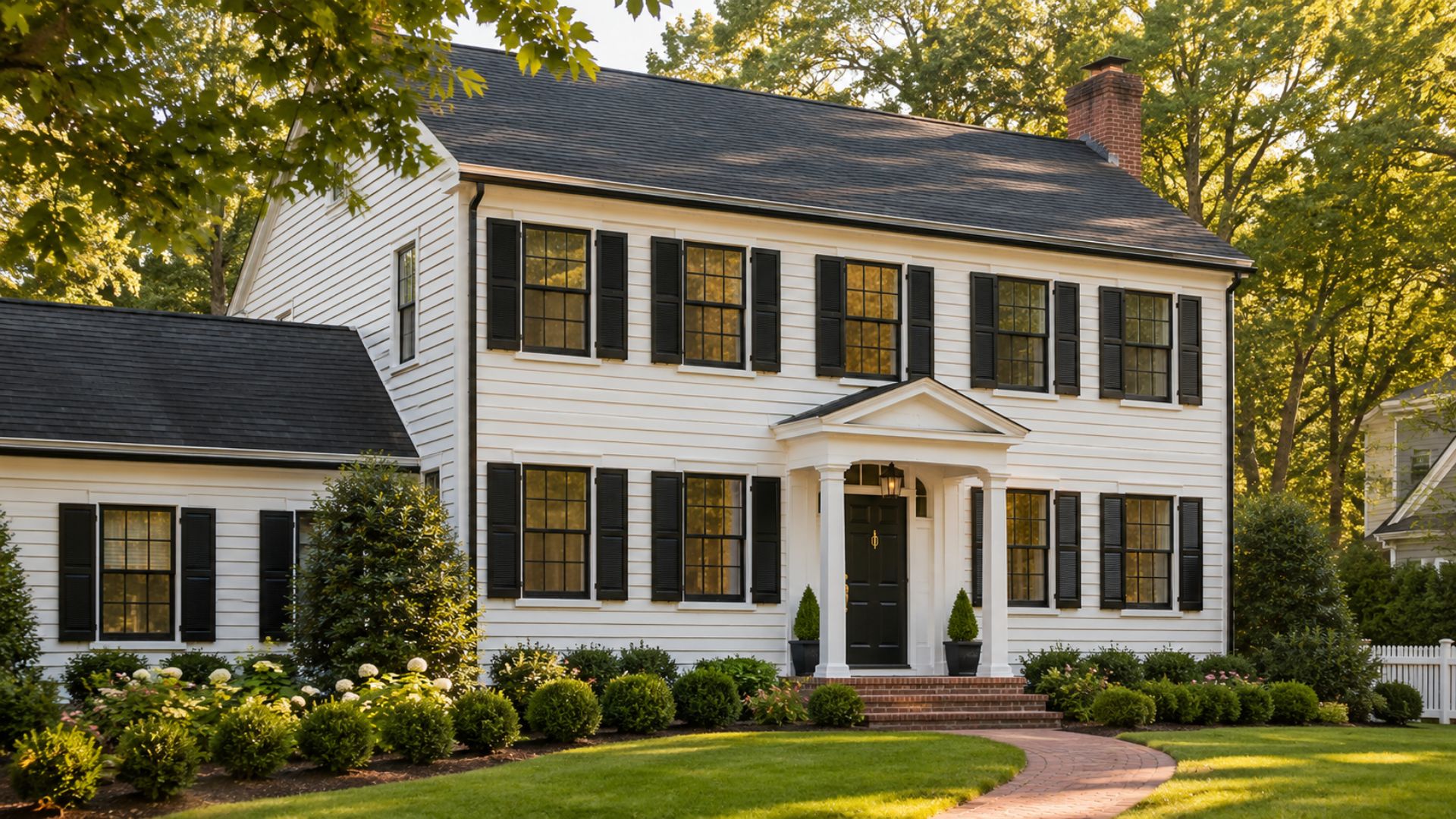
Black window frames have moved from niche design choice to mainstream request. In the Mid-Atlantic’s stock of older colonials, craftsman bungalows, and modern infill homes, the contrast of a dark frame against light-colored siding reads as intentional and current. Interior designers, architects, and homeowners who’ve seen the look in renovation magazines are requesting it by name.
But alongside the aesthetic question, black or white, there’s a practical one that’s harder to find a clear answer to. Does a black window frame hold up the same way a white one does? In Maryland, Virginia, and D.C., where summers are hot and humid summers and winters bring sustained freezing temperatures, that question deserves a real answer before you commit.
Why Black Windows Are Resonating Now
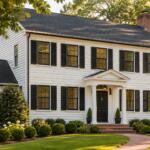
The design trend isn’t arbitrary. Black window frames change the relationship between a window and the wall it sits in. Where white frames blend into light-colored walls, black frames define the opening. The grid becomes a graphic element. The view becomes a framed picture.
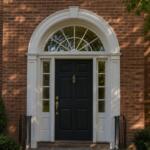
The effect works particularly well in homes with white or light gray exteriors, brick, or board-and-batten siding. In urban and suburban Mid-Atlantic neighborhoods, where homes are visible at close range from the street, the visual crispness of a black frame reads as deliberate and refined.
Interior applications have driven the trend further. A black frame seen from inside a well-lit room creates a distinct boundary between interior and exterior, an effect that photographers and interior designers have amplified. Contemporary homeowners are increasingly choosing different frame colors for interior and exterior: black outside for curb appeal and white inside for bright, reflective interiors.
How Black Frame Color Is Applied in Modern Windows
The detail that matters most for durability is how the color is applied.
In wood-framed windows, black is paint. It sits on the surface of the frame material. Paint applied over wood expands and contracts with temperature changes at a different rate than the wood beneath, and eventually it fails: cracking, peeling, and requiring periodic refinishing.
In quality vinyl and fiberglass replacement windows, color is handled differently. Factory-finished vinyl windows have color integrated throughout the vinyl material. The pigment runs through the material, not just the surface layer. This eliminates the peel-and-recoat cycle entirely. Thompson Creek’s factory-finished vinyl windows are custom-manufactured at our 120,000-square-foot Maryland factory and come in multiple colors with an integrated pigment process, ensuring color consistency and backing the finish under the 50-Year No-Hassle Warranty.
Fiberglass frames also accept custom colors well through a factory finishing process, with excellent long-term color retention. Both materials outperform painted wood for color permanence in exterior applications.
Thompson Creek offers custom color options, including true black, bronze, and charcoal gray finishes. These frames create strong contrast against light-colored siding while maintaining the energy efficiency performance of standard frames. Thompson Creek can also color-match the exterior of windows to any Sherwin Williams swatch for a fully customized look. For a look at the full color palette and how different finishes pair with siding and trim, the window and door color guide walks through every option.
The Heat Absorption Question: Does Black Affect Energy Performance?
Short answer: Frame color has minimal effect on a window’s measured thermal performance. The glass package determines efficiency, not the frame color.
Here’s the fuller explanation.
Dark colors absorb more solar radiation than light colors. A black-framed window placed in direct summer sun will reach higher surface temperatures than an equivalent white-framed unit. This raises two related concerns: whether the heat absorption affects the frame material over time, and whether it meaningfully affects the thermal performance of the window overall.
For frame integrity, the relevant factor is how the material handles sustained high-temperature exposure. Painted wood exposed to extreme heat is prone to blistering and cracking. Dark paint absorbs heat, causing vinyl temperatures to exceed 180°F in direct sunlight, which can warp frames, crack glass, and void warranties. This is why painting vinyl windows a dark color is explicitly not recommended.
Factory-finished vinyl and fiberglass are the correct materials for black-framed windows because the color is engineered into the material by the manufacturer, not applied afterward. The formulation is designed to handle thermal load without compromising structural integrity.
For energy performance, the frame color has less effect than the glass package. The thermal work of keeping heat in during winter and blocking solar heat gain in summer is done primarily by the Low-E coating and the insulated glass unit. A black-framed window with the same glass package as a white-framed window will perform comparably in terms of measured U-factor (a measurement indicating a window’s resistance to heat transfer) and Solar Heat Gain Coefficient (SHGC). Thompson Creek windows are built to meet or exceed 2022 ENERGY STAR® criteria, and that performance holds regardless of frame color. For a deeper look at what to evaluate when comparing window options, the replacement window buying guide covers glass packages, frame materials, and efficiency ratings in detail.
Black vs. White in the Mid-Atlantic: Specific Climate Considerations
The Mid-Atlantic presents specific conditions worth addressing directly.
Summer heat and direct sun. South- and west-facing windows take the most direct sun in summer. For factory-finished vinyl or fiberglass black frames in these orientations, thermal performance is not meaningfully compromised versus white. For painted wood frames in black, the heat load accelerates surface degradation. Choose factory-finished frames.
Humidity and moisture. Vinyl frames are inherently moisture-resistant. The material doesn’t absorb water, expand, or contract the way wood does through humidity cycles. For black frames specifically, this matters because moisture infiltrating cracked paint on wood frames can cause visible degradation that’s more noticeable against a dark background than a light one.
Winter cold. Vinyl has lower thermal conductivity than aluminum, making it a better insulator in cold weather regardless of color. Black vinyl frames don’t lose insulating properties in cold conditions.
UV exposure over time. Exterior-grade factory finishes include UV stabilizers that maintain color integrity over years of direct sun exposure. This is a meaningful difference from field-applied paint, which lacks the same UV protection formulated into factory finishes.
Interior Design Considerations: Black Frames Inside the Home
The interior view of a black-framed window is different from the exterior one. From outside, the dark frame creates definition and contrast. From inside, looking at a black frame against a white wall, the effect is more graphic and structured than a traditional white frame provides.
Some interior designers work with this deliberately, pairing black frames with warm wood tones, light plaster walls, and minimal trim to create a cohesive modern interior. Others find the interior black frame harder to integrate and prefer a dual-color configuration: black exterior, white interior.
Window coverings are another consideration. Wood or vinyl blinds often create too much visual competition with a dark frame. Roman shades and drapes tend to work better with black windows because they read as soft fabric against a hard frame rather than one hard material against another.
How to Decide: Black or White?
Neither is universally better. The decision depends on your home’s architecture, your exterior color palette, and your interior design priorities.
Black frames make the most sense when:
- Your home has a lighter exterior, white, light gray, cream, or light brick, that provides contrast
- You want windows to read as deliberate design elements rather than background features
- Your interior trim and wall treatment can accommodate the contrast of a dark frame
- You’re choosing factory-finished vinyl or fiberglass (not painted wood)
White frames make the most sense when:
- Your home has a traditional exterior where white windows are part of the historical character
- Your interior palette is warm and the contrast of black frames would conflict rather than complement
- You prefer windows that recede visually rather than command attention
Quick Comparison: Black vs. White Window Frames
| Factor | Black Frames | White Frames |
| Best exterior match | Light siding, brick, board-and-batten | Traditional, warm-toned, or varied exteriors |
| Interior effect | Graphic, defined, modern | Recessive, traditional, bright |
| UV/heat durability | Excellent (factory-finished vinyl/fiberglass) | Excellent |
| Color retention | Integrated pigment, no fading or peeling | Same |
| Painted wood caution | High heat absorption risk | Low risk |
| Dual-color available | Yes (black exterior, white interior) | Yes |
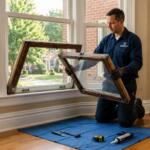
If you’re replacing multiple windows and want to see how both look on your home before committing, Thompson Creek’s factory-trained crews handle the full installation from measurement through finish, so there’s no contractor coordination to manage. The double-hung window designs guide shows black-framed configurations across different architectural styles.
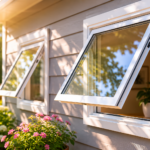
For homes with casement-style openings common in older Mid-Atlantic neighborhoods, the casement windows page covers how different frame colors work with traditional sash proportions.
Frequently Asked Questions
Do black window frames fade over time in Maryland or Virginia?
Factory-finished vinyl and fiberglass frames include UV stabilizers that resist fading. Thompson Creek’s integrated pigment process means the color runs through the material rather than sitting on the surface, providing long-term color retention under the 50-Year No-Hassle Warranty. Field-painted frames fade more quickly without periodic maintenance.
How much more do black window frames cost than white for a Mid-Atlantic home replacement project?
Frame color is part of Thompson Creek’s custom manufacturing process at our Maryland facility, so the investment reflects the window style, glass package, and number of units in your project, not the color selected. Factors that affect overall project cost include frame condition, window count, glass package, and installation scope. For an accurate number specific to your home, schedule a free in-home estimate.
Do black window frames affect energy efficiency in hot Mid-Atlantic summers?
Frame color has minimal effect on a window’s measured thermal performance, including U-factor and SHGC. The glass package, including Low-E coatings, gas fill, and number of panes, determines energy efficiency. Thompson Creek windows are built to meet or exceed 2022 ENERGY STAR® criteria, and that performance holds for both black and white frames.
Can I get black on the outside and white on the inside for my Maryland home’s windows?
Yes. Thompson Creek’s custom manufacturing process, handled entirely at our 200,000 sq ft Maryland facility, accommodates dual-color requests. Black on the exterior delivers the curb appeal contrast you’re after. White on the interior keeps rooms bright and easier to furnish against. It’s one of the more common requests factory-trained crews handle during installation.
Is black a good frame color choice for historic homes in D.C., Baltimore, or Philadelphia?
Black window frames have architectural precedent in both Federal and craftsman styles common throughout the D.C., Baltimore, and Philadelphia areas. Whether black is appropriate for a specific historic property depends on local preservation guidelines. A Thompson Creek design consultant can walk through what’s compliant for your district during the free in-home consultation.
The right frame color is the one that works for your home’s architecture and your personal aesthetic, chosen from a material that will hold that color reliably for decades. Schedule a free in-home consultation with Thompson Creek to see color options in person and get a clear picture of what black frames would look like on your specific home.