Your windows don’t fail overnight. The signs show up little by little. A draft here, a foggy pane there, heating bills that inch up year after year without an obvious explanation. By the time most homeowners in Maryland, Virginia, or D.C. call for an estimate, their windows have been quietly failing for years.
Double-pane window replacement is one of the most common home improvement projects in the Mid-Atlantic. When done right, it addresses comfort, energy performance, and long-term home value all at once. That being said, it’s worth understanding what you’re actually replacing, when it makes sense to do it, and what to look for in a window before you commit.
What Makes a Double-Pane Window Different?
A double-pane window, sometimes called a dual-pane or insulated glass unit (IGU), consists of two layers of glass separated by a sealed airspace. That space is typically filled with argon gas, which provides better insulation than regular air.
The sealed unit does the thermal work. Low-emissivity (Low-E) coatings on the glass surface reflect heat back in during winter and block solar heat gain in summer. Together, the gas fill and Low-E coating significantly reduce heat transfer through the glass.
Single-pane windows offer essentially no thermal resistance by comparison. The U.S. Department of Energy reports that windows account for 25 to 30 percent of residential heating and cooling energy use. That figure reflects how much older single-pane and degraded double-pane windows contribute to energy loss in a home.
Signs Your Double-Pane Windows Have Failed
Double-pane windows don’t last forever. The sealed gas chamber is the weak point. Over time, that seal degrades, the gas escapes, and moisture enters the space between the panes. When that happens, the window loses most of its insulating value.
Here’s what to look for:
Fogging between the panes. This is the most visible sign of seal failure. A hazy or cloudy appearance that doesn’t wipe away means moisture is trapped inside the sealed unit. The insulating gas has already escaped. The window is no longer performing as designed.
Drafts near closed windows. Run your hand along the frame edge on a cold day. Consistent cold air movement suggests the weatherstripping or sash seal has failed.
Condensation on the interior glass surface. Some interior condensation is normal in high-humidity conditions. If moisture routinely collects on the glass surface in moderate weather, though, the window is no longer controlling thermal transfer properly.
Windows that won’t stay open or shut cleanly. Warped sashes, failed balances, and binding frames are signs of physical deterioration that often accompany glass seal failure in older units.
Rising energy bills with no clear explanation. If your HVAC is maintained and your insulation hasn’t changed, windows are a logical culprit.
Thompson Creek’s overview of warning signs homeowners miss walks through these indicators in detail and explains when multiple symptoms together signal it’s time to replace rather than repair.
When Repair Is Not Enough
Some window problems have a patch. Fogged double-pane units don’t.
Defogging services drill small holes, flush out moisture, and inject drying agents. They can temporarily clear the glass, but they don’t restore the gas fill or repair the compromised seal. Condensation typically returns within a few years.
Replacing just the insulated glass unit (the IGU) while keeping the existing frame is a legitimate option when the frame itself is structurally sound and the seal is the only failure. This can restore performance at a lower cost than full window replacement. Thompson Creek’s detailed look at window condensation explains both options clearly and helps homeowners decide which makes sense for their situation.
Full double-pane window replacement, including frame, sash, and glass, makes the most sense when:
- The window frame shows rot, moisture damage, or significant warping
- The window is more than 20 years old and has experienced multiple failures
- You want to change the window style, size, or profile
- You’re upgrading from single-pane to double-pane for the first time
Insert vs. Full Frame: Which Replacement Approach Is Right?
There are two ways to replace a double-pane window: insert (or pocket) replacement and full-frame replacement. Which one is right depends entirely on the condition of your existing frame.
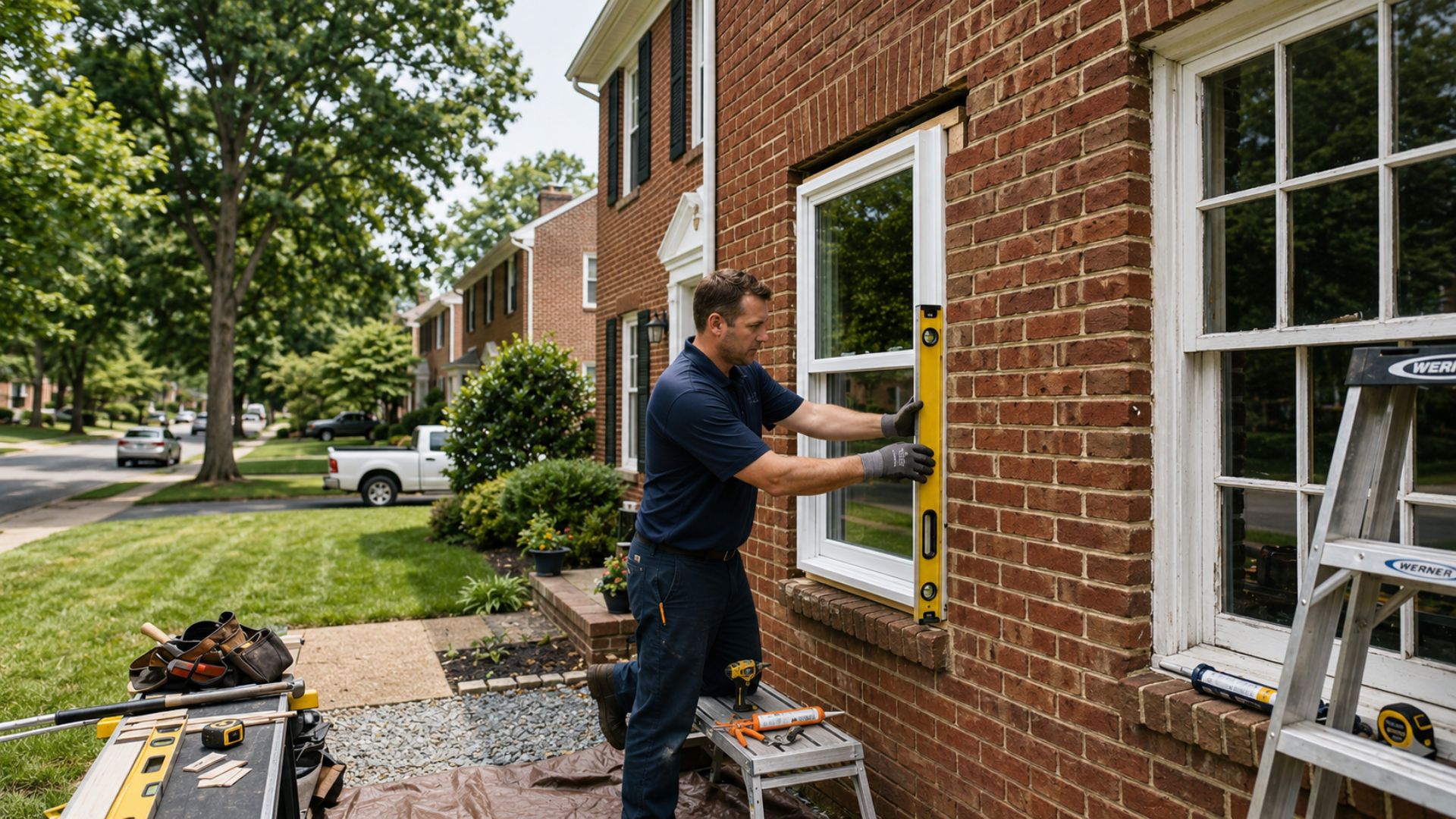
Insert replacement fits a new window unit inside the existing frame. It’s faster, less disruptive, and preserves the surrounding trim and siding. It’s the right choice when the existing frame is structurally sound, with no rot, no water damage, and still square and plumb.
Full frame replacement removes everything: sash, frame, sill, and surrounding material. It takes more time and labor, but it’s necessary when the frame has deteriorated or when you’re changing the window’s rough opening size. It also allows for improved insulation and air sealing around the perimeter, which improves overall thermal performance.
Thompson Creek design consultants inspect frames during free in-home consultations and recommend the right method for your specific situation. More on the difference between these approaches is covered in the guide on insert vs. full-frame window replacement.
Double-Pane vs. Triple-Pane: Does the Upgrade Make Sense?
This is one of the most common questions Mid-Atlantic homeowners ask, and the answer depends on your specific situation.
| Factor | Double-Pane | Triple-Pane |
| Glass layers | 2 | 3 |
| Sealed gas chambers | 1 | 2 |
| Typical U-value | ~1.3 | ~1.0 |
| Best for | Most Mid-Atlantic homes | North-facing walls, high-exposure locations |
| Cost | Lower | Higher |
| ENERGY STAR® eligible | Yes | Yes |
The recommendation for most homes: High-quality double-pane windows with Low-E coatings and argon gas fill deliver strong performance for Maryland, Virginia, and D.C. homeowners. The additional cost of triple-pane is most justified for north-facing walls, homes in particularly exposed locations, or homeowners seeking the absolute highest possible efficiency rating.
Thompson Creek’s 7900 premium series triple-pane windows include two sealed chambers filled with argon or krypton gas. The comparison of triple-pane vs. double-pane performance covers the performance data and climate considerations for the Mid-Atlantic in detail.
What to Look for in a Replacement Window
Not all double-pane windows are the same. Performance varies significantly by glass package, frame material, installation quality, and manufacturer.
When evaluating options, look for:
Windows that meet or exceed 2022 ENERGY STAR® criteria. Windows built to exceed the 2022 ENERGY STAR® criteria for the Northern Zone are calibrated for Mid-Atlantic climate conditions. This standard is based on U-factor and Solar Heat Gain Coefficient (SHGC), not just the presence of double-pane glass.
Low-E glass coating. The coating should be specified for the climate zone. Mid-Atlantic homes benefit from coatings that balance heat retention in winter with solar heat blocking in summer.
Argon or krypton gas fill. Both are effective. Argon is the standard choice at a practical cost point. Krypton offers better performance in narrower spaces but at a higher price.
Quality frame material. Vinyl frames are the most common choice for replacement windows in the Mid-Atlantic. They don’t conduct heat the way aluminum does, require minimal maintenance, and hold their shape well across the region’s temperature swings. Thompson Creek’s double-hung windows are custom-manufactured in vinyl at the Maryland facility and represent the most popular choice for Mid-Atlantic homeowners.
Professional installation. A well-manufactured window installed poorly will underperform. Air sealing, shimming, caulking, and integration with the surrounding wall assembly all affect the final performance of the window. To explore the full product lineup, visit the Thompson Creek windows page for details on styles, materials, and custom manufacturing options.
Thompson Creek custom manufactures its double-pane windows at a 200,000 sq ft facility in Maryland. Every window is built to the exact specifications of each home rather than cut from stock inventory. Installation is handled by factory-trained crews who understand the product from the inside out, and the 50-Year No-Hassle Warranty covers both the product and the installation, and one company handles everything from design through warranty service.
Understanding the Investment in Double-Pane Window Replacement
Replacement window projects vary widely depending on factors that are unique to every home. Window count, size, frame condition, glass package selection, and whether insert or full frame replacement is needed all affect the scope of a project.
A few of the factors that shape overall project value:
Frame condition matters most. A frame in good structural shape qualifies for insert replacement, which is generally less involved than full frame work. Frames showing rot, moisture damage, or significant warping require full frame replacement, which is the more thorough and lasting solution.
Glass package selection. Standard double-pane with argon fill and Low-E coating handles most Mid-Atlantic conditions well. Upgrading to triple-pane or premium glass packages increases the investment and the performance ceiling.
Window count and sizing. Larger openings, custom shapes, and specialty sizes factor into the overall scope.
Installation complexity. Historic homes, older construction with non-standard rough openings, and homes requiring exterior trim work add to project complexity.
Thompson Creek provides a no-obligation estimate that is good for a full year, with no pressure to decide the same day. Because windows are custom-manufactured at the Maryland facility for each specific home, the estimate reflects the actual scope of your project rather than a generic per-unit price. That transparency is part of how the 50-Year No-Hassle Warranty is backed with confidence.
The Mid-Atlantic Case for Double-Pane Replacement
Maryland, Virginia, D.C., and surrounding areas experience genuine seasonal extremes. Humid summers regularly push into the 90s. Winters bring nor’easters, sustained cold, and significant heating loads. Windows that fail to insulate properly in this climate impose real energy costs month after month.
According to ENERGY STAR, replacing single-pane windows with qualifying products can lower household energy bills by an average of up to 13 percent nationwide. The U.S. Department of Energy puts the range at 7 to 15 percent or more depending on location and window type. For Mid-Atlantic homes with degraded double-pane units where seal failure has already compromised most of the insulating value, the performance gap between existing and new windows is still meaningful, though the exact improvement depends on the current condition of the frames, the severity of seal failure, and the glass package selected for replacement.
Beyond energy performance, double-pane window replacement addresses comfort, noise reduction, UV protection, and home resale value. Remodeling Magazine’s Cost vs. Value Report consistently ranks replacement windows among the top home improvements for return on investment at resale.
Thompson Creek windows are also AAMA-tested to withstand winds up to 146 mph, which matters in a region that sees nor’easters and late-season tropical storms. That’s not a statistic most homeowners think about until a storm season reminds them.
Frequently Asked Questions
How do I know if my double-pane windows need replacing in Maryland?
The clearest sign is fogging between the panes, which indicates the sealed gas chamber has failed. Other indicators include consistent drafts near closed windows, condensation on interior glass surfaces in moderate weather, difficulty operating the window, and noticeably higher heating or cooling bills. If two or more of these are present, replacement is likely the more cost-effective path compared to continued repairs.
Can I replace just the glass in a double-pane window?
Yes, in some cases. If the frame is structurally sound and only the insulated glass unit (IGU) has failed, replacing the glass unit while keeping the frame is a legitimate option. If the frame shows rot, damage, or significant warping, full window replacement is the better choice. A Thompson Creek design consultant can assess your specific frame condition during a free in-home visit.
How long do double-pane windows last?
With quality manufacturing and proper installation, double-pane windows typically perform well for 20 to 25 years or more before seal failure becomes common. Thompson Creek’s 50-Year No-Hassle Warranty covers both product and installation for the full warranty period, giving Maryland and Virginia homeowners significant long-term protection.
Is double-pane or triple-pane better for a Maryland or Virginia home?
For most homes in Maryland, Virginia, and D.C., high-quality double-pane windows with Low-E coatings and argon gas fill perform very well. Triple-pane offers additional insulation and is worth considering for high-exposure walls or homeowners seeking maximum performance, but the added cost may not be justified for every installation. See the comparison table above for a quick breakdown.
Does Thompson Creek manufacture its own double-pane windows?
Yes. Thompson Creek custom-manufactures its windows at its Maryland facility, building each unit to the exact specifications of the home it’s going into. This eliminates middleman markup and ensures consistent quality from design through installation, all backed by the 50-Year No-Hassle Warranty.
What is a reasonable budget for replacing all the windows in a Mid-Atlantic home?
A whole-home project typically ranges from $5,000 to $15,000 or more depending on window count, size, style, and frame condition. The best way to get an accurate number is a free in-home estimate, where a Thompson Creek consultant measures each opening and assesses frame condition before quoting.
Ready to find out whether your current double-pane windows are still performing? Schedule a free in-home estimate with Thompson Creek. Our design consultants inspect your existing windows, check frames for structural integrity, and provide a no-obligation quote good for a full year.