As cooler weather approaches, homeowners across the Mid-Atlantic region begin preparing their homes for a long winter season. From the coastal winds of Delmarva to the tree-lined suburbs of the DMV and the storm-exposed neighborhoods of Hampton Roads, each area faces its own seasonal challenges.
This Fall Home Maintenance Checklist is built specifically for Mid-Atlantic and coastal homeowners—helping you spot issues early, prevent winter damage, and keep your home comfortable through seasonal shifts in temperature, humidity, and weather patterns.
Whether you live in a salt-air coastal home or a leafy inland suburb, this guide will help you plan smart, proactive fall maintenance.
Why Fall Is the Ideal Time for Home Maintenance
Fall offers a narrow window when temperatures are mild, storms are less frequent, and humidity starts to drop. That makes it the perfect time to:
- Inspect for summer storm damage
- Seal gaps before cold drafts arrive
- Prepare your roof, gutters, and siding for heavy moisture and wind
- Prevent winter energy loss
- Complete repairs before freezing conditions limit contractors
Across the Mid-Atlantic, fall acts as a buffer period: homeowners who prepare early avoid costly winter surprises.

1. Windows: Prevent Drafts, Leaks & Energy Loss
Why this matters in the Mid-Atlantic
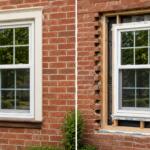
The region experiences sharp temperature swings in late fall, which often amplify hidden air leaks around older window frames. Coastal communities like Lewes, Rehoboth Beach, and Ocean City face additional pressure from salt air and wind-driven rain.
Your Fall Window Checklist
- Inspect window frames for gaps or soft wood
- Test for drafts on windy days
- Check caulking and weatherstripping
- Examine condensation and fogging between panes
- Ensure locks and latches close tightly
- Look for warping caused by humidity
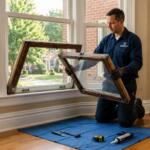
If you notice persistent drafts or visible frame deterioration, fall is the ideal time to replace aging windows—before winter energy costs spike.

2. Doors: Seal Entry Points Before Cold Weather Arrives
Exterior doors are a major source of heat loss, especially in older Mid-Atlantic homes.
What to inspect:
- Light coming through door edges
- Cracked or missing weatherstripping
- Weak locks or sagging hardware
- Moisture damage at the bottom of doors
- Poor threshold alignment
In coastal areas, salty air accelerates corrosion around hinges and handles—fall is the best time to refresh hardware or replace compromised components.

3. Siding: Protect Against Moisture, Mold & Coastal Weather
Why this matters in Delmarva & Hampton Roads
High humidity, storms, and salt exposure can weaken siding materials faster than homeowners realize.
Fall siding tasks:
- Inspect for cracks or warping
- Look for bubbling paint (a sign of trapped moisture)
- Check seams and joints for gaps
- Identify mold or algae growth
- Confirm siding is firmly secured to withstand winter winds
Siding issues that go unaddressed in fall can quickly escalate when freezing temperatures expand moisture inside panels.

4. Roofing: Prepare for Freeze-Thaw & Storm Season
Why Mid-Atlantic roofs need fall attention
The region experiences heavy fall leaves, coastal storms, and early freeze-thaw cycles—each of which can cause roof deterioration.
Fall roof inspection checklist:
- Look for missing or curling shingles
- Examine flashing around chimneys & vents
- Check for soft spots indicating rot
- Inspect soffits and fascia for moisture damage
- Ensure attic ventilation is clear
If you hear dripping in the attic or see interior stains, schedule a professional inspection before winter storms arrive.

5. Gutters: Prevent Water Damage & Foundation Issues
In areas like coastal Delaware and Maryland’s Eastern Shore, fall leaf accumulation can lead to serious drainage problems.
Your fall gutter checklist:
- Clear leaves, branches & debris
- Flush gutters to ensure proper flow
- Check for gutter sagging
- Tighten loose fasteners
- Inspect downspouts for clogs
- Ensure water flows away from the foundation
Neglected gutters contribute to siding damage, foundation erosion, and roof rot—especially during freeze-thaw cycles.
6. Exterior Systems: HVAC, Ventilation & Home Efficiency
- Replace furnace filters
- Check ductwork for leaks
- Clean dryer vents
- Test carbon monoxide detectors
- Inspect exterior vents for blockages
- Schedule a pre-winter HVAC tune-up
Colder months strain HVAC systems; fall preparation can help lower monthly bills.
7. Outdoor Spaces: Prep for Winter Weather
- Drain and store hoses
- Winterize outdoor spigots
- Clean and cover patio furniture
- Inspect decks for soft boards or loose railings
- Trim branches near the roof
- Secure outdoor lighting
- Protect sheds and storage units from moisture
Homeowners in coastal regions should secure loose yard items to prevent wind damage.
8. Regional Sections (For Local Relevance)
Delmarva Homeowners
Salt air, strong winds, and frequent storms make siding and window checks especially important.
DMV Homeowners
Tree-heavy suburbs experience heavy leaf drop—gutters, roofs, and yard debris are priorities.
Hampton Roads Homeowners
High wind speeds and fall storms make roof inspections and siding assessments critical before winter.
Conclusion
Fall home maintenance sets the foundation for a safe, comfortable, and efficient winter—especially in regions like the Mid-Atlantic where temperature swings, storms, and coastal conditions vary dramatically.
Use this checklist as your seasonal guide, and when you identify issues, our team at Thompson Creek is here to help you prepare your home for the months ahead.