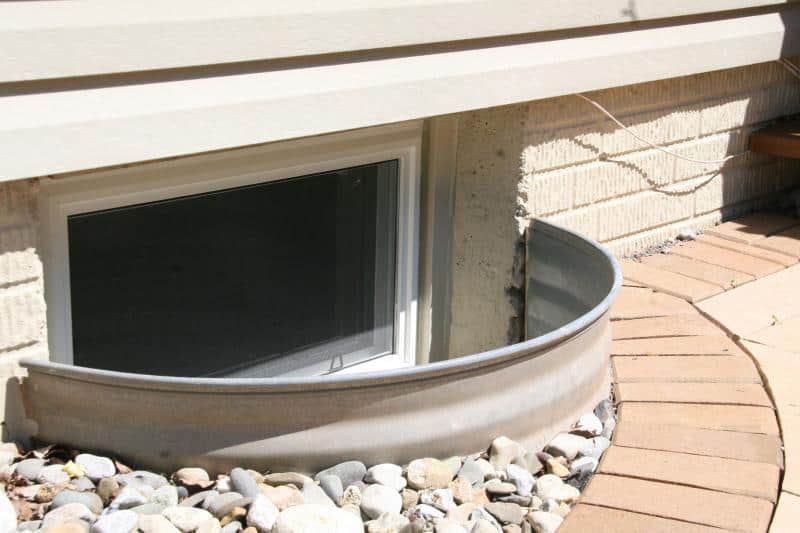
Hopper windows offer Mid-Atlantic homeowners a practical solution for basement ventilation, natural light, and energy efficiency. These bottom-hung windows tilt inward from the top, making them ideal for below-grade spaces where security and moisture control are priorities. Understanding standard hopper window sizes helps you make informed decisions about basement upgrades that improve comfort while protecting your home from humidity and weather extremes common in Maryland, Virginia, and the surrounding region.
Whether you’re finishing a basement, upgrading an outdated window, or addressing moisture concerns, selecting the right hopper window size ensures proper ventilation without compromising security or energy performance. Custom-manufactured hopper windows provide the perfect fit for your home’s unique dimensions while delivering the durability needed for Mid-Atlantic climate conditions.
Standard Hopper Window Size Options
Standard hopper window sizes typically range between 12 and 24 inches in height and 30 to 36 inches in width. This compact sizing makes hopper windows particularly well-suited for basement installations where wall space is limited and window placement needs to accommodate foundation constraints. The relatively small dimensions provide ample natural light while maintaining the structural integrity of your home’s foundation.
The most common hopper window dimensions available include:
- 14′′ H x 12′′ W – Compact size ideal for utility rooms and small basement spaces
- 12′′ H x 30′′ W – Standard basement hopper window for laundry areas
- 24′′ H x 36′′ W – Larger option providing maximum light and ventilation
- 50′′ H x 30′′ W – Extended height for basement living spaces and home offices
While these represent standard sizing, custom windows manufactured to your exact specifications ensure the best fit and performance for your home. Unlike stock windows that may require extensive modification, custom-built hopper windows eliminate gaps that compromise energy efficiency and allow moisture infiltration – critical considerations for basement installations in our region’s humid climate.
Understanding Hopper Window Functionality and Design
Hopper windows operate on a bottom-hung system, with hinges positioned along the lower edge of the frame. When opened, the window tilts inward from the top, creating an angled opening that naturally directs fresh air upward while preventing rain and debris from entering your basement. This inward-opening design offers several advantages over other window types commonly used in homes.
The tilting mechanism provides adjustable ventilation control. You can crack the window slightly for minimal airflow or open it fully when maximum ventilation is needed. This flexibility makes hopper windows particularly effective for moisture management in basements, where stale air and humidity can lead to mold growth and musty odors. Unlike casement windows that swing outward, hopper windows don’t protrude beyond your home’s exterior, protecting them from damage during storms and reducing the risk of breakage.
The inward-opening design also simplifies cleaning and maintenance. Both interior and exterior glass surfaces can be accessed from inside your home, eliminating the need for ladders or exterior access – especially important for basement windows located in window wells or tight spaces.
Key Factors to Consider When Choosing Hopper Window Sizes
Ventilation Requirements
Proper basement ventilation depends on selecting hopper window sizes that provide adequate airflow for your space. Calculate the total square footage of your basement room and aim for window openings that equal approximately 5-8% of the floor area. Larger basement rooms may benefit from multiple smaller hopper windows rather than one large unit, distributing fresh air more effectively throughout the space.
For basements prone to moisture or those housing laundry facilities, water heaters, or other humidity-producing equipment, prioritize ventilation capacity over minimal sizing. Energy-efficient hopper windows with proper seals prevent drafts when closed while delivering robust airflow when opened.
Placement and Installation Location
Building codes typically require basement egress windows for sleeping areas, but hopper windows serve different purposes in utility spaces, storage areas, and non-sleeping basement rooms. Professional installers position hopper windows in the lower portions of basement walls, often just above floor level or within window wells. This placement maximizes natural light penetration while maintaining security.
Consider obstacles like HVAC equipment, water heaters, electrical panels, and plumbing when determining hopper window placement. Windows should be positioned to avoid interference with mechanical systems while providing the ventilation and light your space needs. Thompson Creek’s factory-trained installers evaluate your basement layout to recommend optimal window positioning that complies with local building codes.
Mid-Atlantic Climate Considerations
Basement hopper windows in the Mid-Atlantic region must withstand diverse weather conditions including humid summers, cold winters, coastal storms, and occasional hurricanes. Energy-efficient hopper windows with Low-E glass and argon gas fills help regulate basement temperatures year-round, reducing heating and cooling costs while preventing condensation that leads to mold growth.
Weather-resistant seals and quality construction become even more critical for below-grade installations where water intrusion poses serious risks. Look for hopper windows tested to withstand high wind loads – especially important if you live in coastal Virginia or Maryland areas susceptible to tropical weather systems. Thompson Creek’s custom-manufactured windows include multi-point locking systems and compression seals designed specifically for our region’s challenging climate.
Hopper Window Styles and Hinge Configurations
Bottom-Hung Hopper Windows
The most common hopper window configuration features hinges along the bottom edge with the window tilting inward from the top. This traditional bottom-hung design excels at directing airflow upward while naturally shedding rainwater and blocking debris. When opened, the angled glass creates a shield that prevents leaves, snow, and other outdoor elements from entering your basement.
Bottom-hung hopper windows integrate seamlessly with various architectural styles, from traditional colonial homes to contemporary designs. The clean lines and straightforward operation make them a practical choice for homeowners prioritizing function and reliability.
Specialized Hopper Window Designs
Some manufacturers offer hopper windows with modified hinge placements or dual-action mechanisms, though these variations are less common. The bottom-hung configuration remains the industry standard because it delivers optimal performance for basement applications. When comparing options, focus on construction quality, energy efficiency ratings, and warranty coverage rather than unconventional hinge placements.
Double-hung windows and sliding windows serve different purposes in above-grade applications but aren’t ideal basement solutions. Hopper windows’ inward-tilting design and compact sizing make them the superior choice for below-grade installations where security, moisture resistance, and space efficiency matter most.
Measuring for Your Hopper Window Installation
Accurate measurements ensure your hopper window fits properly and performs as intended. While DIY measurement is possible, professional measurement by experienced installers eliminates costly errors and guarantees your custom windows will fit perfectly on the first attempt.
Rough Opening Requirements
The rough opening for your hopper window should measure approximately 2 inches wider and 2 inches taller than the actual window unit. This additional space accommodates the window frame, allows for proper leveling and shimming, and provides room for insulation around the perimeter. The extra clearance ensures installers can achieve a square, plumb installation that operates smoothly and seals completely.
For example, a 24″ x 36″ hopper window requires a rough opening of approximately 26″ x 38″. However, these measurements can vary based on window manufacturer specifications and frame styles. Custom window manufacturers provide precise rough opening dimensions with your order, eliminating guesswork during installation.
Multiple Measurement Points
Basement walls can settle or shift over time, resulting in openings that aren’t perfectly square or level. Professional installers measure width at the top, middle, and bottom of the opening, then measure height on both left and right sides. Using the smallest measurement in each direction ensures the window will fit even if the opening dimensions vary slightly.
Check the depth of your window well if one exists, ensuring adequate clearance for the window to open fully without hitting the well’s back wall. Window wells should extend at least 6-8 inches beyond the maximum opening arc of your hopper window.
Professional Measurement Benefits
Thompson Creek provides free in-home consultations where factory-trained specialists measure your existing windows, assess your basement’s unique characteristics, and recommend the optimal hopper window size for your needs. This service eliminates the risk of ordering incorrectly sized windows while ensuring your new windows integrate seamlessly with your home’s existing structure.
Custom window manufacturing based on professional measurements means your hopper windows arrive ready for efficient installation with perfect fit guaranteed. No wall surgery, no unexpected complications, no delays waiting for correctly sized replacements.
Energy Efficiency in Hopper Windows
ENERGY STAR® Certification for Basement Windows
Energy-efficient basement hopper windows reduce utility costs while improving comfort in below-grade living spaces. Windows exceeding ENERGY STAR® criteria feature advanced glazing technologies, low-conductivity frames, and superior seals that prevent air leakage. In Mid-Atlantic homes where basements often feel damp and chilly in winter or muggy in summer, high-performance hopper windows help regulate temperature and humidity.
Look for hopper windows with U-factors of 0.30 or lower and Solar Heat Gain Coefficients (SHGC) appropriate for our mixed climate zone. Low-E glass coatings reflect heat back into your basement during winter while reducing solar heat gain during summer. These features work together to maintain consistent basement temperatures year-round.
Argon Gas Fills and Multi-Pane Glazing
Quality hopper windows incorporate argon gas between double or triple-pane glass. Argon’s density exceeds that of regular air, creating superior insulation that slows heat transfer through the window. This technology is particularly valuable in basement applications where temperature differentials between indoor and outdoor environments can be significant.
Double-pane hopper windows with argon fills offer excellent performance for most Mid-Atlantic basement applications. Triple-pane options provide maximum insulation for finished basements used as living spaces, home offices, or bedrooms, though they come at higher cost.
Condensation Prevention
Basement humidity combined with cold glass surfaces creates condensation problems in poorly insulated windows. Moisture accumulation on window frames and glass promotes mold growth, damages surrounding materials, and degrades indoor air quality. Energy-efficient hopper windows with warm-edge spacer technology keep interior glass temperatures above the dew point, virtually eliminating condensation issues.
Proper ventilation through your hopper windows also reduces overall basement humidity levels. Opening windows periodically allows moisture-laden air to escape while fresh, drier air circulates through the space. This natural ventilation complements mechanical dehumidification systems and helps protect your basement from moisture damage.
Security Features in Basement Hopper Windows
Multi-Point Locking Systems
Basement windows present potential security vulnerabilities, making robust locking mechanisms essential. Modern hopper windows incorporate multi-point locking systems that engage at multiple locations around the frame perimeter when locked. This distributed locking provides superior security compared to single-latch designs while improving compression and seal quality.
The inward-opening design of hopper windows inherently offers security advantages. When closed and locked, the window compresses firmly against weather-stripping around the entire frame, making forced entry from outside extremely difficult. Would-be intruders cannot pry or jimmy the window open without causing obvious damage.
Tempered and Laminated Glass Options
Consider tempered or laminated glass for basement hopper windows in areas where break-ins are a concern. Tempered glass is 4-5 times stronger than standard window glass and crumbles into small, relatively harmless pieces if broken, reducing injury risk. Laminated glass consists of two glass layers bonded to a plastic interlayer that holds fragments together even when shattered, creating a barrier that resists penetration.
These safety glass options add minimal cost while providing significant security benefits for below-grade windows. They also offer enhanced noise reduction and additional protection against severe weather, making them worthwhile investments for any basement window installation.
Proper Installation for Maximum Security
Even the most secure window becomes vulnerable if improperly installed. Professional installation ensures hopper windows are firmly anchored to framing members, frames are level and square, and locking mechanisms operate smoothly. Gaps around the window perimeter should be filled with low-expansion foam insulation that doesn’t interfere with window operation or compromise frame integrity.
Window wells protecting basement hopper windows should include covers when windows are opened, preventing accidental falls and providing additional security. Polycarbonate window well covers allow light transmission while blocking access from above.
Hopper Windows for Mid-Atlantic Basement Applications
Moisture and Mold Prevention
Basements in Maryland, Virginia, Washington D.C., and surrounding areas face persistent humidity challenges due to our regional climate. Summer humidity often exceeds 70%, creating ideal conditions for mold growth in poorly ventilated below-grade spaces. Properly sized and positioned hopper windows combat moisture problems by facilitating air exchange that reduces humidity levels naturally.
Opening hopper windows during mild weather creates cross-ventilation when combined with windows or doors on opposite sides of your basement. This airflow flushes out stale, humid air while bringing in fresh outside air. Regular ventilation helps maintain basement humidity below the 50-60% range where mold thrives.
Energy-efficient hopper windows also prevent the interior condensation that contributes to mold growth. Cold glass surfaces in winter attract moisture from warm basement air, creating water droplets that run down onto sills and frames. High-performance windows with warm-edge technology maintain warmer interior glass temperatures, dramatically reducing or eliminating condensation problems.
Storm Resistance and Weather Protection
Mid-Atlantic homeowners face hurricane-force winds, coastal storms, and severe thunderstorms that test window durability. Basement hopper windows must withstand driving rain, high winds, and debris without leaking or failing. Look for windows tested to meet or exceed AAMA (American Architectural Manufacturers Association) standards for air infiltration, water penetration, and structural performance.
The inward-opening design of hopper windows naturally sheds rain when closed, with exterior weatherstripping creating a primary barrier against water intrusion. When properly installed, quality hopper windows remain watertight even during heavy storms that cause other basement moisture problems.
For coastal Virginia and Maryland areas, consider hopper windows with impact-resistant glass or reinforced frames designed for high-wind zones. While basement windows may be partially protected by grade level, investing in storm-resistant construction provides peace of mind and may qualify for insurance discounts in high-risk areas.
Year-Round Comfort in Finished Basements
Finished basements serving as home offices, entertainment spaces, bedrooms, or rental units require the same comfort standards as above-grade living areas. Properly sized hopper windows bring natural light into below-grade spaces that might otherwise feel dark and confined. Even relatively small hopper windows significantly improve basement ambiance compared to windowless spaces.
Ventilation becomes especially important in finished basements where occupants spend extended time. Stale air and elevated CO2 levels create uncomfortable conditions and can cause headaches or fatigue. Openable hopper windows provide fresh air without the operating costs and noise of mechanical ventilation systems.
Hopper Window Replacement vs. New Construction
Replacement Window Installations
Most basement hopper window projects involve replacing existing windows rather than cutting new openings. Replacement windows fit within existing frames and rough openings, minimizing installation time and avoiding extensive masonry or foundation work. Custom-sized replacement hopper windows match your current opening dimensions precisely, ensuring proper fit without expensive modifications.
Replacement installations typically complete in a few hours per window. Installers remove old window units, clean and prepare the existing frame, install the new hopper window, insulate around the perimeter, and complete interior and exterior finishing. When measurements are accurate and windows are custom-built for your openings, the process proceeds smoothly with minimal disruption.
New Construction Hopper Windows
Adding basement windows where none existed requires creating new rough openings in your foundation or basement walls. This involves cutting through concrete or masonry, installing proper framing, and ensuring structural integrity. New construction hopper window installations take longer and cost more than replacements but may be necessary to meet building codes, improve ventilation, or add natural light to previously windowless spaces.
If you’re finishing a basement and need to add egress windows for bedrooms, consult local building codes regarding minimum window sizes and placement. While hopper windows themselves don’t typically meet egress requirements due to their inward-opening design, they work well as supplemental windows providing light and ventilation in non-sleeping areas.
Thompson Creek specializes in custom replacement windows designed specifically for Mid-Atlantic homes. Our factory-trained installation crews understand regional building requirements and handle both replacement and new construction projects with expertise.
Choosing the Right Hopper Window Contractor
Custom Manufacturing Advantages
Off-the-shelf hopper windows from big box stores might seem economical, but stock sizing rarely matches your basement’s exact dimensions. Gaps around improperly fitted windows allow air and moisture infiltration, defeating the purpose of window replacement. Custom-manufactured windows built to your precise measurements eliminate these problems while delivering superior performance.
Working with a manufacturer who designs, builds, and installs windows ensures accountability throughout the process. You deal with one company from initial consultation through warranty service, avoiding the finger-pointing that occurs when manufacturers blame installers and vice versa for problems.
Professional Installation Matters
Even the best window fails to perform if installed incorrectly. Professional installation ensures windows are level, square, properly insulated, and securely fastened. Experienced installers understand local building codes, know how to address common Mid-Atlantic foundation types, and complete work efficiently without damage to your home.
Look for contractors employing factory-trained installation crews rather than subcontractors with varying skill levels. Company employees typically receive better training and maintain higher quality standards than third-party installers with less oversight.
Warranty Coverage for Peace of Mind
Comprehensive warranties covering both product and installation protect your investment long-term. Verify warranty terms before committing to any window purchase, paying particular attention to coverage duration, what components are covered, and whether labor is included for warranty repairs.
Industry-leading warranties span 50 years, covering window failure, seal failure, hardware problems, and installation defects. Transferable warranties add value when selling your home, making quality windows an investment that pays dividends beyond energy savings and comfort improvements.
Frequently Asked Questions About Hopper Window Sizes
What is the smallest hopper window size available?
Compact hopper windows as small as 12″ x 12″ are available for tight spaces, though 14″ x 18″ represents a more common minimum size that provides better ventilation and light transmission. Custom sizing allows you to specify dimensions that fit your exact requirements while meeting local building codes.
Can hopper windows serve as emergency exits?
Due to their inward-opening design and typically small sizing, hopper windows don’t meet egress requirements for emergency escape from basement bedrooms. Building codes require egress windows with minimum opening sizes (typically 5.7 square feet), maximum sill heights (typically 44 inches), and minimum opening widths and heights that hopper windows rarely achieve. Use hopper windows for ventilation and light in non-sleeping areas while installing proper egress windows where codes require them.
How do I determine the right hopper window size for my basement room?
Calculate total square footage of the room and aim for window opening area equal to 5-8% of floor space for adequate ventilation. A 200-square-foot basement room benefits from approximately 10-16 square feet of openable window area. Multiple smaller hopper windows often work better than one large unit, distributing light and ventilation more effectively.
Are larger hopper windows more energy-efficient than smaller ones?
Window size has minimal impact on energy efficiency compared to glass technology, frame materials, and installation quality. A large hopper window with premium Low-E glass and proper installation outperforms a small window with basic glazing and poor installation. Focus on ENERGY STAR® certification, U-factor ratings, and quality construction rather than size when evaluating energy efficiency.
What’s the cost difference between standard and custom hopper window sizes?
Custom-sized hopper windows typically cost 10-20% more than stock sizes, but this modest premium delivers perfect fit, better performance, and easier installation. Factoring in the labor and material costs to modify openings for stock windows often eliminates any apparent savings, making custom sizing the more economical choice overall.
Do hopper windows work in finished basement living spaces?
Absolutely. Hopper windows provide excellent ventilation, natural light, and moisture control in finished basements used as home offices, entertainment areas, gyms, or living spaces. Their compact size and secure design make them ideal for below-grade applications where traditional window styles may not fit or function properly.
Why Choose Thompson Creek for Basement Hopper Windows
Thompson Creek custom-manufactures replacement windows in our Maryland facility specifically designed for Mid-Atlantic climate conditions. Our hopper windows exceed ENERGY STAR® 2022 criteria and come with our 50-year No-Hassle Warranty covering both products and installation. Factory-trained crews ensure proper measurement, precise installation, and complete accountability from design through warranty service, eliminating the middleman markup and hassles of working with multiple vendors.
Ready to upgrade your basement windows? Schedule your free consultation today and discover why Mid-Atlantic homeowners have trusted Thompson Creek for over 40 years. Our custom-manufactured hopper windows provide the perfect combination of ventilation, security, and energy efficiency with professional installation you can count on.