If you’ve experienced a Richmond summer, you understand the struggle with oppressive humidity. That thick, suffocating air transforms your home into an uncomfortable sauna, driving up energy bills as your AC works overtime. When indoor humidity climbs above comfortable levels, many homeowners instinctively open windows hoping for relief. But does this actually help reduce indoor humidity, or does it worsen the problem?
The answer depends entirely on timing and outdoor conditions. Richmond’s humid subtropical climate creates unique challenges for homeowners, with summer humidity averaging 70-77% and temperatures regularly exceeding 90°F. Understanding when to open windows—and when to keep them sealed—can dramatically improve your home’s comfort while reducing energy costs. Even more importantly, investing in energy-efficient replacement windows designed for Virginia’s humid climate offers a permanent solution to condensation, comfort, and energy waste.
Understanding Richmond’s Unique Humidity Challenges
Richmond ranks among Virginia’s most humid cities, particularly during the extended summer season from May through October. Average relative humidity peaks at 77% in August, while July temperatures frequently hit the low 90s—creating a heat index that feels like 95-100°F. This combination of heat and moisture creates uncomfortable indoor conditions and triggers multiple home maintenance problems.
Why Richmond’s Humidity is Different:
- Geographical factors: Proximity to the James River and Chesapeake Bay increases moisture content in local air masses
- Climate classification: Richmond’s humid subtropical climate (Köppen: Cfa) means no dry season and consistent year-round moisture
- Seasonal persistence: Six-month humid season is one of the longest in the Mid-Atlantic region
- Temperature amplification: High humidity makes temperatures feel 5-10 degrees warmer than actual thermometer readings
Home Impact of High Humidity:
- Window condensation and potential frame damage
- Mold and mildew growth on walls, ceilings, and window sills
- Musty odors throughout living spaces
- Increased strain on HVAC systems leading to higher energy bills
- Warped wood furniture and flooring
- Difficulty maintaining comfortable indoor temperatures
For Richmond homeowners, managing indoor humidity isn’t just about comfort—it’s about protecting your home investment and controlling energy costs throughout the lengthy humid season.
The Science of Windows and Humidity Control
Opening windows can either alleviate or exacerbate humidity problems depending on outdoor conditions. The critical factor is the relationship between indoor and outdoor humidity levels combined with temperature differentials.
When Opening Windows Helps:
- Early morning hours (5am-8am): Outdoor humidity often drops below indoor levels as temperatures cool overnight
- Late evening (8pm-11pm): Similar conditions as morning, with cooler, drier air available
- After rain events: Once precipitation stops, outdoor humidity temporarily decreases as saturated air clears
- Windy days with lower humidity: Strong air movement can facilitate beneficial air exchange
When Opening Windows Hurts:
- Peak afternoon hours (11am-5pm): Richmond’s outdoor humidity reaches highest levels when combined with heat
- During active rain: Introduces maximum moisture directly into your home
- When outdoor humidity exceeds 70%: Air exchange brings more moisture inside than it removes
- Hot, still days: Stagnant humid air provides no ventilation benefit
The Temperature-Humidity Connection: Understanding dew point is crucial. When dew point exceeds 65°F (common in Richmond summers), outdoor air feels uncomfortably muggy. Opening windows during these conditions floods your home with moisture-laden air that your AC must then work harder to dehumidify—increasing energy consumption significantly.
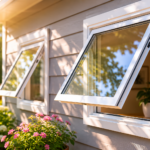
Cross-Ventilation Strategy: When conditions are favorable for opening windows, maximize effectiveness through strategic cross-ventilation. Open windows on opposite sides of your home to create airflow. Position windows at different heights when possible—cooler air enters through lower openings while warm air exits through higher windows. This natural convection enhances air exchange and humidity reduction.
However, even perfect window management cannot overcome Richmond’s extended humid season. The most effective solution combines smart ventilation with energy-efficient windows designed specifically for humid climates.
The Condensation Connection: Windows and Moisture Problems
Window condensation serves as a visible indicator of both humidity problems and window inefficiency. When warm, moisture-laden indoor air contacts cold window glass, water vapor condenses into visible droplets. This phenomenon causes multiple problems beyond unsightly windows.
Why Condensation Matters:
- Structural damage: Persistent moisture rots wood window frames and sills
- Mold growth: Damp window areas create perfect conditions for mold and mildew
- Reduced visibility: Foggy windows block natural light and views
- Energy waste: Condensation indicates heat transfer through inefficient windows
- Interior damage: Water runoff damages walls, curtains, and flooring below windows
The Physics of Window Condensation: Single-pane windows and older double-pane windows with failed seals allow significant heat transfer. In summer, outdoor heat transfers through glass, warming interior surfaces. In winter, indoor warmth escapes, cooling interior glass surfaces. Both scenarios create temperature differentials that trigger condensation when combined with indoor humidity.
Modern Window Technology Prevents Condensation:
Energy-efficient replacement windows eliminate condensation through multiple integrated technologies. Double or triple-pane glass with inert gas fills (argon or krypton) creates insulating barriers that maintain consistent interior glass temperatures. Low-E coatings reflect heat while allowing visible light transmission, further stabilizing surface temperatures.
Multi-chamber vinyl frames provide superior insulation compared to older aluminum or wood frames. These chambers trap air pockets that resist heat transfer, keeping interior frame surfaces closer to room temperature. Advanced weather stripping and professional installation ensure airtight seals that prevent moisture infiltration around window perimeters.
Thompson Creek’s custom-manufactured windows feature all these technologies, specifically engineered for Mid-Atlantic humidity challenges. Our windows are tested to withstand winds up to 146 mph while maintaining weather-tight seals that prevent both air and moisture infiltration.
Smart Solutions for Managing Richmond’s Indoor Humidity
Comprehensive humidity management requires a multi-pronged approach combining smart window usage, mechanical dehumidification, and long-term infrastructure improvements.
Immediate Actions for Humidity Control:
Strategic window timing: Monitor outdoor humidity before opening windows. Invest in an inexpensive indoor/outdoor hygrometer to track humidity levels. Only ventilate when outdoor humidity is below 60% and lower than current indoor levels.
Exhaust fan utilization: Run bathroom exhaust fans during and for 20 minutes after showers. Use kitchen exhaust fans while cooking, especially when boiling water or using the dishwasher. These fans remove moisture at the source before it spreads throughout your home.
HVAC optimization: Set your AC to “auto” rather than “on” to allow proper dehumidification cycles. Change filters monthly during humid season to maintain efficiency. Consider a programmable thermostat that can adjust settings based on humidity levels.
Dehumidifier deployment: For persistent humidity problems, a whole-house dehumidifier integrated with your HVAC system provides consistent humidity control. Portable dehumidifiers work for specific problem areas like basements.
Source moisture reduction: Take shorter, cooler showers. Fix plumbing leaks promptly. Vent clothes dryers to the outside. Avoid line-drying laundry indoors. Move moisture-loving houseplants outside during summer months.
Long-Term Solutions:
While these tactics help manage humidity, they’re essentially treating symptoms rather than causes. Older, inefficient windows remain the primary culprit in humidity problems. They allow:
- Uncontrolled air infiltration bringing outdoor moisture inside
- Temperature differentials that trigger condensation
- Heat transfer that forces your AC to work harder
- Energy waste that increases cooling costs by 25-40%
The permanent solution is energy-efficient replacement windows custom-manufactured for Richmond’s specific climate challenges. Quality windows provide the foundation for effective humidity control by creating a properly sealed, insulated building envelope.
Thompson Creek’s Energy-Efficient Window Solutions for Richmond Humidity
Thompson Creek manufactures replacement windows specifically engineered for Mid-Atlantic climate extremes—including Richmond’s challenging summer humidity. Unlike mass-produced windows, every Thompson Creek window is custom-built in our 70,000 sq ft Maryland facility to your home’s exact specifications.
Climate-Specific Design Features:
Multi-Chamber Frame Technology: Our vinyl frames feature multiple internal chambers that trap air, creating superior insulation barriers. This design maintains consistent interior surface temperatures, eliminating the condensation that plagues older windows. The advanced geometry provides thermal performance superior to traditional frames while resisting warping in high humidity.
Advanced Low-E Glass Coatings: Thompson Creek windows exceed ENERGY STAR® 2022 criteria through multiple Low-E coating options. These microscopic metallic layers reflect infrared heat while allowing visible light transmission. In Richmond’s summer, this means blocking outdoor heat gain while maintaining bright, comfortable interiors—reducing AC workload significantly.
Weather-Tight Triple Seal System: Our proprietary sealing system creates three barriers against air and moisture infiltration. Compression bulb seals, fin seals, and interlock seals work together to achieve industry-leading air infiltration ratings. This comprehensive sealing prevents humid outdoor air from entering your home even during Richmond’s most oppressive summer days.
Gas-Fill Insulation: Inert argon or krypton gas fills between glass panes provide superior insulation compared to air-filled spaces. These dense gases slow heat transfer, further stabilizing interior glass temperatures and preventing condensation while dramatically improving energy efficiency.
Custom Manufacturing Advantage: Unlike stock windows that require on-site adjustments, Thompson Creek windows are measured and manufactured specifically for each opening in your home. This precision ensures perfect fits with no gaps where humid air can infiltrate. Custom sizing also means optimal structural integrity and performance for Richmond’s wind-driven rain events.
Proven Wind and Water Resistance: All Thompson Creek windows undergo rigorous AAMA testing and are certified to withstand wind speeds up to 146 mph. This structural strength ensures weather-tight performance during severe storms while maintaining energy efficiency and preventing water infiltration that contributes to indoor humidity problems.
50-Year No-Hassle Warranty: We back our windows with an industry-leading 50-year warranty covering both products and installation. This comprehensive protection demonstrates our confidence in window performance and provides Richmond homeowners peace of mind that their humidity solution will last decades.
The Installation Advantage: Why Professional Installation Matters
Even the highest-quality energy-efficient windows fail to perform if improperly installed. Thompson Creek’s complete accountability model ensures perfect installation through our factory-trained installation teams.
Professional Installation Benefits:
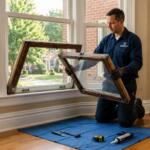
Precise Fitting: Our installers verify measurements on-site before installation begins. Custom-manufactured windows fit perfectly into prepared openings with uniform gaps for proper sealing. This precision prevents the air leaks common with retrofit installations.
Complete Air Sealing: Thompson Creek uses low-expansion foam insulation around entire window perimeters, creating continuous thermal and moisture barriers. Unlike minimal caulking used by many installers, our comprehensive sealing approach prevents humid air infiltration at every potential entry point.
Structural Integrity: Proper installation ensures windows maintain structural strength and weatherproofing over decades. Our installers level and shim windows correctly, preventing stress that could compromise seals or cause operational problems.
Interior and Exterior Finishing: Professional installation includes proper flashing, trim work, and finishing that completes the weather-tight envelope while enhancing your home’s appearance. These details prevent water infiltration routes that could lead to interior humidity problems.
Performance Verification: Before leaving your home, Thompson Creek installers test every window for smooth operation, proper sealing, and correct locking mechanisms. This quality assurance ensures your new windows deliver the energy efficiency and humidity control you expect.
Single-Source Accountability: Unlike competitors who outsource installation or separate manufacturing from service, Thompson Creek handles everything. We design it, build it, install it, and service it. If any issues arise, there’s one number to call and one company responsible—no finger-pointing between manufacturers and contractors.
This complete accountability extends through our 50-year warranty period, ensuring your investment in humidity-fighting replacement windows protects your Richmond home for decades.
Making the Right Choice for Your Richmond Home
Selecting replacement windows for Richmond’s humid climate requires understanding specific performance criteria that impact both comfort and energy costs.
Critical Window Performance Metrics:
U-Factor (Insulation Rating): U-Factor measures how well windows prevent heat transfer. Lower numbers indicate better insulation. For Richmond’s climate (ENERGY STAR® Zone 4), target U-Factor of 0.30 or lower. Thompson Creek windows achieve U-Factors as low as 0.24, providing exceptional insulation that prevents condensation-causing temperature differentials.
Solar Heat Gain Coefficient (SHGC): SHGC measures solar radiation admitted through windows. Richmond’s hot summers require windows with SHGC of 0.40 or below to minimize heat gain while still allowing natural light. Thompson Creek’s Low-E coatings provide optimal SHGC ratings that reduce cooling costs without darkening interiors.
Air Leakage Rating: This metric measures how much air passes through window assemblies. Lower numbers indicate tighter seals crucial for humidity control. Thompson Creek windows achieve air leakage ratings as low as 0.01, preventing infiltration of humid outdoor air.
Condensation Resistance: This rating (1-100 scale) indicates windows’ resistance to condensation formation. Higher numbers mean better performance. Thompson Creek windows score 50+, preventing the condensation problems common with older Richmond windows.
ENERGY STAR® Certification: All Thompson Creek windows exceed current ENERGY STAR® criteria for the Mid-Atlantic region, guaranteeing tested, verified performance in Richmond’s climate conditions.
ROI of Energy-Efficient Windows:
Richmond homeowners investing in Thompson Creek replacement windows typically experience:
- 15-20% reduction in annual energy costs through improved insulation and reduced HVAC workload
- Elimination of window condensation that previously caused maintenance problems and potential mold growth
- Improved indoor comfort with more consistent temperatures and better humidity control
- Enhanced home value with windows backed by transferable 50-year warranty
- Reduced maintenance compared to wood windows requiring painting or aluminum windows showing corrosion
Beyond Energy Savings:
Quality replacement windows provide benefits extending far beyond utility bill reductions. They improve indoor air quality by preventing moisture problems that trigger mold and mildew. They reduce outside noise infiltration—important for Richmond homes near busy streets. They enhance home security through modern locking systems. And they dramatically improve curb appeal with clean, contemporary styling that updates your home’s exterior appearance.
Financing Options: Thompson Creek offers flexible financing programs that make energy-efficient window replacement affordable for Richmond homeowners. Monthly energy savings often offset financing costs, essentially making your new windows pay for themselves while immediately improving home comfort.
Frequently Asked Questions About Richmond Humidity and Windows
When is the best time of year to replace windows in Richmond?
Fall (September-November) and spring (March-May) offer ideal weather for installation, but Thompson Creek installs professional-quality replacement windows year-round. Our experienced installers use techniques that fully protect your home during installation regardless of season. Installing before summer provides maximum benefit for the upcoming humid season by improving air conditioning efficiency when you need it most.
How long do energy-efficient replacement windows last in Richmond’s humid climate?
Quality vinyl replacement windows like Thompson Creek’s are engineered to last 30-50 years or more in humid climates. Our windows resist moisture-related damage that degrades wood windows and don’t corrode like aluminum frames in high-humidity environments. The 50-year No-Hassle Warranty provides the longest protection in the industry, demonstrating our confidence in long-term performance specifically in climates like Richmond’s.
Will new windows completely eliminate my need for a dehumidifier?
Energy-efficient replacement windows dramatically reduce humidity problems by preventing outdoor moisture infiltration and eliminating condensation, but may not completely eliminate dehumidifier needs during Richmond’s peak humid months (July-August). However, you’ll likely run dehumidifiers far less frequently and at lower settings, reducing associated energy costs. Combined with proper HVAC operation and smart ventilation practices, new windows typically reduce indoor humidity to comfortable levels (40-50%) naturally.
Can I replace just a few windows, or should I do the whole house?
While replacing all windows provides maximum energy efficiency and aesthetic consistency, prioritizing certain windows makes sense for budget-conscious Richmond homeowners. Focus first on:
- South and west-facing windows receiving maximum sun exposure and heat gain
- Bedroom windows where comfort impacts sleep quality
- Windows showing visible condensation or moisture damage
- Living areas where you spend most time
Thompson Creek offers flexible project sizing and financing options that make comprehensive window replacement accessible for every budget.
How much will replacement windows reduce my energy bills in Richmond?
Most Richmond homeowners experience 15-20% reduction in annual energy costs after installing Thompson Creek energy-efficient replacement windows. Actual savings depend on factors including:
- Number and size of windows replaced
- Age and condition of previous windows
- Your home’s insulation levels
- HVAC system efficiency
- Thermostat settings and usage patterns
With Richmond’s extended cooling season and high humidity requiring significant AC usage, energy savings typically exceed $300-600 annually for average-sized homes, providing strong return on investment.
Do Thompson Creek windows help with noise reduction too?
Yes! The same features that improve energy efficiency and humidity control—multiple glass panes, gas fills, and superior sealing—also significantly reduce outside noise infiltration. Richmond homeowners near busy streets, highways, or airports notice substantial noise reduction with Thompson Creek replacement windows, creating quieter, more peaceful indoor environments.
Why Choose Thompson Creek for Richmond Humidity Solutions
For over 40 years, Thompson Creek has served Mid-Atlantic homeowners with custom-manufactured windows specifically designed for regional climate challenges. Our complete manufacturing and installation accountability means you work with one company from consultation through warranty service—no finger-pointing between manufacturers and contractors.
Every Thompson Creek window is custom-built in our Maryland facility using advanced equipment and quality materials, then professionally installed by our factory-trained teams. This vertical integration ensures quality control at every step while eliminating the middleman markup you’d pay competitors using dealer networks.
Ready to upgrade your Richmond home with humidity-fighting energy-efficient windows? Schedule your free consultation today and discover why Richmond-area homeowners have trusted Thompson Creek for decades. Our custom-manufactured windows come with a 50-year No-Hassle Warranty and professional installation you can count on.
Schedule Your Free Consultation | Call (240) 623-9458 | Learn More About Our Richmond Services