Picture windows, bay windows, and garden windows transform Mid-Atlantic homes by maximizing natural light and creating a seamless connection to the outdoors. Whether you’re framing a scenic garden view, adding architectural character to a historic home, or creating a sunny kitchen greenhouse, these specialty windows deliver both beauty and function. Each design offers unique benefits tailored to different spaces and homeowner needs.
Understanding the differences between these three window styles helps you make the right choice for your Maryland, Virginia, or DC home. From energy efficiency to space optimization, picture, bay, and garden windows each bring distinct advantages that can enhance your home’s comfort, value, and curb appeal.
What Is a Picture Window?
A picture window earns its name from the way it frames outdoor views like a living work of art. These energy-efficient replacement windows feature a single, large pane of fixed glass that floods interior spaces with natural light while showcasing your home’s surroundings.
Picture windows are the largest standard window option available for residential homes. While they don’t open for ventilation, their fixed design makes them superior insulators compared to operable windows. The absence of moving parts eliminates potential air leakage points, resulting in exceptional energy performance—crucial for Mid-Atlantic homes facing temperature swings from humid summers to cold winters.
Key Benefits of Picture Windows:
- Superior energy efficiency: Fixed seals prevent air infiltration, with U-factors typically ranging from 0.25-0.30 for high-performance models
- Maximum natural light: Large glass surface reduces need for daytime artificial lighting, potentially lowering electricity costs
- Unobstructed views: No mullions, grilles, or hardware blocking your sightlines
- Enhanced security: Permanently sealed design resists tampering better than operable windows
- Strong ROI: Window replacement projects typically deliver 70-76% return on investment at resale
Picture windows work beautifully in living rooms, dining areas, and spaces with stunning outdoor views. Pair them with casement windows or double-hung windows nearby to maintain ventilation options while maximizing your view and light.
What Is a Bay Window?
Bay windows project outward from your home’s exterior wall, creating a three-dimensional alcove that adds both interior space and architectural drama. These multi-panel windows typically consist of a large center picture window flanked by two angled side windows that can open for ventilation.
The classic bay window configuration features three panels arranged at 25-45 degree angles, though custom designs can incorporate additional panels for a more dramatic effect. Thompson Creek bay windows combine our custom-manufactured picture windows with your choice of casement or double-hung side panels, all built to exact specifications in our Maryland facility.
Key Benefits of Bay Windows:
- Added square footage: Projects 12-24 inches from exterior wall without major structural addition
- Abundant natural light: Multiple angles capture sunlight throughout the day
- Versatile functionality: Side panels open for cross-ventilation while center remains fixed
- Architectural character: Instantly elevates curb appeal and home value
- Built-in seating potential: Window seat area perfect for reading nooks or storage
Bay windows are popular in traditional and colonial-style homes throughout Maryland, Virginia, and Washington, DC. The projection creates ideal spots for window seats, indoor gardens, or display areas while the angled glass maximizes views in multiple directions.
For Mid-Atlantic climate conditions, bay windows require proper installation with structural support and weather-resistant flashing to prevent leaks. Thompson Creek’s factory-trained installation teams ensure your bay window withstands harsh weather while maintaining energy efficiency with Low-E glass and argon gas fills.
What Is a Garden Window?
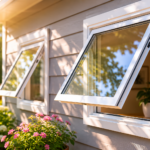
Garden windows are compact, box-shaped windows that extend 12-16 inches from your exterior wall, creating a mini-greenhouse effect ideal for growing herbs, succulents, or displaying decorative items. Often installed above kitchen sinks, these charming windows combine the projection benefits of bay windows with practical plant-growing features.
Unlike bay windows that extend downward from floor level, garden windows project at a 90-degree angle and include a glass roof panel that captures overhead sunlight. Side panels typically operate on hinges for ventilation, while interior shelves provide space for plants or kitchenware.
Key Benefits of Garden Windows:
- Perfect for plants: Glass roof and sides create greenhouse conditions for year-round growing
- Compact footprint: Smaller than bay windows, fitting standard window openings
- Kitchen functionality: Ideal location above sinks for herb gardens and natural light
- Easy ventilation: Operable side panels provide fresh air when needed
- Cost-effective: Lower installation costs than full bay windows
Garden windows work exceptionally well in kitchens, bathrooms, and small spaces where you want to maximize light without the full commitment of a bay window. They’re particularly popular with homeowners interested in year-round herb gardening or those seeking to brighten darker kitchen areas.
For Mid-Atlantic homes, ensure your garden window includes proper drainage for plant watering and adequate ventilation to prevent condensation buildup during humid summer months. Thompson Creek custom-builds garden windows with quality materials designed to handle our region’s weather extremes.
Comparing Picture, Bay, and Garden Windows
Each window style serves different purposes and spaces. Here’s how they stack up:
Picture Windows excel in energy efficiency and unobstructed views but offer no ventilation. Best for: Living rooms, dining areas, spaces with existing ventilation from other windows. Energy rating: Highest (U-factor 0.25-0.30 for quality models). Cost: Most economical option. Estimated ROI: 70-76% based on industry data.
Bay Windows provide added floor space and architectural impact with good energy efficiency when properly installed. Best for: Master bedrooms, dining rooms, living areas where you want seating nooks. Energy rating: Good (U-factor 0.30-0.40 with proper installation). Cost: Higher due to structural requirements. Estimated ROI: Similar to standard vinyl window replacement at 70-76%.
Garden Windows create mini-greenhouses perfect for plants with compact design. Best for: Kitchens, bathrooms, compact spaces above sinks or counters. Energy rating: Good (U-factor 0.30-0.40). Cost: Mid-range pricing. Estimated ROI: Comparable to standard window replacement.
All three styles are available with ENERGY STAR® certified glass packages including Low-E coatings, argon gas fills, and triple-pane options for maximum efficiency in the Mid-Atlantic climate.
Energy Efficiency Considerations for Mid-Atlantic Homes
Mid-Atlantic homeowners face unique climate challenges—sweltering, humid summers and cold, damp winters—that make energy-efficient windows essential. According to the U.S. Department of Energy, windows can account for 25-30% of residential heating and cooling energy use, making upgrades a smart investment.
Picture windows lead in energy performance due to their fixed design. Without moving parts or weather-stripping that degrades over time, picture windows maintain consistent seals. Thompson Creek picture windows exceed ENERGY STAR® criteria and withstand winds up to 146 mph—crucial protection during Mid-Atlantic storms.
Bay and garden windows require careful installation to prevent air leakage at joints where panels meet. Quality construction with properly sealed connections, structural support, and weather-resistant materials ensures these projecting windows perform well despite their complexity. Our Maryland-manufactured windows include warm-edge spacers and multi-chambered frames that resist heat transfer.
Energy-saving features to prioritize:
- Low-E (low-emissivity) glass coatings that reflect heat while allowing visible light
- Argon or krypton gas fills between panes for superior insulation
- Triple-pane glass packages for maximum thermal protection (especially for north-facing windows)
- Proper installation by factory-trained professionals to prevent air leakage
- ENERGY STAR® certification ensuring products meet strict efficiency standards
According to ENERGY STAR, homes in the Mid-Atlantic’s North-Central Zone can save up to 20% in heating and cooling costs—approximately $236 annually—when replacing single-pane windows with energy-efficient versions.
ROI and Home Value Impact
Replacement windows consistently rank among the highest-ROI home improvement projects. According to the Journal of Light Construction’s 2025 Cost vs. Value Report, vinyl replacement windows recover approximately 76% of their cost at resale, while wood windows recover about 70%.
Picture windows offer strong ROI with lower installation costs and broad appeal to buyers seeking natural light and energy efficiency. The fixed design means fewer maintenance concerns for future homeowners.
Bay windows return a comparable percentage to standard window replacement while adding architectural distinction that differentiates your home in competitive markets. The added square footage and built-in seating features are particularly attractive to families and those seeking character in newer construction or renovated properties.
Garden windows offer similar ROI percentages, especially appealing to buyers interested in sustainable living, indoor gardening, and modern farmhouse aesthetics. Their kitchen placement—the most scrutinized room during home sales—maximizes visibility to potential buyers.
Beyond resale value, these windows provide immediate quality-of-life improvements: reduced energy bills, enhanced natural lighting, better views, and increased living comfort. For Mid-Atlantic homeowners planning to stay in their homes 5+ years, the combined energy savings and eventual resale return make specialty window upgrades a sound financial decision.
Installation Considerations and Timeline
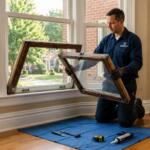
Professional installation is critical for picture, bay, and garden windows to perform correctly and maintain warranties. Bay and garden windows require structural modifications including support framing, exterior flashing, and proper sealing at multiple angles—far more complex than standard window replacement.
Picture window installation is straightforward, typically completed in 2-4 hours per window for standard sizes. The fixed frame fits precisely into existing openings with minimal wall disruption when you choose custom-manufactured windows built to exact specifications.
Bay window installation takes 4-8 hours per window depending on size and configuration. Installation includes:
- Structural support brackets or corbels rated for window weight
- Precise angle measurements and frame leveling
- Multi-point weather sealing around projection
- Interior finishing of extended windowsill/seat area
- Exterior trim and flashing integration with siding
Garden window installation requires 3-5 hours, less complex than bay windows but more involved than picture windows due to the projecting design and roof panel integration.
Thompson Creek’s factory-trained installation crews handle all structural work, weather-sealing, and finishing with attention to detail honed over 40+ years of Mid-Atlantic installations. Most homeowners can have multiple windows replaced in a single day, minimizing disruption to daily life.
Maintenance and Long-Term Care
One significant advantage of vinyl replacement windows is the minimal maintenance required compared to wood or aluminum alternatives. Thompson Creek’s custom-manufactured windows feature:
Low-maintenance vinyl frames that never need painting, won’t rot or corrode, and clean easily with soap and water. This is especially valuable for bay and garden windows where exterior surfaces may be harder to reach.
Tilt-in sashes on operable panels allow interior cleaning of both sides of the glass without climbing ladders—particularly convenient for second-story bay windows.
Durable hardware including corrosion-resistant operators, locks, and hinges rated for decades of use in Mid-Atlantic humidity and temperature extremes.
Maintenance best practices:
- Clean glass and frames 2-3 times annually with mild soap solution
- Inspect weather-stripping on operable panels yearly and replace if worn
- Keep weep holes clear of debris to allow moisture drainage
- Check bay/garden window flashing for gaps or damage after severe storms
- Lubricate moving parts (hinges, operators) annually with silicone spray
With proper care, quality vinyl windows last 20-40 years. Thompson Creek backs our windows with a 50-year No-Hassle Warranty covering both product and installation—demonstrating our confidence in long-term performance.
Frequently Asked Questions
Can picture windows be combined with operable windows?
Absolutely. Many homeowners install picture windows as focal points flanked by casement or double-hung windows for ventilation. This approach maximizes views and light while maintaining airflow options—ideal for living rooms and master bedrooms.
Do bay windows require special permits?
Most jurisdictions require building permits for bay windows since they extend beyond the home’s footprint and involve structural modifications. Thompson Creek handles permit coordination as part of our comprehensive installation service, ensuring compliance with local Maryland, Virginia, and DC building codes.
Are garden windows suitable for bathrooms?
Yes, garden windows work well in bathrooms, providing natural light and ventilation while maintaining privacy. Choose obscure or frosted glass for the shelving area if needed. Ensure adequate ventilation to prevent condensation issues from shower steam.
How much do picture, bay, and garden windows cost?
According to the Federal Trade Commission, replacement window costs can range from a few hundred to a few thousand dollars per window depending on materials, size, features, and installation requirements. Factors affecting cost include frame material, glass package options, custom sizing, window style complexity, and local labor rates.
Can existing bay or garden windows be replaced with picture windows?
Yes, though it requires filling the projecting area and modifying the exterior wall. Some homeowners make this change to reduce maintenance complexity or improve energy efficiency. Conversely, converting picture windows to bay or garden windows is possible but requires structural work and permits.
Which window style is best for historic homes?
Bay windows complement Victorian, Colonial, and traditional architecture common in Mid-Atlantic historic districts. Picture windows suit mid-century modern homes. Verify local historic preservation requirements before modifications—some districts restrict window style changes. Thompson Creek has extensive experience working with historic home guidelines throughout Maryland and Virginia.
Related Articles from Thompson Creek
Energy Efficiency & Window Performance:
- How to Choose Energy Efficient Windows – Compare vinyl, wood, and aluminum frames for maximum efficiency
- Are Energy Efficient Windows Worth It? – Discover the top benefits of upgrading to energy-efficient windows
- Benefits of Energy Efficient Windows – Learn how new windows reduce utility bills and improve comfort
- How to Tell If Windows Are Energy Efficient – Complete guide to understanding energy performance ratings
Window Types & Styles:
- Are Casement Windows Energy Efficient? – Why casement windows excel at lowering utility bills
- Benefits of Casement Windows – Advantages for Mid-Atlantic homes
- Are Bow Windows in Style? – Modern design trends for projecting windows
- Best Residential Windows – Complete guide to choosing the right windows for your home
Cost & Investment:
- How Much Do Replacement Windows Cost? – Factors affecting window replacement pricing
- Cost of Custom Windows – Understanding custom window investment in the Mid-Atlantic
- Cost of Awning Windows – Pricing guide for various window styles
Maintenance & Replacement:
- 10 Clear Signs You Need a Window Replacement – When to upgrade your windows
- Passive House Windows for Energy Efficiency – Advanced energy-saving window standards
Why Choose Thompson Creek for Picture, Bay, and Garden Windows
Thompson Creek Window Company has custom-manufactured energy-efficient windows in our Maryland facility since 1980, giving us unmatched expertise in Mid-Atlantic climate requirements. Every picture, bay, and garden window is built to your home’s exact specifications, ensuring perfect fit, maximum energy efficiency, and lasting durability.
Unlike national chains or big-box retailers, we control the entire process—designing, manufacturing, installing, and servicing your windows—eliminating middleman markups while ensuring complete accountability. Our windows exceed ENERGY STAR® criteria, withstand 146 mph winds (AAMA tested), and come backed by our industry-leading 50-year No-Hassle Warranty.
Ready to transform your home with picture, bay, or garden windows? Schedule your free consultation today and discover why Mid-Atlantic homeowners have trusted Thompson Creek for over 40 years. Our custom-manufactured windows and professional installation deliver the perfect combination of beauty, efficiency, and long-term value for your home.