Professional window installation should enhance your home’s comfort, energy efficiency, and appearance. When installation goes wrong, however, the consequences can be both frustrating and expensive. Recognizing the warning signs of poor window installation helps you identify problems early, prevent long-term damage, and determine whether repair or complete reinstallation is necessary.
In the Mid-Atlantic region, where homes face temperature extremes from hot, humid summers to cold, blustery winters, properly installed windows are essential for maintaining comfort and controlling energy costs. This comprehensive guide will help you identify installation problems and understand your options for correction.
Common Warning Signs of Poor Window Installation
New replacement windows should enhance your home’s appearance, operate smoothly, and deliver promised energy savings. If installation wasn’t performed correctly, you may notice one or more of these problems within weeks of completion. Recognizing early warning signs that windows need attention helps you address issues before they escalate.
Critical Red Flags to Watch For:
- Visible gaps between window frames and openings
- Drafts or air movement around closed windows
- Fog or condensation trapped between glass panes
- Water infiltration or moisture damage near windows
- Windows that stick, bind, or won’t lock properly
- Crooked frames or unprofessional finishing work
Visible Gaps Around Window Frames
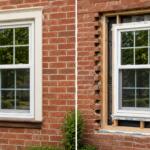
Your new windows should fit snugly in their openings with no visible gaps. When you notice spaces between the windowsill and frame, this typically indicates improper measurements or installation errors. This is one of the most common mistakes that compromises your home’s thermal performance.
Why gaps create serious problems:
- Allow conditioned air to escape and outside air to enter
- Permit moisture infiltration that can damage walls
- Signal deeper structural or fitting issues
- Create entry points for pests and insects
- Reduce energy efficiency significantly
Simply filling gaps with caulk provides only temporary fixes. If windows weren’t measured or fitted correctly initially, the entire installation likely needs correction. According to the Department of Energy, air leaks around windows account for 25-30% of residential heating and cooling energy loss.
Custom-manufactured windows built to exact specifications—like those produced in Thompson Creek’s 70,000 square foot Maryland facility—eliminate sizing errors that create gaps. Understanding replacement window costs helps you budget appropriately for quality work from the start.
Drafts and Air Leaks Around New Windows
Experiencing drafts around brand-new windows indicates installation problems, not normal window behavior. Properly installed replacement windows create airtight seals that eliminate air infiltration, keeping your home comfortable year-round.
Common causes of drafts in newly installed windows:
- Incorrect sizing or measurement errors
- Poor flashing installation around frames
- Inadequate insulation in rough openings
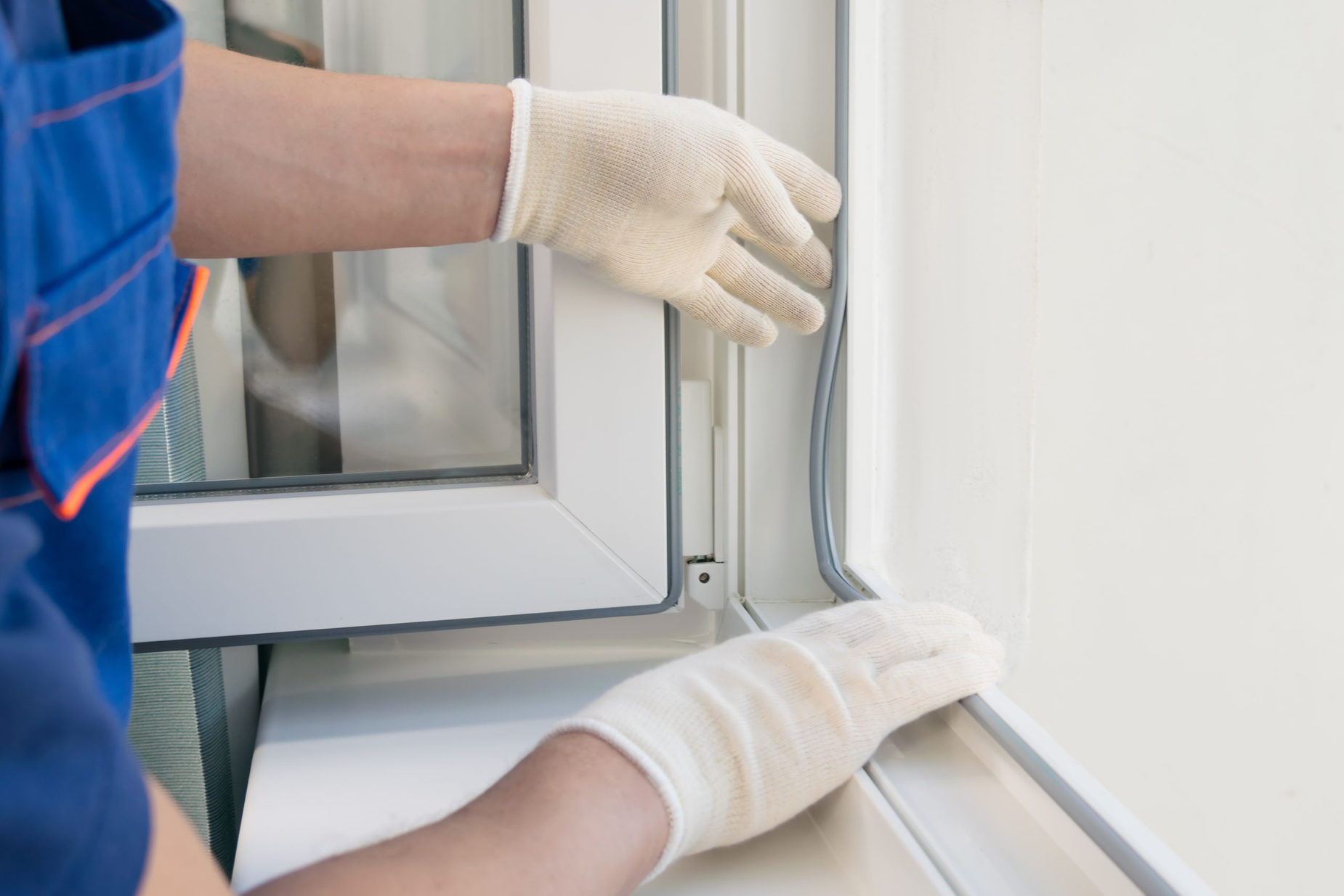
- Missing or improperly installed weatherstripping
- Improper shimming during installation
When air movement occurs around new windows, your HVAC system works significantly harder to maintain temperature, directly increasing utility costs. In the Mid-Atlantic climate with its temperature extremes, energy-efficient windows only deliver promised savings when properly installed with correct air sealing.
Unlike older windows that naturally develop air leaks over time, drafts appearing immediately after installation signal errors that worsen with seasonal temperature changes. These issues require immediate professional correction.
Fog or Moisture Between Window Panes
If fog appears between your window panes, the hermetic seal has been compromised. This seal holds insulating gas (typically argon or krypton) that enhances thermal performance. Installation mistakes can damage seals even when glass arrives intact.
Understanding different types of condensation:
- Interior condensation: Normal moisture on room-facing glass that wipes away easily—not an installation issue
- Seal failure: Fog trapped between panes that cannot be removed—requires glass unit replacement
Installation errors that damage window seals include:
- Forcing windows into improperly sized openings
- Overtightening fasteners that flex frames
- Dropping or mishandling units during installation
- Failing to properly shim and level windows
- Installing windows in extreme temperatures
Once seals fail, insulating gas escapes and windows lose energy-efficient properties. This means reduced comfort and higher energy bills—exactly what you were trying to avoid. Learn more about window seal failure and when replacement becomes necessary.
ENERGY STAR® certified windows maintain their seals for decades when properly installed by factory-trained professionals who understand correct handling and installation procedures.
Water Leaks and Interior Damage
Windows should protect your home from weather elements. If water infiltrates around newly installed windows, even during light rain, installation errors are allowing moisture inside. This threatens both your belongings and your home’s structural integrity.
Where to inspect for water damage:
- Wet spots on walls around or below window frames
- Chipped, bubbling, or peeling paint near windows
- Wrinkled, stained, or yellowed wallpaper
- Soft, discolored, or damaged drywall
- Musty odors indicating hidden moisture problems
Water intrusion most often results from improper flashing installation. Flashing creates water-resistant barriers directing moisture away from window openings. When installers skip this critical step or install it incorrectly, water finds entry points during rain events.
Even small leaks worsen progressively, causing rotted framing, mold growth, and extensive drywall damage. In coastal Mid-Atlantic areas experiencing hurricane-force winds and driving rain, proper flashing installation isn’t optional—it’s essential for home protection.
Thompson Creek windows are AAMA-tested to withstand winds up to 146 mph when properly installed with correct flashing techniques. Professional window installation includes comprehensive weatherproofing that protects your home for decades.
Operational Difficulties: Hard to Open, Close, or Lock
New windows should operate smoothly according to manufacturer specifications. If windows are difficult to operate, refuse to lock properly, or stick when opening and closing, you’re experiencing either product defects or installation errors. Operational problems typically stem from alignment issues during installation.
Common operational problems indicating installation issues:
- Windows that stick, bind, or drag when moving
- Locks that don’t engage or align properly
- Sashes that won’t stay open or fall unexpectedly
- Frames appearing twisted, bowed, or out of square
- Excessive force required for normal operation
When windows aren’t level or plumb, or when frames are distorted by improper fastening, sashes can’t move smoothly. This affects convenience, safety, and security. Windows that won’t stay open properly often indicate alignment problems from the start.
Windows that don’t lock properly compromise home security, making entry easier for intruders. Windows that won’t open easily could trap occupants during emergencies, creating serious safety hazards. For families with children or elderly residents needing egress options, operational issues demand immediate professional attention.
Quality manufacturers extensively test their products for smooth operation throughout expected lifespans. When factory-trained installers use proper techniques, these operational issues simply don’t occur. Understanding different installation methods and what proper installation entails helps you know what to expect.
Crooked Windows and Poor Visual Finish
New windows should enhance your home’s appearance from both interior and exterior perspectives. If you notice crooked windows, chipped frames, or messy caulking, you’ve experienced poor installation workmanship.
Visual warning signs of installation problems:
- Crooked or visibly misaligned window frames
- Messy, uneven, or excessive caulking lines
- Chipped or damaged trim work
- Exposed fasteners creating rough edges
- Gaps between windows and interior trim
- Paint overspray or sloppy finishing
Crooked windows aren’t merely aesthetic issues—they indicate installers didn’t properly level and square frames during installation. Windows visibly out of alignment likely have operational problems and may not seal correctly against weather.
While appearance issues might seem cosmetic, they often reveal installers who cut corners throughout the entire process. If installers didn’t take time making windows look professional, what shortcuts did they take with critical weatherproofing and structural work you can’t see?
Professional installations include careful attention to finishing details: clean caulk lines, properly installed trim, and frames perfectly plumb and level. This attention reflects overall installation quality. Preparing your home for window installation sets the stage for professional work.
Why Poor Window Installation Creates Serious Problems
Improperly installed windows create cascading problems affecting your home’s performance, comfort, and your finances. Understanding the full consequences helps homeowners recognize why addressing installation issues promptly matters so much.
Increased Energy Costs
When windows don’t seal properly, heating and cooling systems run longer maintaining comfortable temperatures. Air leaks around windows account for significant energy loss, directly impacting utility costs month after month. According to Energy Star, homes can save up to 20% on heating and cooling costs—approximately $236 annually—when replacing single-pane windows with energy-efficient versions that are properly installed.
A single improperly installed window can waste hundreds of dollars yearly in energy costs.
Moisture Damage and Mold Growth
Water intrusion from improper installation creates ideal conditions for mold growth. Moisture trapped in walls, insulation, or framing causes extensive damage far more expensive than correcting initial installation errors. Mold poses serious health risks, particularly for family members with asthma or allergies.
Reduced Window Lifespan
Windows installed incorrectly experience uneven stress, premature seal failure, and accelerated wear on moving parts. Quality windows designed lasting 20-30 years might fail within just a few years when installation errors compromise structural integrity. This means facing replacement costs far sooner than expected.
Warranty Complications
Many window warranties require professional installation remaining valid. If installation errors cause premature failure, you may find neither manufacturer nor installer accepts responsibility, leaving you covering replacement costs entirely out of pocket.
Thompson Creek’s 50-year No-Hassle Warranty covers both products and installation, providing complete accountability from a single source. This eliminates finger-pointing when problems arise.
Structural Damage
Over time, water infiltration from poorly installed windows can rot wooden framing members, damage insulation, and compromise your home’s structural integrity. These repairs can cost tens of thousands of dollars—far exceeding proper installation costs from the start.
Installation Problems vs. Product Defects: Understanding the Difference
Not every window problem results from poor installation. Understanding distinctions between installation errors and manufacturing defects helps you address issues with appropriate parties and get problems resolved quickly.
Typical Installation Issues:
- Gaps around frames or improper sealing
- Water leaks at window perimeters
- Operational difficulties from misalignment
- Drafts from inadequate weatherproofing
- Problems appearing immediately after installation
Typical Product Defects:
- Seal failures in brand-new windows without installation stress
- Hardware breaking under normal use
- Frame materials warping or cracking prematurely
- Glass problems without external damage
- Issues appearing weeks or months after proper installation
Why Professional Assessment Matters
Sometimes installation stress triggers latent product defects, or product defects make proper installation nearly impossible. Experienced professionals evaluate window systems holistically, identify root causes, and recommend appropriate corrective action. Making the right choice between repair and replacement requires understanding these distinctions.
Don’t assume problems are installation-related without proper inspection. Conversely, don’t accept blame placed on product defects when installation errors are obvious. Working with companies manufacturing, installing, and servicing their own windows—like Thompson Creek—eliminates confusion about responsibility. Understanding when windows need replacement versus repair helps make informed decisions.
What to Do If You Suspect Poor Installation
If newly installed windows don’t meet expectations, contact installers immediately so they can assess and correct problems. Taking appropriate steps early protects your home and preserves warranty rights.
Follow These Steps:
- Document All Visible Issues
Before contacting installers, photograph every problem: gaps, water stains, crooked frames, fogging between panes, and operational difficulties. Include photos showing overall windows and close-ups of specific problem areas. Document installation dates and when you first noticed each issue.
This documentation supports your case and helps installers understand problems before arriving. It also creates records if warranty claims become necessary later.
- Contact the Installer Promptly
Reach out to installation companies as soon as problems appear. Most reputable installers want addressing issues quickly and prioritize callbacks for recent installations. Don’t wait for problems worsening—early intervention prevents additional damage and more extensive repairs.
Be specific about issues you’re experiencing and reference your documentation. Ask for timelines for inspection and repair.
- Request Thorough Professional Inspections
Ask for comprehensive inspections by qualified professionals—ideally supervisors or senior technicians rather than original installation crews. Inspectors should evaluate all installed windows, not just ones showing obvious problems, as installation issues often affect multiple windows.
Request written assessments of what’s wrong and what corrective actions will be taken.
- Understand Your Warranty Coverage
Review warranty documents understanding what’s covered and for how long. Determine whether you’re dealing with window manufacturer warranties, installer warranties, or both. Companies like Thompson Creek offering comprehensive 50-year warranties covering both product and installation significantly simplify this process.
- Avoid Temporary DIY Fixes
While tempting to add extra caulk or weatherstripping addressing drafts and gaps, temporary fixes hide underlying problems and make documenting installation errors harder. These patches may void warranty coverage if seen as homeowner modifications causing or worsening problems.
Let installers make necessary corrections using proper materials and techniques. Common window problems sometimes require professional solutions, not DIY attempts.
How to Avoid Poor Window Installation
The best defense against poor installation is choosing the right company from the start. When working with reputable window retailers and installers, trained professionals take accurate measurements, deliver products built to correct specifications, and install windows with precision. Asking the right questions before your project begins helps ensure you’re working with qualified professionals.
What to Look For in Window Installers:
Professional Measurement Process
Accurate measurement forms the foundation of successful installation. Professional installers measure each opening multiple times, accounting for irregularities in older homes. They understand openings may not be perfectly square and plan accordingly.
Custom-manufactured windows fit better than stock sizes because they’re built to exact specifications. This eliminates gaps and excessive shimming needs during installation.
Certified, Factory-Trained Installation Teams
Look for companies whose installation teams have manufacturer certifications and ongoing training. Certified installers understand proper techniques for flashing, sealing, insulation, and securing windows according to current building codes.
Thompson Creek’s installation teams receive specialized training on custom-manufactured products, ensuring they understand every aspect of proper installation for maximum performance and longevity.
Clear, Comprehensive Warranties
Understanding what’s covered and by whom prevents confusion if problems arise. The best window companies offer comprehensive warranties covering both products and installation, with single points of contact for any issues.
Thompson Creek’s 50-year No-Hassle Warranty provides coverage for product defects and installation-related issues, giving complete peace of mind and eliminating common problems where manufacturers and installers blame each other when issues occur.
Industry-Standard Installation Practices
Reputable companies follow industry standards for window installation, including:
- Proper flashing integration with weather-resistant barriers
- Adequate insulation using low-expansion foam
- Correct shimming and fastening at specified intervals
- Thorough sealing at interior and exterior interfaces
- Compliance with local building codes
Ask potential installers about standards they follow and whether they’ll provide installation process documentation. Understanding detailed installation procedures helps you recognize proper techniques when you see them.
Local Experience in Your Climate Zone
In the Mid-Atlantic region, windows must withstand specific challenges: humid summers, cold winters, coastal storms, and rapid temperature changes. Installers with local experience understand these requirements and install windows performing optimally in your climate zone.
Thompson Creek has served the Mid-Atlantic since 1980, providing deep expertise in regional weather patterns and installation techniques working best for local homes. Understanding energy efficiency in your climate helps make informed decisions.
Frequently Asked Questions About Window Installation Problems
How soon do window installation problems typically appear?
Many installation issues become apparent within the first few weeks, especially after the first rain or significant temperature change. Drafts, water leaks, and operational difficulties typically show immediately, while seal failures may take several months becoming visible as condensation between panes.
Seasonal changes often reveal installation problems. Windows installed in summer may show issues once heating season begins, and vice versa. This is why the first year after installation is critical for identifying and addressing problems while they’re still covered under warranty.
Can poor window installation cause mold growth?
Yes, absolutely. Water intrusion from improper flashing or sealing creates moisture conditions ideal for mold growth. Mold can develop in walls, insulation, and framing where leaks aren’t immediately visible, making prompt correction of water leaks essential for preventing extensive damage.
Mold poses serious health risks and can require expensive remediation. If you notice musty odors, dark spots on walls near windows, or increased allergy symptoms, have windows inspected immediately for water intrusion issues.
Should I repair or completely reinstall poorly installed windows?
This depends on problem severity. Minor sealing issues or small gaps might be correctable with proper weatherstripping and caulking. However, significant problems typically require complete reinstallation.
Repairs may work for:
- Minor caulking gaps
- Weatherstripping adjustments
- Hardware adjustments
- Cosmetic finishing issues
Complete reinstallation needed for:
- Improper flashing (requires removing exterior siding)
- Structural misalignment or out-of-square frames
- Incorrect rough opening sizes
- Missing or inadequate insulation behind frames
Professional assessments determine appropriate solutions. Don’t accept “quick fixes” for problems needing proper correction.
Are drafts ever normal with new replacement windows?
No, drafts are never normal with properly installed new windows. Any air movement felt around recently installed windows indicates installation errors requiring correction. New windows should create airtight seals when closed and locked.
In the Mid-Atlantic climate with temperature extremes, even small drafts significantly impact energy bills and comfort. Energy-efficient windows only deliver promised performance when installed correctly with proper air sealing techniques.
Will my warranty cover installation problems?
Coverage depends on specific warranty terms and who performed installation. Many manufacturer warranties require professional installation and won’t cover installation errors—only product defects. Separate installer warranties may have different terms and time limits.
Companies offering comprehensive installation warranties provide best protection. Thompson Creek’s 50-year warranty covers both product defects and installation issues, with single points of accountability eliminating confusion about who’s responsible for corrections. Understanding warranty coverage helps protect your investment.
How long should professional window installation take?
Most professional installers can replace 8-10 windows in single days, though complex installations or full-frame replacements may take longer. The key is quality, not speed—rushing leads to installation mistakes discussed throughout this guide.
Your installer should provide clear timelines before starting work. Be wary of installers seeming to rush through jobs or skipping important steps like proper flashing installation.
What should I watch for during installation?
If you’re home during installation, watch for:
- Installers checking frames are level and plumb
- Proper shimming and fastening at regular intervals
- Flashing installation before exterior trim
- Low-expansion foam insulation application
- Clean, even caulk lines
- Testing window operation before completion
- Thorough cleanup of debris and materials
Don’t hesitate asking questions if seeing something concerning. Professional installers welcome homeowner interest and can explain what they’re doing and why.
Can I claim tax credits for improperly installed windows?
For windows qualifying for federal energy efficiency tax credits, proper installation according to manufacturer specifications is required. Improper installation potentially voids tax credit eligibility if windows don’t perform as rated.
Additionally, if installation is so poor that windows must be completely reinstalled, you cannot claim tax credits twice for the same window openings. This is another reason why proper installation from the start is financially important. Learn about available tax credits for qualified window installations.
Why Choose Thompson Creek for Professional Window Installation
Thompson Creek has been manufacturing and installing custom windows in the Mid-Atlantic region since 1980. Our complete control over the entire process—from design through manufacturing to installation and service—ensures quality at every step.
What Sets Thompson Creek Apart:
Custom Manufacturing for Perfect Fit Every window is built in our 70,000 square foot Maryland facility to exact specifications for your home. This eliminates sizing errors that create gaps, drafts, and operational problems.
50-Year No-Hassle Warranty Industry-leading coverage for both products and installation means complete protection and accountability from a single source. No confusion about who’s responsible if problems occur.
Factory-Trained Installation Experts Our certified installers receive specialized training on our custom-manufactured products. They understand every aspect of proper installation for maximum performance and longevity.
ENERGY STAR® Excellence Our windows exceed 2022 ENERGY STAR® criteria for the Mid-Atlantic climate zone, delivering promised energy savings when properly installed by our trained professionals.
Weather-Tested Durability AAMA-tested to withstand winds up to 146 mph when properly installed with correct flashing techniques. Built specifically for Mid-Atlantic weather challenges.
Complete Accountability We design it, build it, install it, and service it—giving you total peace of mind and assurance that any issues will be resolved promptly by the same team that did the work.
When you choose Thompson Creek, you’re not dealing with multiple vendors who point fingers when problems arise. Our complete vertical integration means one company is responsible from measurement through service, eliminating the most common source of frustration homeowners experience with window replacement projects.
Take the Next Step Toward Quality Window Installation
Don’t risk your investment with improper installation that creates years of problems. Ready to upgrade your home with windows installed correctly the first time? Schedule your free consultation today and discover why Mid-Atlantic homeowners have trusted Thompson Creek for over 40 years.
Our custom-manufactured windows come with professional installation you can count on and comprehensive warranty protection for decades to come. Call (301) 450-8878 or request your free estimate online.
Quality window installation protects your home and your investment. Choose Thompson Creek for complete accountability from measurement to warranty service—because your comfort matters.