Transform your kitchen, living room, or any space in your Mid-Atlantic home with a custom garden window from Thompson Creek. These unique window installations combine beauty, functionality, and energy efficiency to create the perfect indoor growing space.
Garden windows create a natural greenhouse environment right inside your home. Picture reaching for fresh basil while preparing dinner, or watching colorful succulents thrive year-round. These specialized windows bring abundant natural light into your space while providing the ideal shelf area for plants, herbs, and decorative displays. The generous depth and multi-angle glass design flood your home with sunshine, making rooms feel larger and more inviting.
What Is a Garden Window?
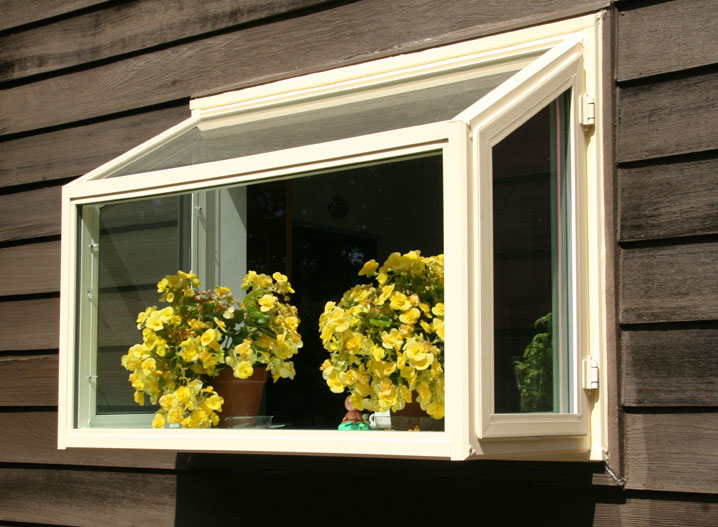
A garden window is a three-dimensional box structure that extends outward from your home’s exterior wall, typically 12 to 24 inches deep. Unlike traditional flat windows, garden windows feature custom-manufactured glass panels on three sides—front, left, and right—plus an angled glass roof that maximizes natural light entry. This greenhouse-style design creates perfect growing conditions for indoor plants while adding architectural interest to any room.
Garden window materials significantly impact performance and longevity, especially in the Mid-Atlantic region where we experience hot, humid summers and cold winters. Thompson Creek offers premium options designed to withstand our local climate extremes:
Vinyl Garden Windows – Our most popular choice combines exceptional energy efficiency with low maintenance and superior moisture resistance. Vinyl frames won’t warp, rot, or require painting, making them ideal for kitchens and bathrooms where humidity fluctuates. Thompson Creek’s vinyl garden windows exceed ENERGY STAR® 2022 criteria for the Mid-Atlantic region. Learn more about why vinyl windows are the right choice for Mid-Atlantic homes.
Wood Garden Windows – For homeowners seeking classic elegance, wood frames provide excellent natural insulation and timeless beauty. While wood requires periodic maintenance, it offers unmatched customization options and traditional charm that complements historic Mid-Atlantic homes.
Aluminum Garden Windows – Modern and sleek, aluminum frames offer durability and slim profiles that maximize glass area. These frames resist corrosion and provide strength, though they conduct more heat than vinyl or wood options.
Fiberglass Garden Windows – The premium choice combines wood’s insulation properties with vinyl’s low maintenance. Fiberglass resists warping, expands minimally with temperature changes, and stands up exceptionally well to Mid-Atlantic weather extremes.
At Thompson Creek, every garden window is custom-manufactured in our Maryland facility to your exact specifications. This ensures perfect fit, maximum energy efficiency, and seamless integration with your home’s architecture.
Benefits of Installing a Garden Window
Garden windows deliver multiple advantages that enhance both your daily living experience and your home’s long-term value. Mid-Atlantic homeowners particularly appreciate these custom installations during our region’s variable seasons.
Abundant Natural Light
Garden windows transform dark spaces into bright, welcoming areas. The multi-panel design with angled roof allows sunlight to enter from four directions, significantly increasing natural illumination. This reduces your reliance on artificial lighting, lowering electricity costs while creating healthier, mood-boosting environments. In Maryland and Virginia’s shorter winter days, this extra natural light makes a noticeable difference in home comfort.
Superior Energy Efficiency
Modern garden windows from Thompson Creek feature advanced insulation technology specifically designed for Mid-Atlantic climate conditions. Our ENERGY STAR® certified windows include low-E glass coatings, argon gas fills, and insulated frames that minimize heat transfer. This translates to measurably lower heating and cooling costs year-round. Thompson Creek’s custom-manufactured garden windows are tested to withstand winds up to 146 mph—essential protection during coastal storms and severe weather events common in the Virginia and Maryland region.
Increased Home Value
Quality replacement windows consistently rank among the top home improvements for return on investment. Garden windows particularly appeal to buyers seeking unique architectural features and functional indoor growing spaces. According to industry data, well-installed garden windows can increase home resale value while making your property stand out in competitive Mid-Atlantic real estate markets. Learn more about when to replace windows before selling your home.
Enhanced Ventilation
Many garden window designs include operable side panels that dramatically improve airflow. This ventilation proves especially valuable in kitchens, where cooking generates heat, steam, and odors. Opening your garden window’s side panels creates cross-ventilation that naturally refreshes your space, reduces humidity, and helps prevent mold growth—a particular concern in our humid Mid-Atlantic summers.
Perfect Indoor Growing Environment
The extended depth of garden windows creates an ideal microclimate for plants. The shelf space accommodates multiple pots while the abundant light supports healthy plant growth. Maryland and Virginia homeowners successfully grow fresh herbs, flowering plants, and even small vegetables year-round in their Thompson Creek garden windows.
Garden Window Installation Costs & Considerations
Understanding garden window pricing helps you budget appropriately for this valuable home improvement. Installation costs typically range from $1,500 to $5,000 depending on several factors:
Size & Configuration – Kitchen garden windows above sinks usually measure 36″ x 36″ and cost $1,500-$2,500 installed. Larger living room installations up to 60″ x 72″ range from $3,000-$5,000 with professional installation.
Frame Material – Vinyl garden windows represent the most cost-effective choice at $1,000-$2,500 installed. Wood and fiberglass options range from $2,500-$5,000 due to premium materials and craftsmanship.
Glass Package – Standard dual-pane glass provides good insulation. Upgrading to low-E coatings, argon gas fills, and triple-pane glass increases energy efficiency and comfort, adding $300-$800 to total costs.
Installation Complexity – Replacing an existing window of similar size costs less than creating a new opening or enlarging an existing one. New installations requiring structural modifications range from $500-$1,500 additional for professional labor.
At Thompson Creek, we provide transparent pricing with detailed estimates that include all materials, custom manufacturing, professional installation, and our industry-leading 50-year No-Hassle Warranty. Our Maryland-based team serves homeowners throughout the Mid-Atlantic, ensuring your garden window installation meets local building codes and weather performance standards. Learn more about what window replacement costs and factors that affect pricing.
Best Locations for Garden Window Installation
Kitchen Garden Windows Above the Sink
Kitchens represent the most popular garden window location. Installing one above your sink creates a functional indoor herb garden within arm’s reach while cooking. The natural light brightens your workspace, and the view makes dishwashing more pleasant. Kitchen garden windows typically measure 24″ x 36″ or 36″ x 36″, fitting perfectly in standard above-sink spaces. The ventilation helps manage cooking moisture and odors. Explore more kitchen window ideas to enhance your cooking space.
Thompson Creek’s custom-manufactured kitchen garden windows work beautifully in both traditional Maryland colonials and modern Virginia homes. Our expert installers ensure proper fit and sealing to prevent moisture issues in this high-humidity area.
Living Room & Dining Room Garden Windows
Larger living and dining room garden windows create stunning focal points while flooding entertainment spaces with natural light. These installations typically measure 48″ x 60″ or larger, providing substantial shelf space for seasonal displays, collectibles, or dramatic plant arrangements. The architectural interest adds character and sophistication to open-concept floor plans popular in newer Mid-Atlantic homes.
Bedroom & Bathroom Garden Windows
Bedroom garden windows offer peaceful spots to enjoy morning light while creating private indoor gardens. Bathroom installations improve ventilation while maintaining privacy through strategically placed frosted or textured glass options. The extra natural light makes both spaces feel more spacious and luxurious.
Home Office Garden Windows
With more Mid-Atlantic residents working from home, garden windows provide healthy natural light that reduces eye strain and improves productivity. The connection to nature through plants and outdoor views creates more pleasant work environments. Our professional installation team can retrofit garden windows into existing home office window openings to upgrade your workspace.
Garden Window vs Bay Window: Understanding the Differences
Homeowners often confuse garden windows with bay windows, but these are distinct window types with different purposes:
Size & Projection – Garden windows are typically smaller (24″-60″ wide) and extend 12-24″ from the wall. Bay windows are larger (4′-8′ wide) and create deeper interior spaces suitable for seating.
Purpose & Function – Garden windows specifically designed for displaying plants with built-in shelves and four-sided glass exposure. Bay windows primarily expand living space and provide panoramic views with three angled window panels.
Installation Placement – Garden windows commonly install above sinks, countertops, or in smaller wall spaces. Bay windows require larger wall openings and structural support for their weight and size.
Cost Comparison – Garden windows typically cost $1,500-$5,000 installed, while bay window installation ranges from $2,500-$8,000 due to size and complexity.
Both window types increase home value and natural light, but serve different functional and aesthetic purposes. Thompson Creek’s design consultants help Mid-Atlantic homeowners choose the perfect solution for each space in your home.
When to Replace Your Garden Window
Recognizing replacement timing helps prevent energy loss and potential home damage. Thompson Creek recommends garden window replacement when you notice these clear signs your windows need replacing:
Condensation Between Glass Panes – Fog or moisture between glass layers indicates seal failure. This reduces insulation value and obscures your view. Thompson Creek’s replacement garden windows feature advanced sealing technology that prevents moisture intrusion even in humid Mid-Atlantic climates. Learn how to keep your windows frost-free in winter.
Visible Frame Damage – Warped, rotted, or deteriorating frames compromise structural integrity and allow air infiltration. Wood frames particularly susceptible to moisture damage should be replaced promptly. Our vinyl and fiberglass options eliminate these concerns entirely.
Cracked or Broken Glass – Damaged glass creates safety hazards and massive energy loss. Mid-Atlantic weather extremes make compromised windows especially problematic. Thompson Creek provides emergency window replacement services to quickly restore your home’s security and efficiency.
Difficult Operation – Side panels that stick, bind, or won’t stay open indicate hardware failure or frame warping. Proper ventilation is essential for garden window function. Our replacement installations include smooth-operating hardware backed by our comprehensive warranty.
Drafts & Energy Loss – If you feel cold air near your garden window in winter or notice condensation, the window no longer provides adequate insulation. Thompson Creek’s ENERGY STAR® certified replacements dramatically improve comfort and reduce utility costs.
Storm Damage – Mid-Atlantic homeowners face hurricanes, nor’easters, and severe thunderstorms. Windows showing stress cracks, loose seals, or water intrusion after storms should be professionally evaluated. Thompson Creek’s windows are AAMA-tested to withstand 146 mph winds for superior storm protection.
Custom Garden Windows: The Thompson Creek Difference
Custom-Manufactured in Maryland – Every Thompson Creek garden window is custom-built in our 70,000 sq ft Maryland manufacturing facility. This means perfect measurements, superior quality control, and windows specifically engineered for Mid-Atlantic climate conditions. No mass-produced, one-size-fits-all solutions—just precision craftsmanship tailored to your home.
50-Year No-Hassle Warranty – Our industry-leading warranty covers both the product and installation for up to 50 years. This complete protection gives you confidence that your investment is safeguarded for decades. We stand behind our work because we manufacture, install, and service everything ourselves.
Professional Installation Team – Thompson Creek’s factory-trained installers bring over 40 years of experience to every project. We handle all aspects of installation including proper flashing, sealing, and finish work to ensure water-tight, energy-efficient performance. Our meticulous process protects your home and guarantees long-lasting results.
Complete Accountability – Unlike competitors who outsource manufacturing or installation, Thompson Creek controls every step from design through service. One company designs it, builds it, installs it, and guarantees it—complete accountability that eliminates the “middleman” runaround other homeowners experience. Learn about where to buy replacement windows and why local manufacturing matters.
ENERGY STAR® Certification – Our garden windows exceed 2022 ENERGY STAR® criteria for the Mid-Atlantic region. This translates to measurable energy savings, utility rebate eligibility, and superior comfort in Maryland and Virginia’s temperature extremes. Discover how to choose energy efficient windows for your home.
Climate Considerations for Mid-Atlantic Garden Windows
Maryland, Virginia, and DC homeowners face unique weather challenges requiring specially designed windows:
Hot, Humid Summers – Low-E glass coatings reflect heat while allowing light through, keeping interiors cooler. Proper ventilation in garden windows helps manage humidity that can damage furnishings and encourage mold.
Cold, Wet Winters – Insulated frames and argon-filled glass packages prevent heat loss and condensation. Thompson Creek’s garden windows maintain comfortable interior glass temperatures even when outdoor temps drop below freezing.
Coastal Storm Protection – Properties near the Chesapeake Bay or Atlantic coast require windows tested for wind-driven rain and high winds. Our 146 mph wind-resistance rating provides peace of mind during hurricanes and nor’easters.
Temperature Swings – Mid-Atlantic regions experience dramatic daily and seasonal temperature variations. Thompson Creek’s materials resist expansion and contraction that causes seal failure and operational issues in lesser-quality windows.
Caring for Your Garden Window
Proper maintenance extends garden window lifespan and maintains optimal performance:
Regular Cleaning – Clean glass surfaces monthly using non-abrasive cleaners. Remove plant debris from shelves and frames to prevent moisture accumulation. Spring and fall deep cleanings prepare your window for seasonal changes.
Inspect Seals & Caulking – Check weatherstripping and caulking annually. Replace any cracked or missing sealant to maintain energy efficiency. Thompson Creek’s vinyl frames require minimal maintenance compared to wood alternatives.
Lubricate Operating Hardware – Apply silicone-based lubricant to hinges and cranks annually for smooth operation. This prevents binding and extends hardware lifespan.
Drain Weep Holes – Clear debris from weep holes at the base of your garden window to allow proper water drainage. Blocked weep holes can cause water damage and frame deterioration.
Monitor Plant Moisture – Avoid overwatering plants in your garden window. Excess water can damage frames and create humidity issues. Use drainage saucers under pots to protect window surfaces.
Related Articles You May Find Helpful
Enhance your window knowledge with these related Thompson Creek resources:
- Kitchen Window Ideas – Discover various window styles perfect for kitchen spaces
- Benefits of Energy Efficient Windows – Learn how energy-efficient windows save money and improve comfort
- The Ultimate Guide to Double Pane Windows – Understanding double-pane window technology and benefits
- 10 Clear Signs You Need Window Replacement – Recognize when it’s time for new windows
- How to Tell If Windows Are Energy Efficient – Comprehensive guide to assessing window efficiency
- Best ROI Home Improvements – Top home improvement projects that add value
- Why Vinyl Windows Are the Right Choice – Advantages of vinyl window frames for Mid-Atlantic homes
Why Choose Thompson Creek for Garden Windows
Mid-Atlantic homeowners trust Thompson Creek because we deliver unmatched quality and service backed by complete accountability. Our custom-manufactured garden windows combine beautiful design with proven durability, ENERGY STAR® efficiency, and professional installation that transforms your home.
Since 1980, we’ve served Maryland, Virginia, and DC residents with the region’s best replacement windows, backed by our 50-year warranty and local manufacturing expertise. Whether you’re replacing outdated windows or adding garden windows to create stunning indoor growing spaces, our team provides the personalized service and superior products you deserve.
Ready to brighten your home with a custom garden window? Schedule your free consultation today and discover why Mid-Atlantic homeowners have trusted Thompson Creek for over 40 years. Our garden windows are custom-manufactured in Maryland, professionally installed by our expert team, and backed by our comprehensive 50-year warranty—complete peace of mind from a local company that stands behind every installation.