Window grids—also called muntins or grilles—define your home’s architectural character both inside and out. Choosing the right window grid styles impacts curb appeal, home value, and how light flows through your rooms. But beyond aesthetics, understanding grid options helps Mid-Atlantic homeowners make smart decisions about replacement windows that balance traditional style with modern performance.
Whether you’re drawn to classic colonial patterns, contemporary prairie designs, or sleek gridless options, this guide covers everything you need to know about window grid patterns—from historical context to energy efficiency to matching your home’s architecture.
The Evolution: When Form Met Function
Window grids weren’t always decorative. Their original purpose was structural—holding together small glass panes to create weather-tight windows. Before 19th-century manufacturing advances, producing large glass sheets was difficult and expensive. Divided lite windows with wooden muntins separating individual panes were the practical solution.
Today’s glassmaking technology creates large, thermally efficient panes that eliminate the need for structural support. Modern vinyl windows use advanced materials and insulated glass units that far exceed the performance of historical windows. However, many homeowners choose decorative grids to honor architectural heritage or add visual character to contemporary homes.
Thompson Creek’s custom-manufactured windows accommodate any grid preference—from authentic divided lites to convenient between-glass options—while delivering ENERGY STAR® certified efficiency.
Understanding Modern Grid Installation Methods
How grids are installed significantly impacts maintenance, energy performance, and aesthetics:
Grilles Between Glass (GBG)
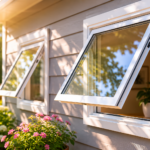
Factory-installed grilles sealed permanently within the insulated glass unit. This design protects grids from weather, dirt, and damage while maintaining thermal performance. GBG windows offer the easiest maintenance—simply clean smooth glass surfaces inside and out without navigating around grilles.
Simulated Divided Lites (SDL)
Decorative grilles applied to both exterior and interior glass surfaces, creating authentic visual depth. SDL grids cast shadows and provide dimensional appearance similar to true divided lites. They’re removable for cleaning but require more maintenance than between-glass options.
True Divided Lites
Individual glass panes separated by structural muntins—historically accurate but less common today. While providing the most authentic appearance, true divided lites offer lower energy efficiency and higher maintenance compared to modern alternatives.
Thompson Creek windows feature between-glass grilles as standard, combining traditional aesthetics with contemporary convenience. Our installation method ensures energy performance isn’t compromised while giving you the decorative grid patterns you want.
Most Popular Window Grid Patterns
The right window grid pattern depends on your home’s architectural style, regional design traditions, and personal preferences. Here are the patterns Mid-Atlantic homeowners choose most frequently:
Colonial Window Grids
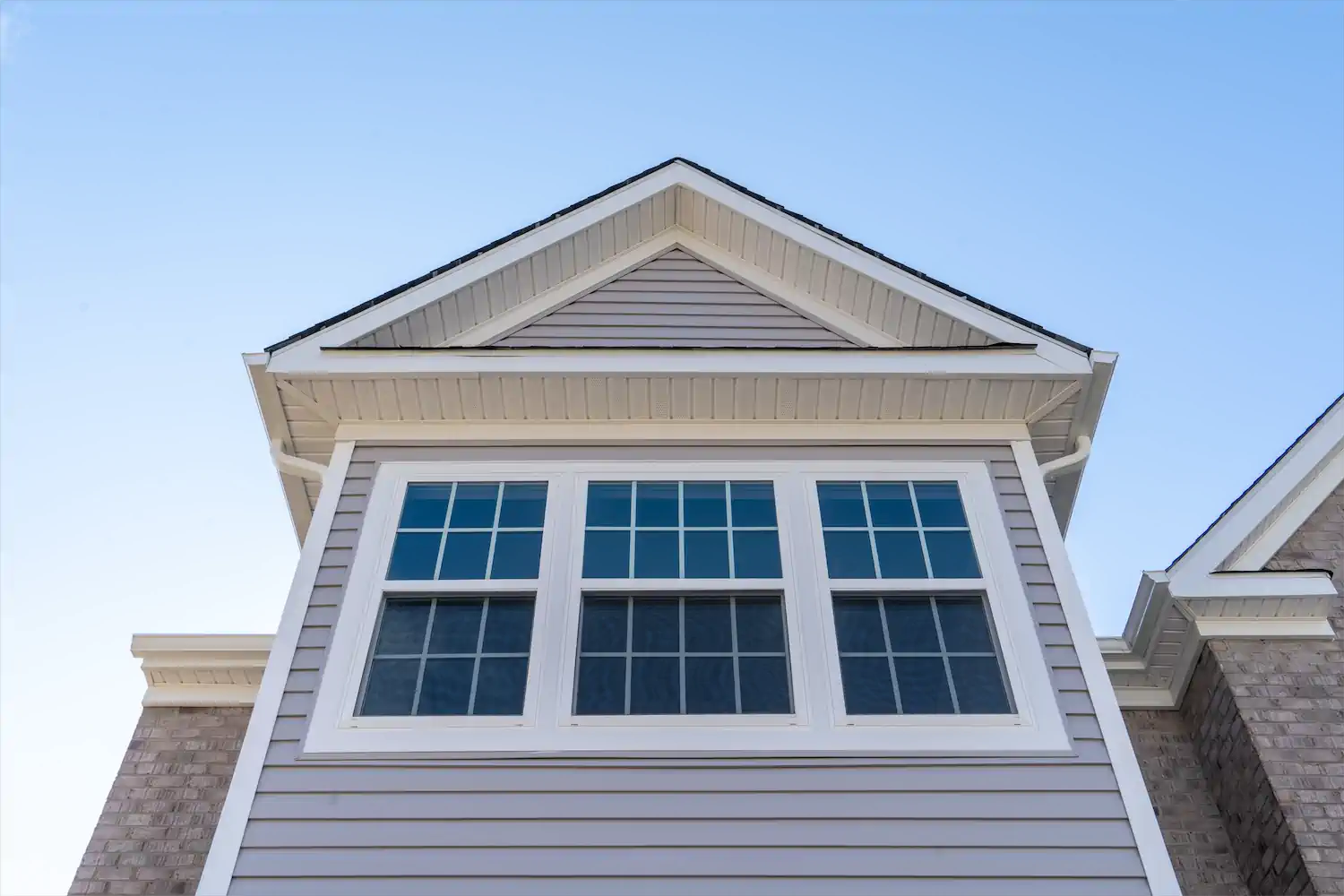
Colonial window grids remain the quintessential choice for traditional homes throughout Maryland, Virginia, and the Mid-Atlantic. This symmetrical pattern divides windows into equal rectangular sections—most commonly six-over-six (6-over-6), nine-over-nine (9-over-9), or twelve panes.
Colonial grids perfectly complement Cape Cod, Federal, Georgian, and classic brick colonial homes that define regional architecture. The balanced, orderly grid reflects 18th and 19th-century design principles while incorporating modern energy efficiency. For historic homes built before 1900, colonial grids maintain architectural authenticity when paired with energy-efficient replacement windows.
Best for: Colonial homes, Cape Cod style, Federal architecture, Georgian homes, traditional brick colonials, historic district requirements
Prairie Window Grids
Prairie window grids feature an asymmetrical design with grilles framing the perimeter while leaving a large, unobstructed central viewing area. Small squares or rectangles in each corner complete the distinctive geometric pattern.
This style emerged from the Arts and Crafts movement and suits Craftsman, Prairie, farmhouse, and ranch homes popular in suburban Mid-Atlantic communities. Prairie grids maximize natural light and preserve exterior views—ideal for homes with landscaping, water views, or scenic surroundings. The horizontal emphasis complements low-profile ranch and rambler homes common throughout the region.
Best for: Craftsman bungalows, Prairie-style homes, ranch houses, farmhouse designs, modern transitional styles
Craftsman/Top Row Grids
Craftsman patterns place grids only in the upper portion of windows—typically the top third or quarter. This creates architectural interest while keeping lower viewing areas completely clear. The design reflects Arts and Crafts philosophy of combining beauty with function.
This understated option works beautifully with bungalows, Craftsman homes, and contemporary designs. The pattern provides character without overwhelming modern aesthetics, making it popular for homeowners seeking transitional style that bridges traditional and contemporary.
Best for: Craftsman bungalows, contemporary homes, transitional designs, modern renovations with traditional touches
Diamond/Diagonal Grids
Diamond patterns arrange grilles at 45-degree angles, creating diamond or diagonal geometric shapes. This distinctive pattern adds dynamic visual appeal and architectural complexity. Diamond grids work particularly well as accent windows—front-facing picture windows, bay windows, or gable windows drawing attention to architectural features.
The geometric interest of diamond grids makes them statement features commonly seen on Tudor, Victorian, Gothic Revival, and English cottage-style homes.
Best for: Tudor style, Victorian homes, Gothic Revival, English cottages, architectural focal points
Farmhouse/Cross Grids
Farmhouse patterns use minimal grilles—one horizontal and one vertical—dividing windows into four equal quadrants. This simple, clean-lined pattern reflects modern minimalist aesthetics while maintaining subtle architectural detail. The understated design is gaining popularity as modern farmhouse style trends continue.
Cross patterns complement contemporary farmhouse, transitional, and modern home styles. The minimal grid character appeals to homeowners wanting decoration without traditional formality.
Best for: Modern farmhouse, contemporary homes, minimalist designs, transitional styles, open-concept interiors
The Appeal of Gridless Windows
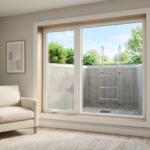
While traditional window grid styles add character, many homeowners prefer clean-lined gridless designs. Gridless windows—featuring uninterrupted glass expanses—offer distinct practical and aesthetic advantages:
Simplified Maintenance
Gridless windows dramatically simplify cleaning. Without grilles collecting dust or requiring careful attention, you can clean entire glass surfaces quickly. This benefit is especially valued by busy professionals and homeowners seeking low-maintenance solutions. Even with between-glass grilles that don’t require grid cleaning, gridless designs offer the absolute simplest maintenance routine.
Maximum Natural Light
Without grilles casting shadows, gridless windows allow maximum daylight penetration. This matters particularly in rooms with northern exposure, limited window area, or where maximizing brightness is a priority. Studies show natural light improves mood, productivity, and overall wellbeing—making gridless windows an attractive option for home offices, kitchens, and living spaces.
Unobstructed Views
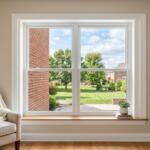
Gridless windows showcase outdoor scenery without visual interruption. This is especially valuable for homes with waterfront, mountain, forest, or garden views where preserving sightlines enhances indoor-outdoor connection. Modern architecture increasingly emphasizes this seamless relationship between interior spaces and natural surroundings.
Contemporary Aesthetics
Clean-lined gridless windows perfectly suit modern, mid-century modern, and contemporary architectural styles. The unadorned glass creates a minimalist aesthetic that complements current design trends emphasizing simplicity and openness. Thompson Creek’s modern window styles are available in gridless configurations across all window types—double-hung, casement, sliding, picture, and specialty shapes.
Matching Grids to Home Architecture
Selecting window grid patterns that complement your home’s architectural style creates visual harmony and maximizes curb appeal. Here’s how to match grids to popular Mid-Atlantic home styles:
Traditional Colonial & Cape Cod Homes
Colonial grids (6-over-6, 9-over-9, or 12-lite patterns) maintain historical accuracy for traditional brick colonials, Cape Cod cottages, and Federal-style homes. These symmetrical patterns suit the formal, balanced aesthetics that define Mid-Atlantic colonial architecture. For homes in historic districts—like Annapolis’s preservation areas—colonial grids may be required by architectural review boards.
Craftsman & Bungalow Styles
Prairie grids or top-row craftsman patterns honor Arts and Crafts design principles emphasizing horizontal lines and nature connection. These patterns are popular in bungalow neighborhoods throughout Baltimore, Washington DC, Richmond, and suburban communities. The perimeter-frame design of prairie grids particularly suits low-profile bungalows and Craftsman homes.
Ranch & Rambler Homes
Simple prairie grids or gridless designs complement the horizontal, low-profile aesthetic of ranch homes dominating Mid-Atlantic suburbs built from the 1950s-1970s. The minimal grid character maintains visual interest without competing with ranch architecture’s clean lines.
Victorian & Gothic Revival Homes
Diamond or custom ornate patterns complement Victorian architecture’s decorative character. For authentic Victorian homes with complex rooflines, bay windows, and architectural details, elaborate grid patterns maintain the home’s distinctive style. Consider using different patterns for different window types—diamond grids for focal windows, colonial grids for standard windows.
Contemporary & Modern Homes
Gridless designs or minimal farmhouse patterns provide clean lines suiting modern aesthetics. Contemporary architecture emphasizes unobstructed glass, indoor-outdoor flow, and minimalist details—all enhanced by gridless windows or simple cross patterns. Combining window styles strategically allows mixing gridless picture windows with gridded casement flankers.
When updating windows in historic neighborhoods or preservation districts, consult local architectural guidelines. Thompson Creek’s design consultants understand regional requirements and recommend appropriate patterns satisfying both aesthetic preferences and regulatory compliance.
Grid Profile & Material Options
Modern replacement windows offer various grid profiles affecting appearance and authenticity:
Contoured/Sculptured Profiles
Feature beveled edges and dimensional depth mimicking traditional wooden muntins. These profiles cast subtle shadows creating the most authentic historical appearance. Contoured grids suit traditional homes where architectural accuracy matters—colonial, Cape Cod, Victorian, and period-appropriate renovations.
Flat Profiles
Offer sleek, contemporary appearance with minimal dimension. Flat grids suit modern and transitional home styles with clean-lined aesthetics. The low-profile design provides subtle decoration without traditional formality.
Standard Profiles
Provide balanced middle ground between flat and contoured options, working well with most architectural styles. Standard profiles offer versatility for homeowners wanting grids without committing to strongly traditional or distinctly modern aesthetics.
Thompson Creek offers multiple profile options ensuring your grid selection perfectly matches your home’s architectural style and personal preferences.
Energy Efficiency & Grid Selection
A common concern is whether window grids affect energy efficiency. The answer depends on grid installation method:
Grilles Between Glass: Zero Impact
Between-glass grids have no effect on energy performance. Grilles are sealed within the insulated glass unit, maintaining the window’s thermal properties while providing decorative appeal. The sealed IGU’s argon gas fill, low-E coatings, and spacer systems perform identically whether grids are present or not.
Exterior Applied Grids: Minimal Impact
Professionally installed exterior grids create negligible thermal impact. While they add surface area, properly installed grilles don’t compromise the sealed glass unit’s insulating properties. Thompson Creek’s factory-trained installers ensure grid application maintains optimal energy performance.
All Thompson Creek windows exceed ENERGY STAR® 2022 criteria for the Mid-Atlantic climate zone, regardless of grid configuration. Our replacement windows feature low-E glass coatings, argon gas fills, and insulated vinyl frames delivering superior thermal performance with any grid style—colonial, prairie, diamond, or gridless.
According to the U.S. Department of Energy, windows account for 25-30% of residential heating and cooling costs. Choosing energy-efficient windows with low-E glass and proper installation provides substantial utility savings regardless of decorative grid selection.
Maintenance in the Mid-Atlantic Climate
Mid-Atlantic weather—humid summers, cold winters, coastal storms, and unpredictable precipitation—demands durable window grids. Here’s what maintenance looks like:
Grilles Between Glass
Require virtually zero maintenance. The sealed design prevents moisture infiltration, mold growth, dust accumulation, and weather damage. Clean exterior and interior glass surfaces as you would any window—typically 2-4 times annually depending on location. No special grid cleaning, no debris trapped in intersections, no deterioration from weather exposure.
Exterior Grids
Clean periodically with mild soap and water—typically during seasonal window cleaning. Inspect annually for secure attachment, especially after severe weather. Remove debris from grid intersections to prevent moisture retention. Thompson Creek’s factory-applied grids are engineered to withstand winds up to 146 mph, providing exceptional durability in coastal areas like Chesapeake, Ocean City, and other locations exposed to hurricanes and nor’easters.
For maximum convenience, Thompson Creek recommends between-glass grilles for the Mid-Atlantic climate. This design eliminates maintenance concerns while preserving your chosen grid pattern indefinitely.
Cost Considerations for Window Grids
Grid selection affects replacement window pricing. Here’s what to expect:
Grilles Between Glass: Typically add $50-$150 per window depending on pattern complexity. Simple colonial or prairie patterns fall at the lower end; elaborate diamond or custom patterns cost more. This one-time investment eliminates ongoing cleaning and maintenance expenses over the window’s lifetime.
Custom Patterns: Ornate or custom-designed grids may add $150-$300 per window but provide unique architectural character unavailable in standard patterns. Specialty window shapes with custom grids command premium pricing.
Gridless Windows: Often cost slightly less than gridded options—typically $25-$75 less per window. However, the difference is minimal when considering long-term value, energy savings, and home resale impact.
Thompson Creek’s factory-direct pricing model eliminates middleman markup. Manufacturing our own windows in our Maryland facility allows us to offer competitive pricing on all grid options. Our design consultants provide transparent, itemized quotes including your preferred grid configuration during the free in-home consultation.
According to the National Association of Realtors, replacement windows provide 70-80% return on investment at resale. Choosing appropriate grid patterns matching your home’s architecture maximizes this return.
Frequently Asked Questions
Can I add or remove grids after window installation?
With grilles between glass, grid configuration is permanent and determined at manufacture. The sealed IGU cannot be opened without destroying the window’s insulating properties. However, some manufacturers offer removable interior snap-in grids providing flexibility. Discuss options with your Thompson Creek design consultant during the selection process to ensure your grid choice fits long-term preferences.
What’s the difference between muntins, mullions, and grilles?
Muntins are bars dividing individual glass panes within a single window sash—the traditional structural elements in historic multi-pane windows. Mullions are vertical structural members separating entire window units—like the post between two casement windows. Grilles are decorative elements mimicking traditional divided lites without structural function. In modern usage, these terms are often used interchangeably, though technically they describe different components.
Do grid patterns affect window operation?
No. Grid patterns don’t impact how double-hung, casement, sliding, or awning windows open and close. Grilles between glass are completely internal to the sealed unit and don’t interfere with sashes, cranks, or sliding mechanisms. Choose any grid pattern without concern about operational functionality.
Should I use the same grid pattern throughout my home?
Most designers recommend using one or two complementary patterns maximum. Maintain consistency on the same façade for visual cohesion—all front-facing windows should match. You can mix window styles on different home sides, but avoid more than two patterns total. For example: colonial grids on front and side windows, gridless on rear windows facing a view. Excessive variety creates visual chaos rather than architectural interest.
How do grids affect home resale value?
Appropriate grid patterns matching your home’s architectural style enhance curb appeal and resale value. Buyers appreciate windows that suit the home’s character—colonial grids on traditional homes, gridless on contemporary designs. Replacement windows typically recoup 70-80% of their cost at resale. Proper architectural matching maximizes returns while inappropriate choices can detract from value.
Can I use different grid patterns on different window types?
Yes, strategically. Common approaches include using colonial grids on standard windows with gridless picture windows as focal points, or prairie grids on casement picture window combinations with matching patterns on the operable sides. The key is intentional design creating visual hierarchy rather than random mixing creating disorder.
Why Choose Thompson Creek for Window Grids
Thompson Creek has manufactured custom replacement windows for Mid-Atlantic homeowners since 1980. Our 70,000-square-foot Upper Marlboro, Maryland facility produces windows engineered specifically for our region’s climate extremes—from humid Chesapeake summers to freezing Appalachian winters, from Atlantic coastal storms to urban Mid-Atlantic heat islands.
Every window is custom-manufactured to your exact specifications, ensuring perfect fit, maximum energy efficiency, and your chosen grid pattern executed flawlessly. Our grilles between glass options provide authentic traditional aesthetics with modern convenience. Our gridless designs deliver clean-lined contemporary appeal. Every installation is performed by our factory-trained professionals—the same team that knows our products inside and out because they’re manufactured at our facility.
Our industry-leading 50-year No-Hassle Warranty covers both products and installation, providing complete accountability. Unlike purchasing windows from big-box stores or national chains requiring third-party installers, Thompson Creek handles design, manufacturing, installation, and warranty service—one company, complete responsibility.
All our windows exceed ENERGY STAR® 2022 criteria, are tested to withstand 146 mph winds, and feature premium vinyl frames, low-E glass coatings, argon gas fills, and insulated construction. Whether you choose colonial grids honoring Mid-Atlantic colonial heritage, prairie patterns complementing Craftsman architecture, or gridless designs embracing contemporary style, you’re getting windows built to last.
Ready to explore window grid options for your home? Schedule your free consultation with Thompson Creek today. Our design experts will help you select the perfect grid pattern to complement your home’s architecture while maximizing energy efficiency, curb appeal, and long-term value. With over 40 years serving Maryland, Virginia, Washington DC, Pennsylvania, and North Carolina, we’re the Mid-Atlantic’s trusted choice for custom replacement windows.