Choosing the right replacement windows affects more than just your home’s appearance. The windows you select impact energy efficiency, comfort, maintenance requirements, and resale value. With so many window styles available, Mid-Atlantic homeowners need clear, reliable information to make informed decisions that will serve them well for decades to come.
This guide breaks down the most popular types of replacement windows, helping you understand which styles work best for different rooms, climates, and architectural designs. Whether you’re upgrading for energy savings, curb appeal, or preparing your home for extreme weather, understanding your options is the first step toward a successful window replacement project.
Double-Hung Windows: The Traditional Choice
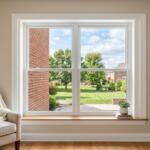
Double-hung windows remain the most popular replacement window style across Maryland, Virginia, and the Mid-Atlantic region. This classic design features two movable sashes that slide vertically within the frame, allowing you to open either the top or bottom section independently.
Key Benefits:
- Both sashes tilt inward for easy cleaning from inside your home
- Excellent ventilation control by opening top, bottom, or both sashes
- Compatible with most architectural styles from colonial to contemporary
- Space-efficient design perfect for rooms with limited clearance
- Lower maintenance costs compared to windows with mechanical parts
Energy Efficiency Considerations:
Modern double-hung windows have significantly improved from older models. Quality energy-efficient replacement windows now feature quadruple weatherstripping and compression seals that dramatically reduce air leakage. Thompson Creek’s custom-manufactured double-hung windows exceed ENERGY STAR® 2022 criteria and are specifically engineered to withstand Mid-Atlantic temperature swings from below 20°F in winter to above 90°F in summer.
Best Applications:
Double-hung windows work particularly well in bedrooms where egress requirements apply, living rooms where traditional aesthetics matter, and upper-floor installations where exterior cleaning would otherwise be difficult. They’re also an excellent choice for Maryland homes with historical architecture requiring period-appropriate styling.
Casement Windows: Superior Energy Performance
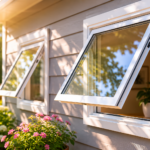
Casement windows are hinged on one side and swing outward like a door, operated by a crank mechanism. This design creates an exceptionally tight seal when closed, making casement windows one of the most energy-efficient options available.
Key Benefits:
- Superior air sealing compared to sliding window styles
- Compression seals on all four sides prevent drafts and air leakage
- Unobstructed views with no center rail dividing the glass
- Can catch and direct breezes into your home when strategically positioned
- Enhanced security with hook-shaped locks embedded within the frame
Performance in Mid-Atlantic Weather:
Casement windows excel in the Mid-Atlantic’s variable climate. When wind pressure pushes against a closed casement window, it actually strengthens the seal rather than creating gaps. This makes them particularly valuable during storm season when strong winds are common. Thompson Creek’s casement windows are AAMA-tested to withstand winds up to 146 mph.
Installation Considerations:
Consider the direction your casement window will swing. For maximum ventilation, position the hinge so prevailing summer breezes can “catch” the open window and direct airflow into your home. Avoid placing casement windows where the swing path might interfere with walkways, patios, or landscaping.
Best Applications:
Casement windows are ideal above kitchen sinks where reaching a crank is easier than lifting a double-hung sash, in bathrooms where maximum ventilation is desired, and in hard-to-reach locations where easy operation is prioritized. They’re also excellent for combination window designs and modern architectural styles.
Sliding Windows: Modern Convenience
Sliding windows (also called slider windows or gliding windows) operate horizontally along a track, with one or both sashes able to slide side-to-side. This design offers smooth operation and works particularly well in spaces with horizontal proportions.
Key Benefits:
- No outward or inward projection, remaining flush with exterior walls
- Perfect for rooms with limited depth where casement windows won’t work
- Large viewing area with minimal frame obstruction
- Easy operation requiring minimal physical effort
- Contemporary aesthetic that complements modern home designs
Energy Efficiency Improvements:
While traditional slider windows had a reputation for air leakage, modern designs have addressed this concern. Today’s high-quality sliding windows feature advanced weatherstripping, multiple sealing points, and compression mechanisms that dramatically improve thermal performance. Thompson Creek’s sliding windows include premium vinyl frames with insulating properties that help maintain consistent indoor temperatures year-round.
Best Applications:
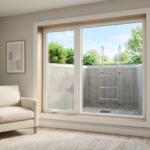
Sliding windows work exceptionally well in contemporary homes, rooms with low ceilings where vertical windows might feel cramped, basements where egress requirements must be met with horizontal space constraints, and areas adjacent to decks or walkways where protruding windows would create obstructions.
Awning Windows: Ventilation and Weather Protection
Awning windows are hinged at the top and open outward from the bottom, creating a protective “awning” when open. This unique design allows ventilation even during light rain, making them practical for the Mid-Atlantic’s variable weather patterns.
Key Benefits:
- Can remain open during rain without water entering your home
- Tight seal when closed due to compression design
- Excellent for providing ventilation in bathrooms and small spaces
- Often used in combination with larger fixed windows
- Easy to operate from any height
Strategic Placement:
Awning windows are frequently installed above or below larger stationary windows to add ventilation without compromising views or natural light. They’re also commonly placed high on walls in bathrooms for privacy while still allowing airflow, or in basements where ground-level ventilation is needed.
Best Applications:
These windows excel in bathrooms where moisture control is essential, above entry doors to add architectural interest and light, in coastal areas where rain is common but ventilation is still desired, and in modern home designs as accent windows paired with larger picture windows.
Picture Windows: Maximizing Natural Light and Views
Picture windows are large, fixed windows that don’t open, designed purely to frame views and maximize natural light. As stationary windows with no moving parts, they offer the highest energy efficiency of any window style.
Key Benefits:
- Maximum energy efficiency with no air leakage through moving parts
- Largest unobstructed viewing area of any window style
- Lower cost per square foot than operable windows
- Minimal maintenance with no mechanical components to service
- Can be combined with operable windows for ventilation
Energy Performance:
Picture windows achieve superior thermal performance because they have no moving sashes or hardware that could create air leakage paths. The entire perimeter is sealed during installation, creating an airtight barrier. When specified with Low-E glass and argon gas fills, picture windows provide exceptional insulation while still allowing abundant natural light.
Design Integration:
Picture windows work best when combined with operable windows. A popular configuration includes a large central picture window flanked by casement or double-hung windows that provide ventilation. This combination window approach delivers both views and functionality while optimizing energy efficiency.
Best Applications:
Picture windows are ideal for living rooms with scenic views, two-story entryways requiring dramatic impact, walls facing private yards or natural landscapes, and modern architectural designs emphasizing indoor-outdoor connections.
Bay and Bow Windows: Expanding Your Living Space
Bay and bow windows project outward from your home’s exterior wall, creating additional interior space while adding architectural dimension. Bay windows typically consist of three windows arranged in angles, while bow windows use four or more windows arranged in a gentle curve.
Key Benefits:
- Increases usable interior floor space without a room addition
- Creates a natural alcove perfect for seating, displays, or plants
- Adds significant curb appeal and architectural interest
- Floods rooms with natural light from multiple angles
- Increases home value with premium architectural feature
Configuration Options:
Bay windows typically feature a large central picture window flanked by two smaller casement or double-hung windows at 30-45 degree angles. This configuration provides both views and ventilation. Bow windows use four to six windows of equal size arranged in a smooth arc, creating more gradual projection and softer appearance.
Structural Considerations:
Bay and bow windows require proper structural support since they extend beyond the building envelope. Professional installation is essential to ensure the window is adequately supported, properly flashed to prevent water intrusion, and correctly insulated to maintain energy efficiency. Thompson Creek’s experienced installation teams custom-manufacture each bay or bow window to your home’s exact specifications, ensuring perfect fit and long-term performance.
Best Applications:
These windows excel in kitchens where they create breakfast nook seating areas, living rooms where they serve as focal points, bedrooms where they add reading nook space, and traditional home styles where architectural detail enhances curb appeal.
Specialty Window Shapes: Custom Design Elements
Beyond standard rectangular windows, specialty shapes add unique architectural character to your home. Custom shapes include circles, ovals, triangles, arches, trapezoids, and other geometric designs that address specific architectural requirements or design preferences.
Popular Specialty Shapes:
Arched Windows: Semicircular or elliptical tops add elegance to entryways and above standard windows
Circular Windows: Round windows (often called “oculus” windows) create focal points in gables and high walls
Triangle Windows: Fitted to gable ends, following roofline angles
Octagon Windows: Eight-sided designs popular in Victorian and craftsman styles
Trapezoid Windows: Angled shapes that follow roof pitches or architectural angles
Design Flexibility:
Most specialty shapes are fixed (non-operable) to maintain their distinctive appearance and structural integrity. However, they can be combined with standard operable windows to provide both aesthetic impact and ventilation. Thompson Creek custom-manufactures specialty shapes to your exact specifications, ensuring they integrate seamlessly with your home’s architecture.
Best Applications:
Specialty windows work best in architectural focal points, gable ends requiring natural light, entryway areas where first impressions matter, and homes with distinctive architectural styles requiring period-appropriate details.
Transom Windows: Adding Light Without Sacrificing Privacy
Transom windows are narrow horizontal windows installed above doors or other windows. Originally designed to improve ventilation in buildings before air conditioning existed, they now serve primarily to add natural light while maintaining privacy and wall space.
Key Benefits:
- Increases natural light without reducing privacy
- Preserves wall space below for furniture placement
- Adds architectural detail and visual interest
- Can be operable or fixed depending on ventilation needs
- Complements both traditional and contemporary designs
Installation Applications:
Transom windows are frequently installed above entry doors to brighten entryways, above patio doors to extend natural light reach, in bathrooms where high windows maintain privacy while adding light, and in interior doorways to allow light flow between rooms.
Comparing Window Energy Efficiency for Mid-Atlantic Homes
Not all window styles perform equally when it comes to energy efficiency. Understanding these differences helps Mid-Atlantic homeowners make informed choices that reduce heating and cooling costs while improving comfort.
Energy Efficiency Rankings (Best to Least Efficient):
- Picture Windows (Fixed): No moving parts means no air leakage paths
- Casement Windows: Compression seals on all four sides when closed
- Awning Windows: Similar compression seal benefits as casement
- Double-Hung Windows (Quality Models): Modern designs with proper weatherstripping
- Sliding Windows: Can be highly efficient with quality construction and seals
Key Energy-Efficient Features to Consider:
Low-E Glass Coatings: Reflect infrared heat while allowing visible light, reducing summer cooling costs by blocking solar heat and maintaining winter warmth by reflecting heat back inside
Gas Fills: Argon or krypton gas between window panes increases insulation and reduces heat transfer
Multiple Panes: Double-pane windows offer excellent insulation; triple-pane provides maximum performance for extreme climates
Quality Frame Materials: Vinyl frames like those used in Thompson Creek windows provide natural insulation without conducting heat or cold
Proper Installation: Even the most efficient window performs poorly if improperly installed
Thompson Creek’s custom-manufactured windows are specifically engineered for Mid-Atlantic weather conditions, exceeding ENERGY STAR® 2022 criteria with features that address both summer heat and winter cold. Learn more about how to tell if windows are energy efficient.
Selecting the Right Window Style for Each Room
Different rooms have different requirements when it comes to ventilation, privacy, views, and energy efficiency. Here’s how to match window styles to room functions:
Bedrooms:
- Primary recommendation: Double-hung windows (easy cleaning, egress compliance)
- Alternative: Casement windows (superior energy efficiency, enhanced security)
- Consideration: Ensure windows meet egress requirements for fire safety
Kitchens:
- Primary recommendation: Casement windows above sinks (easy crank operation)
- Alternative: Double-hung or slider windows on other walls
- Special feature: Bay windows for breakfast nook areas
Bathrooms:
- Primary recommendation: Awning windows (ventilation during rain, privacy)
- Alternative: Casement or high-placed double-hung windows
- Consideration: Moisture-resistant frames and proper ventilation
Living Rooms:
- Primary recommendation: Picture windows (maximum light and views)
- Complementary: Flanking casement or double-hung windows for ventilation
- Premium option: Bay or bow windows for architectural impact
Basements:
- Primary recommendation: Slider or awning windows (egress compliance, ground-level function)
- Alternative: Hopper windows (hinged at bottom, tilt inward)
- Consideration: Proper drainage and moisture management
Home Offices:
- Primary recommendation: Casement windows (energy efficiency, noise reduction)
- Alternative: Double-hung with high-quality glass (reduced outside noise)
- Consideration: Positioning to minimize glare on computer screens
Understanding Replacement Window Materials
While this guide focuses primarily on window styles, the material your windows are constructed from significantly impacts performance, maintenance, and longevity.
Vinyl Windows:
Vinyl frames offer excellent thermal performance without conducting heat or cold. They never need painting, resist moisture and decay, and provide exceptional value. Thompson Creek manufactures premium vinyl windows using the highest quality materials, with frames that exceed industry standards for strength and weather resistance.
Key advantages:
- Low maintenance (no painting or staining required)
- Excellent thermal performance with insulated frames
- Moisture resistant (won’t rot, warp, or corrode)
- Wide range of colors and finishes available
- Superior value for performance
Aluminum-Clad Windows:
Aluminum-clad windows feature wood interiors with aluminum exterior protection. While offering aesthetic appeal, they conduct heat and cold more readily than vinyl and require higher maintenance.
Fiberglass Windows:
Fiberglass frames offer exceptional strength and durability but typically cost significantly more than vinyl while providing similar thermal performance.
For Mid-Atlantic homeowners, vinyl windows provide the optimal combination of energy efficiency, durability, low maintenance, and value. Thompson Creek’s custom-manufactured vinyl windows include features like beveled exterior frames for enhanced aesthetics and multi-chamber construction for superior insulation. Learn more about choosing the best energy-efficient windows.
Climate Considerations for Mid-Atlantic Homeowners
Maryland, Virginia, and the Mid-Atlantic region experience a full range of weather conditions that demand windows capable of performing year-round. Understanding these climate factors helps inform your window selection.
Summer Challenges:
- Temperatures frequently exceeding 90°F with high humidity
- Intense UV exposure that can fade furnishings
- Need for cooling cost reduction
Winter Requirements:
- Temperatures dropping below 20°F
- Ice and snow accumulation
- Heat retention to reduce heating costs
Spring and Fall Variables:
- Heavy rainfall and occasional flooding
- Strong winds and storm activity
- Remnants of tropical systems
Recommended Features for Mid-Atlantic Climate:
Thompson Creek’s replacement windows are specifically engineered to handle these conditions with:
- Low-E glass coatings that reduce summer heat gain and winter heat loss
- Argon gas fills between panes for enhanced insulation
- AAMA testing certification for wind resistance up to 146 mph
- Multi-chamber vinyl frames that prevent thermal bridging
- Professional installation with proper weatherproofing and flashing
The Thompson Creek Custom Manufacturing Advantage
Unlike national chains that offer stock sizes or local contractors who purchase windows from distant manufacturers, Thompson Creek designs, manufactures, and installs custom windows in our Maryland facility.
What Custom Manufacturing Means for You:
Perfect Fit: Every window is built to your home’s exact measurements, accounting for the settling and dimensional changes that occur as houses age
Quality Control: We control every aspect of production, ensuring consistent quality from raw materials through final installation
Regional Optimization: Windows are engineered specifically for Mid-Atlantic weather patterns, not generic climate zones
No Middleman Markup: Factory-direct pricing eliminates distributor costs without sacrificing quality
Complete Accountability: One company handles design, manufacturing, installation, and warranty service—no finger-pointing between manufacturers and installers
50-Year No-Hassle Warranty: Industry-leading warranty coverage on both products and installation, demonstrating our confidence in long-term performance
Energy Efficiency and Cost Savings
Replacing old, inefficient windows with modern energy-efficient models provides measurable financial benefits beyond improved comfort.
Expected Energy Savings:
According to the Department of Energy, replacing single-pane windows with ENERGY STAR® certified double-pane windows can save $126-$465 annually in heating and cooling costs, depending on climate zone and home size. In the Mid-Atlantic region (DOE Climate Zone 4), properly selected and installed windows typically deliver:
- 15-25% reduction in overall heating and cooling costs
- 30-40% reduction in heat loss through windows specifically
- Improved summer comfort with reduced solar heat gain
- More consistent indoor temperatures with fewer drafts
Return on Investment:
Quality replacement windows typically recoup 67-72% of their cost in home resale value according to recent Remodeling Magazine Cost vs. Value reports. Beyond resale value, energy savings accumulate month after month, providing ongoing financial benefits throughout the window’s lifetime.
Federal Tax Credits:
Through 2025, homeowners can claim a 30% federal tax credit on qualifying energy-efficient window replacements, up to $600. Thompson Creek’s ENERGY STAR® certified windows qualify for these tax credits, providing immediate financial benefits in addition to long-term energy savings.
Frequently Asked Questions About Replacement Windows
What is the most energy-efficient window style?
Fixed picture windows are technically the most energy-efficient because they have no moving parts and create an airtight seal. Among operable windows, casement and awning styles offer superior energy efficiency due to their compression seals on all four sides. However, modern double-hung windows with quality weatherstripping can achieve comparable performance.
How long do replacement windows last?
Quality vinyl replacement windows typically last 20-25 years when properly installed and maintained. Thompson Creek windows are backed by a 50-year No-Hassle Warranty, demonstrating our confidence they’ll exceed standard industry lifespans. Factors affecting longevity include material quality, installation quality, climate exposure, and maintenance.
Can I replace windows myself or should I hire professionals?
Window replacement requires precise measurement, proper flashing, correct insulation, and structural understanding to ensure long-term performance and avoid moisture issues. Professional installation is strongly recommended, particularly for climate extremes in the Mid-Atlantic region. Improper installation can void warranties, create air leakage, and lead to water damage that costs far more than professional installation. Learn more about window installation best practices.
What window style is best for high winds and storms?
All Thompson Creek windows are AAMA-tested to withstand winds up to 146 mph, making them suitable for hurricanes and severe storms common in the Mid-Atlantic. Impact-resistant glass options are available for added protection. Casement and awning windows offer superior weather sealing, but properly installed double-hung windows also perform excellently in storms.
How do I choose between double-pane and triple-pane windows?
For most Mid-Atlantic homes, high-quality double-pane windows with Low-E coatings and argon gas fills provide excellent performance at reasonable cost. Triple-pane windows offer marginal additional insulation but weigh significantly more and cost considerably more. Consider triple-pane for north-facing walls in particularly exposed locations or if your home is in an extreme climate zone.
What maintenance do replacement windows require?
Modern vinyl windows require minimal maintenance. Clean glass periodically, vacuum or wipe frame tracks annually, and lubricate any moving parts or hardware as needed. Thompson Creek’s vinyl frames never need painting or staining and resist moisture, rot, and corrosion. Proper maintenance extends window life and maintains peak energy efficiency.
How much do replacement windows cost?
Window replacement costs vary based on size, style, features, and installation complexity. Generally, expect $450-$1,200 per window installed for quality replacement windows. Picture and double-hung windows typically cost less than bay windows or complex custom shapes. Learn more about replacement window costs and energy-efficient window costs. Contact Thompson Creek for a free, no-obligation estimate based on your specific needs.
What’s the difference between new construction and replacement windows?
New construction windows include a nailing fin that attaches to bare wall framing during construction. Replacement windows are designed to fit within existing window frames, making them ideal for renovations where wall structures remain intact. Thompson Creek specializes in custom replacement windows that perfectly fit existing openings.
Should I replace all windows at once or in stages?
Replacing all windows at once provides consistent appearance, potentially lower per-window costs through volume pricing, and immediate maximum energy savings. However, staged replacement allows you to spread costs over time and prioritize rooms where window problems are most severe. Both approaches work—choose based on your budget and priorities.
How do I know when it’s time to replace my windows?
Replace windows when you notice drafts and air leakage around frames, condensation between double-pane glass layers (indicating seal failure), difficulty operating windows (sticking, binding, won’t stay open), visible decay or damage to frames, or significantly higher energy bills despite maintained HVAC systems. If your windows are more than 20 years old, replacement likely makes financial sense even without obvious problems.
Why Choose Thompson Creek for Your Replacement Window Project
Mid-Atlantic homeowners have trusted Thompson Creek since 1980 to manufacture, install, and service replacement windows that deliver lasting performance. Our complete accountability model means you work with one company from design through installation and warranty service—eliminating confusion and ensuring consistent quality.
Every Thompson Creek window is custom-manufactured in our Maryland facility specifically for your home and the Mid-Atlantic climate. Our 50-year No-Hassle Warranty covers both products and installation, demonstrating our confidence in delivering windows that will serve you for decades. With ENERGY STAR® certification, 146 mph wind resistance, and factory-direct pricing without middleman markup, Thompson Creek provides unmatched value.
Ready to upgrade your home with custom-manufactured replacement windows? Schedule your free consultation today and discover why Mid-Atlantic homeowners have trusted Thompson Creek for over 40 years. Our professional team will help you select the perfect window styles for your home, backed by our 50-year warranty and expert installation you can count on.