Clean windows transform your home’s appearance while improving natural light and air quality. For Maryland, Virginia, and DC homeowners, seasonal pollen, humidity, and weather extremes make regular window and screen cleaning essential for maintaining your home’s comfort and curb appeal.
This comprehensive guide walks you through professional cleaning techniques, seasonal maintenance schedules, and expert tips for keeping your windows spotless year-round. Whether you’re tackling spring cleaning or preparing for fall, you’ll learn the most effective methods for streak-free windows and fresh screens.
Why Clean Windows and Screens Matter
Beyond aesthetics, clean windows and screens provide several important benefits for your home:
Improved Indoor Air Quality: Window screens filter pollen, dust, and allergens. When screens become clogged with debris, airflow decreases and these particles accumulate indoors. Regular cleaning ensures proper ventilation and healthier air.
Better Natural Light: Dirty windows block up to 40% of natural light entering your home. Clean glass maximizes sunlight, reducing your reliance on artificial lighting and creating brighter, more welcoming spaces.
Extended Window Lifespan: Dirt, pollen, and mineral deposits can etch window glass over time. Hard water stains and debris buildup accelerate deterioration of window seals, frames, and screens. Regular cleaning prevents permanent damage.
Pest Prevention: Debris-filled screens attract insects and provide entry points for pests. Clean screens form an effective barrier, keeping bugs outside where they belong.
When to Clean Windows and Screens
Most cleaning professionals recommend cleaning windows and screens at least twice per year, typically in spring and fall. This schedule aligns perfectly with Mid-Atlantic seasonal needs:
Spring Cleaning (April to May): Remove winter salt residue, pollen buildup, and grime accumulated during cold months. Spring cleaning prepares windows for increased ventilation during warmer weather.
Fall Cleaning (September to October): Clear away summer dust and insect debris, and prepare windows for winter. Fall cleaning maximizes sunlight during shorter days ahead and removes allergens before homes are sealed for winter.
Additional Cleaning Situations:
- After storms or high winds that deposit debris
- Following construction or renovation projects
- In homes with pets or young children (quarterly cleaning recommended)
- Near busy roads or industrial areas (quarterly cleaning recommended)
- Coastal locations with salt air exposure (quarterly cleaning recommended)
Essential Cleaning Supplies
Gather these materials before starting your window cleaning project:
For Windows:
- Bucket or spray bottle
- Squeegee with rubber blade
- Microfiber cloths or lint-free towels
- Window cleaning solution (commercial or homemade)
- Scrubber or soft sponge
- Extension pole for high windows
- Step ladder (if needed)
For Screens:
- Garden hose with spray nozzle
- Soft-bristle brush or sponge
- Dish soap or mild detergent
- Large towels or drop cloths
- Vacuum with brush attachment (optional)
Safety Equipment:
- Non-slip shoes
- Safety glasses (for overhead cleaning)
- Gloves (optional)
Best Window Cleaning Solutions
You can choose between commercial cleaners or effective homemade alternatives:
Homemade Vinegar Solution: Mix equal parts white vinegar and warm water in a spray bottle. This solution cuts through grease and grime without leaving streaks. For heavily soiled windows, use a 2:1 ratio of water to vinegar.
Dish Soap Solution: Add 2 to 3 drops of mild dish soap to one gallon of warm water. This gentle solution works well for regular maintenance cleaning without harsh chemicals.
Commercial Glass Cleaners: Choose ammonia-free formulas to protect window seals and frames. Look for streak-free formulas specifically designed for exterior glass.
Important: Avoid cleaning windows in direct sunlight or when glass surface temperature exceeds 90°F. Heat causes cleaning solutions to dry too quickly, leaving streaks and residue.
Step-by-Step Window Cleaning Process
Cleaning Interior Windows
- Remove window treatments: Take down curtains, blinds, or shades to prevent water damage and allow full access to glass.
- Dust and vacuum: Use a dry cloth or vacuum brush attachment to remove loose dust, cobwebs, and debris from window frames, sills, and tracks.
- Clean window sills and frames: Wipe down all surfaces with a damp cloth. For vinyl window frames, use mild soap and water. Avoid abrasive cleaners that can scratch surfaces.
- Apply cleaning solution: Spray or apply solution generously to the entire glass surface. Work from top to bottom to prevent drips on clean areas.
- Scrub the glass: Use a sponge or scrubber to work the solution across the entire pane, paying extra attention to corners and edges where grime accumulates.
- Squeegee technique: Starting at the top corner, pull the squeegee across in a reverse-S pattern. Wipe the blade clean after each stroke to prevent streaking. For best results, overlap each stroke slightly.
- Dry edges and frames: Use a lint-free cloth to dry any remaining moisture on window frames, sills, and edges. This prevents water spots and frame damage.
Pro Tip: For double-hung windows, tilt the sash inward to easily clean exterior surfaces from inside your home. This feature makes maintenance safer and more convenient.
Cleaning Exterior Windows
- Check weather conditions: Choose a mild, overcast day when temperatures range between 50°F and 80°F. Avoid windy days that blow dirt onto freshly cleaned glass.
- Rinse away loose debris: Use a garden hose to spray down windows, removing loose dirt, pollen, and spider webs before applying cleaning solution.
- Apply solution and scrub: Work in small sections, applying cleaning solution and scrubbing with a sponge or soft brush. For second-story windows, use an extension pole with a scrubber attachment.
- Squeegee and dry: Follow the same squeegee technique used for interior windows. Work quickly before the solution dries.
- Final rinse (optional): For a final polish, spray windows with clean water and squeegee once more.
Safety Note: For windows above the first floor that cannot be reached safely from inside or with an extension pole, consider hiring professional window cleaners. Safety should always come first.
How to Clean Window Screens
Clean screens before washing windows to prevent dirt from transferring back onto freshly cleaned glass.
Method 1: In-Place Cleaning (Screens Remain Installed)
Best for quick maintenance or when screen removal is difficult:
- Vacuum loose debris: Use a brush attachment to remove dust, pollen, and cobwebs from both sides of the screen.
- Spray with cleaning solution: Mix 1 tablespoon of dish soap per gallon of warm water. Spray solution onto screen surface.
- Gentle scrubbing: Use a soft brush or sponge to clean the screen in circular motions. Avoid excessive pressure that can damage screen mesh.
- Rinse thoroughly: Spray with clean water from a garden hose until all soap residue is gone.
- Air dry: Allow screens to dry completely before closing windows.
Method 2: Removed Screen Cleaning (Most Thorough)
For deep cleaning or heavily soiled screens:
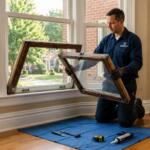
- Remove screens carefully: Most window screens pop out easily by lifting tabs or pressing release mechanisms. Consult your window manufacturer’s instructions if uncertain. Thompson Creek windows feature easy-removal screens designed for simple maintenance.
- Lay screens flat: Place screens on a large towel, drop cloth, or clean driveway surface. Clean outdoor surfaces work well for this step.
- Rinse both sides: Use a garden hose to spray both sides of each screen, removing loose dirt and debris.
- Apply soap solution: Mix warm water with dish soap. Using a soft brush or sponge, gently scrub both sides of the screen.
- Rinse thoroughly: Spray with clean water until all soap bubbles are gone. Soap residue attracts dirt, so complete rinsing is essential.
- Dry completely: Stand screens upright against a wall or fence and allow them to air dry fully before reinstalling.
- Clean screen tracks: While screens are removed, vacuum or wipe window tracks and screen channels to remove accumulated debris.
- Reinstall screens: Once completely dry, carefully reinstall screens. Ensure they’re properly seated and secure.
Material Considerations: Different types of window screens require slightly different care. Fiberglass screens are delicate and require gentle pressure. Metal screens tolerate firmer scrubbing but should still be handled carefully to prevent bending.
Special Cleaning Challenges
Hard Water Stains
White, chalky deposits result from mineral buildup in hard water. To remove:
- Apply undiluted white vinegar directly to stains
- Let sit for 10 to 15 minutes
- Scrub gently with a soft sponge
- Rinse thoroughly with clean water
- For stubborn stains, repeat or use a commercial hard water stain remover
Paint Overspray
Remove dried paint carefully:
- Soften paint with warm, soapy water
- Gently scrape with a plastic putty knife or razor blade held at a 45-degree angle
- Work slowly to avoid scratching glass
- Clean area with glass cleaner after paint removal
Tree Sap and Sticky Residue
- Apply rubbing alcohol to a cloth
- Hold cloth against sap for 30 seconds to soften it
- Wipe away gently
- Clean with regular window cleaning solution
- Rinse and dry
Mold and Mildew on Frames
For mold on window frames or sills:
- Wear protective gloves and safety glasses
- Mix one part bleach to three parts water
- Apply to affected areas with a sponge
- Let sit for 10 minutes
- Scrub gently and rinse thoroughly
- Dry completely to prevent regrowth
If mold persists or appears between window panes, this indicates seal failure. Learn more about preventing mold on windows and when professional attention or window replacement is needed.
Window Track and Sill Maintenance
Clean tracks and sills ensure smooth window operation and prevent water damage:
- Vacuum debris: Remove loose dirt, dead insects, and debris with a vacuum crevice tool or brush attachment.
- Scrub with solution: Use an old toothbrush dipped in soapy water to scrub tracks thoroughly. Pay attention to corners and drainage holes.
- Wipe clean: Use a damp cloth to remove loosened dirt and cleaning solution.
- Dry completely: Use a dry cloth to prevent moisture buildup that can cause mold or frame deterioration.
- Check weep holes: Ensure small drainage holes at the bottom of window tracks are clear. Use a thin wire or toothpick to remove any blockages. Clogged weep holes can lead to water leaks around windows.
Understanding Condensation and Foggy Windows
During cleaning, you may notice condensation or fog on your windows. Understanding the difference is crucial:
Normal Surface Condensation: Moisture that forms on the interior or exterior glass surface and can be wiped away is normal. This happens when warm, humid air meets cold glass, similar to your bathroom mirror fogging after a shower. Learn more about condensation on windows in summer.
Failed Seal Condensation: Fog or moisture trapped between double-pane glass that cannot be wiped away indicates a failed window seal. Once this occurs, the window has permanently lost its insulating effectiveness. Read our guide on fogged window glass and failed seals to understand your options.
If you discover fog between panes during cleaning, the window requires replacement. This cannot be fixed by cleaning or any DIY method.
Energy Efficiency and Window Maintenance
While regular cleaning keeps windows looking their best, it cannot improve the energy efficiency of older or poorly performing windows. Clean windows allow maximum light transmission but don’t reduce heat transfer through inefficient glass or frames.
If you notice these signs during cleaning, your windows may need replacement:
- Condensation between double-pane glass (seal failure)
- Drafts around closed windows
- Difficulty opening or closing windows
- Cracked or damaged glass
- Rotting or deteriorating frames
- Excessive outside noise penetration
Modern energy-efficient windows with Low-E coatings and argon gas fills dramatically outperform older single-pane or failed double-pane windows. Cleaning old windows makes them look better temporarily, but replacement provides permanent improvements to comfort and energy costs.
Maintaining Your Investment
For homeowners with vinyl replacement windows, maintenance is minimal. Vinyl frames never require painting or staining. Regular cleaning with mild soap and water keeps them looking new for decades.
Avoid these common mistakes with vinyl windows:
- Never use power washers, which can damage seals and force water into wall cavities
- Avoid abrasive cleaners or scrub pads that scratch surfaces
- Don’t use acetone, paint thinner, or harsh solvents on vinyl frames
- Skip oil-based cleaners that leave residue attracting dirt
When Cleaning Reveals Bigger Problems
Sometimes, persistent window problems indicate issues beyond normal dirt and grime. Cleaning provides an excellent opportunity to inspect windows for damage:
Foggy glass between panes: This indicates seal failure. The window must be replaced, as cleaning cannot access the interior space.
Scratched or etched glass: Deep scratches or mineral etching cannot be removed with cleaning. Replacement glass or windows is the only solution.
Damaged screens: Torn, bent, or severely damaged screens should be replaced rather than cleaned. Small tears can quickly expand, allowing insects inside.
Deteriorating frames: Rotting wood, cracked vinyl, or corroded metal frames require professional assessment and likely replacement.
Water stains or dampness: If you notice water damage around window frames during cleaning, review the signs of bad window installation to determine if improper installation is causing moisture problems.
Multiple issues: If cleaning reveals several problems simultaneously, consult our guide on 5 signs it’s time to replace your windows.
Thompson Creek’s custom-manufactured windows are built specifically for Mid-Atlantic homes, designed to withstand regional humidity, temperature swings, and seasonal challenges. Our 50-year No-Hassle Warranty covers both products and installation, ensuring your investment is protected.
Professional Window Cleaning
While DIY cleaning works well for most homeowners, professional window cleaning may be worthwhile for:
- Multi-story homes where safety is a concern
- Homes with many windows making DIY time-prohibitive
- Physically demanding for homeowners’ abilities
- Windows with significant hard water staining or damage
- Preparing homes for sale (professional cleaning maximizes curb appeal)
Professional cleaners have specialized equipment, expertise, and insurance to safely clean difficult-to-reach windows.
Frequently Asked Questions About Window Cleaning
How often should I clean my windows?
Most cleaning professionals recommend cleaning windows at least twice per year in spring and fall. However, homes near busy roads, industrial areas, or coastal locations may need quarterly cleaning. Homes with pets or young children also benefit from more frequent cleaning.
What’s the best homemade window cleaning solution?
Mix equal parts white vinegar and warm water in a spray bottle. This solution cuts through grease and grime without leaving streaks. For heavily soiled windows, use a 2:1 ratio of water to vinegar. Add 2 to 3 drops of dish soap per gallon of water as an alternative gentle solution.
Can I clean windows when it’s sunny outside?
Avoid cleaning windows in direct sunlight or when glass temperatures exceed 90°F. Heat causes cleaning solutions to dry too quickly, leaving streaks and residue. Choose overcast days or clean windows in shade for best results.
How do I clean second-story windows safely?
Modern double-hung windows tilt inward, allowing you to clean exterior glass from inside your home safely. For windows without tilt features, use extension poles with squeegee attachments from the ground. For safety, hire professional window cleaners for second-story windows that cannot be reached safely.
Why do my windows streak after cleaning?
Streaking typically results from cleaning in direct sunlight, using dirty squeegees or cloths, or not removing all cleaning solution. Use clean microfiber cloths, wipe squeegee blades after each pass, and work in shaded conditions for streak-free results.
Can I use newspaper to clean windows?
While many people recommend newspaper, modern printing inks can leave residue. Microfiber cloths or lint-free towels work better and won’t leave ink or paper fibers on glass. Save newspaper for another recycling purpose.
What causes foggy windows that won’t clean?
Fog or condensation between double-pane glass indicates failed window seals. This cannot be cleaned because moisture is trapped inside the sealed unit. The window requires replacement, as seal failure also means lost insulating gas and reduced energy efficiency.
Should I remove screens before cleaning windows?
Yes, for thorough cleaning, remove screens first. This allows full access to window glass and prevents dirt transfer from screens to freshly cleaned windows. Clean screens separately before reinstalling.
How do I clean window tracks effectively?
Vacuum loose debris with a crevice tool, then scrub tracks with an old toothbrush dipped in soapy water. Wipe clean with a damp cloth and dry completely. Check weep holes at track bottoms and clear any blockages to prevent water buildup.
Can I pressure wash my windows?
Never use pressure washers on windows. High pressure can damage seals, force water into wall cavities, crack glass, and destroy weatherstripping. Use garden hose spray and manual cleaning methods instead.
Protecting Your Mid-Atlantic Home
Regular window and screen maintenance preserves your home’s appearance, protects your investment, and ensures healthy indoor air quality. Following this cleaning schedule and using proper techniques keeps your windows functioning beautifully year-round:
- Clean windows and screens at minimum twice yearly (spring and fall)
- Address hard water stains and debris promptly
- Inspect for damage during each cleaning
- Replace screens showing significant wear
- Consider window replacement when cleaning reveals multiple failures
For Maryland, Virginia, DC, Pennsylvania, and North Carolina homeowners, Thompson Creek provides custom-manufactured windows designed for our unique climate. Every window is built to exact specifications in our 70,000-square-foot Maryland facility, installed by our factory-trained professionals, and backed by our industry-leading 50-year warranty.
Ready to upgrade from constant cleaning to low-maintenance windows? Schedule your free in-home consultation today. Our window experts will assess your current windows, explain your options, and provide a detailed quote with no pressure. Just honest advice from a family-owned company that’s served the Mid-Atlantic since 1980.
Related Resources
Learn more about window care and replacement:
- When to Replace Windows: Signs and Tips
- Common Home Window Problems
- Benefits of Energy-Efficient Windows
- Vinyl vs. Wood Windows Comparison
- Window Frame Types Explained
- What to Do With a Broken Window
- Understanding Window Seals
Serving Maryland, Virginia, Washington DC, Pennsylvania, and North Carolina with custom-manufactured windows, doors, siding, and roofing since 1980.